
Film
Howl
Rob Epstein and Jeffrey Friedman's 2010 film splits Allen Ginsberg's life into three lanes: his formative years, the obscenity trial of *Howl*, and acid-trip animation bringing the poem itself to life. It's intellectually ambitious and visually adventurous—part biography, part courtroom drama, part hallucinogenic art film. For anyone drawn to Beat culture, literary rebellion, or formal experimentation.
Should you watch it?
Watch it if you love poetry-driven films that braid a biography, a courtroom drama and animated visions into one restless collage, and you don't mind the form bending around the words.
Skip it if you want a conventional biopic with a steady narrative spine, since this one jumps between a courtroom record, interior memory and drawn imagery, and may feel fragmented.
What it asks of you: At 84 minutes it moves briskly, and it wants you alert enough to hold three strands at once rather than settle into one story line.
Not sure? Find tonight's pick in a minute.
If you liked this
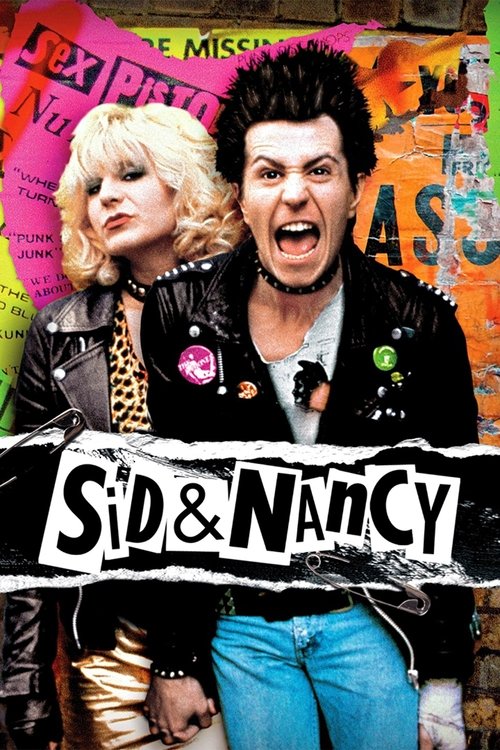
Sid and Nancy1986
Alex Cox's punk love story treats its subjects with genuine compassion while refusing to glamorize their self-destruction. It captures the chaotic energy of artistic rebellion without flinching from the wreckage.
But The pacing is deliberately fractured and the images relentlessly ugly. It's exhausting by design, which feels appropriate but not always pleasurable.
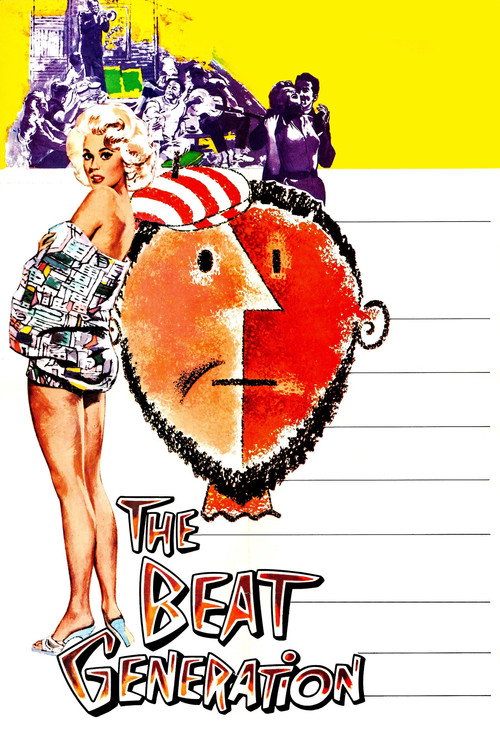
The Beat Generation1959
A documentary-style examination of the Beat writers made closer to their moment. Raw, skeptical, and featuring actual figures debating what the movement meant while living it.
But It predates slick filmmaking and documentary convention. The technical quality is grainy, and it lacks the narrative drive modern viewers expect.
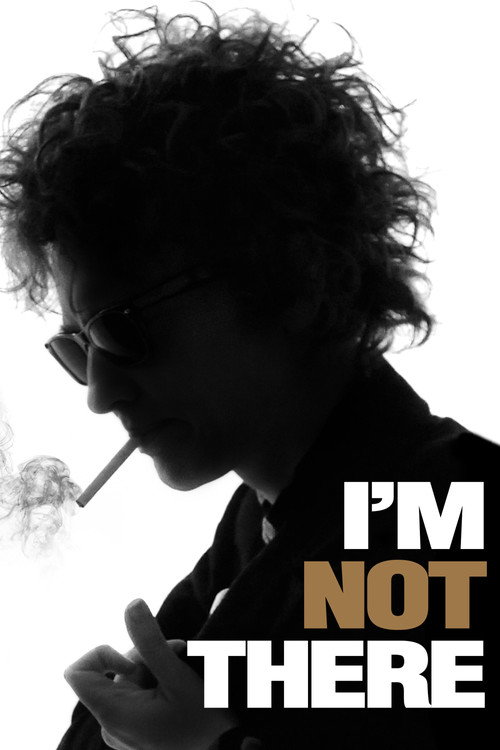
I'm Not There2007
Todd Haynes uses six actors and non-linear storytelling to capture the essence of a life rather than its chronology. Audacious formal experimentation that lets you *feel* artistic transformation instead of just watching it unfold.
But If you need linear plot and stable identity, this will frustrate you. The fragmentation is the point, not a flaw to overcome.
Not sure tonight? Get a pick in a minute, starting from Howl
The wildcard
Something you would not have found on your own.
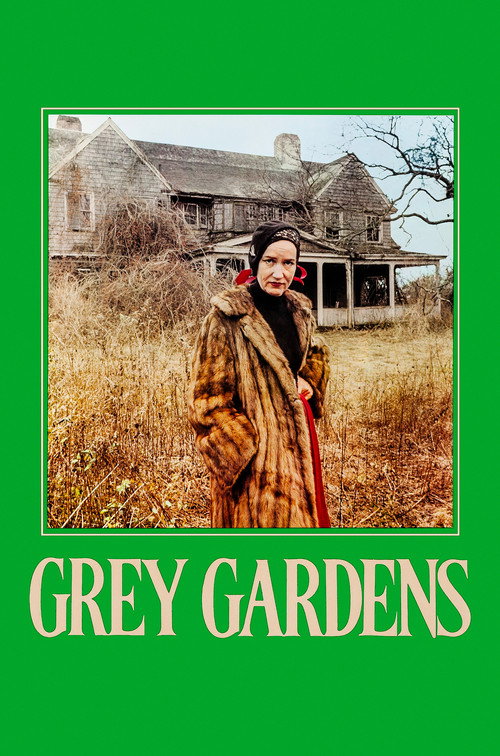
Grey Gardens1976
Both films treat bohemian life—artistic freedom, deliberate outsiderness, the cost of refusal—with genuine understanding rather than judgment. Both ask what society owes its artists.
The Maysles brothers' documentary about two eccentric women living in a decaying mansion is America's strangest love letter to artistic refusal. It's mournful, darkly comic, and absolutely singular.
But It's unsettling and slow. You're watching elder neglect and mental illness, and the filmmakers don't intervene or moralize. The discomfort is relentless.
More like this (4)
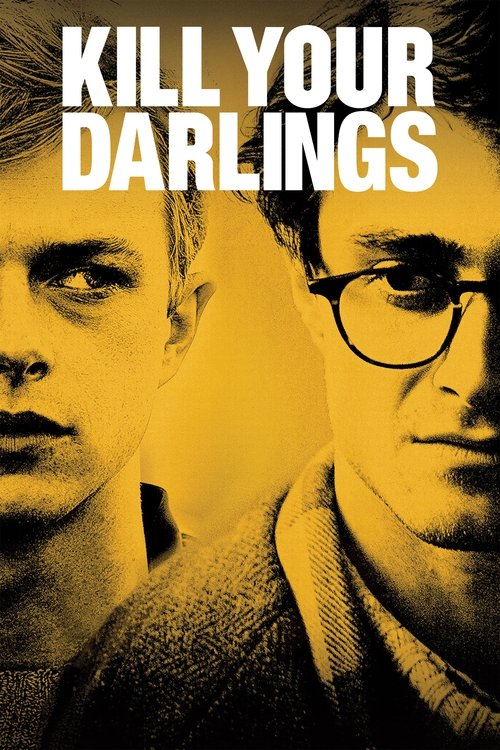
Kill Your Darlings2013
Daniel Radcliffe as Ginsberg gives a taut performance in this account of his Columbia years and the murder that shaped his worldview. Darkly compelling and sensually shot.
But It prioritizes a true-crime narrative over the poetry itself. The literary ambition takes a backseat to plot mechanics.
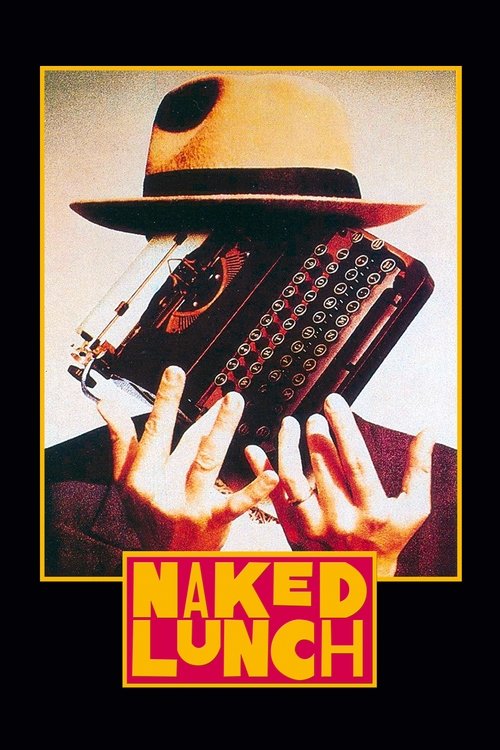
Naked Lunch1991
Cronenberg's adaptation of Burroughs is deliberately unfilmable and gorgeously obscene. If you want formalist experimentation and artistic audacity, this pushes harder than almost anything.
But It's frequently incomprehensible and genuinely uncomfortable. Queerness, addiction, and body horror are the entire texture. Not for anyone needing coherence or ease.
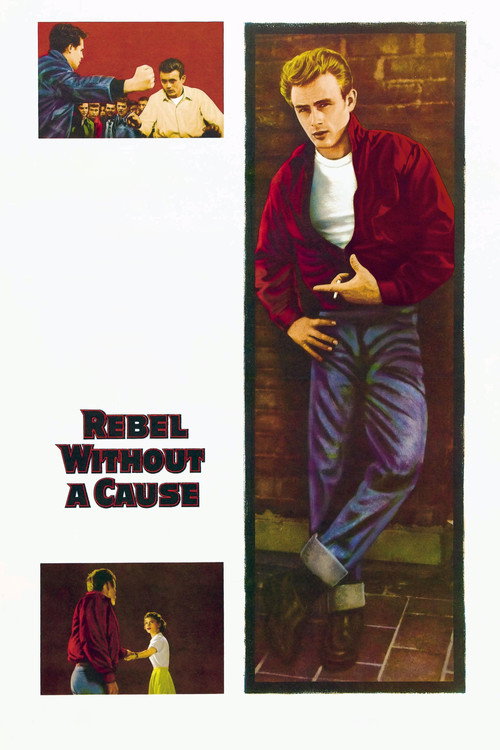
Rebel Without a Cause1955
Not technically about artists, but James Dean's restless, inarticulate desperation captured the generational mood the Beats were trying to articulate. A spiritual prequel to counterculture.
But It's a melodrama at heart, and its now-mythologized status can overshadow the film itself. Easier to revere than to actually connect with.
Moonlight2016
Both use nontraditional structure to capture artistic/sexual awakening. Both trust visual and sonic language to convey what words alone cannot. Both are love letters to transformation.
Barry Jenkins uses fragmented time, visual poetry, and queer love as a form of salvation. Like *Howl*, it's a film that understands artistic expression through the body and the image rather than explanation.
But Narrative is minimal and emotional beats are understated. If you need dialogue to follow feeling, you'll miss what the film is doing.

People
Cast
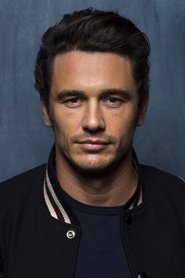 James FrancoAllen Ginsberg
- Todd RotondiJack Kerouac
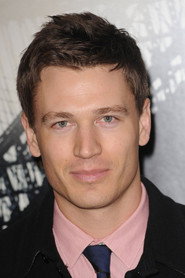 Jon PrescottNeal Cassady
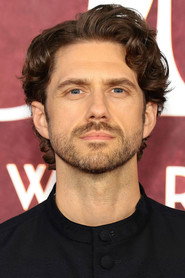 Aaron TveitPeter Orlovsky
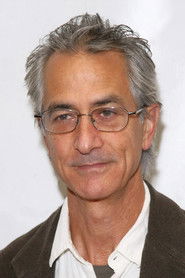 David StrathairnRalph McIntosh
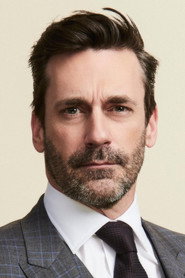 Jon HammJake Ehrlich
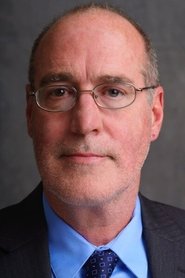 Andrew RogersLawrence Ferlinghetti
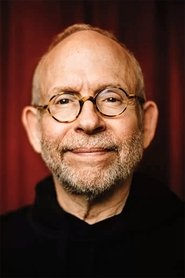 Bob BalabanJudge Clayton Horn
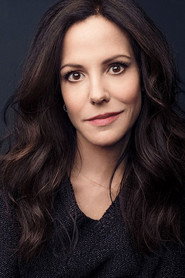 Mary-Louise ParkerGail Potter
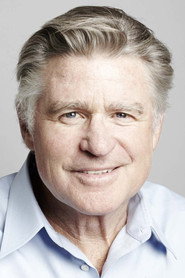 Treat WilliamsMark Schorer
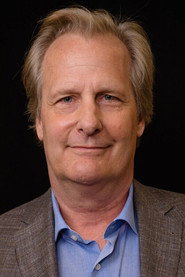 Jeff DanielsProfessor David Kirk
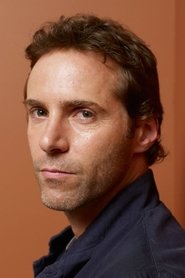 Alessandro NivolaLuther Nichols
Directing
- Jeffrey FriedmanDirector
- Rob EpsteinDirector
Writing
- Jeffrey FriedmanWriter
- Rob EpsteinWriter
Production
- Bob RosenthalAssociate Producer
- James ChanAssociate Producer
- Kelly GilpatrickAssociate Producer
- Ken BaileyAssociate Producer
- Peter HaleAssociate Producer
- Bernard TelseyCasting
- David VaccariCasting
- Tiffany Little CanfieldCasting
- Andrew PetersonCo-Producer
- Brian BensonCo-Producer
- Mark SteeleCo-Producer
- Gus Van SantExecutive Producer
- Jawal NgaExecutive Producer
- Lynn AppelleLine Producer
- Christine K. WalkerProducer
- Elizabeth RedleafProducer
- Jeffrey FriedmanProducer
- Rob EpsteinProducer