
Film
The Beat Generation
A 1959 crime film that mistakes beatnik culture for criminality. A detective pursues a serial rapist hiding in the bohemian underground after his own wife becomes a victim. It's a paranoid, lurid snapshot of mid-century moral panic—less interested in nuance than in exploiting anxieties about youth, jazz, and the counterculture. For viewers curious about how Hollywood weaponized fear.
Should you watch it?
Watch it if you get a kick out of late-fifties crime pictures, where the beatnik jazz-club atmosphere is as much the draw as the plot, and a sensational premise is played straight.
Skip it if you need a tight modern plot; this is slow to build, talky in its coffeehouse scenes, and its treatment of the subject feels dated and clumsy.
What it asks of you: Ninety-five minutes at an unhurried pace, with long stretches of talk and mood before the tension tightens, and a fairly restrained hand on its darker material.
Not sure? Find tonight's pick in a minute.
If you liked this
In a Lonely Place1950
A corrupt system and personal vendetta trap an innocent man in a noir that feels genuinely ugly and morally murky. Bogart is brilliant playing against type—angry, fragile, guilty of nothing but looking suspicious.
But Bleak and claustrophobic. There's no catharsis, no moment where justice clears the air. It ends in ash.

The Killing1956
Kubrick's debut follows a racetrack heist through fractured time and overlapping perspectives. Stylish, propulsive, and darkly funny about men destroying themselves over money they'll never spend.
But The non-linear structure can feel precious. Some scenes drag. Not as revolutionary as its reputation suggests.

The Asphalt Jungle1950
The heist film's DNA in one lean, cynical package. Huston treats the criminals as ordinary men with desperate needs, not monsters. It's the template everyone else copied.
But Pacing feels slow by modern standards. The women are functional, not written. Some plot threads dissolve unresolved.

Not sure tonight? Get a pick in a minute, starting from The Beat Generation
The wildcard
Something you would not have found on your own.
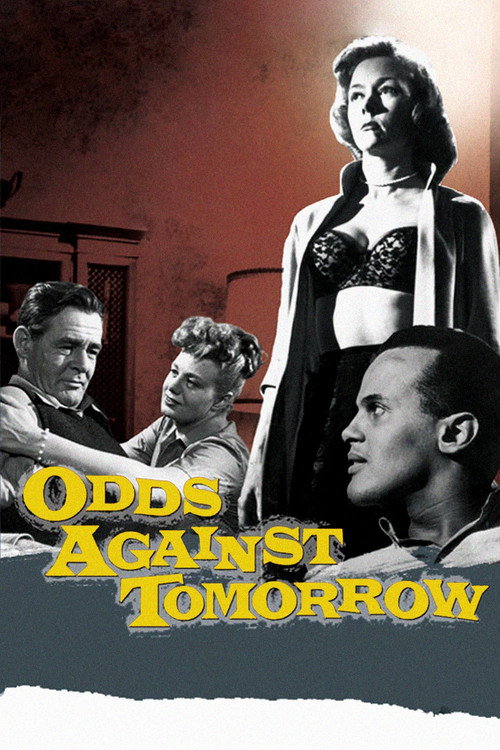
Odds Against Tomorrow1959
Both are 1959 crime films that mistake societal anxieties for character. Odds Against Tomorrow actually interrogates those anxieties instead of weaponizing them.
A heist film where racial tension isn't backdrop but fuel—three men plan a robbery and burn in the fire they light. Wise directs with moral urgency; Belafonte and Poitier electrify every scene. It's a crime film that actually says something.
But The ending is deliberately grim and offers no redemption. The social commentary can feel heavy-handed. Some viewers want escape, not a sermon.
More like this (8)
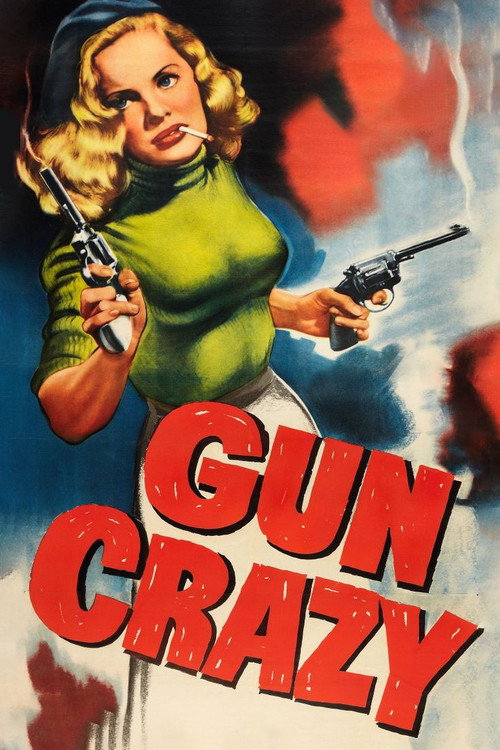
Gun Crazy1950
Young lovers rob their way across America in a film that influenced Bonnie and Clyde. Raw, kinetic, genuinely shocking for 1950—the opening car shootout is still electric.
But The lovers are clichés. The dialogue is thin. Much of it feels dated in tone, even if the energy still lands.
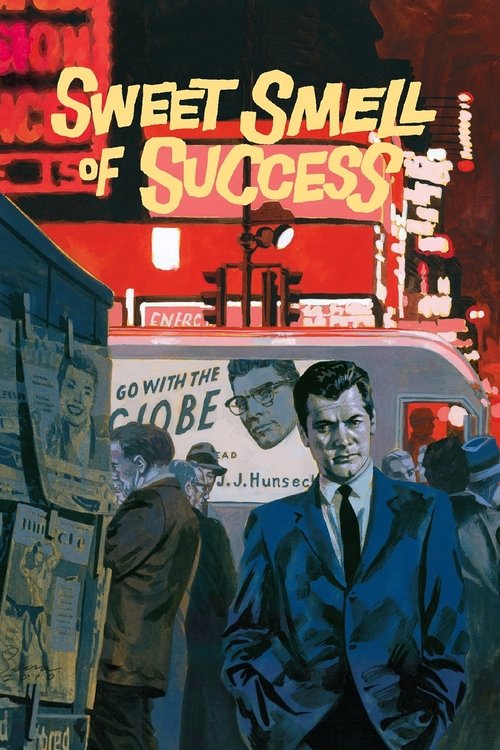
Sweet Smell of Success1957
A gossip columnist and a fixer scheme in New York nightclubs. Ornate, vicious dialogue and Bernard Herrmann's suffocating score create a moral sewer where everyone deserves what they get.
But The plot is simple. The characters are archetypes. It's all about mood and language—if that doesn't grip you, there's not much underneath.
The Killers1946
Siodmak's masterwork: two assassins track a doomed boxer. The opening sequence is perfect noir—economical, dread-soaked, inevitable. Every frame earns its place.
But The second half shifts tone and loses momentum. The femme fatale is underwritten. Some plot mechanics strain credibility.

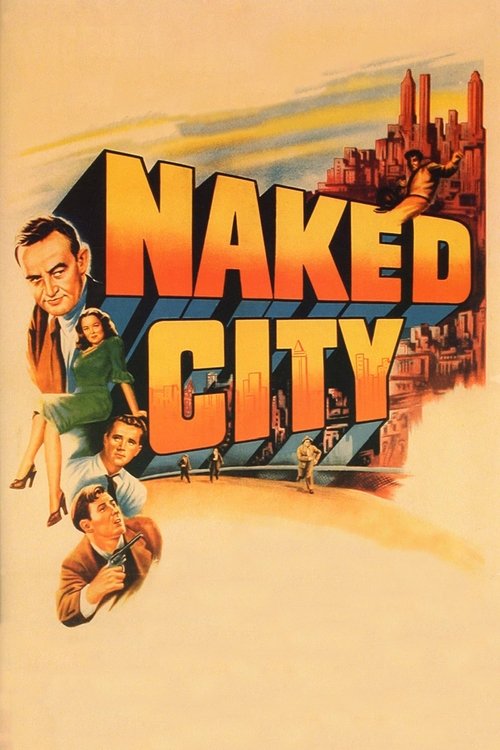
The Naked City1948
Shot on real New York streets, this detective procedural captures the city as a character—textured, exhausting, indifferent to human suffering. The murder investigation matters less than the world it reveals.
But The plot is thin and a little tedious. The final confrontation is anticlimactic. The city's novelty fades by the third act.
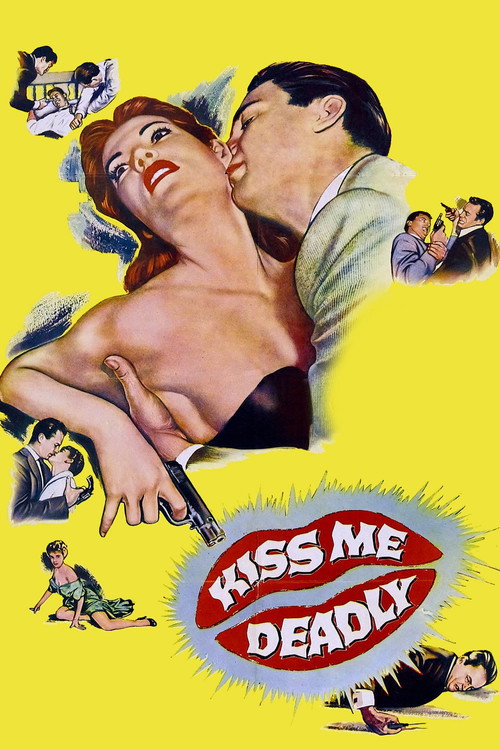
Kiss Me Deadly1955
Aldrich's nuclear-age noir is baroque and paranoid. A private eye stumbles into atomic espionage. The film is ugly, gleefully trashy, and ends with genuine apocalyptic dread.
But The misogyny is breathtaking. The plot is a mess. Some will find it fascinating trash; others will find it just trash.
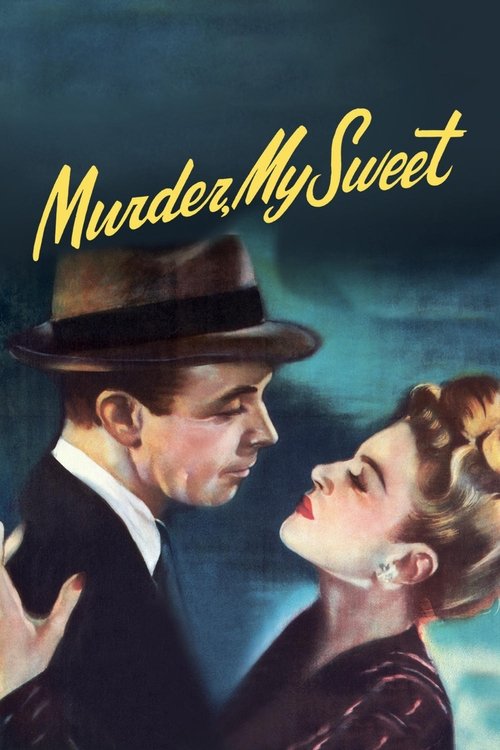
Murder, My Sweet1944
Dick Powell is a pianist-turned-detective navigating blackmail, femmes fatales, and beatings. Stylish and byzantine, with one of noir's great twist endings that recontextualizes everything.
But The plot is genuinely confusing. Powell can feel miscast. At times it prioritizes visual style over narrative clarity.
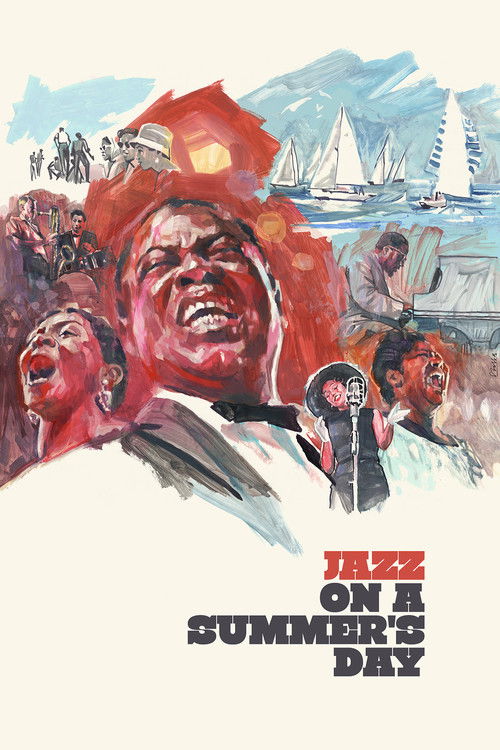
Jazz on a Summer's Day1960
The Beat Generation uses jazz and bohemia as villain; this documentary shows what that world actually was—alive, serious, irreducible to panic.
Documentary of the 1958 Newport Jazz Festival. Pure performance—Louis Armstrong, Dinah Washington, Thelonius Monk in their element. No narration, no editorializing, just musicians being extraordinary. It's the antidote to The Beat Generation's caricature of jazz culture.
But No narrative arc. If you don't care about jazz, you'll find it static. Runs just over an hour and offers nothing but music and faces.
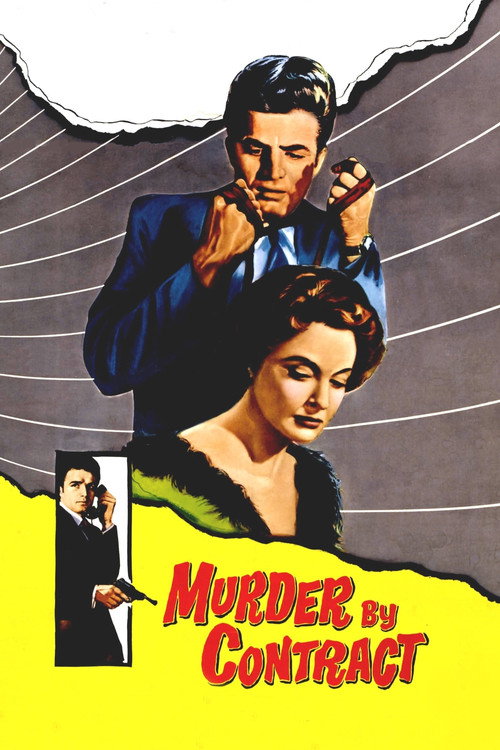
Murder by Contract1958
Both examine criminal men moving through society, but Murder by Contract abandons moral judgment entirely. It's post-noir, where The Beat Generation is still trapped in fear.
A hitman takes a contract on a woman. Schmoozed into being a minor thriller but genuinely strange—minimalist, shot in flat daylight, focused on the peculiar psychology of its protagonist. It sidesteps every noir convention.
But Virtually nothing happens. The stakes feel abstract. It's a mood film about a disaffected killer, which thrills some people and bores others.
People
Cast
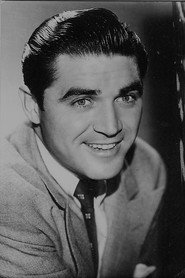 Steve CochranDave Culloran
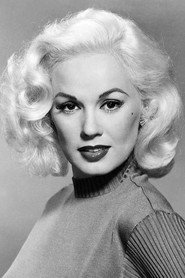 Mamie Van DorenGeorgia Altera
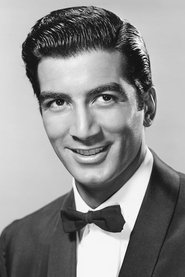 Ray DantonStanley Belmont
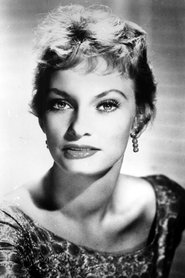 Fay SpainFrancee Culloran
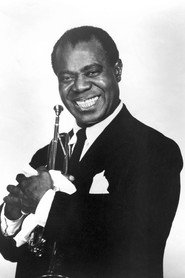 Louis ArmstrongLouis Armstrong
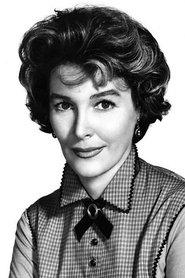 Margaret HayesJoyce Freenfield
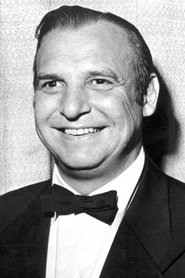 Jackie CooganJake Baron
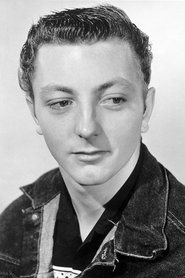 James MitchumArt Jester
- Cathy CrosbySinger
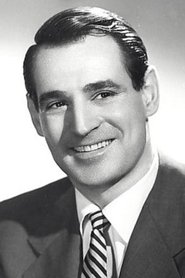 Ray AnthonyHarry Altera
- Dick ContinoSinging Beatnik
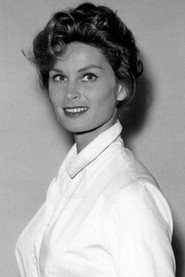 Irish McCallaMarie Baron
Directing
- Charles F. HaasDirector
Writing
- Lewis MeltzerWriter
- Richard MathesonWriter
Production
- Albert ZugsmithProducer