
Film
Look Back in Anger
Look Back in Anger is the film of Osborne's stage sensation, the play that put 'angry young man' into the language. Richard Burton plays a bitter, brilliant working-class husband taking his frustration out on everyone within reach, especially his wife. It's claustrophobic and verbally vicious, unmistakably of its moment — Britain shedding deference and finding nothing ready to replace it. Not comfortable viewing, but unforgettable.
Should you watch it?
Watch it if you love talky, stage-bound drama where the power lives in vicious, wounded dialogue and two people circling each other in a cramped flat, the kind of kitchen-sink anger that feels like a play you are eavesdropping on.
Skip it if you want plot momentum or a story that opens outward; this is almost all argument in one set, and its ninety-eight minutes can feel like a long, bitter row you cannot leave.
What it asks of you: Patience with static rooms and sharp, repetitive quarrels. It moves by accumulation rather than incident, so its pleasures arrive slowly and its cruelty lingers, with little relief.
Not sure? Find tonight's pick in a minute.
If you liked this
Room at the Top1958
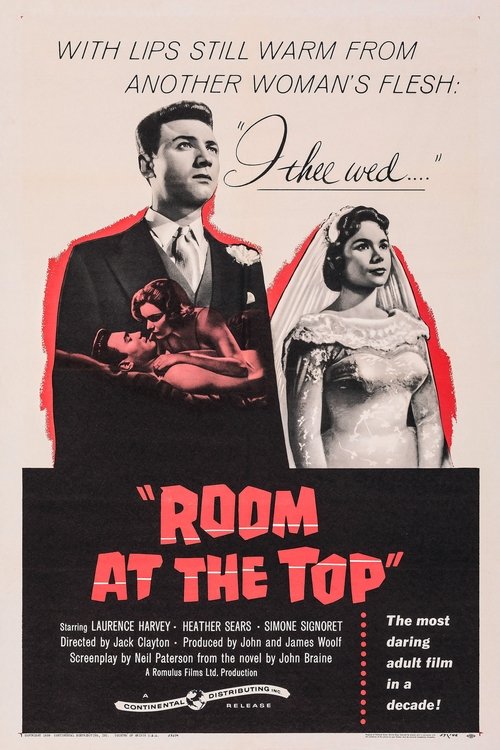
Made the same year, from the same wave of British writing that couldn't stand still for the establishment any longer — Laurence Harvey's ambitious, resentful climber is Jimmy Porter's cousin with a different strategy: he wants in rather than out.
But The cynicism is colder and more calculated than Porter's raw fury; less shouting, more scheming.
Saturday Night and Sunday Morning1960
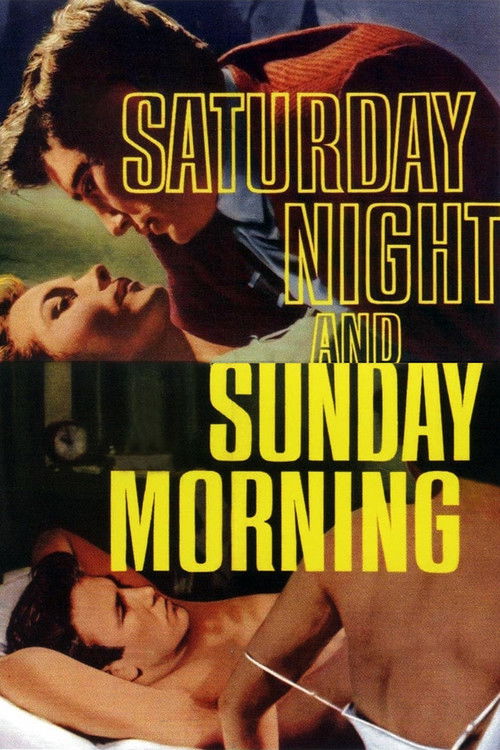
Albert Finney's factory-floor rebel is the era's other great angry young man, funnier and more physical than Burton's Jimmy but running on identical fuel: contempt for a life that's already been decided for him.
But Its rebellion is more youthful swagger than marital cruelty, lighter on the domestic wreckage this one specialises in.
Who's Afraid of Virginia Woolf?1966
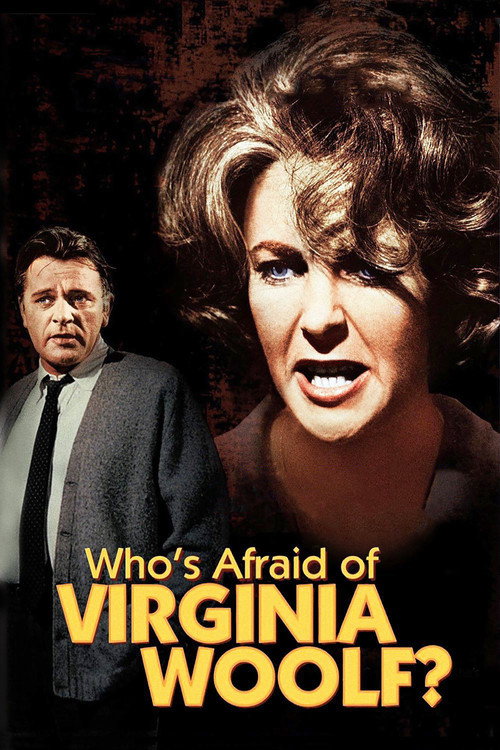
If you came for the marriage as a blood sport, here's the American heavyweight bout — Burton again, paired with Taylor, in verbal combat even nastier and funnier than anything Osborne wrote.
But It trades British class anger for American academic bitterness; the target of the rage is different, even if the tactics aren't.
Not sure tonight? Get a pick in a minute, starting from Look Back in Anger
The wildcard
Something you would not have found on your own.
Love on the Dole1941
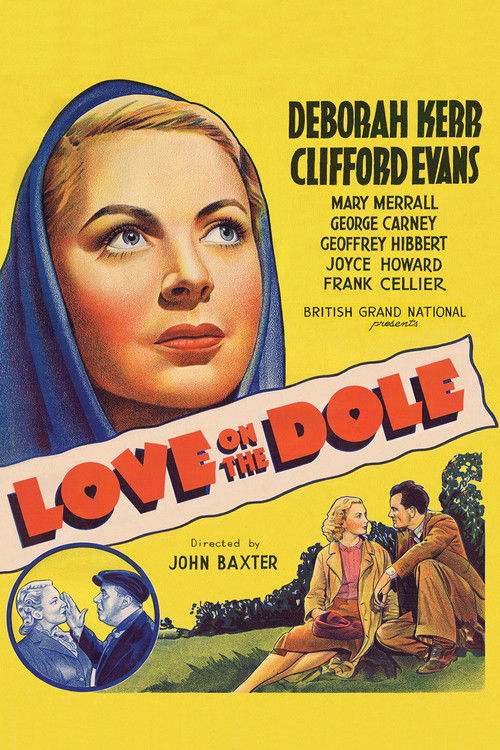
It's the British working-class drama doing 'kitchen sink' rage nearly two decades before the term existed, showing exactly where Osborne's fury actually came from.
Made under wartime austerity, it dramatizes the same Depression-era class fury that curdled into Jimmy Porter twenty years later — proof the 'angry young man' was angry long before he had a name.
But Its politics are more direct and its style more theatrical than the cool cynicism of the 1959 New Wave — sincerer, less ironic.
More like this (8)
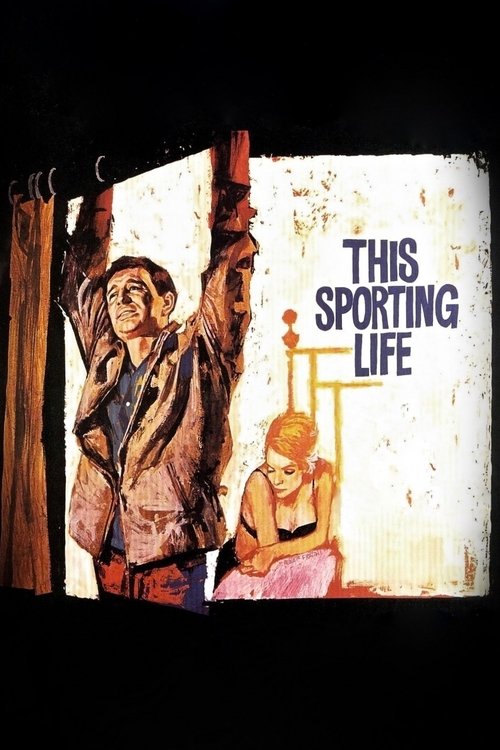
This Sporting Life1963
Richard Harris channels the same inarticulate male fury into a rugby player who can't translate his violence into anything that makes him happy — kitchen-sink cinema at its most physically raw.
But Slower and bleaker, with less of Osborne's cruel wit to leaven the misery.
A Taste of Honey1961
Same movement, same grimy northern realism, but told from the other side of the kitchen sink — a pregnant teenage girl instead of an aggrieved husband, and far more tender for it.
But Gentler and more hopeful than Osborne's marriage; if you wanted more Jimmy Porter, this won't give it to you.

The Servant1963
Pinter's script turns class resentment into something closer to horror — a manservant quietly dismantling his employer's life is Jimmy Porter's grudge with patience and a plan instead of a raised voice.
But Cooler and more controlled; the anger here is a slow poison, not a shout across the breakfast table.

Billy Liar1963
The same Northern frustration, same crumbling old order, but Tom Courtenay's fantasist copes by lying to everyone rather than tearing them apart — a lighter, funnier cousin to Jimmy Porter's rage.
But Whimsical where Look Back in Anger is savage; if you want the venom, this one pulls its punches.

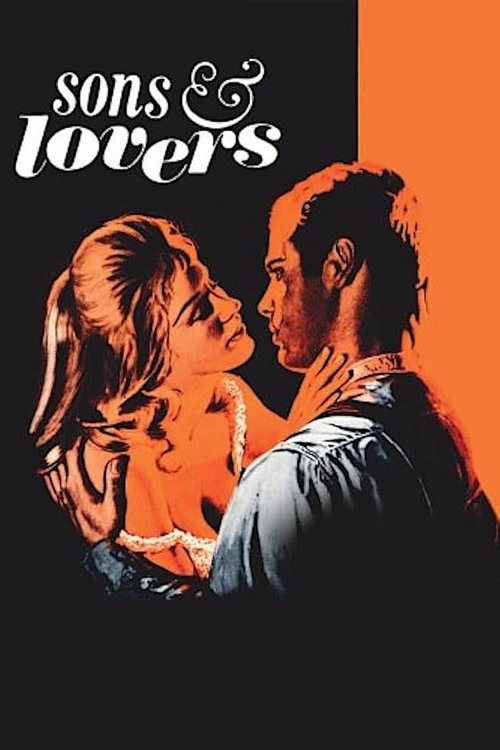
Sons and Lovers1960
D.H. Lawrence's mining-town drama got there first in spirit — a working-class young man suffocated by his mother's love and his own ambitions, wrestling with the class ceiling above him.
But More classical and stately in its filmmaking, with none of Osborne's contemporary sneer or theatrical bile.
Kes1970
A decade on, Ken Loach applies the same unsparing eye to a working-class kid and his kestrel — proof the anger curdled into something quieter, sadder, and just as devastating.
But A child's story rather than a marriage's, and its anger is systemic rather than personal — no Jimmy Porter here to blame.

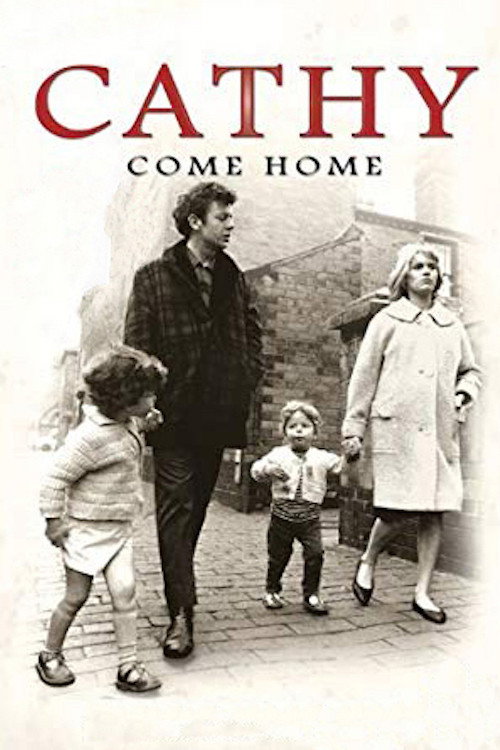
Cathy Come Home1966
Same lineage of British social-realist rage, but made for television as quasi-documentary — the anger Osborne staged in a bedsit, Loach staged as a national indictment.
Ken Loach's BBC play used documentary technique to turn one woman's descent into homelessness into a genuine national scandal — the kitchen-sink formula pushed toward outright political fury.
But There's no Jimmy Porter wit here at all — it's stripped of irony and built entirely to make you angry on someone else's behalf.
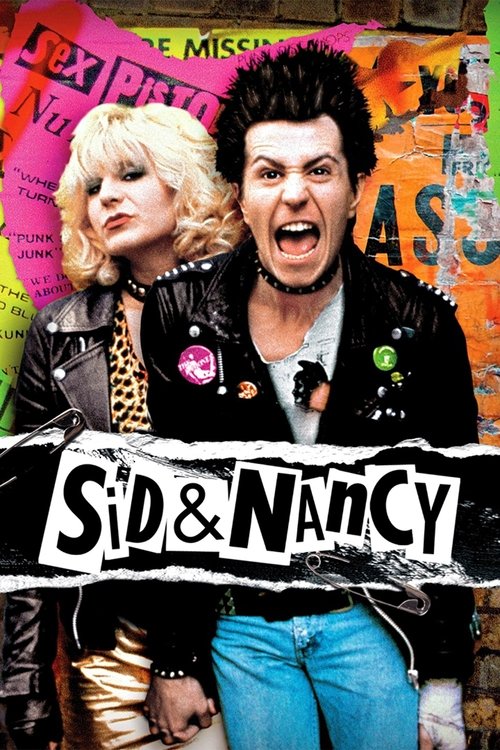
Sid and Nancy1986
Take Jimmy Porter's contempt for the middle class and his cruelty toward the woman who loves him, drag it forward twenty years, and dress it in leather — that's Sid Vicious.
Gary Oldman's Sid Vicious is Jimmy Porter's toxic-marriage routine relocated to punk London — same self-destructive charisma, same partner absorbing the damage, just louder and filthier.
But Much trashier and more nihilistic, with none of Osborne's literary polish — this is rage as spectacle, not rage as argument.
People
Cast
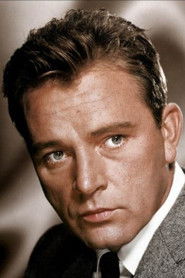 Richard BurtonJimmy Porter
 Claire BloomHelena Charles
 Mary UreAlison Porter
 Edith EvansMrs. Tanner
 Gary RaymondCliff Lewis
 Glen Byam ShawColonel Redfern
 George DevineDoctor
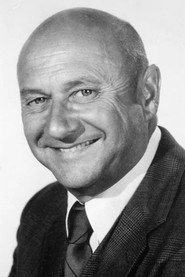 Donald PleasenceHurst
 Phyllis Neilson-TerryMrs. Redfern
- Jane EcclesMiss Drury
- S.P. KapoorKapoor
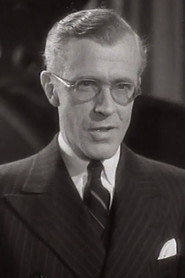 Walter HuddActor
Directing
- Tony RichardsonDirector
Writing
- Nigel KnealeScreenplay
- Frederick GotfurtScript Editor
- John OsborneTheatre Play
Production
- Robert LennardCasting Director
- Gordon ScottProducer
- Harry SaltzmanProducer
- Alfred W. MarcusProduction Manager
Recommended by
This Sporting Life, Saturday Night and Sunday Morning, A Kind of Loving, Room at the Top, The Entertainer, Poor Cow, Sympathy for the Devil, In Celebration, Staircase, Sparrows Can't Sing, 3 Into 2 Won't Go, A Room for Romeo Brass