
Film
Cathy Come Home
Ken Loach's 1966 BBC play is often credited with changing British housing law within weeks of broadcast. Shot like a documentary, scored with cold statistics read in voiceover, it follows one family's slide from cheerful young marrieds into homelessness and separation. It's blunt, unglamorous, and still winds people up fifty-odd years on — essential rather than comfortable viewing.
If you liked this
I, Daniel Blake2016
Loach again, decades later, aiming the same fury at a different bureaucracy — the benefits system instead of the housing office. Just as plain, just as devastating, and just as likely to make you shout at a screen.
But If Cathy already wrung you out, this is more of the same medicine — no lighter, no less angry.

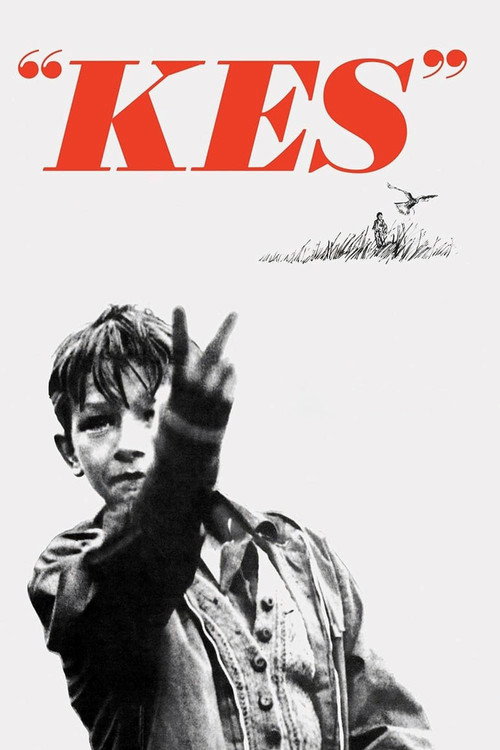
Kes1970
Loach's other early masterpiece, this time about a boy and a kestrel rather than a family and a housing office, but the same unsentimental eye for class and institutional failure runs right through it.
But Slower and quieter than Cathy — its power builds through accumulation rather than crisis, so it can feel undramatic if you want another gut-punch.
Ladybird Ladybird1994no page yet
Loach returns to almost exactly Cathy's territory — a mother, social services, children taken away — but with a rawer, angrier lead performance from Crissy Rock that makes the earlier film look almost restrained.
But Even bleaker than Cathy, with less of the newsreel detachment; it sits closer to melodrama and can feel relentless.
The wildcard
Something you would not have found on your own.
Housing Problems1935no page yet
Loach's docudrama technique — real testimony dressed as fiction — has a direct ancestor here; this is the film that proved ordinary people talking plainly to camera could be more devastating than any actor.
A 16-minute documentary shot thirty years before Cathy, in which actual slum-dwellers speak straight into the camera about damp walls and bedbugs — one of the first films ever to let the poor narrate their own poverty.
But Primitive and short by modern standards, with none of Cathy's dramatic shape — it's a historical document more than an evening's entertainment.
More like this (8)
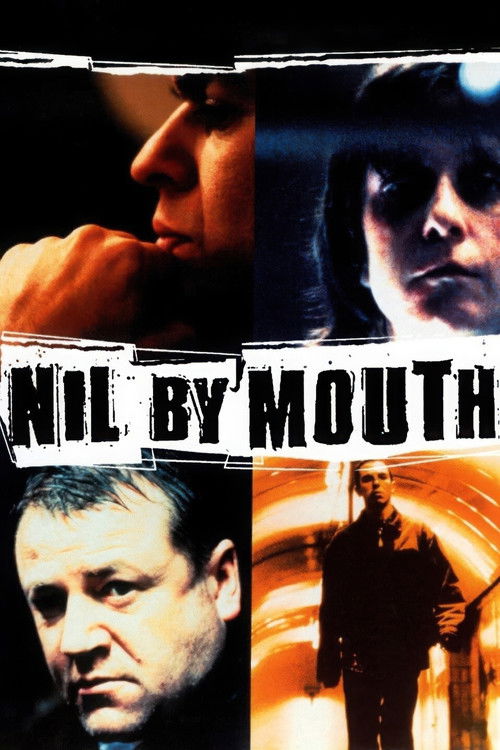
Nil by Mouth1997
Gary Oldman's directing debut trades homelessness for addiction and domestic violence but has the same commitment to unvarnished South London life, filmed with the same refusal to look away.
But Rougher and more violent than Cathy, with dialogue so thick with slang some viewers reach for subtitles.
Fish Tank2009
Andrea Arnold picks up the council-estate realism thread decades on, with a teenage girl instead of a young mother, and the same sense that poverty forecloses options long before anyone makes a bad decision.
But More interested in one girl's inner life than in systems and institutions — less overtly political than Cathy.

Sorry We Missed You2019
Loach updates the machine that grinds families down for the gig economy — zero-hours contracts and delivery vans instead of council waiting lists — with the same documentary plainness and moral clarity.
But The bureaucracy has changed shape but the despair hasn't lifted an inch; expect no more comfort than Cathy offered.

Up the Junction1965no page yet
Loach's own dry run for Cathy, made the year before, following working-class women in Battersea through romance, work and an illegal abortion with the same fractured, documentary-style editing.
But Rougher and less focused than Cathy — it's a sketch for the technique rather than its fullest expression.
The Selfish Giant2013no page yet
Clio Barnard finds Cathy's world thirty years on in Bradford, following two boys scrapping metal to survive, with the same eye for how poverty narrows a life until there's no good way out.
But Its symbolism and slightly fable-like structure are a step further from documentary realism than Cathy ever took.
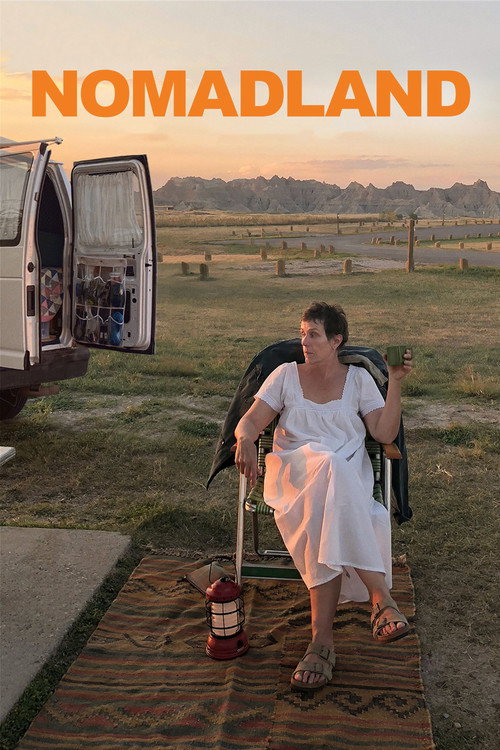
Nomadland2021
American, gentler, and shot like a widescreen elegy rather than a news report, but it's still about a woman pushed out of a house and into precarious living by forces bigger than her.
But Far more contemplative and visually beautiful than Cathy — it soothes where Cathy is built to unsettle.
Nobody Knows2004
Swap the mother's exhaustion for the mother's absence and you get the same question Cathy asks: what happens to children when the systems meant to catch them simply don't look.
A Japanese film, based on a true case, about four siblings left to fend for themselves after their mother disappears — the same quiet horror of children falling through every institutional gap, told with heartbreaking patience.
But Nearly two and a half hours of slow, accumulating dread with almost no adult authority figures — a very different rhythm to Cathy's brisk 75 minutes.

Shameless2011
Same postcode, same institutions, same precarious family life Cathy depicts — but the register is flipped entirely, showing how differently the story lands when it's told with a wink instead of a wound.
A Manchester council estate, a chaotic family, social workers circling — but played as riotous comedy-drama rather than tragedy, proving the same material can be shouted through a laugh instead of a sob.
But Its raucousness and dark comic energy could feel like it's making light of exactly what Cathy took so seriously.

People
Cast
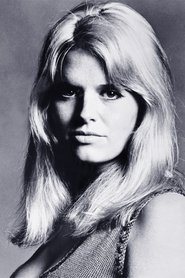 Carol WhiteCathy Ward
 Ray BrooksReg Ward
 Wally PatchGrandad
- Adrienne FrameEileen
- Winifred DennisMrs. Ward
- Emmett HennessyJohnny
- Alec ColemanWedding Guest
 Geoffrey PalmerProperty Agent
 Gabrielle HamiltonWelfare Officer
- Phyllis HicksonMrs. Alley
- Frank VeaseyMr. Hodge
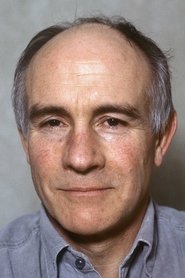 Barry JacksonRent Collector
Directing
- Ken LoachDirector
Writing
- Ken LoachScreenplay
- Jeremy SandfordStory
Production
- Tony GarnettProducer
Recommended by
The Royle Family, Rising Damp, Nil by Mouth, Boys from the Blackstuff, 56 Up, Wuthering Heights, Love on the Dole