
Film
Up the Junction
Other titles called Up the Junction: the 1965 film.
A young woman abandons her privileged life for a grimy South London flat, discovering a world of working-class women navigating love, abortion, and survival with blackly comic resilience. Raw and unflinching, it captures a specific moment—1968—when class and gender collided with particular force. For anyone drawn to social realism with teeth and a refusal to sentimentalize poverty.
If you liked this
Kes1970
A boy and his hawk in a Yorkshire mining town. Ken Loach's debut is social realism at its most tender and furious, documenting a childhood where love means everything and the system offers nothing.
But Bleak in ways that feel deliberate rather than cathartic. A film that ends with genuine cruelty, not redemption.

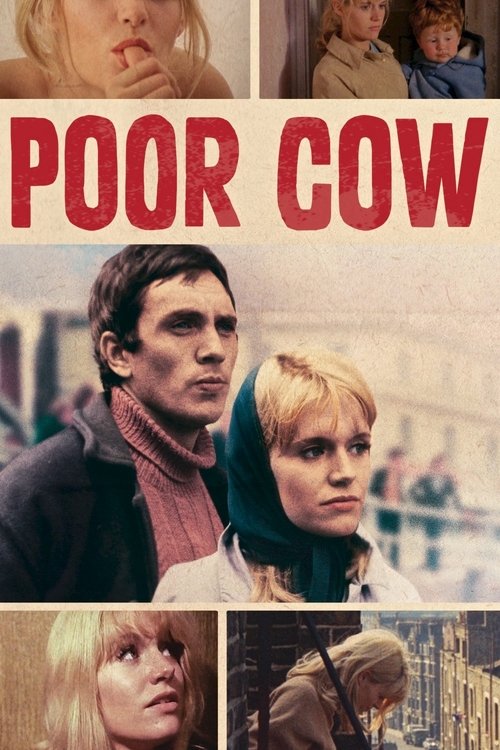
Poor Cow1967
A young woman and her child drift through London's underworld, surviving on luck and damage. Loach again—loose, intimate, shot like a documentary but alive with genuine feeling for its subject.
But Plotless by conventional standards. If you need narrative momentum, this will test your patience.
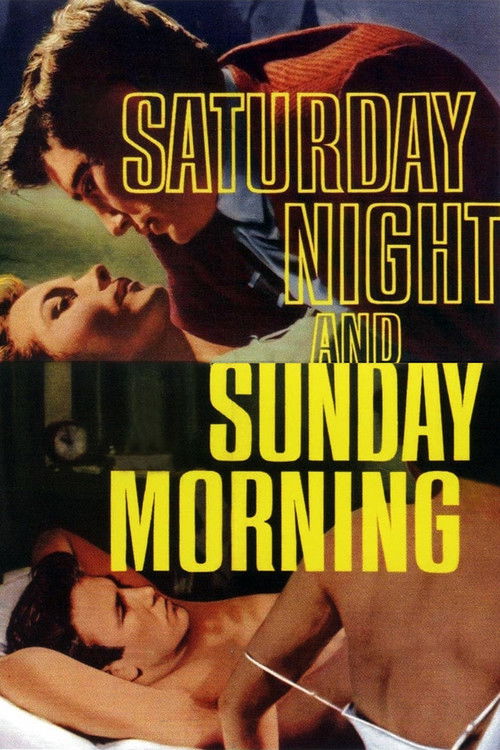
Saturday Night and Sunday Morning1960
A factory worker in Nottingham, beer and sex and small rebellions, but alive to the trap closing around him. Albert Finney at his most feral. British New Wave at its absolute peak.
But The sexual politics are of their era—a woman's agency isn't the film's priority, and that shows.
Not sure tonight? Get a pick in a minute, starting from Up the Junction
The wildcard
Something you would not have found on your own.
I've Heard the Mermaids Singing1987
Both documents marginal lives (working-class women, queer working-class woman) with genuine affection and without condescension. Both refuse to punish their characters for existing outside the mainstream.
A socially awkward temp in Toronto finds love and a kind of belonging through art and friendship. Donna Deitch's film is gently, radically kind—it treats its protagonist's queerness and isolation as sources of depth, not tragedy. Like Up the Junction but suffused with magic and tenderness instead of grimness.
But Low-budget and visibly so. The playfulness—super-8 sequences, fourth-wall breaks—won't read as innovative if you're not in its particular frequency.

More like this (6)
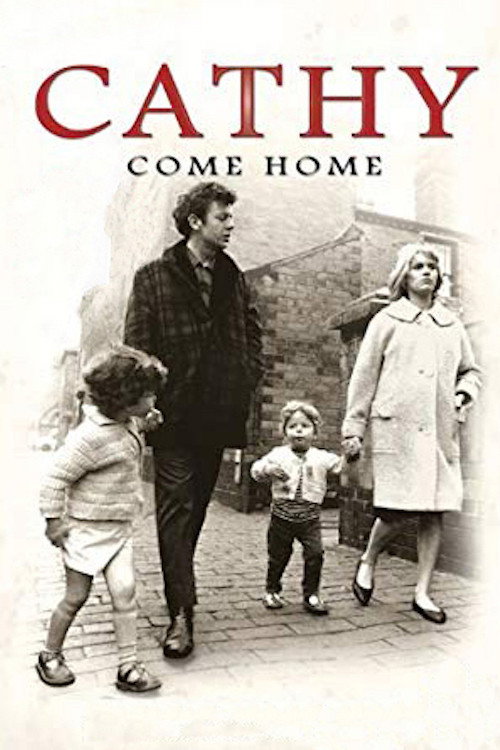
Cathy Come Home1966
A couple's slide into homelessness, shot like a documentary, devastating in its ordinariness. Loach again—this Kathy Bates role (well, similar idea) made British audiences actually angry at the state.
But Deliberately shapeless and punishing. Designed to make you uncomfortable, and it succeeds completely.
A Taste of Honey1961
A young woman in Manchester, pregnant and alone, finds an unexpected tenderness with a gay art student. Funny, sad, strange—it moves between registers like real life does, and treats its characters with genuine grace.
But Dated slang and attitudes. The accommodation of homosexuality, while radical, reads differently now.

This Is England2007
A boy joins a skinhead gang in the 1980s; Shane Meadows traces how belonging curdles into something uglier. Contemporary but captures the same working-class texture and the seduction of tribe.
But Brutal and occasionally exploitative. The violence isn't background—it's the point, which some find exhausting.

Mona Lisa1986
A man released from prison becomes a taxi driver for a sex worker; Neil Jordan finds noir in London's margins. Stylish, funny, and genuinely strange—a portrait of connection across damage.
But Shifts tone unpredictably. Some sequences feel like they belong in a different film; that's intentional, but it won't work for everyone.

In the Mood for Love2000
Two neighbours in 1960s Hong Kong discover their spouses are having an affair. Wong Kar-wai, all colour and composition and longing—utterly different from Up the Junction but identical in its hunger for class texture and human detail.
But Glacially slow. If you're watching for plot, you will die. The film is about stillness and the spaces between words.

Fish Tank2009
A violent, talented girl in East London dreams of joining a dance crew. Andrea Arnold's cinema is raw and sensory—she watches working-class life without flinching or explaining it away.
But Contains genuine assault and depiction of abuse. Difficult to sit with, and it doesn't apologize for that difficulty.

People
Cast
 Suzy KendallPolly
 Dennis WatermanPete
 Maureen LipmanSylvie
 Adrienne PostaRube
 Liz FraserMrs. McCarthy
- Linda ColePauline


- Ruby HeadEdith
 Susan GeorgeJoyce
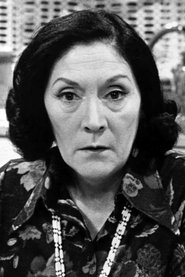 Queenie WattsMrs. Hardy
Directing
- Michael DryhurstAssistant Director
- Doreen DearnaleyContinuity
- Peter CollinsonDirector
Writing
- Nell DunnNovel
- Roger SmithScreenplay
Production
- Harry FineAssociate Producer
- Robert LennardCasting
- Anthony Havelock-AllanProducer
- John BrabourneProducer
- Ned SherrinProducer
- David GriffithProduction Manager
Recommended by
A Kind of Loving, The Big Flame, The L-Shaped Room, The Reckoning