
Film
Up the Junction
Other titles called Up the Junction: the 1968 film.
A vivid snapshot of working-class life in 1960s South London, following three young women navigating love, work, and independence in Battersea's pubs and factories. Shot with documentary immediacy, it captures the texture of ordinary lives with unflinching honesty. Essential for anyone interested in how British cinema saw its own people.
If you liked this
Kes1970
Ken Loach's masterpiece about a working-class boy and his hawk, filmed with the same gritty realism and deep sympathy for ordinary lives that animates Up the Junction. The texture of post-industrial Britain feels true.
But It's relentlessly bleak and the ending will stay with you uncomfortably. Not a film that offers easy consolation.

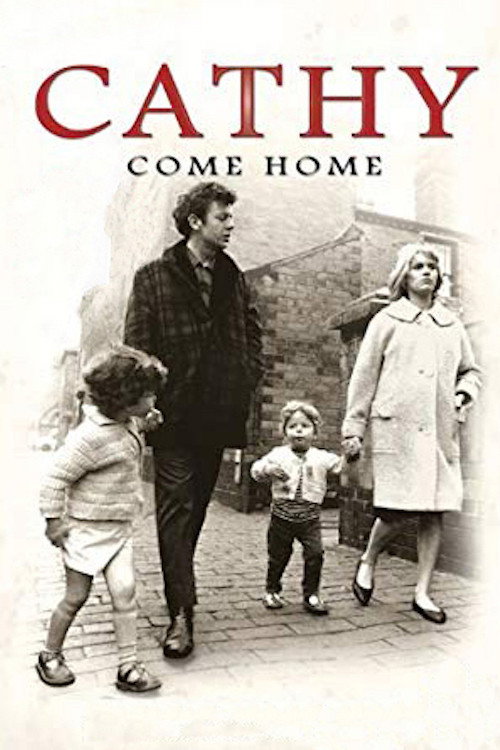
Cathy Come Home1966
A BBC Play for Today that sparked national outrage about homelessness. Made in the same moment as Up the Junction, it shares that raw, handheld authenticity and the belief that television could change how people see their neighbours.
But The social realism is heavy-handed by modern standards. It wears its message very visibly, and the drama can feel like a vehicle for it rather than the other way around.
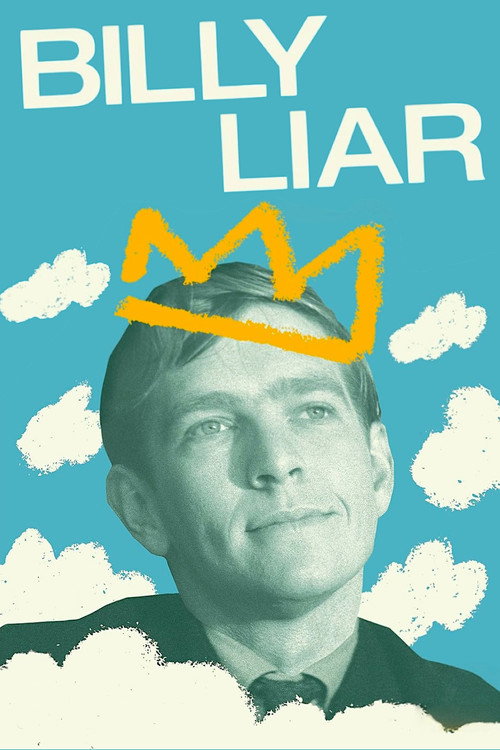
Billy Liar1963
Tom Courtenay and Julie Christie in a film about escape and stagnation in the provinces. Like Up the Junction, it captures the texture of post-war Britain with affection and comedy, and understands why young people feel trapped.
But It's a bit mannered—the fantasy sequences feel dated now, and the sentimentality can overwhelm the sharper observations about class and aspiration.
Not sure tonight? Get a pick in a minute, starting from Up the Junction
The wildcard
Something you would not have found on your own.
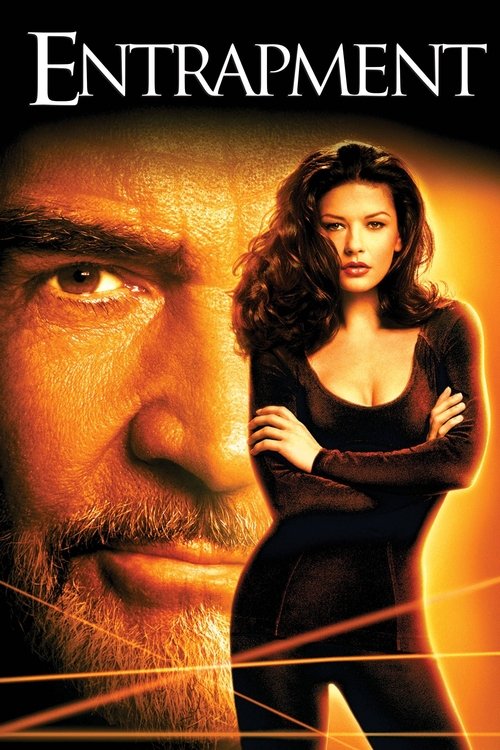
Entrapment1999
Both films believe that ordinary lives contain genuine drama and real stakes. The settings and voices feel identical; only the genre has changed.
A low-budget British film about a woman trying to escape a dead-end life by attempting robbery. It shares Up the Junction's eye for working-class detail and understands the claustrophobia of having no way out, but approaches it as a crime film rather than social drama.
But It's genuinely obscure and patchy—the production values are thin and the plot mechanics sometimes collapse. You're watching for mood and authenticity, not craft.
More like this (8)
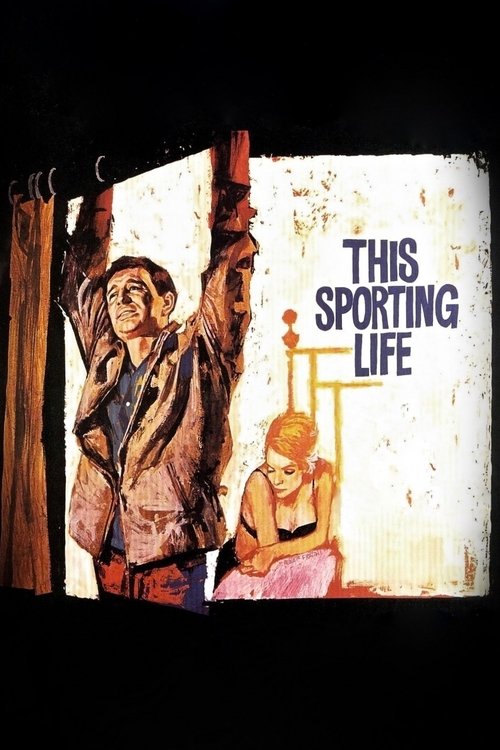
This Sporting Life1963
Richard Harris in a brutal, unsentimental look at working-class masculinity and desire. Shot in black and white in industrial Yorkshire, it shares Up the Junction's commitment to showing ordinary lives without flinching.
But It's genuinely grim—sex and violence without romance. The protagonist is difficult to like, which is rather the point, but that can feel like a slog.
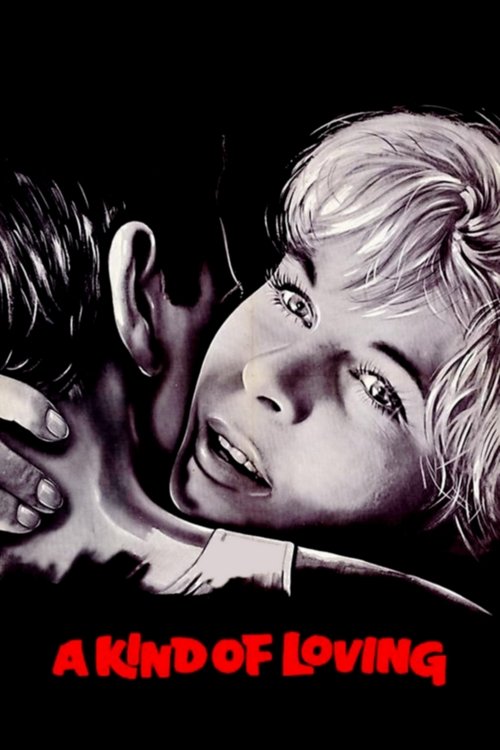
A Kind of Loving1962
Alan Bates and June Ritchie in a story about young love and the constraints of family and class. It has the same affectionate eye for detail and the same realistic view of what passion runs up against in ordinary life.
But The gender politics are dated in ways that can feel suffocating. The film doesn't critique them; it reproduces them, which matters.
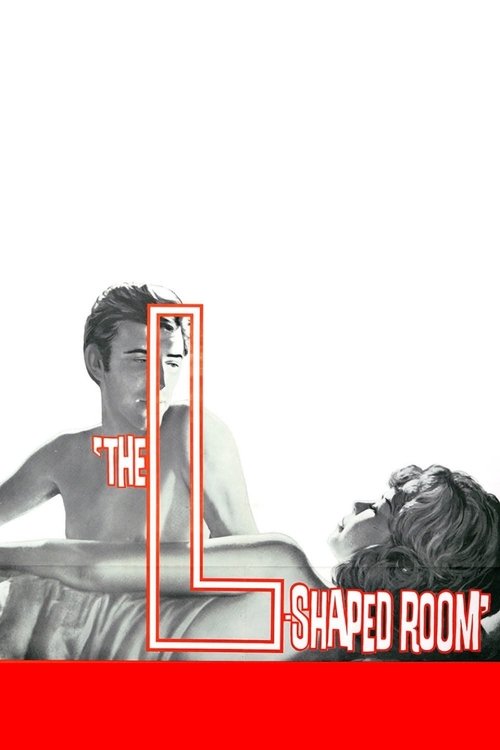
The L-Shaped Room1962
Leslie Caron as a pregnant woman in a London boarding house, surrounded by misfits and dreamers. A gentler film than Up the Junction but with the same interest in how people actually live and what they want from each other.
But It's a bit sweet and morally tidy. The film wants you to feel good about its characters in ways that can feel unearned.
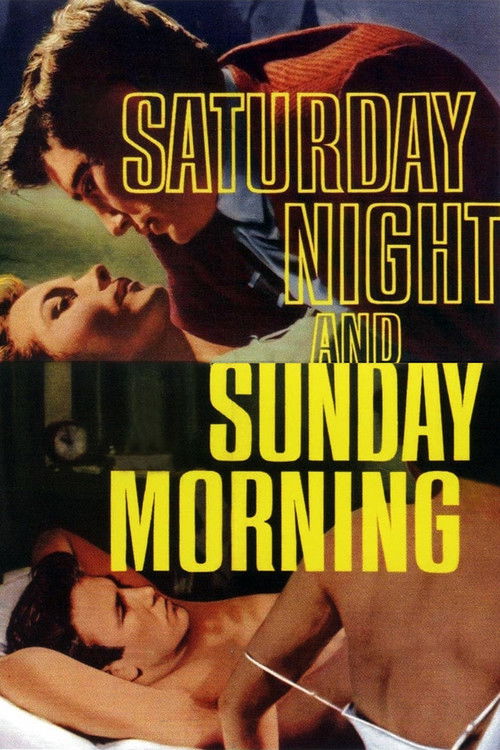
Saturday Night and Sunday Morning1960
Albert Finney as a factory worker in Nottingham, angry and alive. It's the granddad of this whole movement—the film that showed British cinema it could look at working-class life without apology or condescension.
But It's more of a landmark than a pleasure to watch now. The anger feels historical rather than immediate, and the film sometimes gets in love with its own iconoclasm.
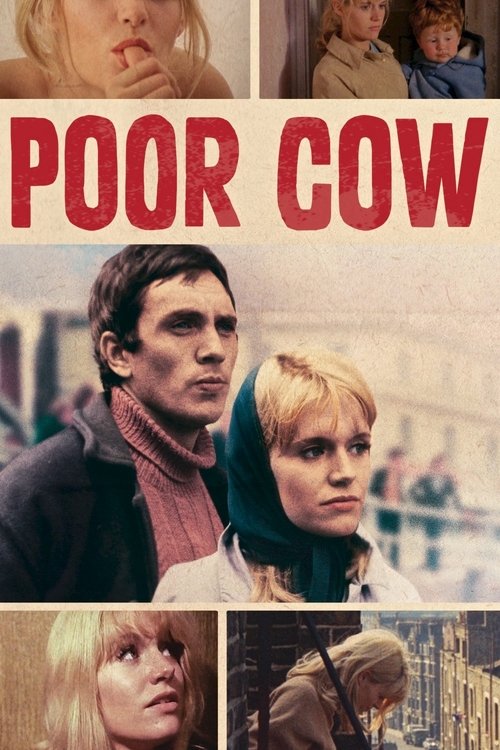
Poor Cow1967
Ken Loach again, this time following a young woman through petty crime and casual relationships in London. Raw, hand-held, and genuinely interested in what it feels like to be powerless and young and trying to survive.
But It refuses to resolve anything or offer moral judgment, which is honest but can feel aimless. Some viewers find it depressing rather than moving.
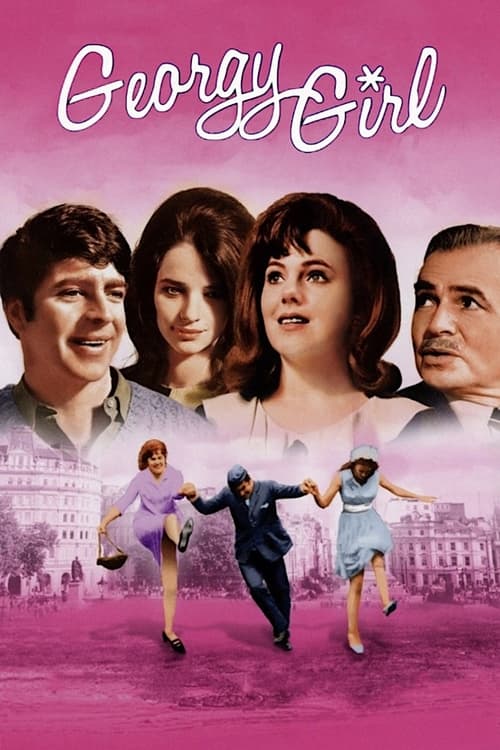
Georgy Girl1966
The flip side of Up the Junction—a film about working-class life that wants to be fun and optimistic. Charlotte Rampling is wonderful, and the film has genuine affection for its characters' messy lives and small rebellions.
But It's much lighter and breezier than Up the Junction, which can feel glib next to that film's seriousness. Some of the comedy lands awkwardly now.
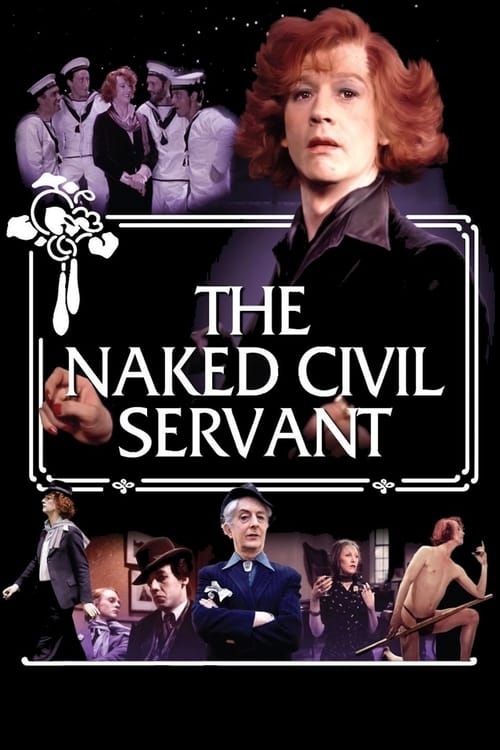
The Naked Civil Servant1975
Both are interested in how people survive on the margins of society with dignity intact. One celebrates community, the other documents radical isolation. Mirror images.
John Hurt as Quentin Crisp in a television film about a queer outsider navigating 1950s London. Like Up the Junction, it's shot with documentary realism and deep interest in how people actually live, but it's the story of someone truly alone rather than embedded in community.
But It's utterly depressing—a film about rejection and hardship with no consoling friendships. The tone is much colder than Up the Junction's warmth.
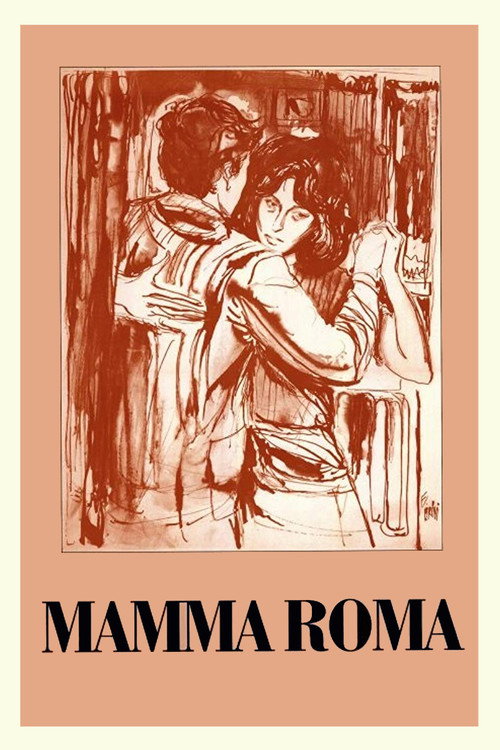
Mamma Roma1962
Both films understand that working-class dignity is real and deserves cinema of equal seriousness. Both are portraits of women trying to live on their own terms against the pressure of circumstance and judgment.
Pier Paolo Pasolini's film about a former sex worker trying to build a legitimate life in Rome with her son. Italian neorealism at its most tender and most devastating—it sees working-class life with the same unsentimental affection as Up the Junction but through a very different lens.
But It's in Italian and requires subtitles. More importantly, it's a Pasolini film—formally ambitious, sometimes cryptic, and deeply sad. It doesn't offer the warmth or humour of Up the Junction.
People
Cast
 Carol WhiteSylvie
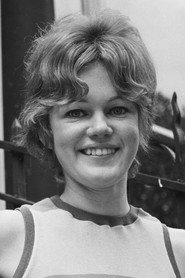 Vickery TurnerEileen
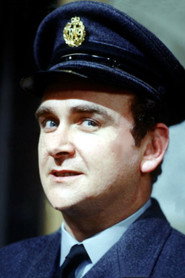 Tony SelbyDave
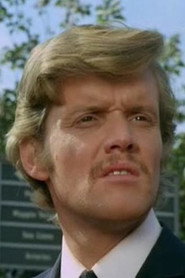 Michael StandingTerry
- Ray BarronRon
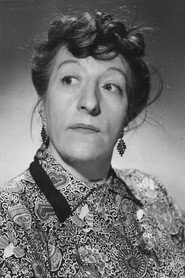 Rita WebbMrs Hardy
- Hilda BarryOld May
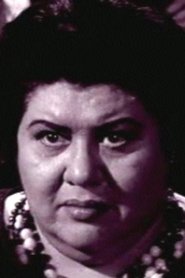 Jessie RobinsFat Lil
- Pauline HalfordAt the dance
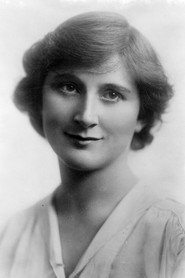 Elizabeth ValentineAt the dance
- Ronald AlexanderAt the dance
Directing
- Ken LoachDirector
Writing
- Tony GarnettStory Editor
- Nell DunnWriter
Production
- James MacTaggartProducer