
Film
Mamma Roma
- Social drama
- Very dark
Pier Paolo Pasolini's 1962 masterpiece follows a former prostitute attempting respectability and reconnection with her abandoned son in post-war Rome. It's unflinching and tender, shot with documentary precision but charged with spiritual anguish. A film about class, shame, and the impossibility of escape—devastating and humanizing in equal measure.
Should you watch it?
Watch it if you want a hard, unsentimental portrait of the city's poor, told through one fierce performance, where a stubborn woman's hunger for respectability matters more than plot.
Skip it if you need brisk storytelling or a tidy moral arc, since it moves slowly through long, grim stretches and rarely softens its harshness for comfort.
What it asks of you: Settle into a 110-minute stretch of slow, dense scenes and a mood that stays heavy from start to finish, with few breaks for relief.
Not sure? Find tonight's pick in a minute.
If you liked this
Umberto D.1952
Vittorio De Sica's portrait of an elderly pensioner and his dog surviving Rome's indifferent streets. Like Mamma Roma, it finds dignity and love in poverty, and refuses sentimentality about economic despair.
But The pacing is glacial and deliberately unglamorous. Nothing dramatic happens; the film is about the weight of accumulating small humiliations.

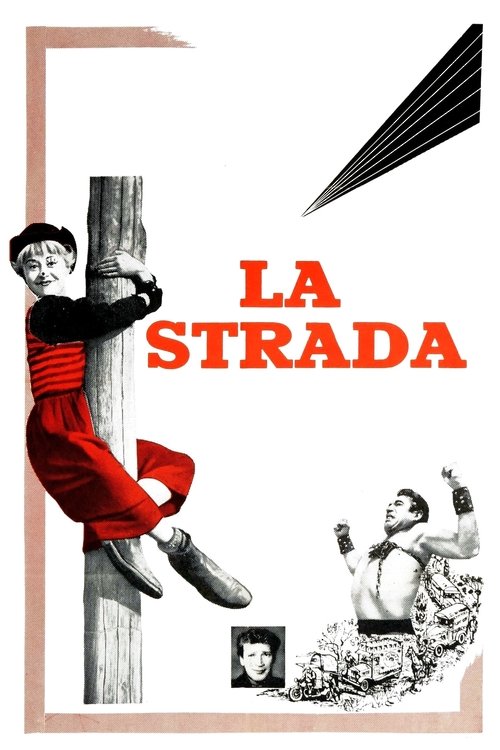
La Strada1954
Fellini's heartbreaking film about a young woman sold to a street performer. Both films center women trying to escape brutal circumstances and finding unexpected grace. Visually sumptuous where Pasolini is austere, but equally devastating.
But Emotionally punishing. The relationship between the leads is abusive, and the film doesn't look away from that or offer easy comfort.
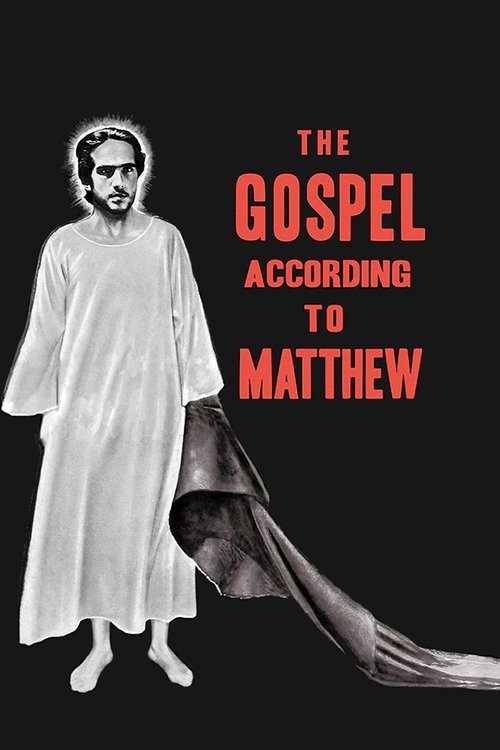
The Gospel According to St. Matthew1965
Pasolini's own film, made just after Mamma Roma. Shot in the same neorealist style, it treats Christ as a radical, working-class figure. Essential for understanding how Pasolini's faith and politics intertwine.
But It's a straightforward adaptation of Matthew with no plot surprises. Some find the religious framework alienating; others feel the casting of non-professionals occasionally falters.
Not sure tonight? Get a pick in a minute, starting from Mamma Roma
The wildcard
Something you would not have found on your own.
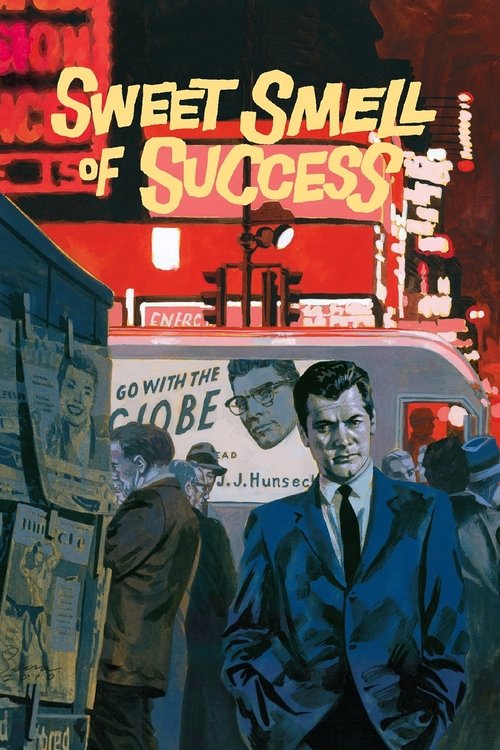
Sweet Smell of Success1957
Both are about the economics of desperation and how respectability is always for sale; both track a protagonist's attempt to escape servitude to a powerful person who holds their past.
Mackendrick's American noir about a powerful gossip columnist and a desperate promoter in Manhattan. Like Mamma Roma, it's a film about people trying to climb out of the gutter by selling themselves—but it's shot in glossy black-and-white poison instead of neorealist gray. Cynical where Pasolini is tragic, but structurally and morally identical.
But The dialogue is so dense and acidic it's almost Shakespearean. If you're not drawn to that linguistic density, it can feel impenetrable rather than brilliant.
More like this (7)
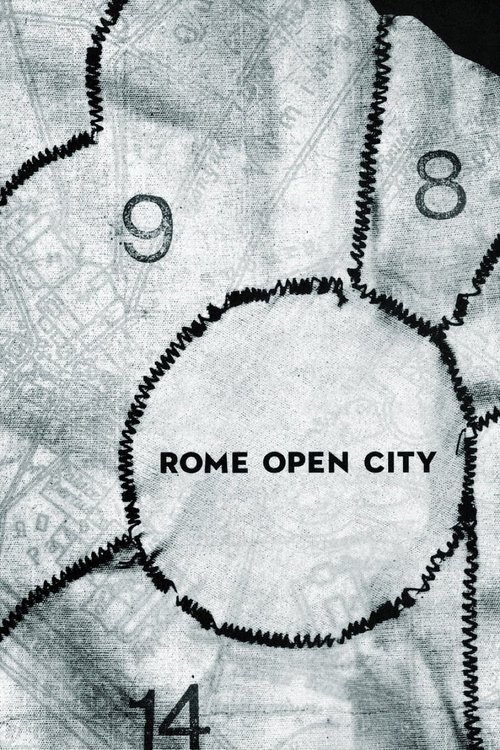
Rome, Open City1945
Rossellini's foundational neorealist film about resistance during Nazi occupation. Shares Mamma Roma's unflinching look at survival, class, and morality under impossible conditions in the same city.
But Propaganda elements date it. The pacing can feel stagey, and some emotional beats land harder than others.
Bicycle Thieves1948
De Sica again, this time on a working man searching Rome for his stolen bicycle. The clearest ancestor to Mamma Roma's style: neorealist, morally urgent, and heartbreaking without melodrama.
But The ending is bleak and offers no redemption. Some viewers find the simplicity of the premise underwhelming.

The Leopard1963
Visconti's operatic meditation on Italy's transition from feudalism to modernity. Where Mamma Roma shows the bottom of that transition, The Leopard shows the aristocracy losing their grip. Complementary visions of the same historical moment.
But Nearly three hours and unapologetically baroque in style—the opposite of Pasolini's austerity. Some cuts are incomplete or color-graded poorly depending on which version you find.

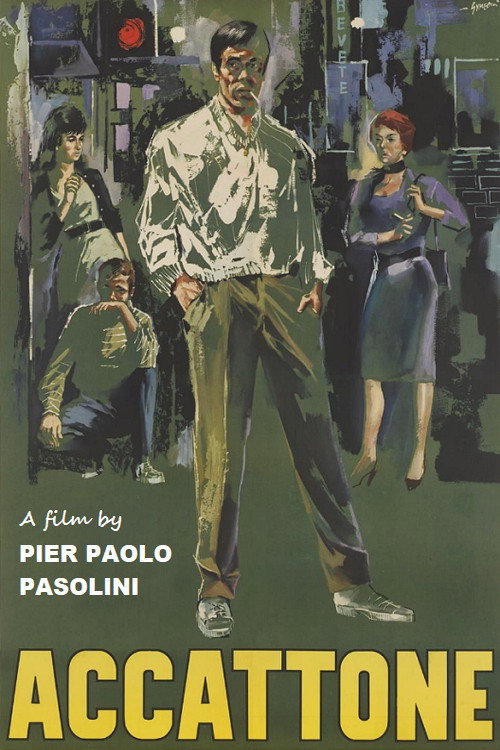
Accattone1961
Pasolini's debut, about a Rome street thief and pimp. Stylistically and thematically the immediate precursor to Mamma Roma: same subculture, same moral clarity, same refusal of judgment.
But Even grimmer than Mamma Roma. The protagonist is genuinely unsympathetic, and the film offers no emotional handholds.
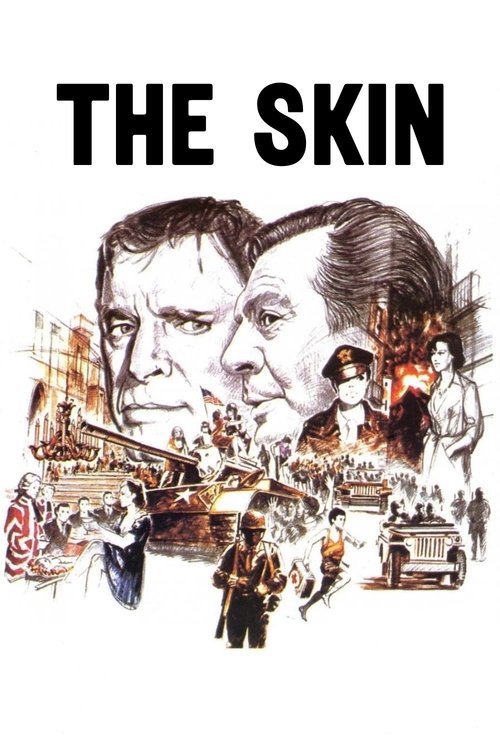
The Skin1981
Cavani's devastating film about Naples under Allied occupation. Explores shame, survival, and the commodification of the body—the same terrain as Mamma Roma but even more explicitly about trauma and powerlessness.
But Sexually explicit and graphically violent. The pacing is deliberately slow and the mood unrelentingly dark.
Stalker1979
Both films are essentially spiritual investigations disguised as social dramas. Both ask whether redemption is possible in a world structured to prevent it.
Tarkovsky's science-fiction meditation on desire, faith, and the possibility of transformation. Formally its opposite—hypnotic, mysterious, shot in long takes of empty spaces—but animated by the same question: can we escape who we are? Can grace reach us?
But Three hours of extremely slow cinema about almost nothing visible happening. Requires patience bordering on asceticism. If you need plot momentum, this will frustrate you.

In the Mood for Love2000
Both films center on a person whose body has been commodified or shamed, and track their attempt to reclaim dignity through connection—though one is brutal and the other aestheticized almost to the point of abstraction.
Wong Kar-wai's ravishing film about two neighbors who discover their spouses are having an affair. On its surface: utterly different from Mamma Roma (Hong Kong apartment, 1960s mise-en-scène, impossible romance). But underneath: the same structure of longing, shame, and the body as a site of both vulnerability and resistance.
But The beauty can feel like formalism without depth. The plot barely moves; if you want narrative momentum, the film's repetitions will feel precious rather than profound.

People
Cast
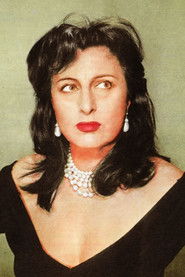 Anna MagnaniMamma Roma
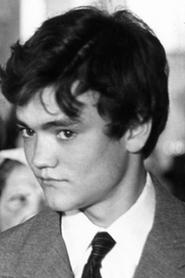 Ettore GarofoloEttore
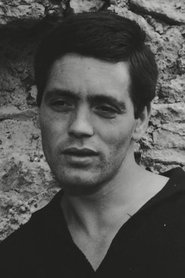 Franco CittiCarmine
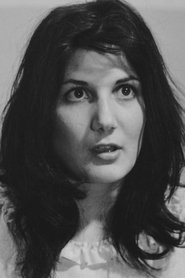 Silvana CorsiniBruna
- Luisa LoianoBiancofiore
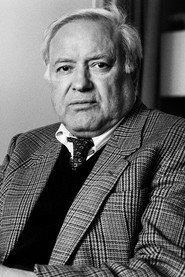 Paolo VolponiPriest
- Luciano GoniniZacaria
- Vittorio La PagliaIl Signor Pellissier
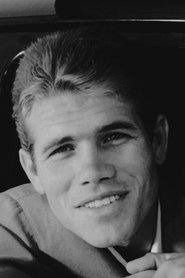 Piero MorgiaPiero
- Franco CeccarelliCarletto
- Marcello SorrentinoTonino
- Sandro MeschinoPasquale
Directing
- Pier Paolo PasoliniDirector
- Carlo Di CarloFirst Assistant Director
- Lina D'AmicoScript Supervisor
- Mirella GamacchioScript Supervisor
Writing
- Pier Paolo PasoliniScreenplay
- Pier Paolo PasoliniStory
Production
- Vincenzo TaitoAdministration
- Alfredo BiniProducer
- Giulio De StephanisProduction Accountant
- Eliseo BoschiProduction Manager
- Bruno FrascàProduction Secretary
- Franco CasatiProduction Secretary
- Fernando FranchiUnit Manager
Recommended by
Up the Junction, Accattone, The Decameron, Parallel Mothers, The Hand of God, A Nos Amours, Black Angel, Ovosodo