
Film
The Decameron
Other titles called The Decameron: the 2024 series (Netflix).
- Comedy
- Dip in and out
Pier Paolo Pasolini adapts eight stories from Boccaccio's medieval novella collection with anarchic sensuality and working-class grit. It's a film of desire, trickery, and bodies—bawdy and tender, crude and poetic. For viewers hungry for cinema that feels genuinely alive and unashamed of pleasure.
Should you watch it?
Watch it if you enjoy bawdy, episodic tales of rogues, lovers and clergy tripping over their own appetites, and you can take earthy frankness delivered with a shrug.
Skip it if the stories are stitched together loosely, so it plays like a sampler rather than one arc, and the sex and nudity never let up for long.
What it asks of you: Settle in for a little under two hours, a patchwork of short, unhurried scenes that jump from coarse slapstick to sudden tenderness with no warning.
Not sure? Find tonight's pick in a minute.
If you liked this
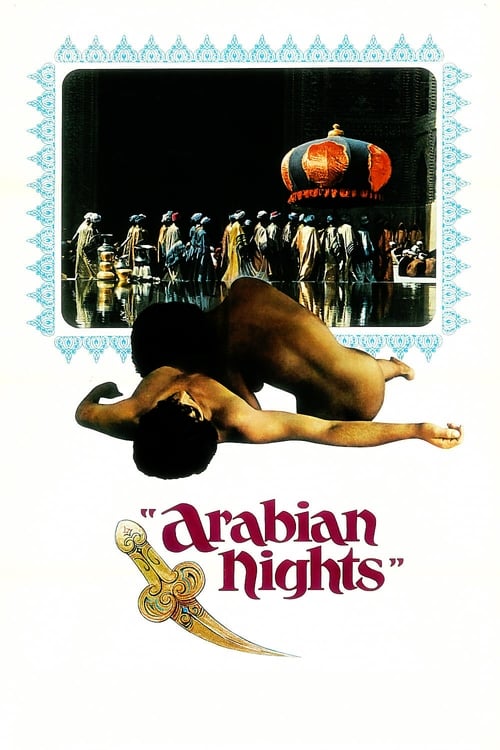
Arabian Nights1974
Pasolini's follow-up completes his trilogy of literary adaptations. Same playful chaos, same visual ravishment, same urgent sense that storytelling itself is an act of resistance and joy.
But Less focused than The Decameron, more indulgent in length. Some will find it self-consciously arty where it should be direct.
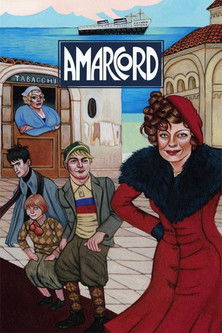
Amarcord1973
Fellini's memory-mosaic of fascist Italy in the 1930s. Episodes that shimmer between the absurd and the devastating, held together by appetite, history, and nostalgic ache rather than plot.
But Structurally loose and dreamlike. If you need story momentum or clear emotional beats, you'll find it elliptical and sometimes frustratingly oblique.
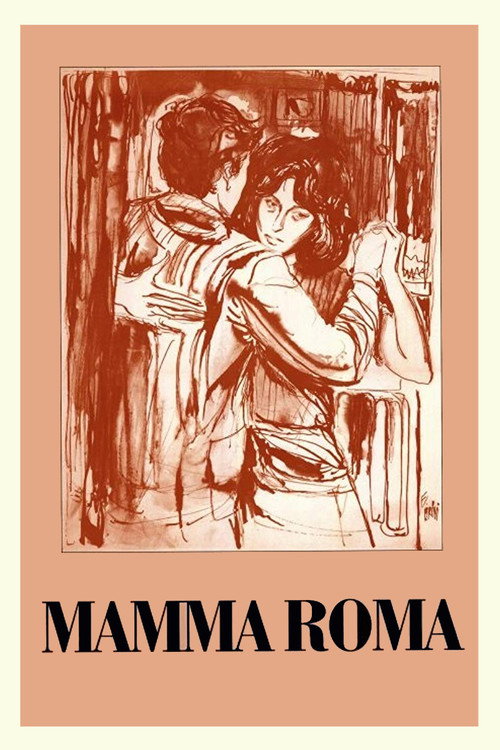
Mamma Roma1962
Pasolini's brutal portrait of a Roman sex worker trying to build a life for her son. Raw, unsparing, and suffused with an almost unbearable tenderness beneath the hardship.
But Devastatingly bleak. The ending is a wound. Not a film you watch for catharsis or comfort.
Not sure tonight? Get a pick in a minute, starting from The Decameron
The wildcard
Something you would not have found on your own.
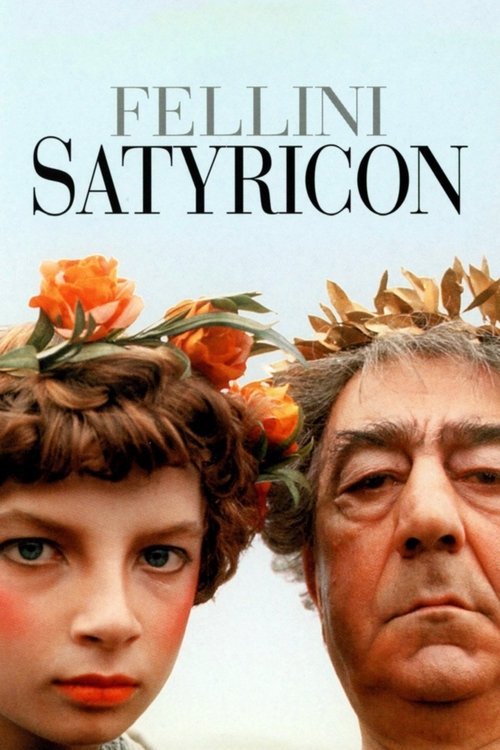
Satyricon1969
Both are adaptations of classical literature into Technicolor episodes of appetite and trickery; both treat the past as a mirror for their own era's dissolution.
Fellini's hallucinogenic dive into Roman decadence and desire. Like Decameron, episodic and sensual, but filtered through a fever dream—alien, archaeological, obsessed with the grotesque and the erotic.
But Genuinely bewildering. If you need narrative sense-making, this refuses every offer. Some find it profound; others find it impenetrable.
More like this (8)
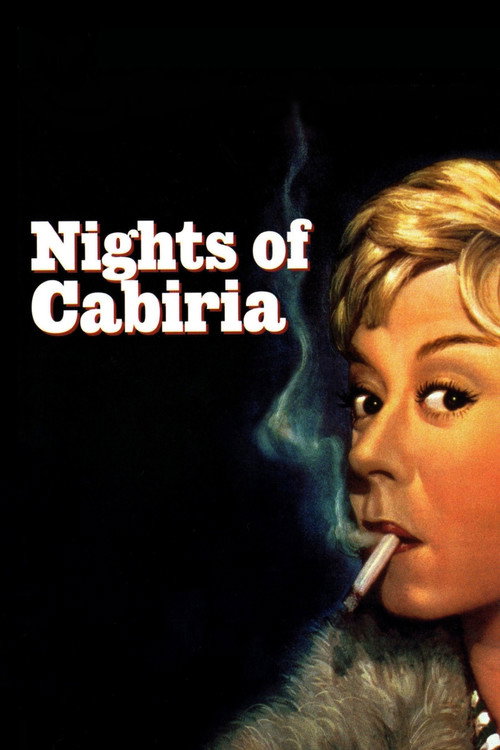
Nights of Cabiria1957
Fellini's portrait of a Roman prostitute's lonely life. Episodic like Decameron, tender and cruel by turns, with Giulietta Masina at the heart of it all—heartbreaking and alive.
But The tone swerves between comedy and tragedy in ways that some find tonally messy rather than artfully layered.
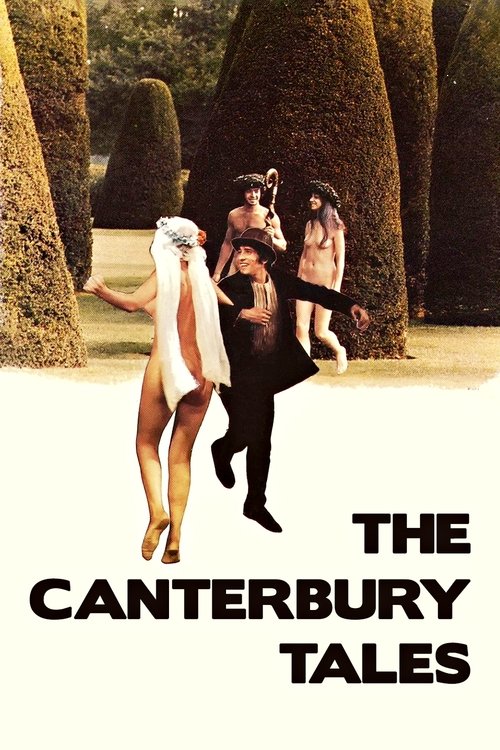
The Canterbury Tales1972
Another literary adaptation from roughly the same moment: bawdy medieval stories told with visual exuberance. If you loved Decameron's anarchic energy, this scratches the same itch.
But Considerably lower budget and cruder in execution. The episodic nature can feel repetitive after a while.
Contempt1963
Godard's film-within-a-film about desire and creation. Less concerned with plot than with watching a marriage and a cinema disintegrate in primary colours and philosophical argument.
But Deliberately anti-narrative. Some find it glacially paced and more interested in ideas than in you.

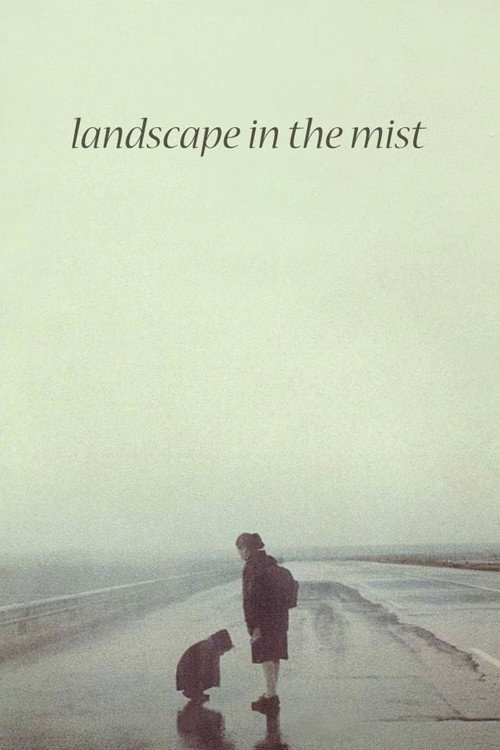
Landscape in the Mist1988
Angelopoulos follows two children through Greece in a series of tableaux-like encounters. Like Decameron, it accumulates meaning through episodic meetings rather than through conventional story.
But Extremely slow. Nearly three hours of a landscape you must learn to sit with. Patience is not optional.
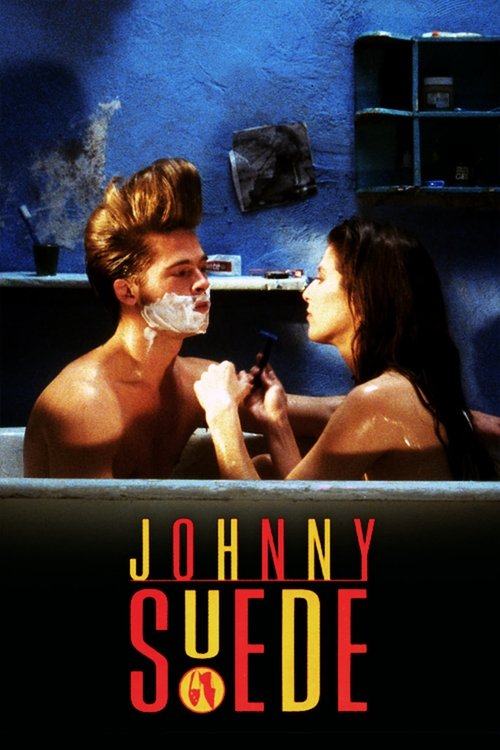
Johnny Suede1991
Stillman's debut traces a minor hustler's intersecting encounters in New York. Episodic, funny, sharp about desire and class—less explicit than Pasolini but cut from the same cloth.
But Low-budget early '90s indie sensibility. Some feel dated rather than timeless. Also considerably quieter and more reticent than Decameron.
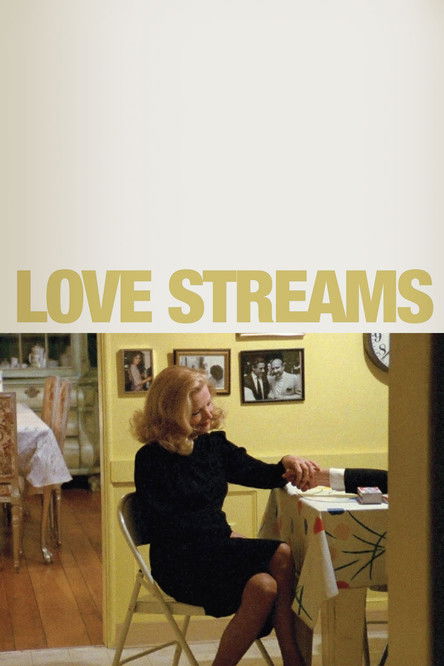
Love Streams1984
Cassavetes' late masterpiece about a writer and his sister trying to stay afloat in Los Angeles. Messy, digressive, true to how human connection actually feels—beautiful and desperate.
But Formally chaotic. Some see genius, others see self-indulgence. Demands you meet it on its own terms without judgment.
Stalker1979
Both films reject efficiency. Both trust that duration and accumulation can reach into you deeper than plot. Both see cinema as a form of spiritual practice.
Tarkovsky's science-fiction pilgrimage is formally opposite to Decameron—glacially slow, metaphysical, meditative—but shares its faith that cinema should change how you feel about being alive.
But Nearly three hours of almost nothing happening. Shot in washed-out Stalinist Russia. If you came for pleasure and sensation, this will feel like the opposite.

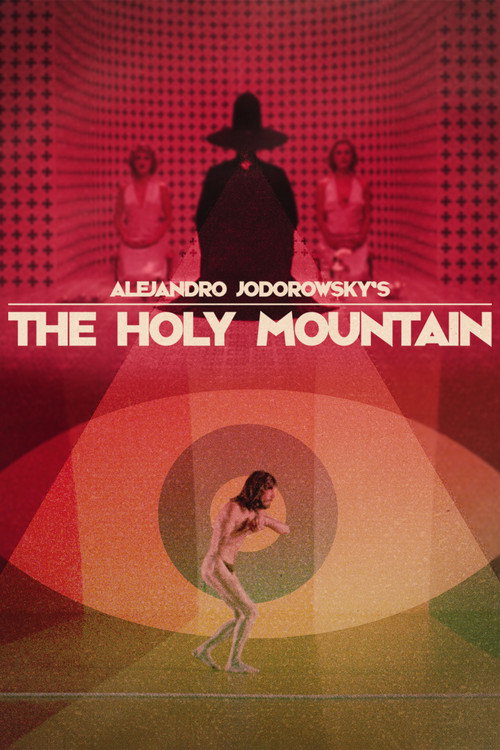
The Holy Mountain1973
Both are episodic fables told in explicit visual language; both seem interested in cinema as initiation rather than entertainment; both believe the body is the medium of truth.
Jodorowsky's surrealist fever dream of ascent and initiation. Like Decameron, it's a string of encounters and encounters, but instead of earthly tricks they're alchemical visions—crude, obscene, visionary.
But Genuinely disturbing. Graphic violence, bodily horror, sexual transgression used as spiritual metaphor. Not remotely interested in comfort. Nearly unwatchable for many.
People
Cast
 Franco CittiCiappelletto
 Ninetto DavoliAndreuccio of Perugia
- Jovan JovanovićRustico (scenes deleted)
 Angela LucePeronella
- Vincenzo AmatoMasetto of Lamporecchio
- Giuseppe ZigainaMonk
- Maria Gabriella MaioneUna Madonna
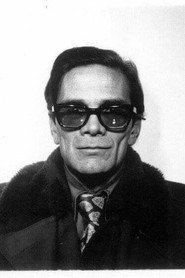 Pier Paolo PasoliniAllievo di Giotto
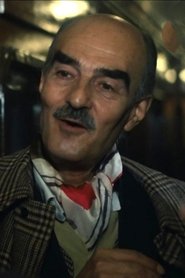 Giorgio IovineLizio da Valbona
- Vincenzo FerrignoGiannello
Directing
- Paolo Andrea MettelAssistant Director
- Sergio CittiAssistant Director
- Umberto AngelucciAssistant Director
- Beatrice BanfiContinuity
- Pier Paolo PasoliniDirector
Writing
- Giovanni BoccaccioNovel
- Pier Paolo PasoliniWriter
Production
- Alberto De StefanisCasting
- Franco RosselliniExecutive Producer
- Alberto GrimaldiProducer
- Vittorio BucciProduction Assistant
- Mario Di BiaseProduction Manager
- Sergio GalianoProduction Supervisor
Recommended by
Arabian Nights, Ridicule, Satyricon, Made of Honor, Tale of Tales, The Horseman on the Roof, Season of the Witch, The Lady Shogun and Her Men, The Dark Ages, The Canterbury Tales, The Last Days of Pompeii, The Changes, The Decameron, Marigold, Ponniyin Selvan: Part I, Chandamama Kathalu, Marquis de Sade