
Film
Ridicule
A poor French nobleman travels to Versailles seeking royal funds for a swamp-draining project, only to discover that survival at court demands mastery of razor-sharp wit and seduction. Patrice Leconte's film is a glittering, intelligent comedy about the performative cruelty of aristocratic society—elegant, darkly funny, and genuinely moving about the cost of ambition.
Should you watch it?
Watch it if you relish cruel, quick-witted sparring where a clever put-down does more damage than a duel, and you enjoy period satire that treats courtly manners as a blood sport.
Skip it if you want warmth and romance front and centre, since the love story stays cool and the mood is more mocking than tender, and the bite can feel relentless.
What it asks of you: Plan for a little under two hours of talk-led scenes, where the dialogue carries the weight and nothing gets rushed, so you need to listen closely.
Not sure? Find tonight's pick in a minute.
If you liked this
Dangerous Liaisons1988
A similarly elegant dissection of court power dynamics and sexual manipulation in pre-Revolutionary France. If you loved Ridicule's blend of seduction, strategy, and moral decay beneath the wit, this is essential.
But Much darker and crueller—Ridicule has charm and warmth despite its cynicism, while this operates in a colder emotional register throughout.

Marie Antoinette2006
Sofia Coppola's Versailles is as obsessed with surface, performance, and the suffocating rules of court life. Same world, different perspective—more sympathetic to the trapped figures within it.
But Slower-paced, more interested in costume and mood than plot momentum. Some find it self-indulgent rather than incisive.
Molière1978
Michel Serrault shines in this sparkling French comedy about the playwright at court, playing similar games with wit as a survival tool. Perfect companion piece—same national cinema, same era, same themes of performance and ambition.
But Feels lighter than Ridicule; less psychologically complex, more straightforward in its storytelling and humor.
Not sure tonight? Get a pick in a minute, starting from Ridicule
The wildcard
Something you would not have found on your own.
The King's Speech2010
Both argue that in hierarchies, your ability to control language—or lack thereof—determines your survival and legitimacy.
Inverts Ridicule entirely: instead of a man learning to weaponize words, a king must overcome his inability to speak at all. Both films are about the strange dominion of language over power, about whether mastery of speech can substitute for genuine authority.
But Earnest and triumphalist where Ridicule is sardonic; the tone is inspirational rather than investigating the corruption of ambition.
More like this (8)
The Sting1973
Like Ridicule, built entirely around the architecture of con games—how intelligence, charm, and perfect timing let underdogs outmaneuver the powerful. The same pleasure in watching a plan unfold.
But Set in 1930s America rather than 1780s France; fundamentally a heist film rather than a character study.
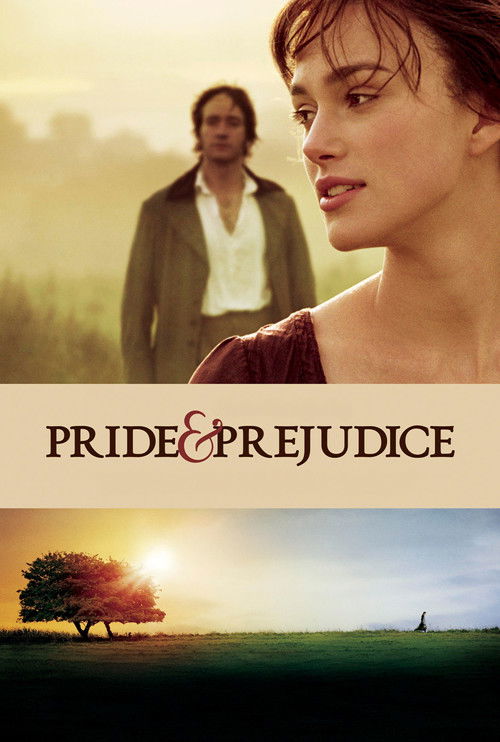
Pride & Prejudice2005
Elizabeth and Darcy navigate a world where words are weapons and social positioning is everything. Different tone—warmer, more romantic—but the same understanding that wit and character are survival skills in rigid societies.
But More earnest about love and personal growth; lacks Ridicule's cynical bite about institutional corruption.
The Remains of the Day1993
Another story about performing within rigorous social structures, where dignity and survival depend on mastering unwritten codes. Subdued where Ridicule sparkles, but equally intelligent about complicity and yearning.
But Slower, quieter, more melancholic. The wit here is understated rather than glittering—some will find it staid.

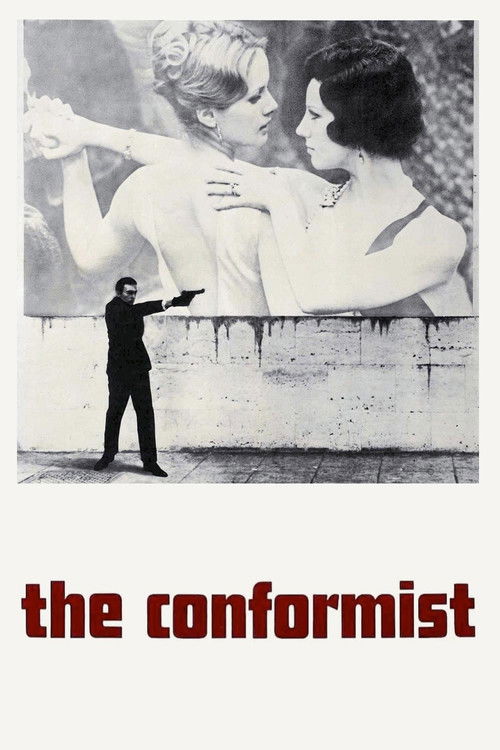
The Conformist1971
A masterpiece about performance, seduction, and survival under fascism. Like Ridicule, it understands that charm and adaptation are tools of the ambitious, and questions their moral cost.
But Italian Fascism rather than 18th-century court politics; much bleaker and more violent. Bernardo Bertolucci's style is operatic where Leconte is witty.
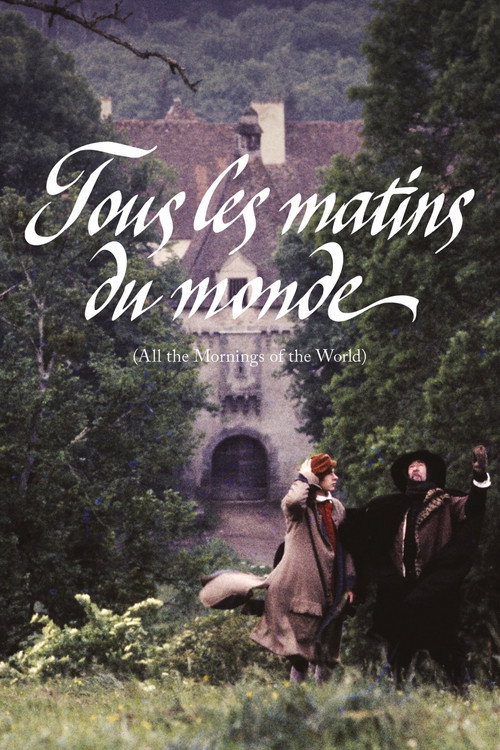
All the Mornings of the World1991
Another French baroque masterpiece about hierarchies, mentorship, and the seductive power of beauty and talent. Alain Corneau's film has the same richness and the same tragic undercurrent.
But A period music drama rather than a comedy—contemplative and melancholic rather than sparkling. Demands patience with its elegiac pace.
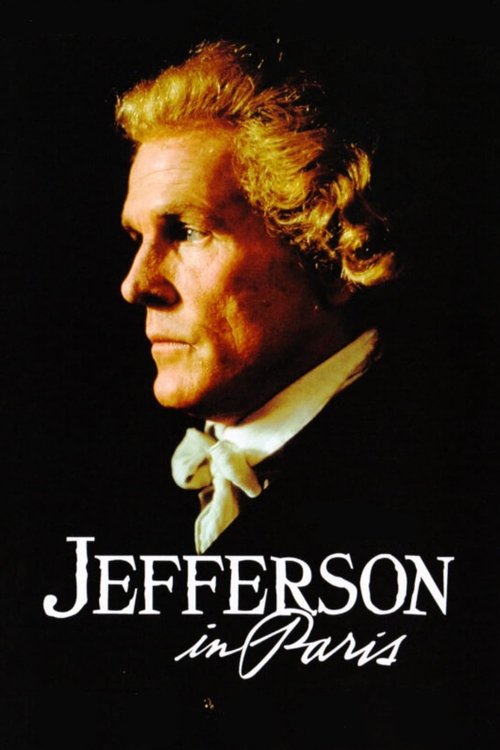
Jefferson in Paris1995
Nick Nolte as Thomas Jefferson navigates French aristocratic society with similar fish-out-of-water charm. Made the same year as Ridicule, it shares that fascination with American innocence colliding with Old World sophistication.
But Unfocused in its storytelling; less intellectually sharp about its themes of seduction and power than Ridicule manages.
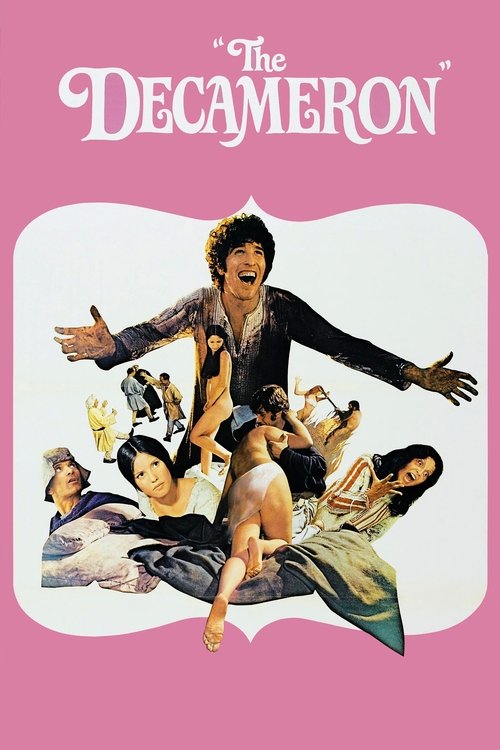
The Decameron1971
Both use comedy and seduction as weapons of the powerless against systems designed to control them. Both understand that performance and pleasure are forms of resistance.
Pasolini's bawdy, carnivalesque adaptation of Boccaccio, where a group uses wit, beauty, and storytelling to survive plague and patriarchal oppression. Like Ridicule, it's about performance and seduction as survival tactics in rigid worlds—but through bodies and appetite rather than court protocol.
But Sexually explicit and chaotic; anarchic rather than elegantly constructed. Jarring tonal shifts from tragic to obscene might feel undisciplined compared to Ridicule's control.
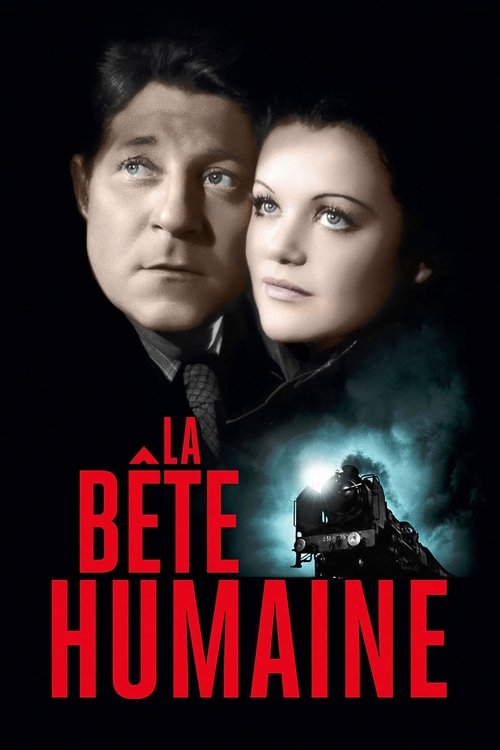
La Bête Humaine1938
Both examine how seduction and charm function as currency in unequal power relationships, and how performance becomes indistinguishable from truth.
Renoir's film about a train driver whose aristocratic lover and her wealthy husband scheme around him—a story of seduction, class, and performance that predates Ridicule by nearly 60 years. The same understanding that charm and wit are performances that mask darker truths.
But A murder drama with psychological depth rather than a comedy—darker, more sensual, less witty. The 1938 visual style feels remote rather than immediately accessible.
People
Cast
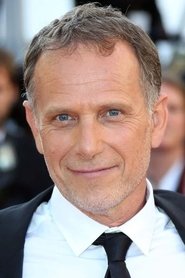 Charles BerlingLe Marquis Grégoire Ponceludon de Malavoy
 Jean RochefortLe Marquis de Bellegarde
 Fanny ArdantMadame de Blayac
 Judith GodrècheMathilde de Bellegarde
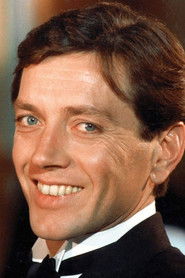 Bernard GiraudeauL'Abbée de Vilecourt
 Bernard DhéranMontalieri
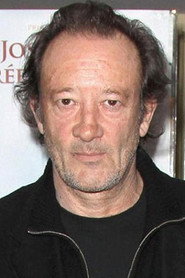 Carlo BrandtMilletail
 Jacques MathouAbbé de l'Épée
 Urbain CancelierLouis XVI
 Albert DelpyBaron de Guéret
- Bruno ZanardiPaul
 Marie PilletCharlotte
Directing
- Patrice LeconteDirector
Writing
- Eric VicautScreenplay
- Michel FesslerScreenplay
- Rémi WaterhouseScreenplay
Production
- Frédéric BrillionProducer
- Gilles LegrandProducer
- Philippe CarcassonneProducer
Recommended by
Barry Lyndon, The Duellists, Franklin, Molière, The Affair of the Necklace