
Film
All the Mornings of the World
- Period drama
- Musical
- Slow-burning
A 1991 French masterpiece about a reclusive 17th-century master musician reluctantly taking on a gifted student. The film moves between periods, exploring ambition, loss, and the almost erotic pull of music itself. Gorgeously shot, emotionally precise, for anyone who's ever felt art matter more than comfort.
If you liked this
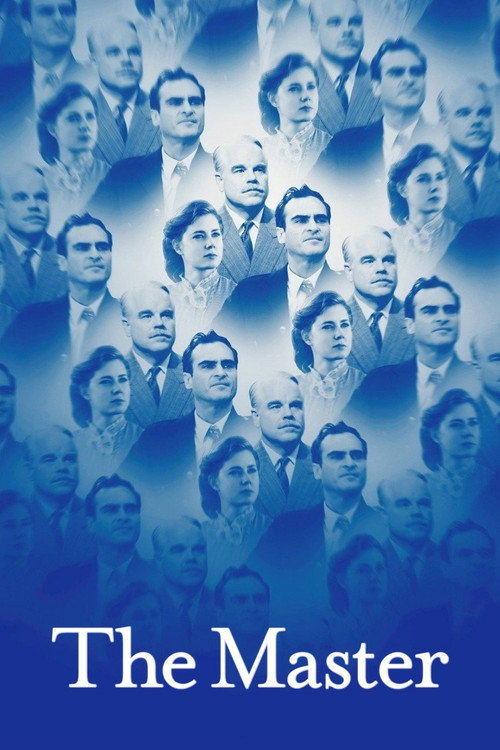
The Master2012
Paul Thomas Anderson's obsessive study of mentorship, control, and spiritual hunger. Like Sainte-Colombe's isolation, it's about a man trying to impose his vision on a younger protégé, with devastating consequences.
But Deliberately enigmatic and slow. Anderson withholds explanation; you must sit with ambiguity and dread for nearly two hours.
The Red Shoes1948
Powell and Pressburger's ballet masterpiece about the consuming demand of art. A young dancer torn between love and her calling—the same collision of desire that defines Marin's journey.
But The artifice is baroque, almost camp by modern standards. If you need naturalism, the heightened theatricality will feel mannered.

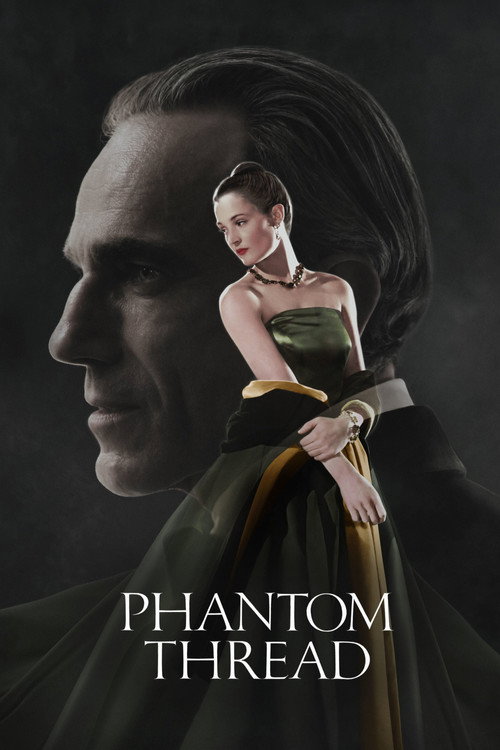
Phantom Thread2017
PTA again, this time with Daniel Day-Lewis as an obsessive craftsman whose art demands total control. The film's fascination with mastery, beauty, and the price of devotion echoes through every frame.
But Claustrophobic and deeply strange. The power dynamic between the leads unsettles on purpose, and there's no catharsis, only acceptance.
Not sure tonight? Get a pick in a minute, starting from All the Mornings of the World
The wildcard
Something you would not have found on your own.
Tokyo Story1953
Both films understand that the greatest art emerges from acceptance of damage and loss, expressed through restraint rather than declaration.
Ozu's unbearably quiet masterpiece about an old couple visiting their sons. Like All the Mornings, it's about what we pass on, what we can't say, and how loss shapes everything we do. The connection is spiritual, not musical: both films understand that the greatest art emerges from acceptance of damage.
But Nothing happens in the way Western cinema trained you to expect. The film requires you to find drama in a conversation, tenderness in a glance. Many will experience this as boring.

More like this (8)
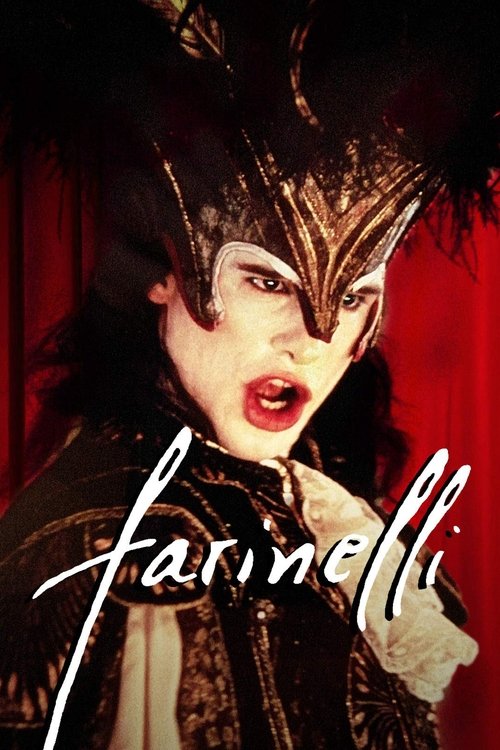
Farinelli1994
Another Baroque musician's tale, this one tracing a castrato's rise and the terrible cost of perfection. Lush, operatic, built on the same collision of ecstasy and damage.
But Visually gorgeous but emotionally one-note. The film luxuriates in period beauty without the philosophical depth that gives All the Mornings weight.
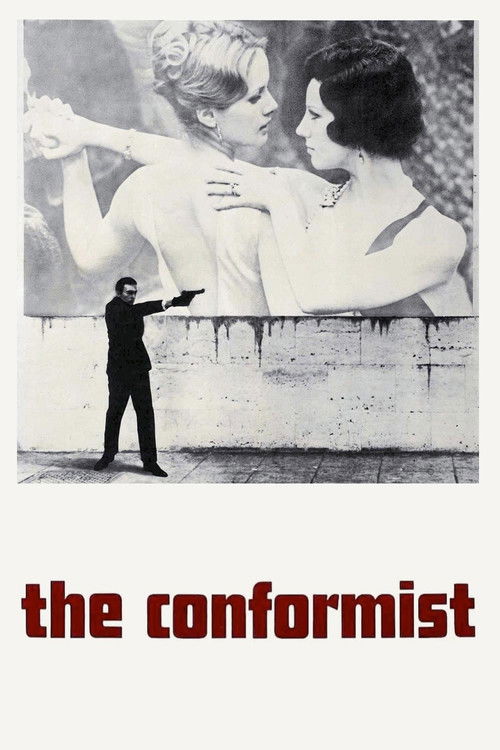
The Conformist1971
Bertolucci's hypnotic meditation on power, desire, and the student-mentor bond. Like the film, it's about how we're shaped by those we admire, and how admiration can corrupt.
But Abstract and fragmentary. Meaning dissolves into mood; if you need narrative clarity, you'll feel lost.
A Prophet2009
Mentorship in microcosm: an older prisoner educates a younger one, power shifting subtly across years. The film shares the original's fascination with how mastery is transmitted and resisted.
But Prison brutality is unflinching. The film's grit and violence are a long way from Baroque beauty, and some may find the tone unrelenting.

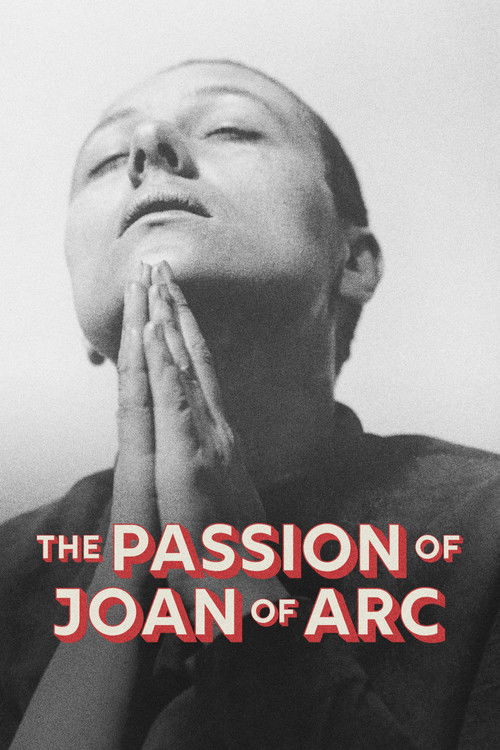
The Passion of Joan of Arc1928
Dreyer's silent miracle about suffering, faith, and an impassive master examining a young believer. The close-ups of Renée Jeanne's face mirror the film's study of internal depths.
But Silent film, German Expressionist in style. Its visual grammar demands patience, and its piety may feel distant if you're not attuned to spiritual cinema.
Stalker1979
Tarkovsky's meditative masterpiece about a guide leading two men toward desire. Like the film, it's about longing, the impossibility of true knowledge, and the spaces between words where meaning lives.
But Glacially slow, almost three hours long, with long passages of silence and landscape. Many will find it a test rather than a pleasure.

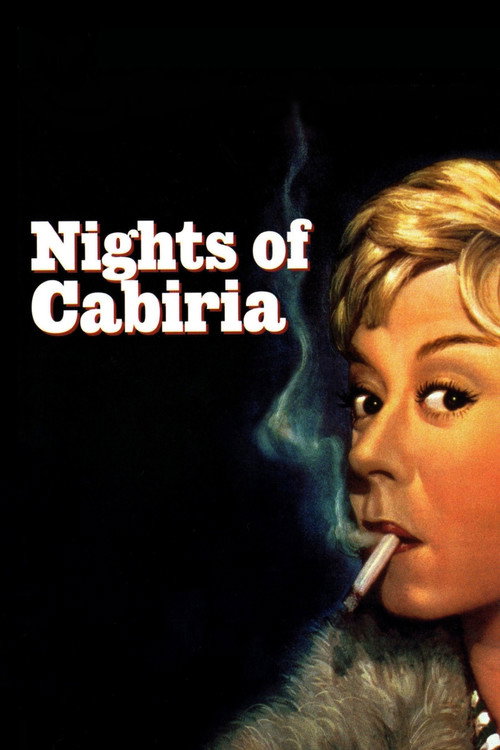
Nights of Cabiria1957
Fellini's portrait of yearning and resilience. The film shares the original's eye for human contradiction—beauty and damage, hope and resignation, all occupying the same person.
But Episodic and somewhat sentimental. If you need tight plotting or emotional restraint, Fellini's baroque warmth will feel excessive.
Synecdoche, New York2008
Both centre on an artist whose perfectionism becomes a form of spiritual hunger that destroys relationships and demands a devotee.
Charlie Kaufman's singular vision of an artist's obsession consuming his life and relationships. Depardieu's Marin trying to recreate perfection through his student mirrors Hoffman's director trying to contain all of human experience in his theater. Both men are undone by their pursuit of transcendence.
But Deliberately confusing, with blurred timelines and nested realities. It's emotionally exhausting and will feel self-indulgent unless you're willing to go very far into someone's private anguish.

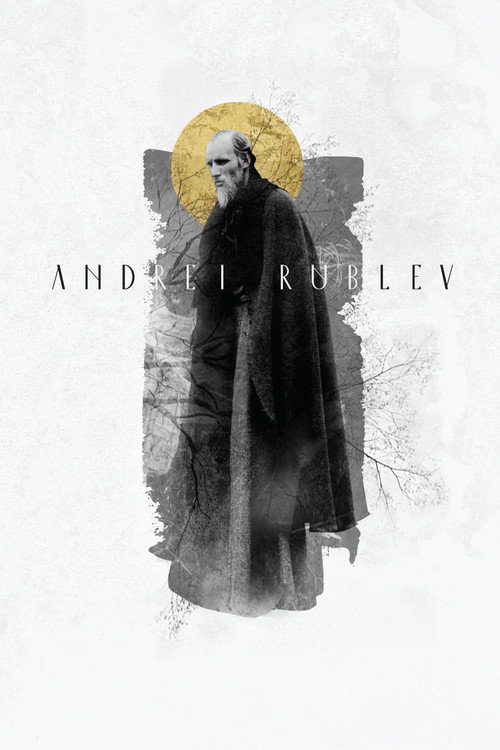
Andrei Rublev1966
Both films centre on a visionary artist grappling with faith, isolation, and whether beauty justifies its cost.
Tarkovsky's epic about a Russian icon painter's crisis of faith. Like the original, it asks: what is the artist's obligation? Can beauty be made amid suffering? Does mastery require isolation? A medieval answer to the same questions Tavernier is asking.
But Over three hours, in another language, largely in black and white, with long passages of ambiguous theology. This is a film that demands you meet it more than halfway.
People
Cast
 Jean-Pierre MarielleMonsieur de Sainte Colombe
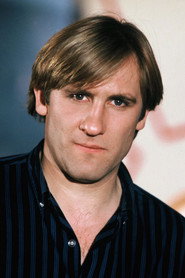 Gérard DepardieuMarin Marais
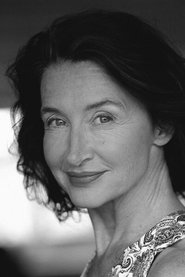 Anne BrochetMadeleine
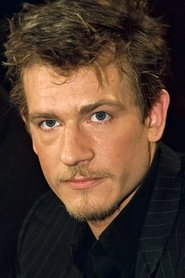 Guillaume DepardieuYoung Marin Marais
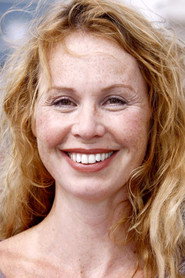 Carole RichertToinette
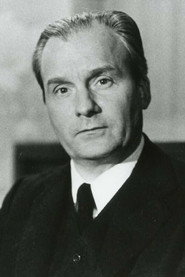 Michel BouquetBaugin
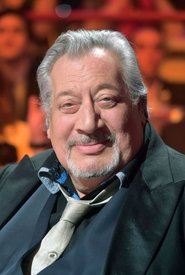 Jean-Claude DreyfusAbbe Mathieu
- Yves GascCaignet
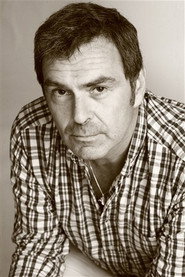 Yves LambrechtCharbonnières
- Jean-Marie PoirierMonsieur de Bures
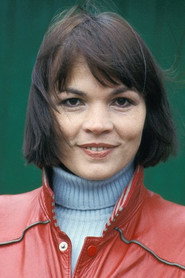 Myriam BoyerGuignotte
- Violaine LacroixYoung Madeleine
Directing
- Hiromi RollinAssistant Director
- Jérôme NavarroAssistant Director
- Alain CorneauDirector
Writing
- Pascal QuignardNovel
- Alain CorneauScreenplay
- Pascal QuignardScreenplay
Production
- Raphaël BerdugoCo-Producer
- Bernard MarescotExecutive Producer
- Jean-Louis LiviProducer
- Gilles LoutfiUnit Manager