
Film
Barry Lyndon
Kubrick's coldest, most beautiful film: three hours of candlelit tableaux, zoom lenses pulling slowly backward from faces into vast landscapes, and a narrator who tells you exactly how it will end before it happens. It's less a story you follow than a painting you're made to watch age in real time. Patient viewers get one of cinema's great meditations on fate and ambition; everyone else gets a gorgeous, very long nap.
If you liked this
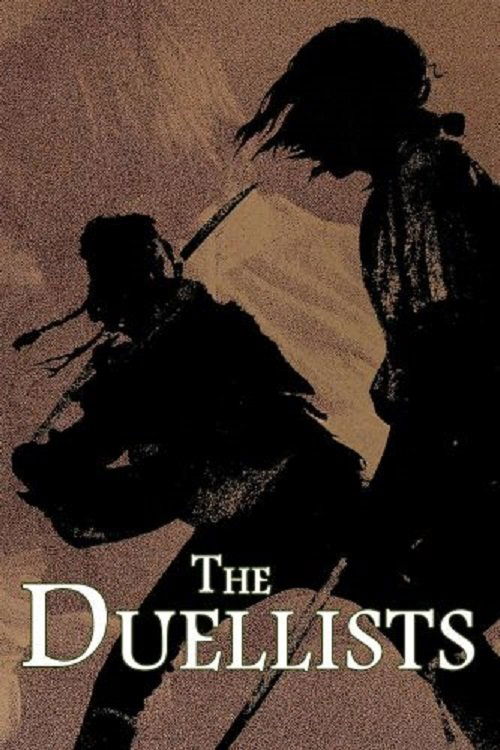
The Duellists1977
Ridley Scott's debut is soaked in the same painterly light and obsessed with a code of honour curdling into farce, as two officers duel across decades over a slight nobody remembers.
But Slower and colder than Scott's later work, with a plot that's almost entirely elegant repetition by design.
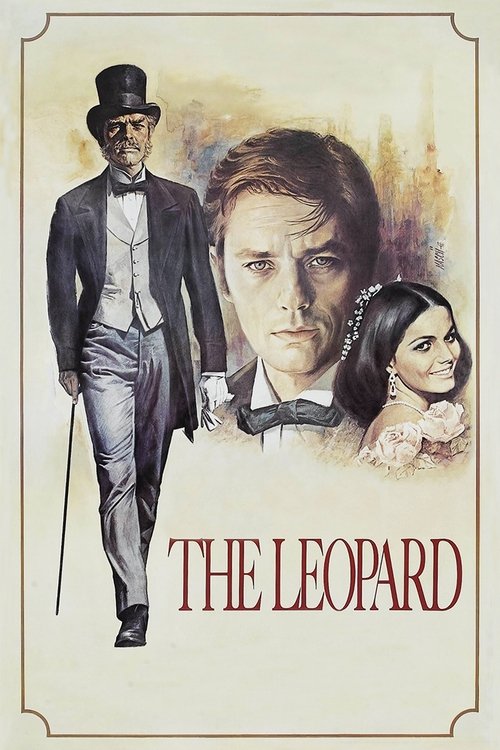
The Leopard1963
Visconti's aristocrat watches his world dissolve into the rising merchant class with the same weary, magnificent resignation Kubrick gives Barry — gorgeous, mournful, unhurried.
But Even longer than Barry Lyndon in some cuts, and its politics of Italian unification demand some patience if you don't know the history.
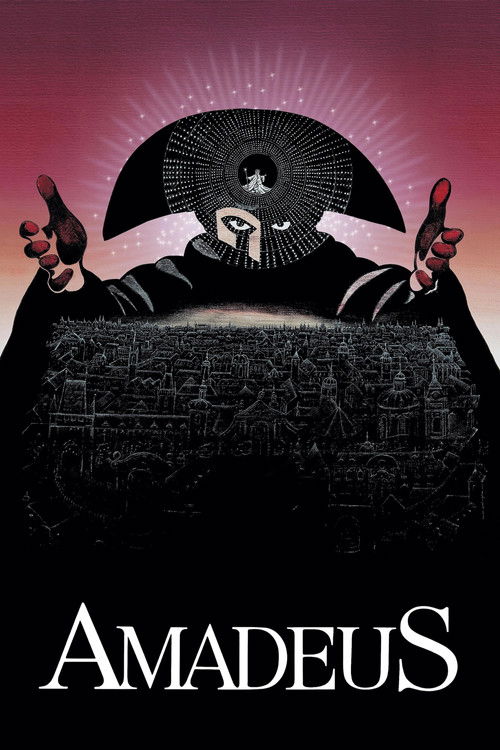
Amadeus1984
A different century and a much louder register, but the same fascination with ambition, envy, and a man's rise measured against his inevitable fall — with more fun to be had along the way.
But Broader and funnier than Kubrick's dry irony; some viewers find its theatricality too much.
The wildcard
Something you would not have found on your own.
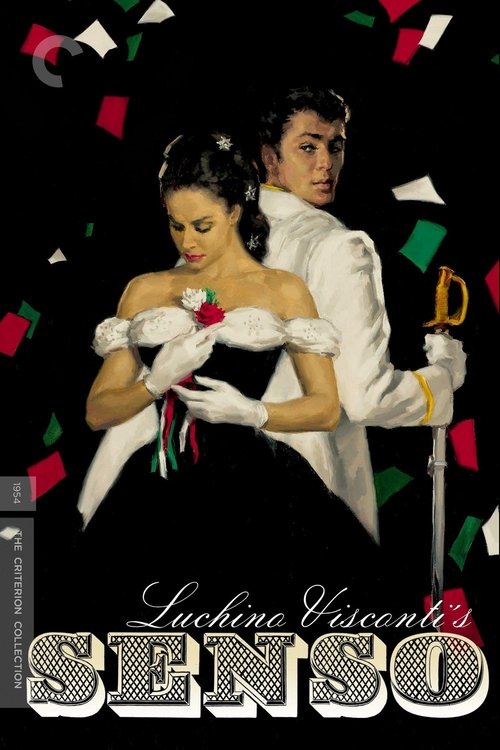
Senso1954
Both films treat aristocratic ruin as something to be composed like a painting gallery — Senso is the lush, romantic precursor to Kubrick's colder, more ironic version of the same idea, made two decades earlier.
Visconti got there first — an opera-trained eye turning 19th-century Italy into wall-to-wall opulence, following an aristocrat whose passion, not ambition, destroys her position.
But Melodrama runs far hotter here than Kubrick's irony ever allows; if you want cool detachment, this will feel overwrought.
More like this (8)
Dangerous Liaisons1988
Same century, same manners weaponised into cruelty, but told through seduction rather than swordplay — a masterclass in how charm and calculation quietly ruin lives.
But More talky and theatrical, and far less interested in landscape and light than Kubrick's tableaux.

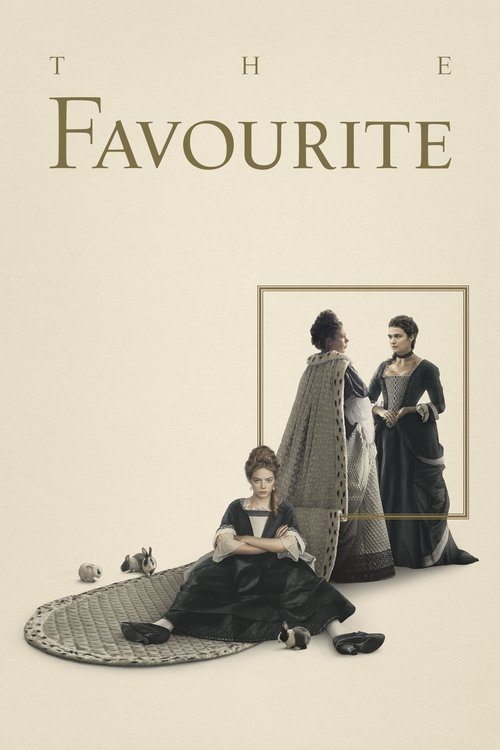
The Favourite2018
Court intrigue at its most vicious and funny, shot with fisheye lenses and candlelight of its own — proof the 18th-century aristocracy has always been ripe for savage comedy.
But Its jagged, anachronistic humour is the opposite of Kubrick's deadpan stillness — jarring if you're after that exact mood.
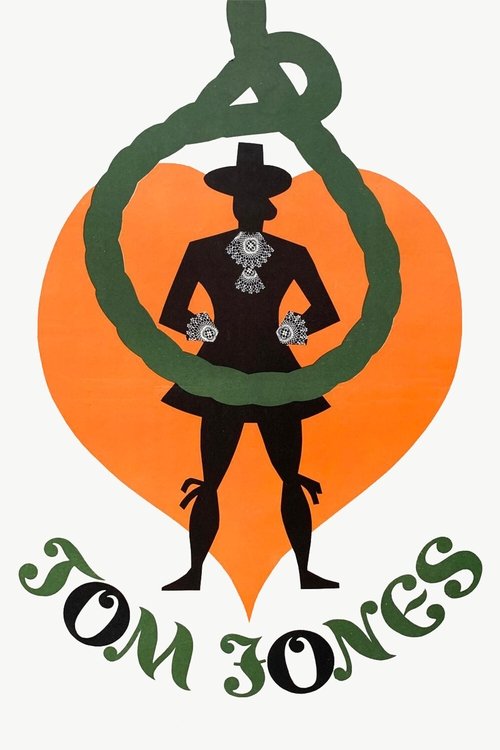
Tom Jones1963
The rowdier, faster ancestor of Barry's story — a foundling rogue climbing through 18th-century society on cheek rather than calculation, with just as much irony about class.
But Its jaunty comic energy and winks to the camera are a world away from Kubrick's icy remove.
Ridicule1996no page yet
French court life where wit is currency and cruelty is high fashion — a sharp, underseen film about ambition dressed up as elegance.
But Less visually extravagant than Kubrick's film, and its satire lives in dialogue rather than pictures.
Vanity Fair2004no page yet
Becky Sharp is Barry Lyndon's female mirror — a social climber using every tool available in a world that gives women almost none, told with similar satirical distance.
But Reese Witherspoon's Becky is warmer and more sympathetic than Kubrick ever allows Barry to be; the satire gets softened.
The Draughtsman's Contract1982no page yet
Greenaway's cold, artificial period piece treats 17th-century England as pure composition and game — the closest thing to Kubrick's painterly rigour from an equally chilly director.
But Deliberately arch and puzzle-like, with dialogue that plays more like performance than naturalism.
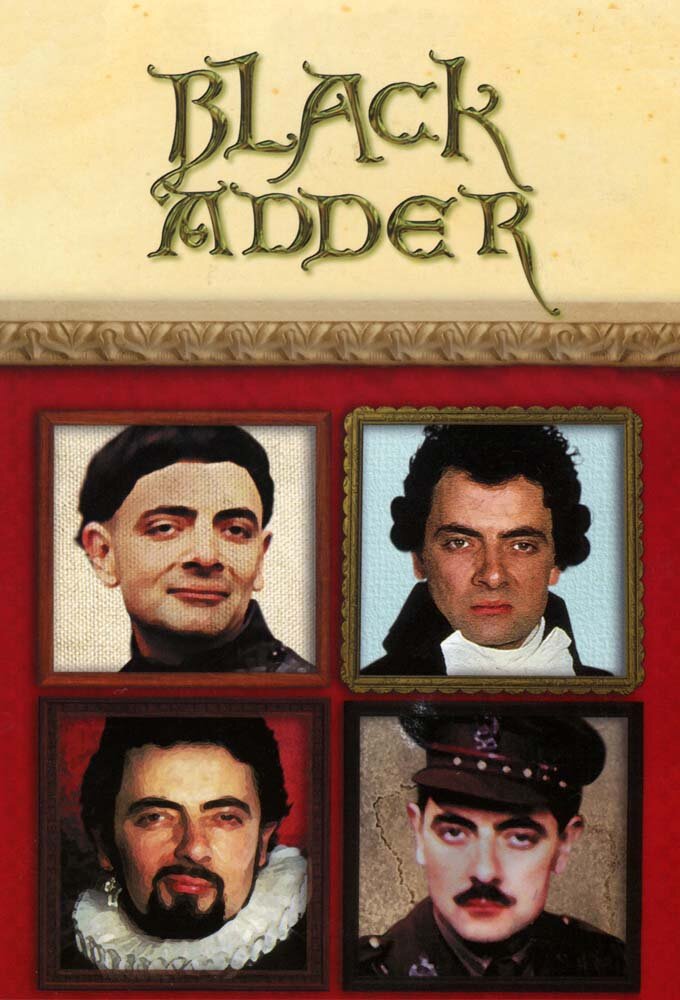
Blackadder1983
Both follow a self-inventing rogue climbing English social hierarchy, narrated with running irony about how little any of it matters — Blackadder just plays the joke for laughs instead of tragedy.
The same picaresque engine — a cunning schemer working his way through English history by wit and treachery — rebuilt as gleeful, quotable farce with jokes instead of a narrator's dry doom.
But Broad sitcom silliness and anachronistic gags are about as far from Kubrick's tone as you can get; it's comedy first, history a distant second.
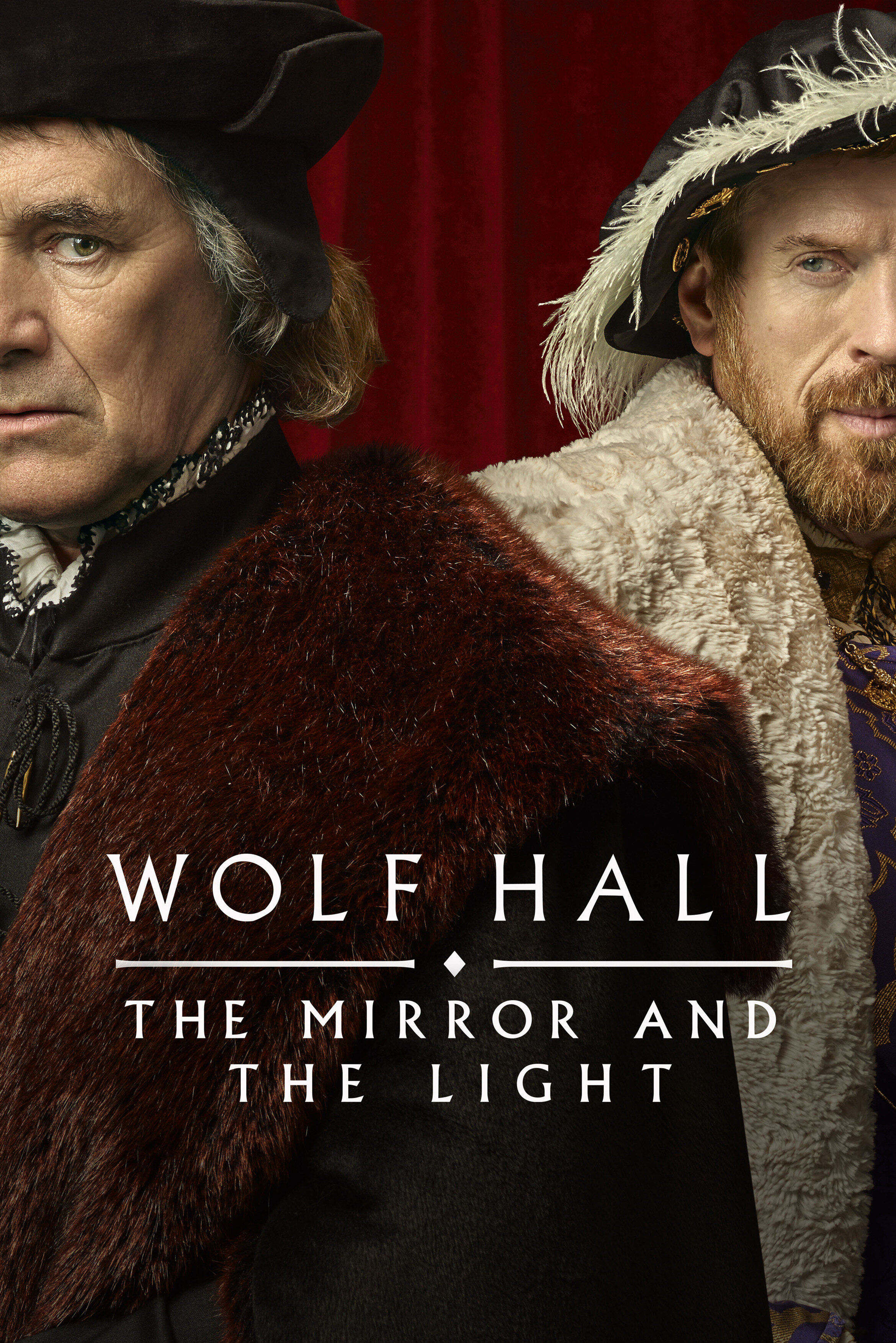
Wolf Hall2015
Shares Kubrick's specific obsession with natural and candlelit photography as a way of filming ambition and downfall, but moves the idea a century earlier and into serialised television rather than a single sweeping film.
A miniseries built almost entirely from candlelight and window light, following another quiet, calculating man rising through a court that will eventually discard him — hushed and visually rigorous in exactly Kubrick's spirit.
But Six hours of near-whispered dialogue and Tudor procedure demand close attention and offer little of Kubrick's grandeur or irony.
People
Cast
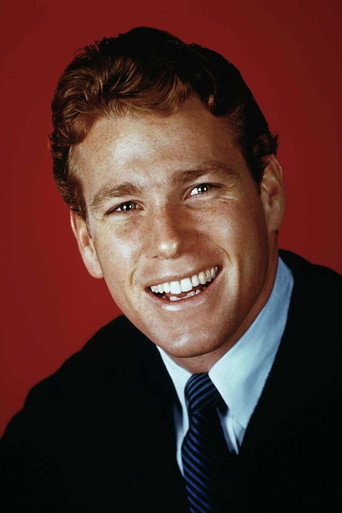 Ryan O'NealBarry Lyndon
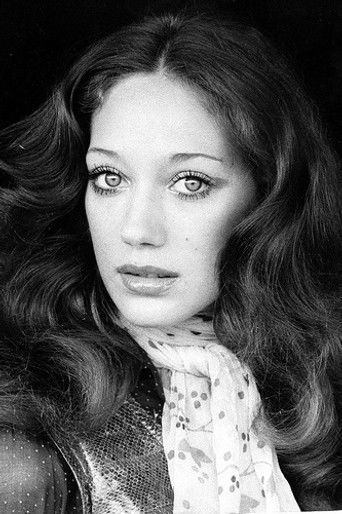 Marisa BerensonLady Lyndon
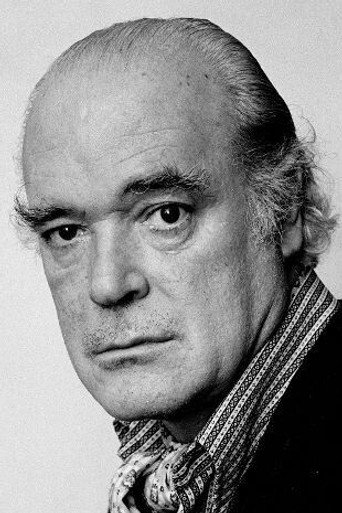 Patrick MageeThe Chevalier
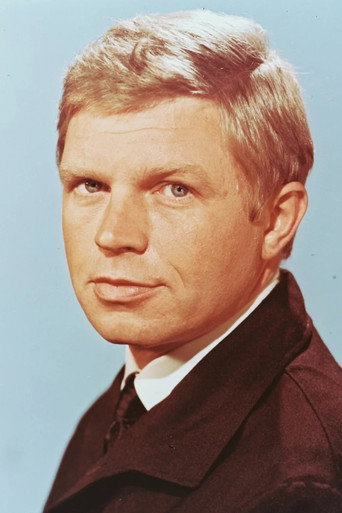 Hardy KrügerCaptain Potzdorf
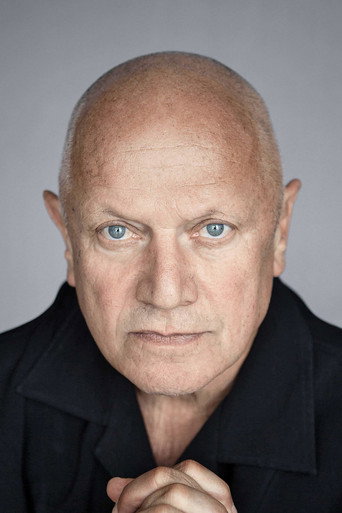 Steven BerkoffLord Ludd
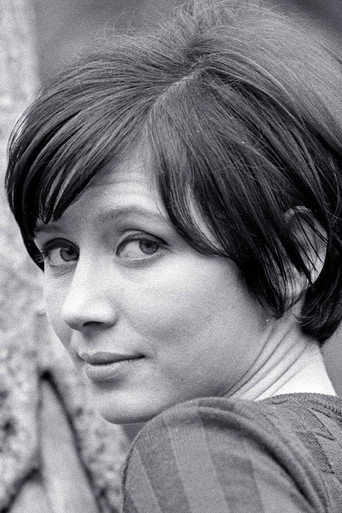 Gay HamiltonNora
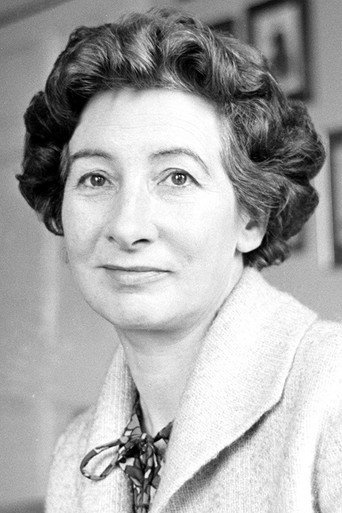 Marie KeanBarry's Mother
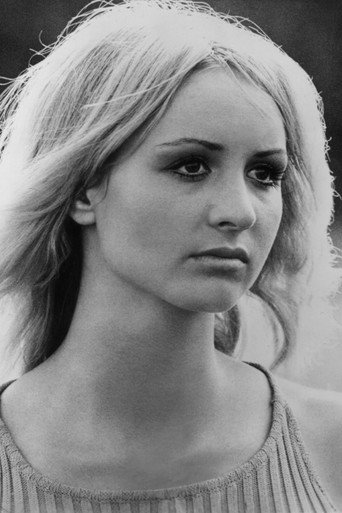 Diana KörnerGerman Girl
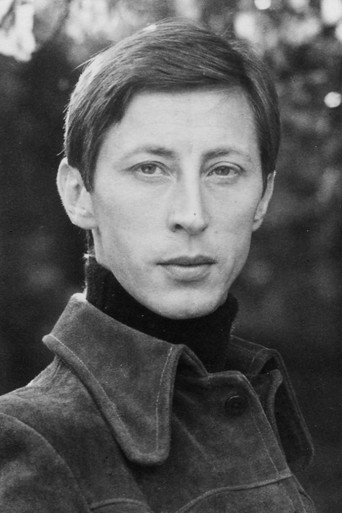 Murray MelvinReverend Runt
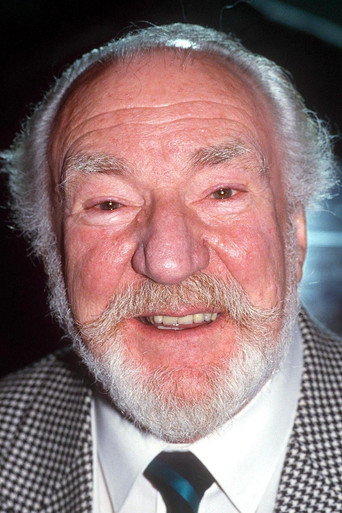 Frank MiddlemassSir Charles Lyndon
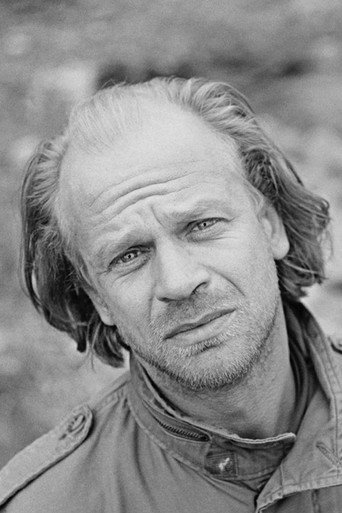 Leon VitaliLord Bullingdon
- Arthur O'SullivanHighwayman
Directing
- Brian W. CookAssistant Director
- David TomblinAssistant Director
- Michael StevensonAssistant Director
- Stanley KubrickDirector
Writing
- William Makepeace ThackerayNovel
- Stanley KubrickScreenplay
Production
- Bernard WilliamsAssociate Producer
- Jan HarlanExecutive Producer
- Stanley KubrickProducer
- Terence A. CleggProduction Manager
Recommended by
Ran, The Leopard, Lawrence of Arabia, Culloden, The Favourite, Pride & Prejudice, Kind Hearts and Coronets, The Life and Death of Colonel Blimp, Dangerous Liaisons, The Rules of the Game, Amadeus, Tom Jones, Lalka, Scaramouche, Orlando, Marie Antoinette, Andrei Rublev, The Servant, Days of Heaven, The New World, The Duellists, Great Expectations, Ivan the Terrible, Part I, Senso