
Film
Culloden
Peter Watkins restages the 1746 slaughter of the Jacobite army as though a news crew had been embedded with both sides, interviewing soldiers, officers and starving Highland families before, during and after the massacre. It's blunt, angry and deliberately unglamorous — sixty-nine minutes treating a two-century-old atrocity like breaking news. Essential for anyone curious how documentary technique can double as moral indictment.
If you liked this
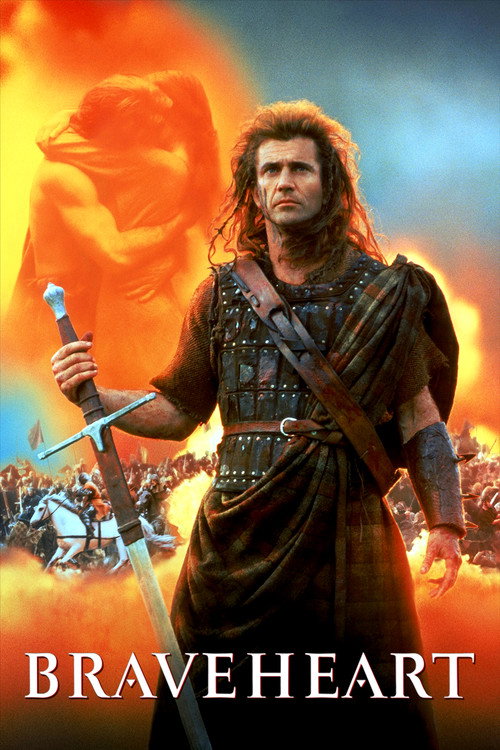
Braveheart1995
Same doomed Highland cause, same broadswords-and-heather landscape, but pumped full of Hollywood adrenaline and swelling score — the rousing, mythologising version of this story that Culloden refuses to tell.
But Gibson's history is wildly inaccurate and the tone is triumphant where Culloden is furious — if you want facts, look elsewhere.
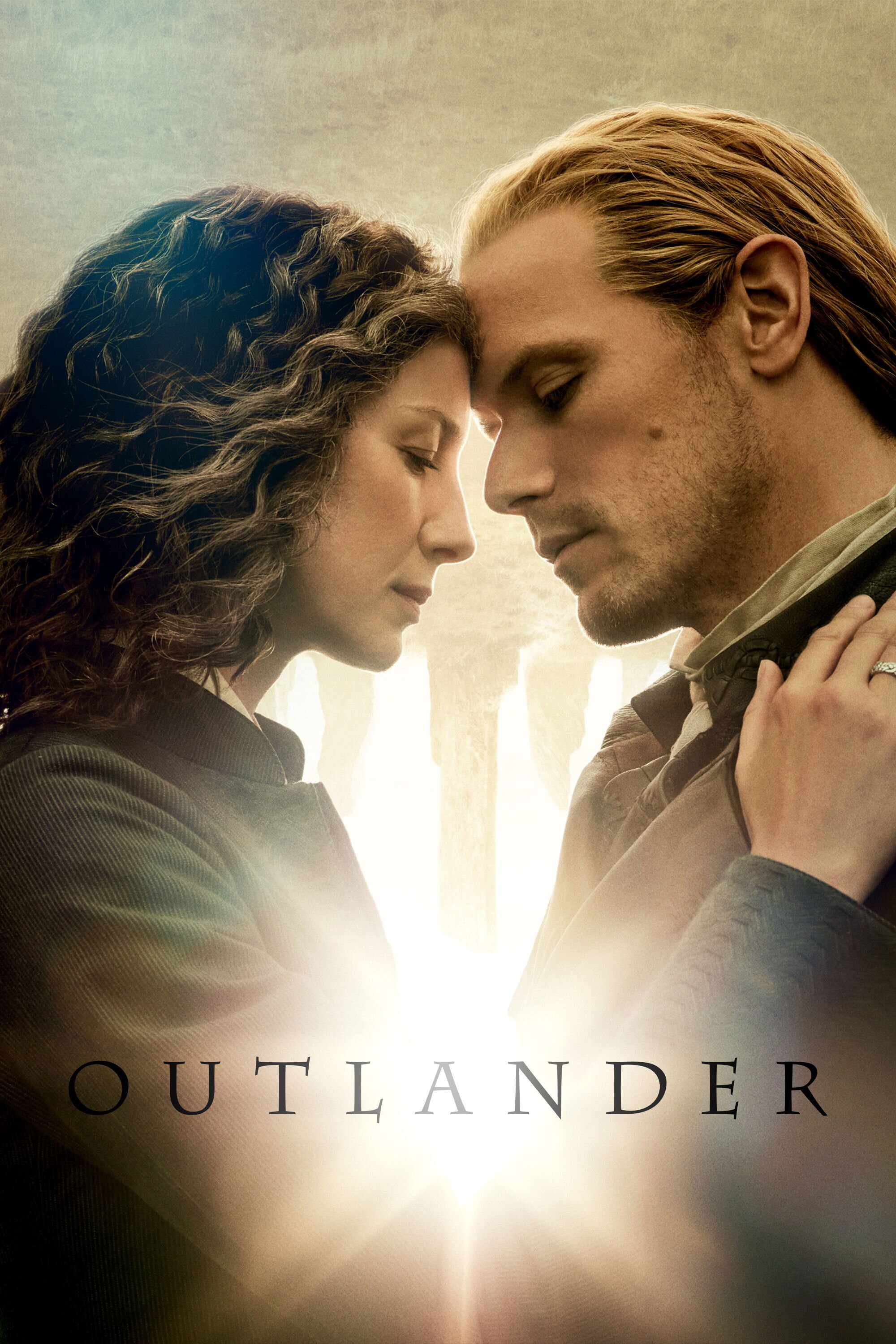
Outlander2014
Set in the exact same Jacobite world, with Culloden itself looming as the show's dreaded endpoint — great if you want the human drama and romance Watkins deliberately strips away.
But It's time-travel romance first, history second, and takes many seasons to even arrive at the battle you already know about.
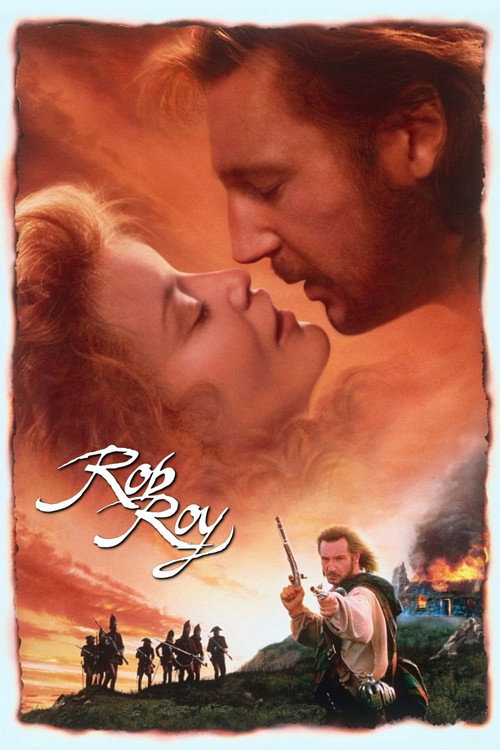
Rob Roy1995
Same era, same clans, same casual English contempt for Highland life, but told as a grounded, muddy revenge drama rather than a mock-newsreel indictment.
But It's a personal vendetta, not a national tragedy — don't expect the wide-angle historical reckoning Culloden delivers.
The wildcard
Something you would not have found on your own.
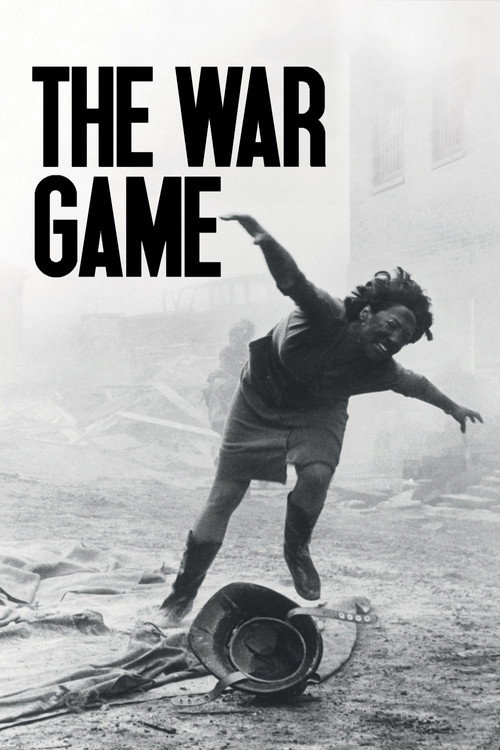
The War Game1966
Same director, same invented technique of embedded reportage inside disaster — Watkins simply turned the device forward instead of back, from a real massacre to an imagined one.
Watkins' very next project, made the same year, points his mock-documentary camera at a nuclear strike on Britain — same clipped narration, same ordinary faces reporting catastrophe, only the enemy is the future.
But It's even bleaker than Culloden, with no historical distance to soften it — this is deliberately, unbearably close to home.
More like this (8)
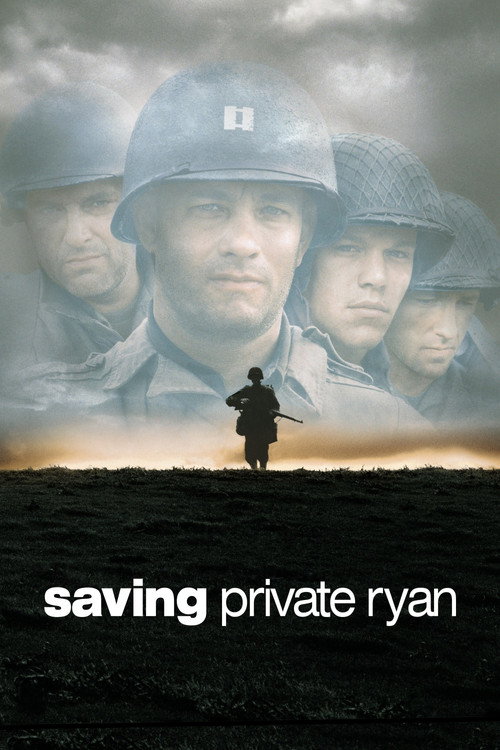
Saving Private Ryan1998
If it was the chaos and terror of Culloden's battle scenes that floored you, this gives you the same disorienting, blood-soaked ground-level combat two centuries later.
But Different war, different politics entirely — the connection here is purely visceral, not historical.
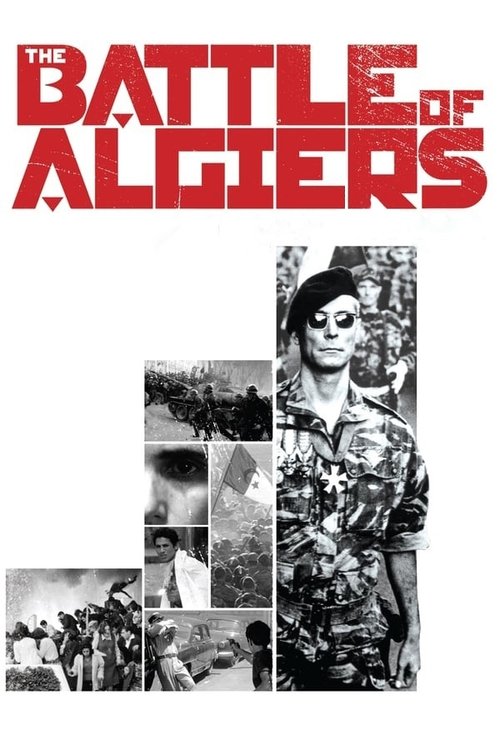
The Battle of Algiers1966
Pontecorvo turns the same fake-newsreel urgency Watkins pioneered onto colonial occupation and guerrilla resistance — furious, immediate cinema that believes it should indict, not entertain.
But It's dense with political detail and demands full attention — not a film you can watch with half your brain elsewhere.
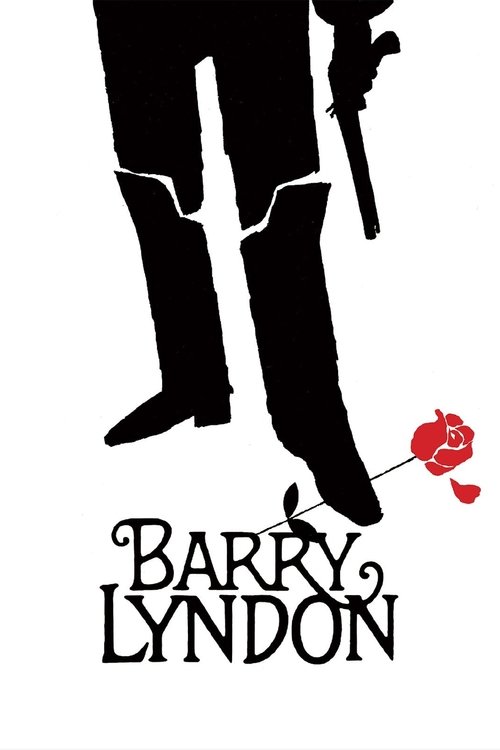
Barry Lyndon1975
Kubrick's eighteenth-century Europe is gorgeous where Watkins' is grim, but both strip the romance from war and class, treating ambition and violence as cold, indifferent machinery.
But It's three hours of glacial, painterly pacing — the exact opposite of Culloden's urgent, breathless sixty-nine minutes.
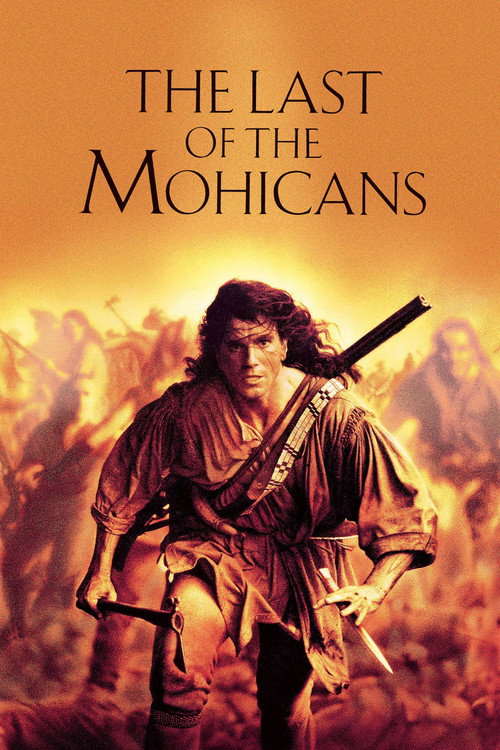
The Last of the Mohicans1992
Another doomed people caught between empires in a war they didn't choose, with battle scenes that hit just as hard, if slicker and more romantic.
But Michael Mann wants your pulse racing for love as much as history — the politics get some Hollywood polish.
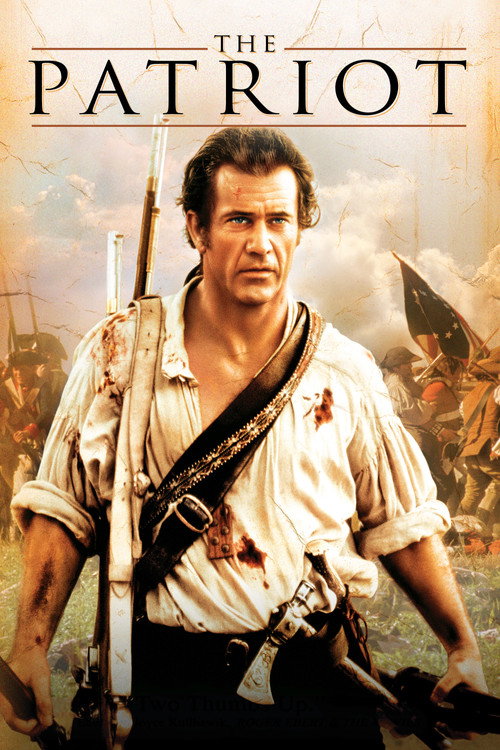
The Patriot2000
Another crushed rebellion avenged, with real interest in what occupying soldiers actually did to civilians — just with a cathartic ending Culloden would never grant.
But It flattens messy colonial politics into a clean hero's-revenge arc — subtlety was never the goal.
Waterloo1970no page yet
A genuinely epic recreation of one decisive battle using real armies and real scale, for anyone who wants the historical-reenactment itch scratched further.
But It's a bigger, far more conventional spectacle — none of Culloden's queasy, you-are-there intimacy.
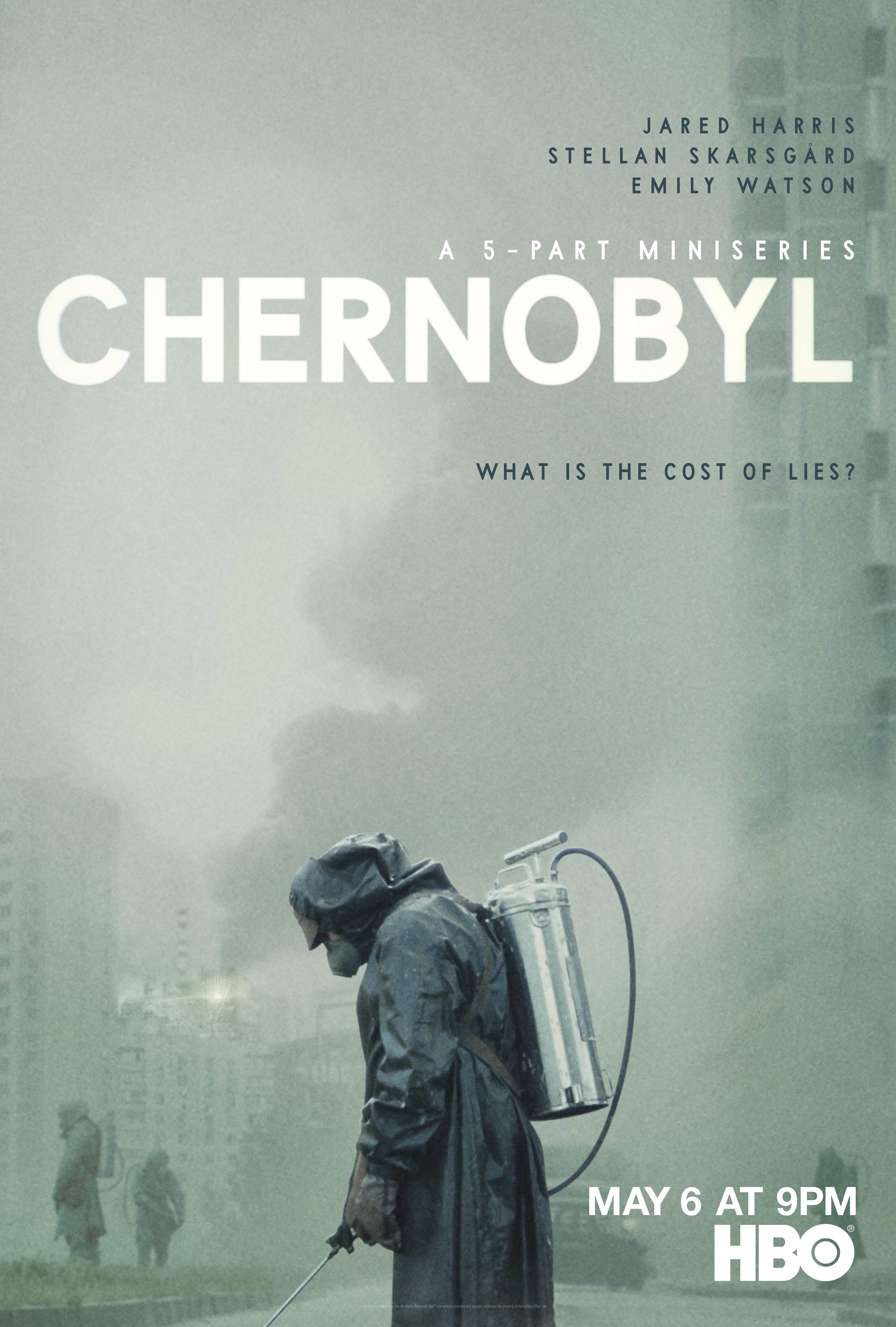
Chernobyl2019
Both are docudramas built to indict specific decision-makers for a disaster, refusing the comfort of official history — Culloden does it for a battlefield, Chernobyl for a reactor.
A modern five-hour version of the same instinct: reconstruct a catastrophe scene by scene and put the blame exactly where it belongs, on the men who caused it.
But It's a longer, far glossier prestige production — none of Culloden's rough, handheld urgency or 69-minute discipline.
Highlander1986no page yet
Both mine the mythology of the doomed Highland warrior; Culloden mourns it as historical fact, Highlander repurposes it as swaggering B-movie legend.
Same misty glens and clan swordplay, dragged into gleefully trashy immortal-warrior fantasy — a chance to see the exact same landscape used for pulp instead of grief.
But It's deliberately, unapologetically silly — synth score and sword duels across centuries, with none of Culloden's moral seriousness.
People
Cast
- George McBeanAlexander McDonald (uncredited)
- Olivier Espitalier-NoelPrince Charles Edward Stuart (uncredited)
- Tony CosgroveLt. Ward / Field Interviewer (voice) (uncredited)
- Robert OatesPrivate Alexander Laing (uncredited)
- Patrick WatkinsCrying Baby (uncredited)
- Don FairserviceEnglish Officer (uncredited)
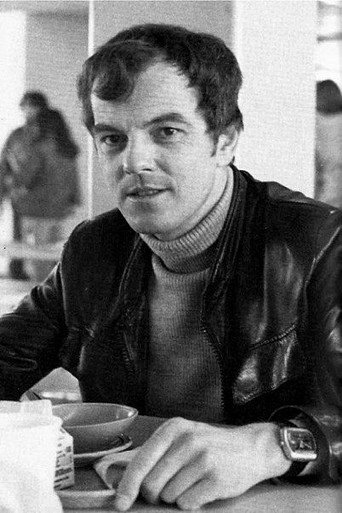 Peter WatkinsField Interviewer (voice) (uncredited)
Directing
- Peter WatkinsDirector
Writing
- John PrebbleBook
- Peter WatkinsWriter
Production
- Peter WatkinsProducer
- Geoff SandersProduction Designer
- Geraldine ProudfootProduction Designer
- Jennifer HowieProduction Designer
- Michael PowellProduction Designer
- Rodney BarnesProduction Designer
- Roger HighamProduction Designer
- Valerie BoothProduction Designer