Television series
Days of Hope
A BBC serial that follows a working-class family across the tumultuous decade from the First World War through the General Strike, tracing how personal lives and political upheaval interweave. It's intimate domestic drama shot through with historical consequence, asking how ordinary people survive extraordinary times. Made in 1975 for viewers who wanted their television to mean something.
If you liked this
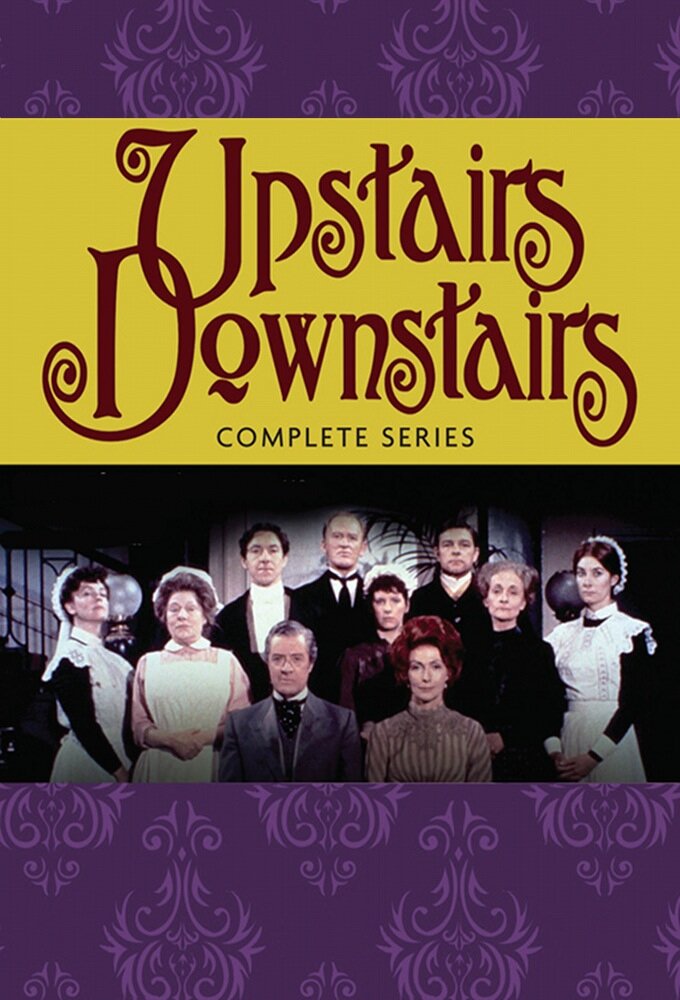
Upstairs, Downstairs1971
Parallels Days of Hope's interest in class and historical moment, but through the microcosm of a single townhouse. Brilliantly observed, with real political edge beneath the costume drama surface.
But Can feel stately and slow if you want plot momentum. Some episodes are mannered in ways that haven't aged well.
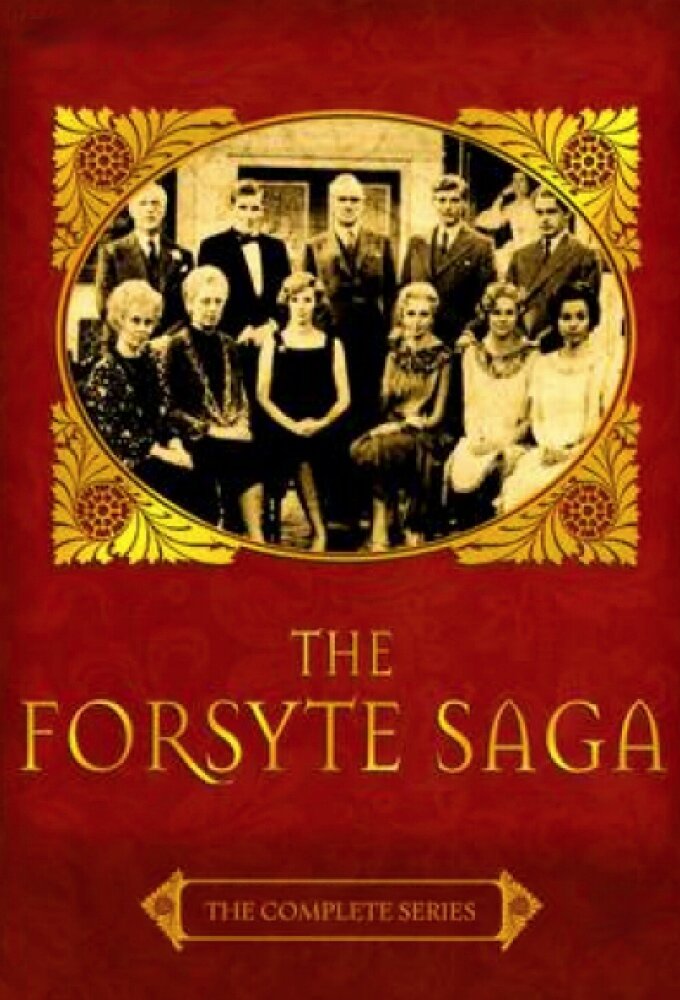
The Forsyte Saga1967
Another generational chronicle that tracks a family through decades of social change. Sweeping, character-driven, with genuine attention to how history reshapes intimate relationships.
But The pacing reflects its era—patient in a way modern television isn't. Very long if you commit to it all.
Poldark2015
Contemporary period drama that also weaves personal struggles against historical backdrop. First transmission was the same year as Days of Hope; both are asking the same questions about duty and survival.
But More romantic and less politically engaged. If you want social critique rather than emotional spectacle, it's softer.

Not sure tonight? Get a pick in a minute, starting from Days of Hope
The wildcard
Something you would not have found on your own.
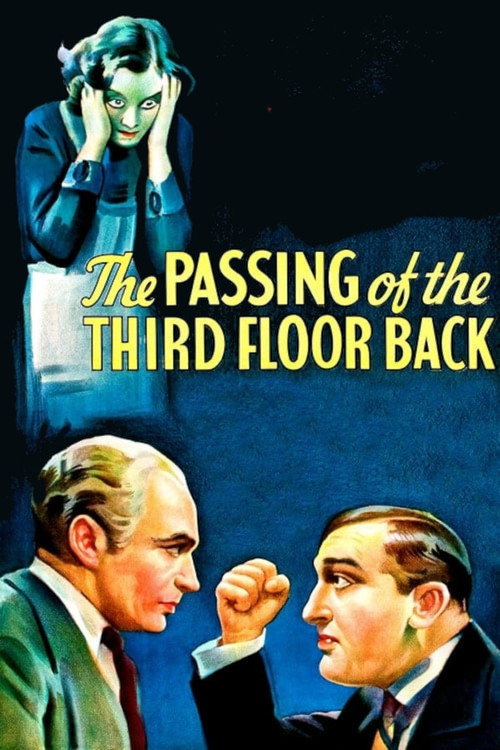
The Passing of the Third Floor Back1935
Both are BBC productions convinced that television is the right medium to reveal the dignity and complexity in working and lower-middle-class lives. Same institution, same mission, thirty years apart.
An earlier BBC adaptation of a play about grace entering a boarding house full of ordinary struggling people. Same company, same sensibility—faith in small moments and small people mattering.
But Very slow, very theatrical, very strange by modern standards. The mysticism will baffle or alienate you.
More like this (7)
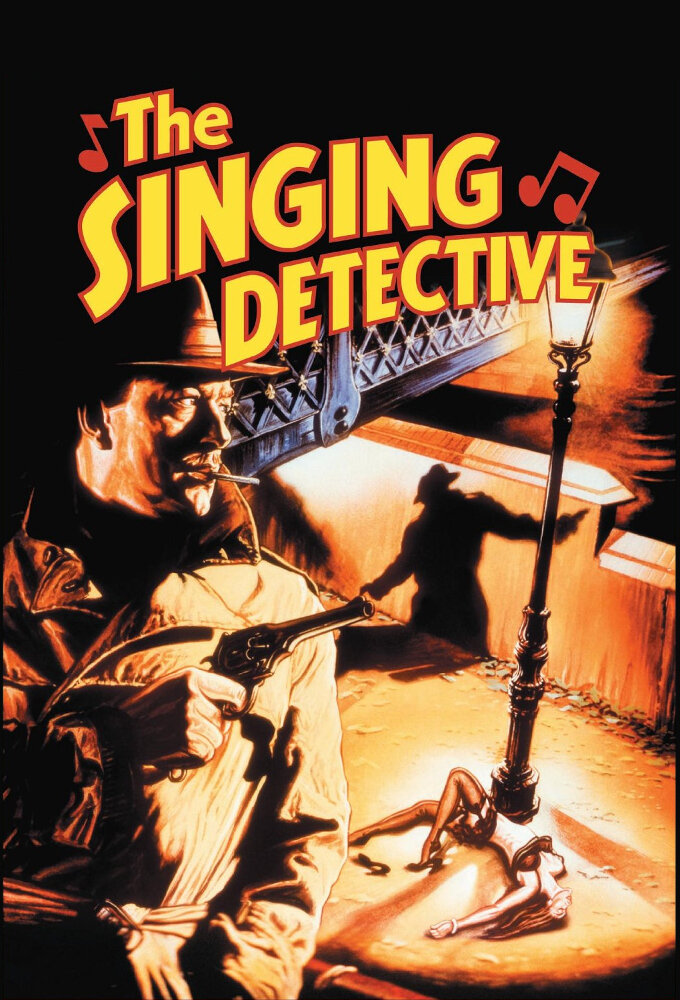
The Singing Detective1986
Dennis Potter's masterpiece about a man in a hospital bed, shifting between present and past. Like Days of Hope, it refuses to separate personal anguish from social context, and it's hypnotic.
But Surreal, sometimes grotesque. Not a comfortable watch. The structure takes patience to follow.
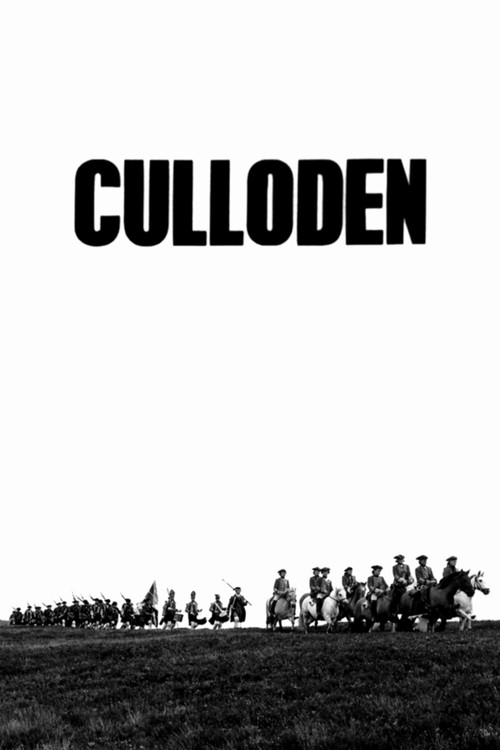
Culloden1964
Peter Watkins' documentary-drama hybrid about the 1746 Scottish uprising. Same era, same commitment to making history visceral and felt rather than explained. Genuinely startling.
But Shot like a documentary report on a real tragedy. It's bleak and the cinéma vérité style can feel cold, which is exactly the point but not to everyone's taste.
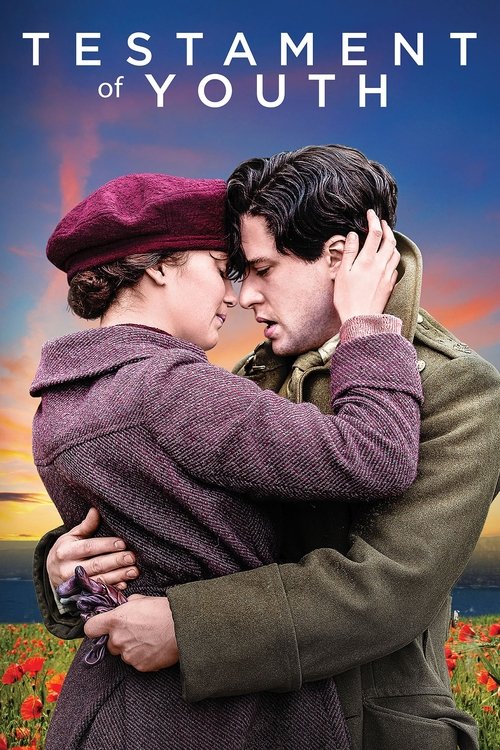
Testament of Youth2015
Vera Brittain's coming-of-age memoir set against the First World War. It has Days of Hope's understanding that the war doesn't happen *to* history—it happens to people you know.
But Literary adaptation. If you want working-class voices rather than an upper-middle-class perspective, this won't satisfy that.
The Cheviot, the Stag and the Black, Black Oil1974
John McGrath's radical play about land ownership and Highland history. Made just before Days of Hope, it shares the conviction that television can tell stories about power and who gets hurt by it.
But Explicitly didactic. If you're allergic to art with a point to prove about politics, you won't want it.
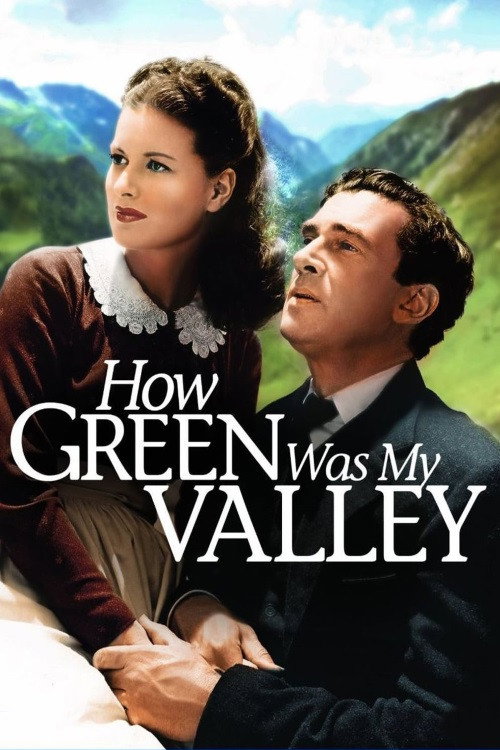
How Green Was My Valley1941
Welsh mining family saga shot through with class consciousness and the way work shapes everything. Lyrical but unsentimental about working-class life and what it costs.
But Made in Hollywood in 1941 and it shows. The perspective is sympathetic but from a distance, which can feel patronising now.
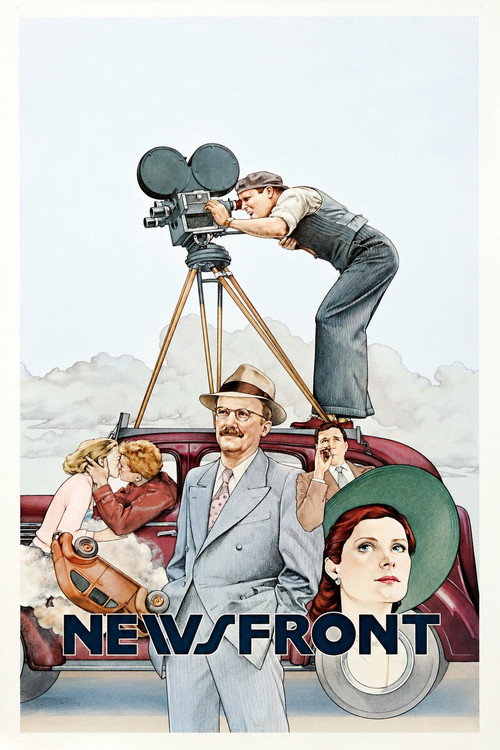
Newsfront1978
Australian film about newsreel cameramen across the 1950s. Similar mood to Days of Hope—how private lives get caught up in public events, the pull between ambition and integrity.
But Quietly paced. Not much happens moment to moment. You have to be interested in the period and the people or you'll find it slow.
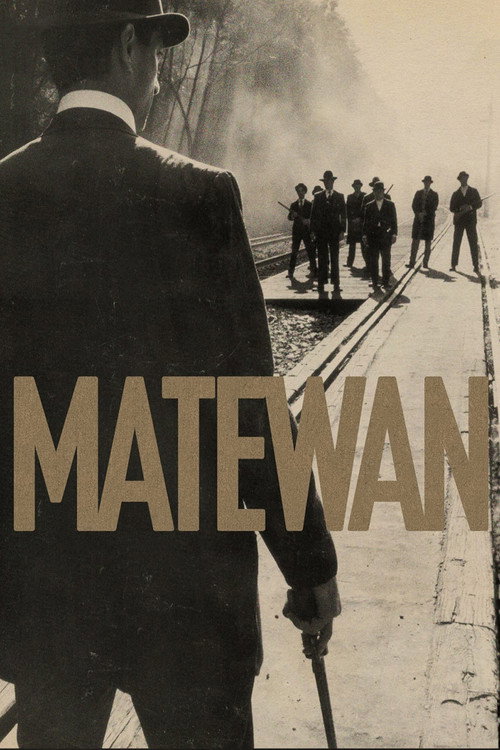
Matewan1987
Both set in the 1920s, both about the moment when working people organise and everything breaks open. Days of Hope shows it from Britain's household; Matewan shows it from America's mining town.
John Sayles' film about a 1920 West Virginia coal miners' strike. Epic in scope but intimate in detail, political but never preachy. One of the best films about labour and justice ever made.
But Violence when it comes is ugly and sudden. American labour history is less familiar to British audiences. The accent and dialect will need your attention.