
Film
The Passing of the Third Floor Back
A mysterious stranger takes a room in a shabby London boarding house and gently transforms the lives of its squabbling, morally adrift tenants. Director Berthold Viertel's 1935 fantasy is less interested in plot than in redemption—a meditation on grace, kindness, and what we owe each other, told with surprising tenderness and very little sentimentality. It's for anyone who believes that people can change.
If you liked this
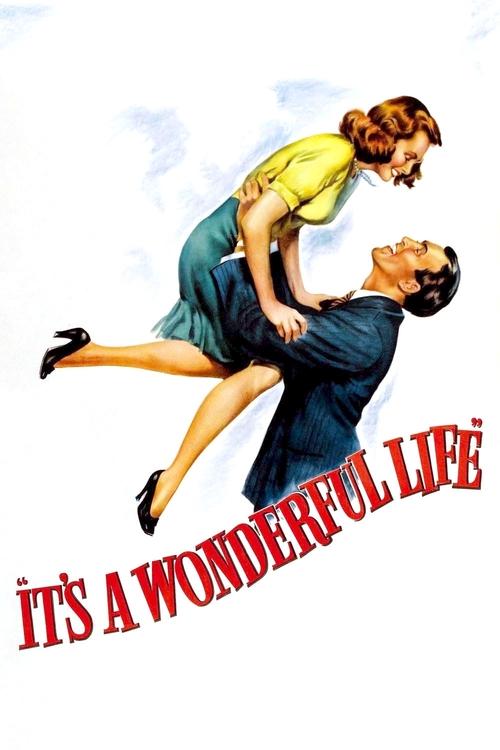
It's a Wonderful Life1946
Frank Capra's masterpiece shares the same moral architecture: an angel-like figure shows us what we might become. Both films trust that goodness matters, and that small acts reshape the world.
But Capra's film is relentlessly well-known and beloved. The ending can feel engineered. Watching it sometimes means watching nostalgia, not discovery.
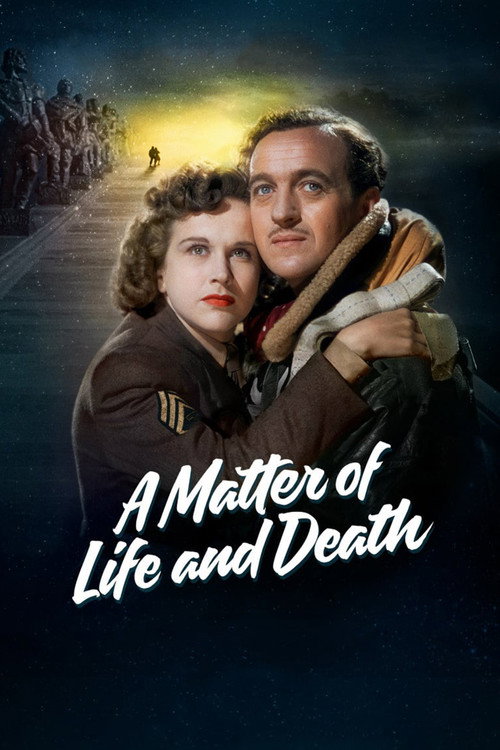
A Matter of Life and Death1946
Powell and Pressburger's fantasy about judgment and grace. Like the third floor back, it asks whether love and sacrifice matter more than circumstance, and it answers yes with visual rapture.
But The plot mechanics can feel creaky; the film sometimes chooses beauty over clarity. It's patient and elliptical when you might want directness.
The Third Man1949
Carol Reed's Vienna noir also fixes on a mysterious presence—but one who is complicit in corruption. The inverse moral universe lets you see the Viertel film's faith more clearly.
But It's a thriller first, philosophical second. The tone is cynical, the mood is cold. If you want warmth, you won't find it here.

Not sure tonight? Get a pick in a minute, starting from The Passing of the Third Floor Back
The wildcard
Something you would not have found on your own.
A Ghost Story2017
Both believe that presence itself can be transformative; both use a house as a character; both ask what we leave behind and what we owe strangers.
David Lowery's film about a ghost haunting the house where he died is a radically different kind of transformation tale: the living change the dead as much as spirits change the living. Both films know that presence—just being there—can be redemptive.
But It's shot on square-format video, it moves with glacial patience, and its ending is philosophically bleak. It looks and feels nothing like a 1935 film.

More like this (8)
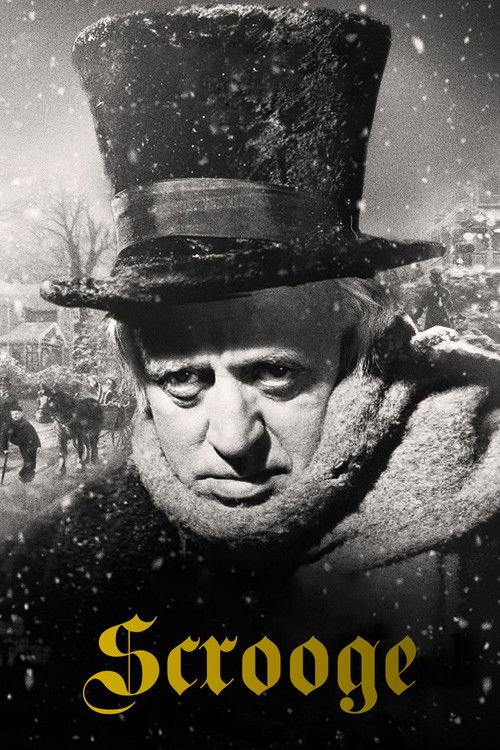
Scrooge1951
Brian Desmond Hurst's Dickens adaptation—possibly the best film version—follows the same shape: a spiritual intruder redeems the lost through confrontation with what they've become.
But Alastair Sim's performance, though magnificent, dominates the film. The supporting characters are sketches beside him.
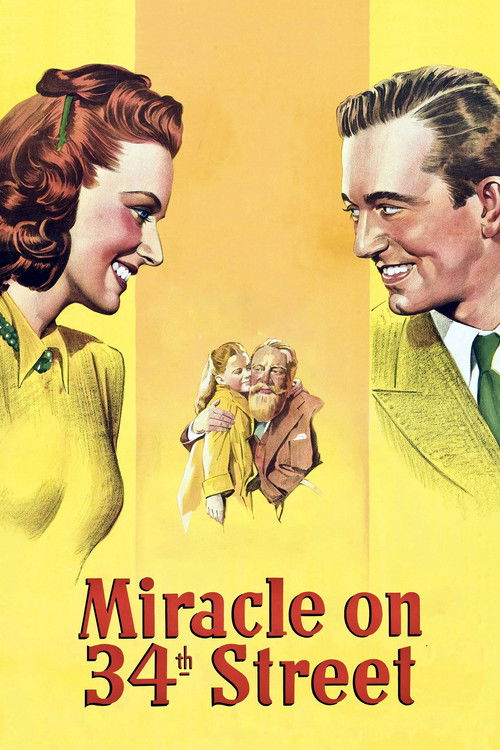
Miracle on 34th Street1947
Like Viertel's film, it's a fable about faith quietly transforming cynicism. It trusts the audience to believe in the possibility of grace without winking.
But It's genteel, sometimes overly neat. Modern viewers may find it too wholesome, too convinced of American goodness.
The Best Years of Our Lives1946
William Wyler's epic is also about transformation—this time of returning soldiers. It shares the boarding-house film's faith that people carry hidden wounds that need witnessing.
But It's three and a half hours and sometimes didactic. The scale is entirely different—vast instead of intimate.

Brief Encounter1945
Noël Coward's drama is equally interested in restraint and the inner lives of people held back by circumstance. Both films believe in longing as a form of dignity.
But It's shot in black-and-white on a small canvas. The emotional tenor is melancholy rather than uplifting.

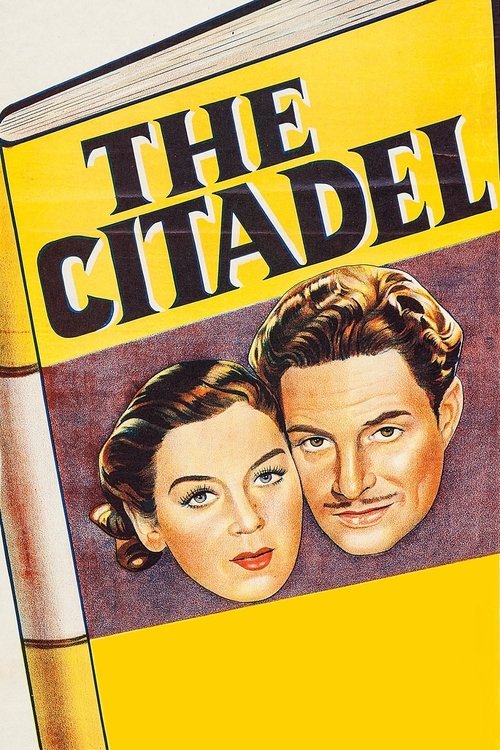
The Citadel1938
King Vidor's adaptation shows a man undone by ambition—the reverse trajectory of Viertel's redemption arc, but equally invested in moral reckoning.
But It's a prestige drama from the studio era: competent, important, sometimes stiff. It doesn't sing.
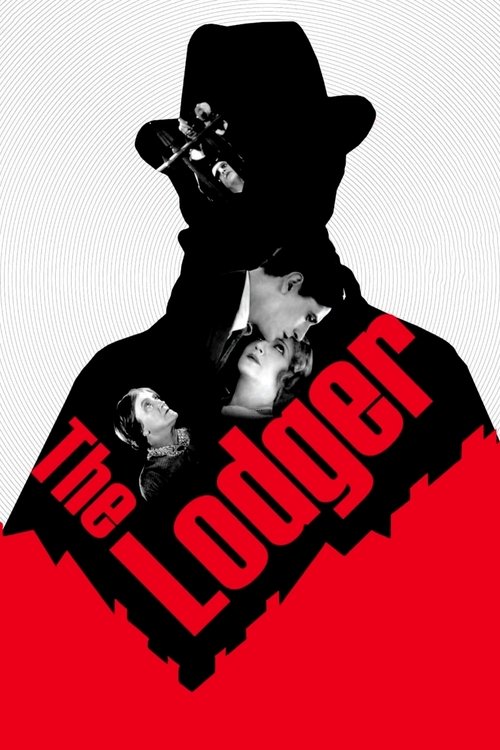
The Lodger: A Story of the London Fog1927
Hitchcock's silent film also centers on a mysterious lodger in a London house. The paranoia is the photographic negative of Viertel's faith—same situation, opposite meaning.
But It's silent, it's ninety years old, and it moves like 1927. Patient viewers only.
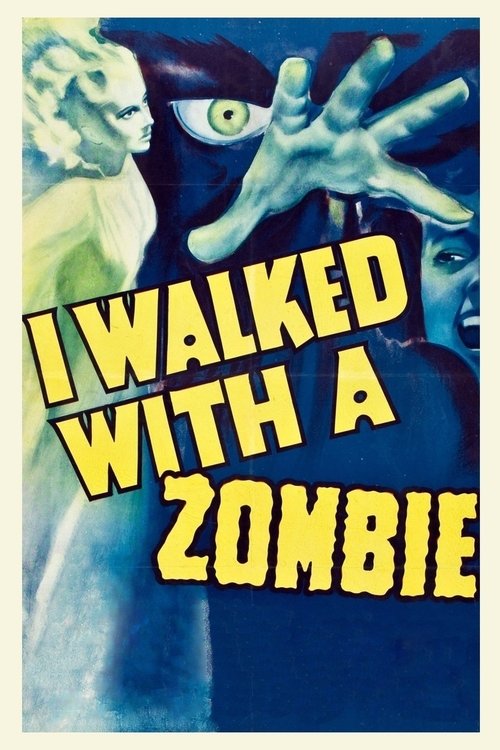
I Walked with a Zombie1943
Both use an otherworldly figure to wake the morally dormant; both trust mood and suggestion over explanation; both are formally perfect.
Jacques Tourneur's Val Lewton horror film is also about moral awakening through a mysterious outsider—but filtered through the grammar of the gothic and the supernatural. It proves the redemption formula works in any register.
But It's a horror film first, a spiritual drama second. If you want unambiguous grace, you won't find it. The beauty is cold.
Tokyo Story1953
Both are acts of profound attention to ordinary people; both believe transformation happens through witness rather than intervention; both use spatial geography (a house, family rooms) as moral architecture.
Ozu's masterpiece is about strangers and family, time and mortality, and the quiet dignity of everyday kindness. Like Viertel, it finds profundity in restraint and believes that watching people carefully is its own form of love.
But It's slow, dialogue-sparse, and structurally uneventful. It's Japanese cinema from 1953. It demands patience and gives no plot as reward.

People
Cast
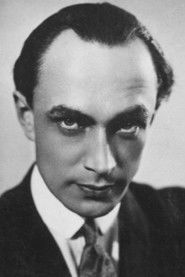 Conrad VeidtThe Stranger
 Rène RayStasia
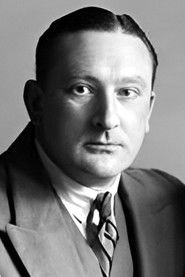 Frank CellierWright
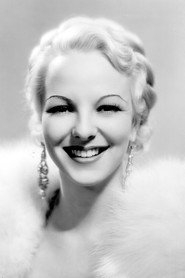 Anna LeeVivian Tomkin
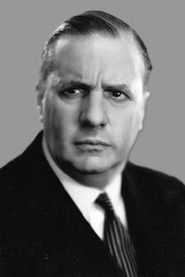 John TurnbullMajor Tomkin
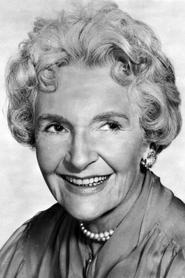 Cathleen NesbittMrs. Tomkin
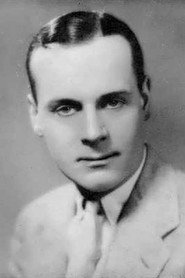 Ronald WardChris Penny
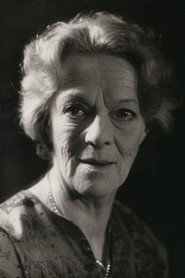 Beatrix LehmannMiss Kite
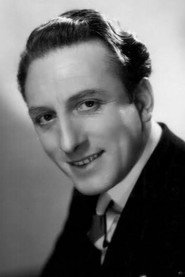 Jack LiveseyMr. Larkcom
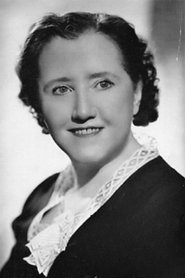 Sara AllgoodMrs. de Hooley
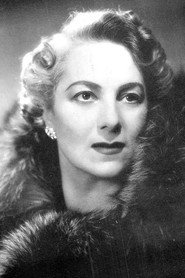 Mary ClareMrs. Sharpe
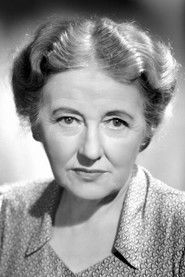 Barbara EverestCook
Directing
- Berthold ViertelDirector
Writing
- Alma RevilleScreenplay
- Michael HoganScreenplay
- Jerome K. JeromeStory
Production
- Ivor MontaguAssociate Producer
- Michael BalconProducer