
Television series
Upstairs, Downstairs
The show that invented the modern class-divide costume drama, following the Bellamy family and their servants at 165 Eaton Place from 1903 to 1930. It's slower, stagier and more theatrical than its imitators, but the writing has real bite about deference, duty and the century turning under everyone's feet. Perfect for anyone who wants the original blueprint, not the polished copy.
If you liked this
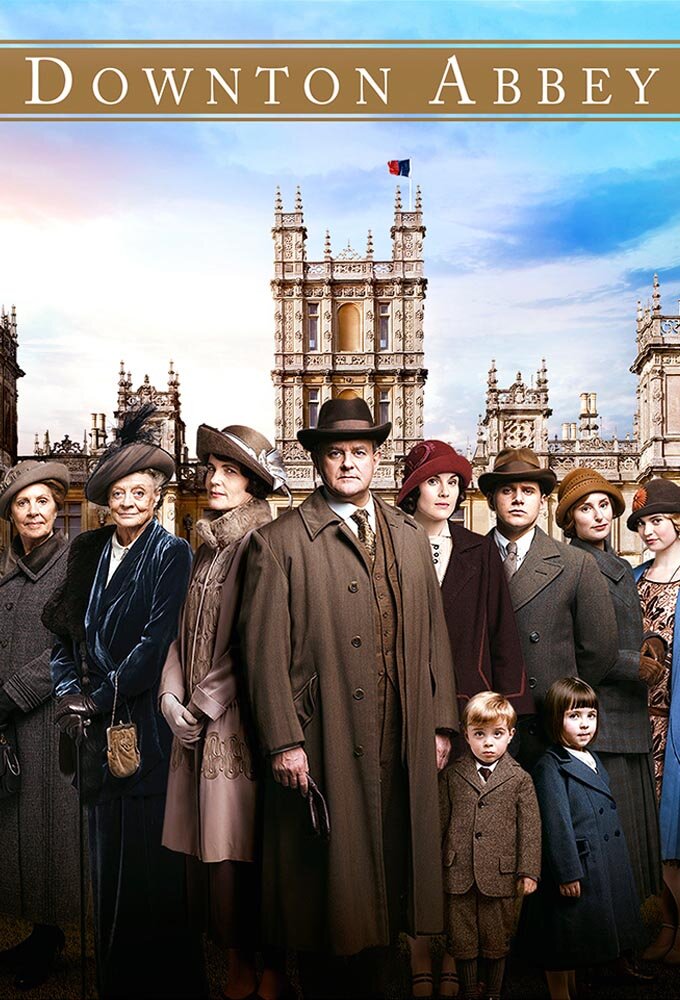
Downton Abbey2010
Julian Fellowes has openly credited this as his template, and it shows: same house, same hierarchy, same delight in watching history arrive through the servants' door as much as the front one.
But Glossier and cosier than the original, with less patience for the servants' own moral failings and more for soap-opera twists.
Gosford Park2001
Altman compresses the whole upstairs/downstairs machine into one country house weekend and one murder, with a script by Fellowes that's sharper and funnier than anything he wrote afterwards.
But Ensemble cast this large means characters brush past you before you've placed them; a second watch pays off more than the first.
The Forsyte Saga1967
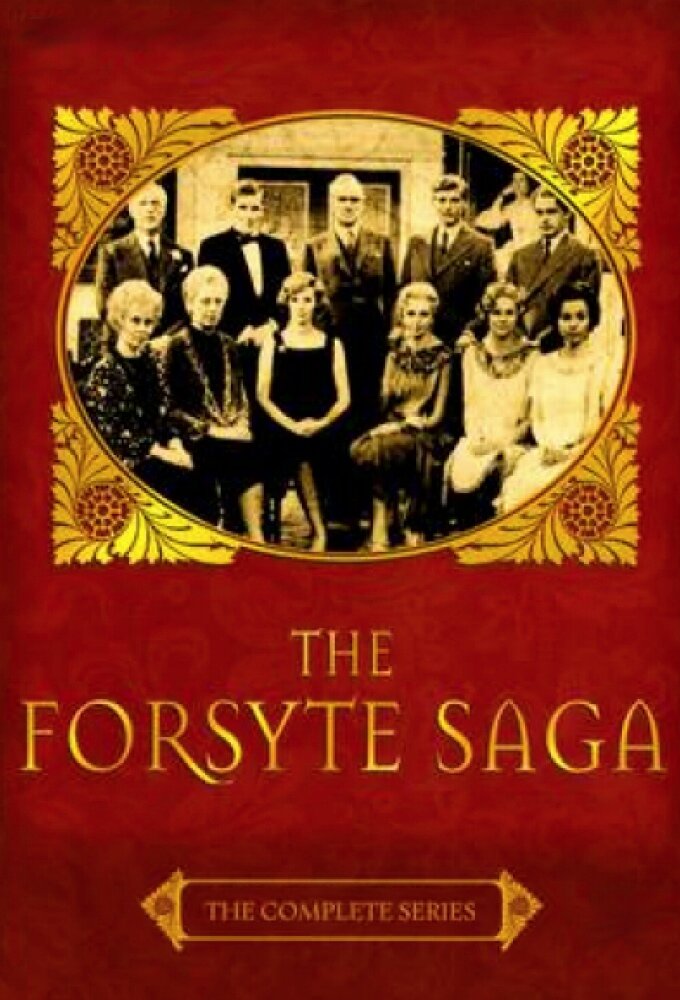
A slightly earlier, even more theatrical family saga tracking a wealthy English clan across decades — the show Upstairs, Downstairs was competing with when it started, and just as absorbing.
But Shot on video with all the stiffness that implies; it asks you to meet 1967 television halfway.
The wildcard
Something you would not have found on your own.
The Servant1963
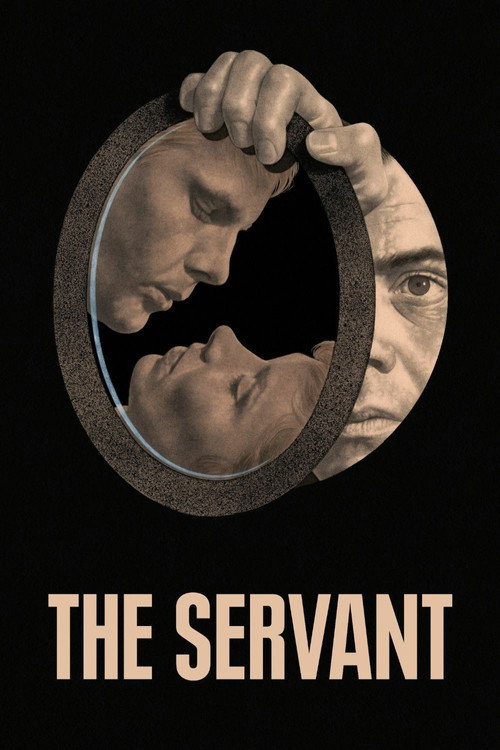
Same master-and-servant household, same era of British class anxiety, but Losey plays the psychological power games as a genuine thriller instead of a drama of manners.
A manservant slowly, deliberately inverts his power over his weak young master in a claustrophobic London house — everything Upstairs, Downstairs implies about the servant's leverage, played all the way out to menace.
But Cold, slow and unsettling by design; there's no warmth here, and the ambiguity is the point, not a flaw to be resolved.
More like this (7)
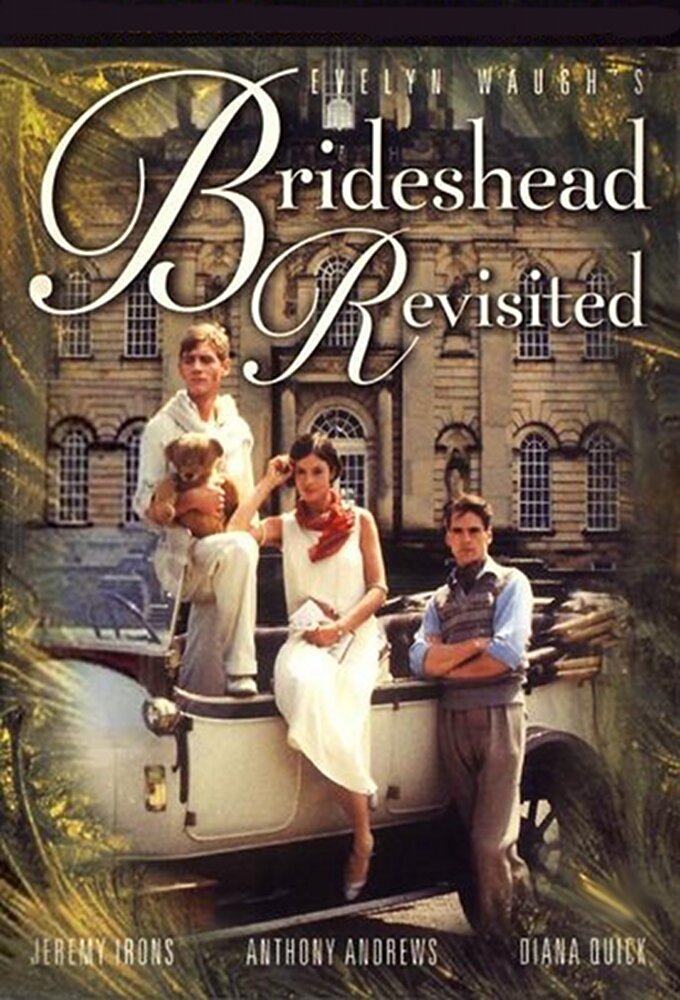
Brideshead Revisited1981
Swaps servants for undergraduates but keeps the obsession with a vanishing English world, tracked with the same patient, novelistic attention to how privilege actually feels from inside it.
But Elegiac and slow by design — this is a mood piece about loss, not a plot engine, and some evenings that's the wrong thing.
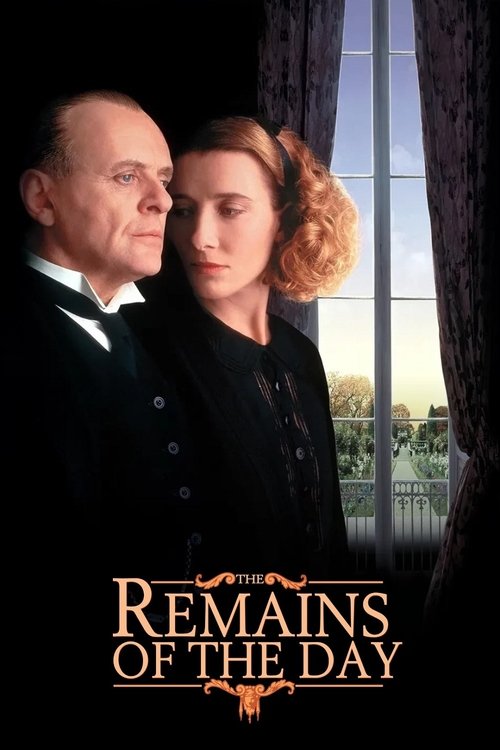
The Remains of the Day1993
Takes the butler's-eye view Hudson only gets fragments of and builds an entire devastating film around it — a portrait of a life spent in service to the wrong cause.
But Quiet to the point of anguish; it's a masterpiece of restraint, which means very little happens on the surface.
Parade's End2012no page yet
The First World War tears through the English class system here just as it does in the Bellamy household, but with prose (Ford Madox Ford via Tom Stoppard) that's stranger and more modern.
But Deliberately fractured, non-chronological storytelling that some viewers find bracing and others just find confusing.
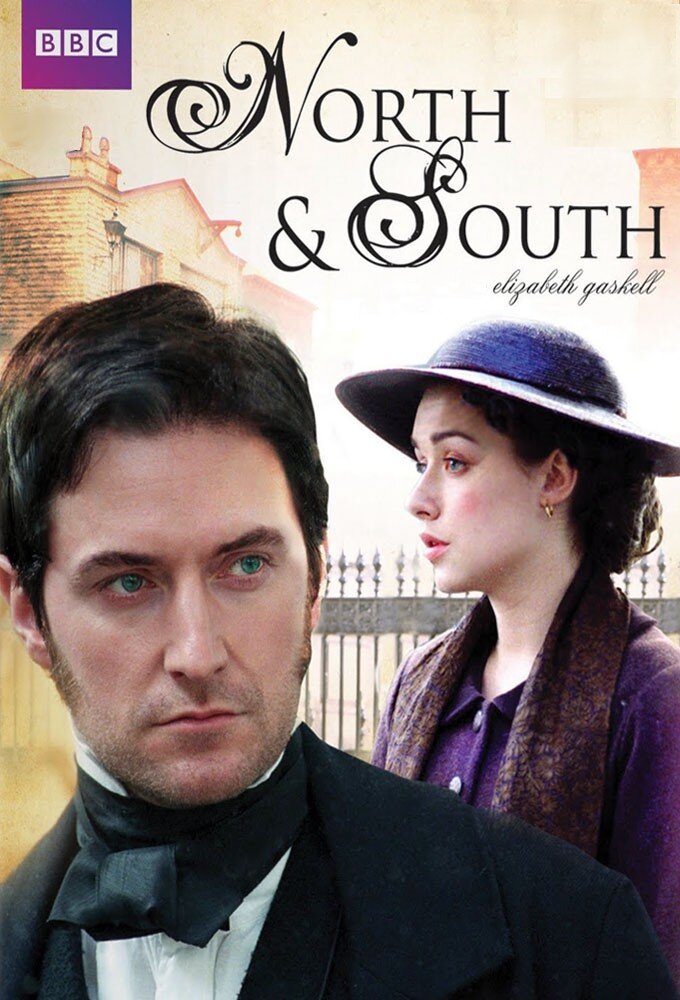
North & South2004
Class collision of a different kind — southern gentility against northern industrial money — with the same interest in how manners mask real power, plus a genuinely great central romance.
But More conventional and swoonier than Upstairs, Downstairs; the politics are there but the love story is doing the heavy lifting.
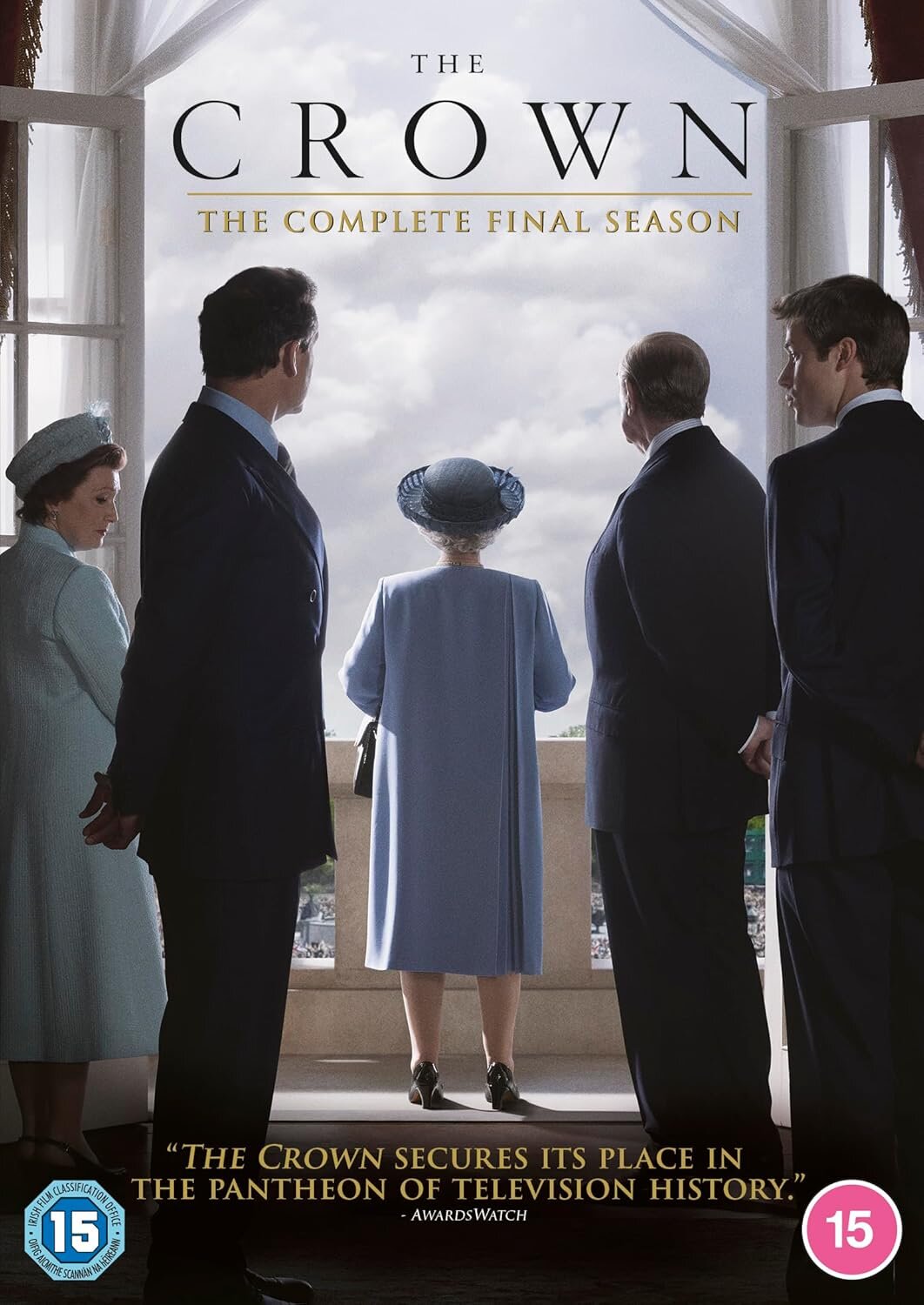
The Crown2016
The same obsessive documentation of a household living through great historical events, just moved upstairs entirely and forward a few decades — the servants' hall replaced by palace bureaucracy.
But No downstairs perspective at all; if what you loved was Hudson and Mrs Bridges, this won't scratch that itch.
Mr. Selfridge2013no page yet
Same Edwardian London, same fascination with a world in transition, but the hierarchy is a department store instead of a townhouse — different building, same anxious social ladder.
But Broader and soapier, with less interest in the quiet cruelties of service that give the original its edge.
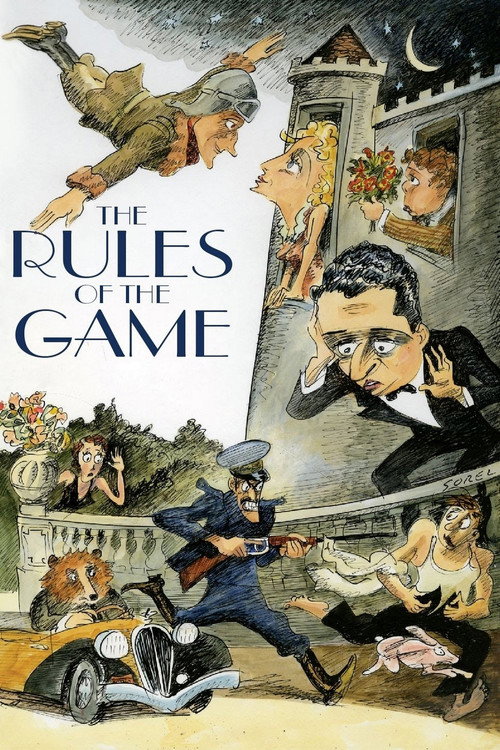
The Rules of the Game1939
Made three decades before Upstairs, Downstairs and in another language entirely, it's doing the exact same trick — servants and masters as a single social organism — but as satire sharpened right up to the edge of despair.
Renoir's aristocrats and their servants tangle in the same house over one country weekend, masters and staff mirroring each other's affairs and cruelties in a film that basically invents this whole genre.
But French, 1939, and structured more like a farce sliding into tragedy than a straightforward drama — it wants patience and a taste for irony.
People
Cast






Recommended by
Gosford Park, Downton Abbey, The Gilded Age, Jeeves & Wooster, Hazel, The Forsyte Saga, Cavalcade, The Servant