
Television series
The Duchess of Duke Street
A warmly observed period drama following Louisa Leyton's ascent from scullery maid to London's most celebrated hotelier and cook. Set in the Edwardian era around her glamorous hotel, it braids together romance, social climbing, household politics and genuine culinary detail. Elegant without being stiff, grounded in character, it rewards patience with real depth.
Should you watch it?
Watch it if you enjoy unhurried period drama about ambition and class, where the pleasure lies in the rooms below stairs and a heroine who wins by sheer appetite and nerve.
Skip it if you need a tight, plot-driven story, since this is episodic and leisurely, and its household detail and social manners can feel like a lot of teacups.
What it asks of you: Two series and 31 hour-long episodes, so it wants a long commitment and patience with a gradual build rather than quick payoffs.
Not sure? Find tonight's pick in a minute.
If you liked this
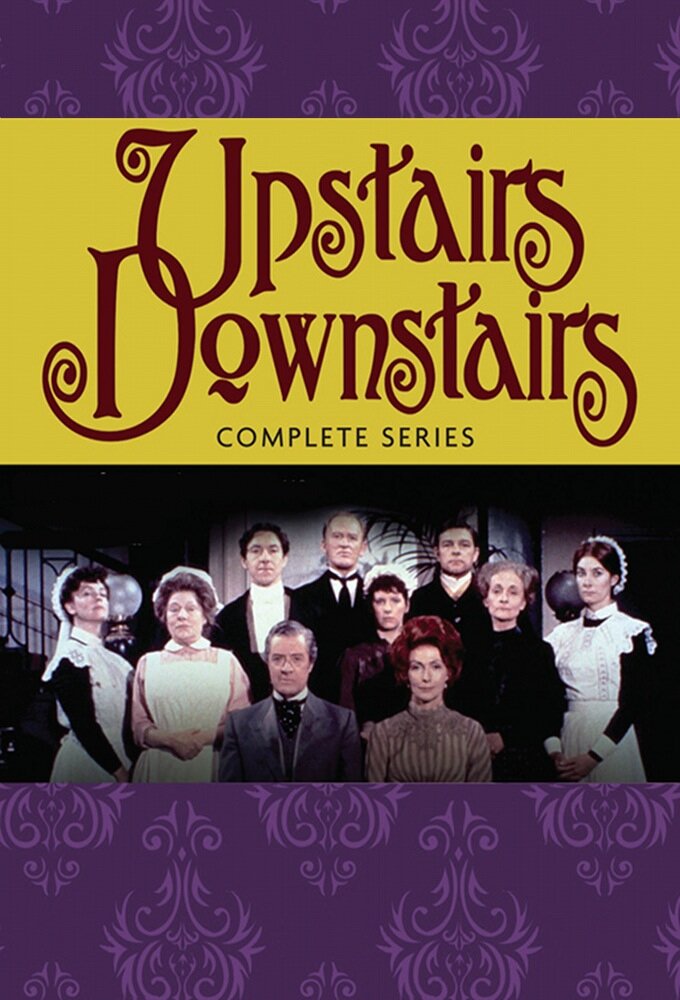
Upstairs, Downstairs1971
The obvious comparison and for good reason: meticulous period detail, an ensemble cast that moves between worlds, and a fascination with how hierarchies actually work. This invented the template.
But Spans fourteen years and five seasons across two decades. It demands commitment and the early episodes feel stiff by modern standards.
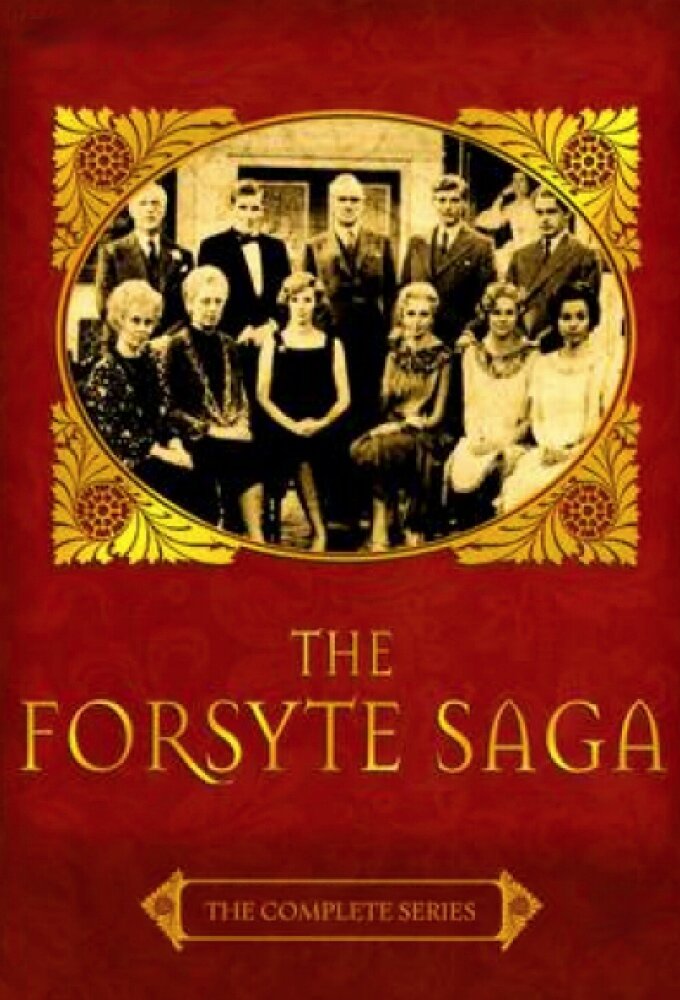
The Forsyte Saga1967
Same BBC sweep, same era, same willingness to let stories breathe across twenty years of family business and desire. Jewel-toned and hypnotic rather than cosy.
But It is absolutely a period piece made in the 1960s: pacing that assumes you have nowhere to be, dialogue that prizes propriety over naturalism.
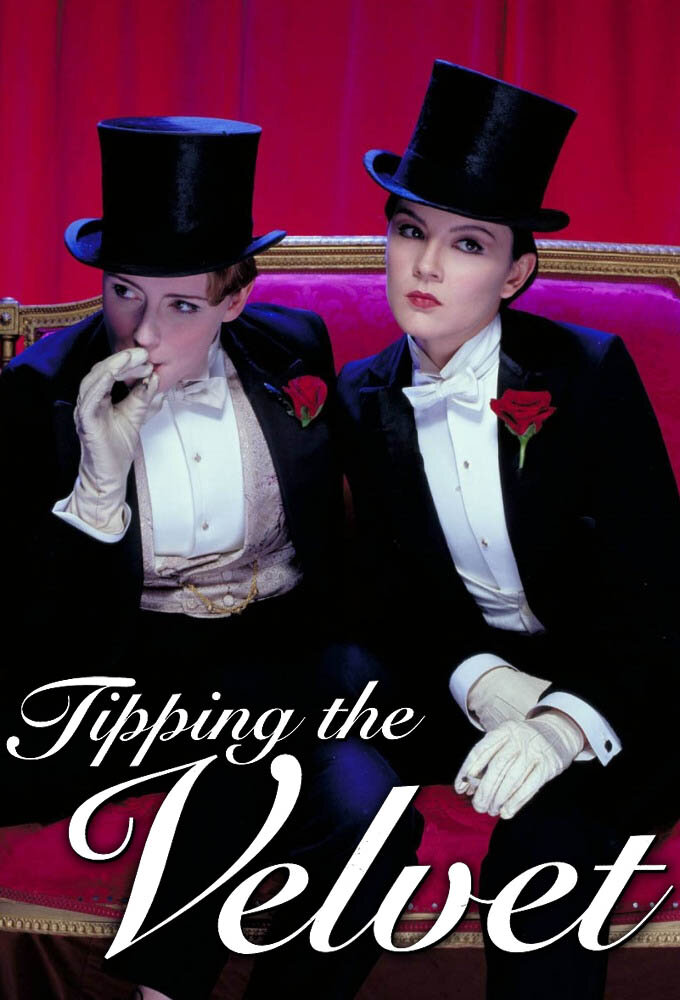
Tipping the Velvet2002
A woman's rise through wit and will in a locked world, bolstered by excellent writing and fearless performances. It has the same appetite for interior detail and for showing how women navigate power structures.
But Very different register: darker, sexier, more confrontational. You're not watching for comfort here.
Not sure tonight? Get a pick in a minute, starting from The Duchess of Duke Street
The wildcard
Something you would not have found on your own.
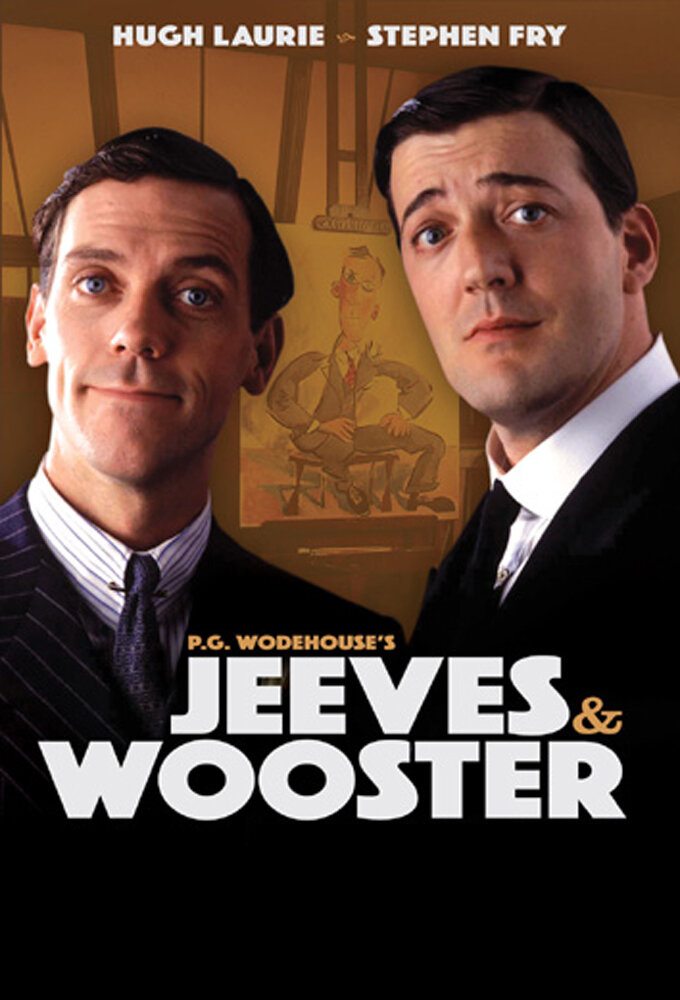
Jeeves & Wooster1990
Both show period life through the dynamics of service: Louisa rising *despite* hierarchy; Jeeves thriving *within* it. Inverses of the same question about power, intelligence, and how things actually get done.
Same era, same Britain, but told from the other side of the servant-master relationship. Bertie is oblivious; Jeeves is the actual genius. Beautifully written, deeply funny, and surprisingly moving about loyalty and belonging.
But A comedy, not a drama. The tone is completely different: light, theatrical, deliberately artificial. If you want to feel things in the same serious way, this isn't it.
More like this (7)
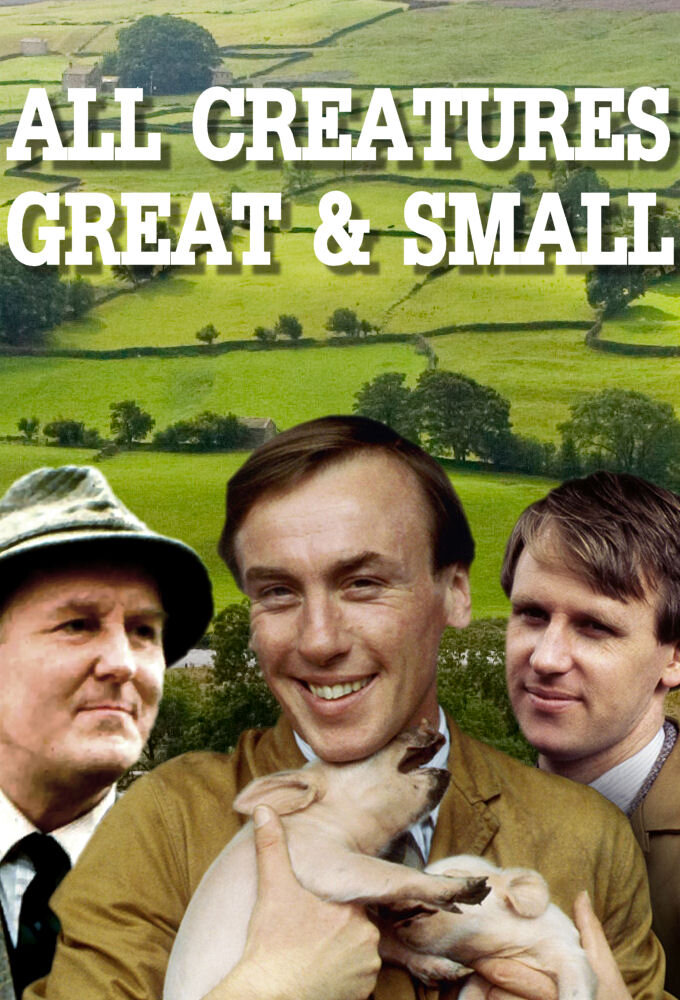
All Creatures Great and Small1978
Warmth, ensemble charm, 1930s Yorkshire detail that feels lived-in. It catches the same particular British happiness in small communities and craft expertise.
But Gentler in tone by design. If you want your period dramas to have stakes and shadows, you'll find this sunny.
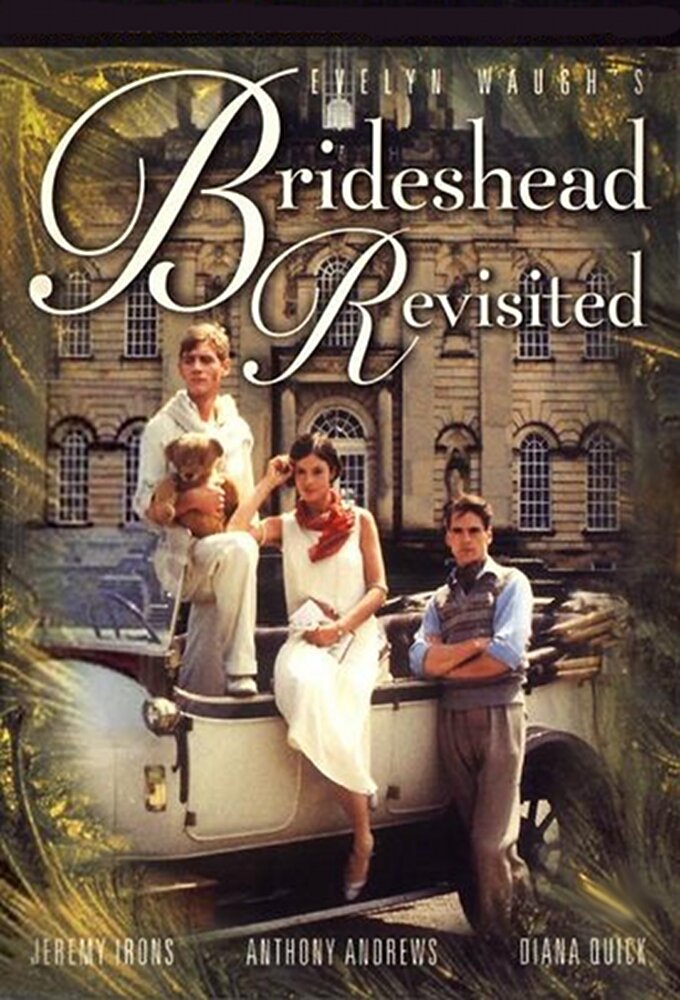
Brideshead Revisited1981
Similar era, similar preoccupation with how class and desire move through rooms. Lush adaptation of Waugh's novel; architectural in its precision about what the wealthy actually feel.
But Aristocratic rather than servant-focused. The moral weight lands differently and the mood is considerably colder.
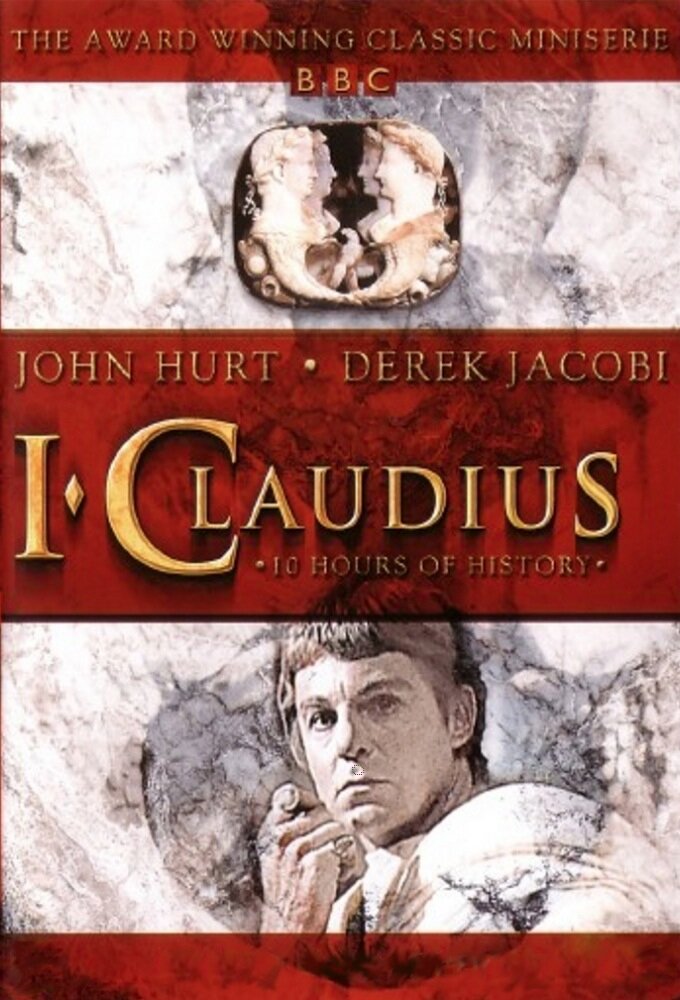
I, Claudius1976
Made the same year, with the same appetite for court politics, intimate plotting, and superb British acting. Proves the BBC period drama tradition was on a roll.
But Ancient Rome rather than Edwardian London. The tone is more Shakespearean, the violence more literal and moral stakes much higher.
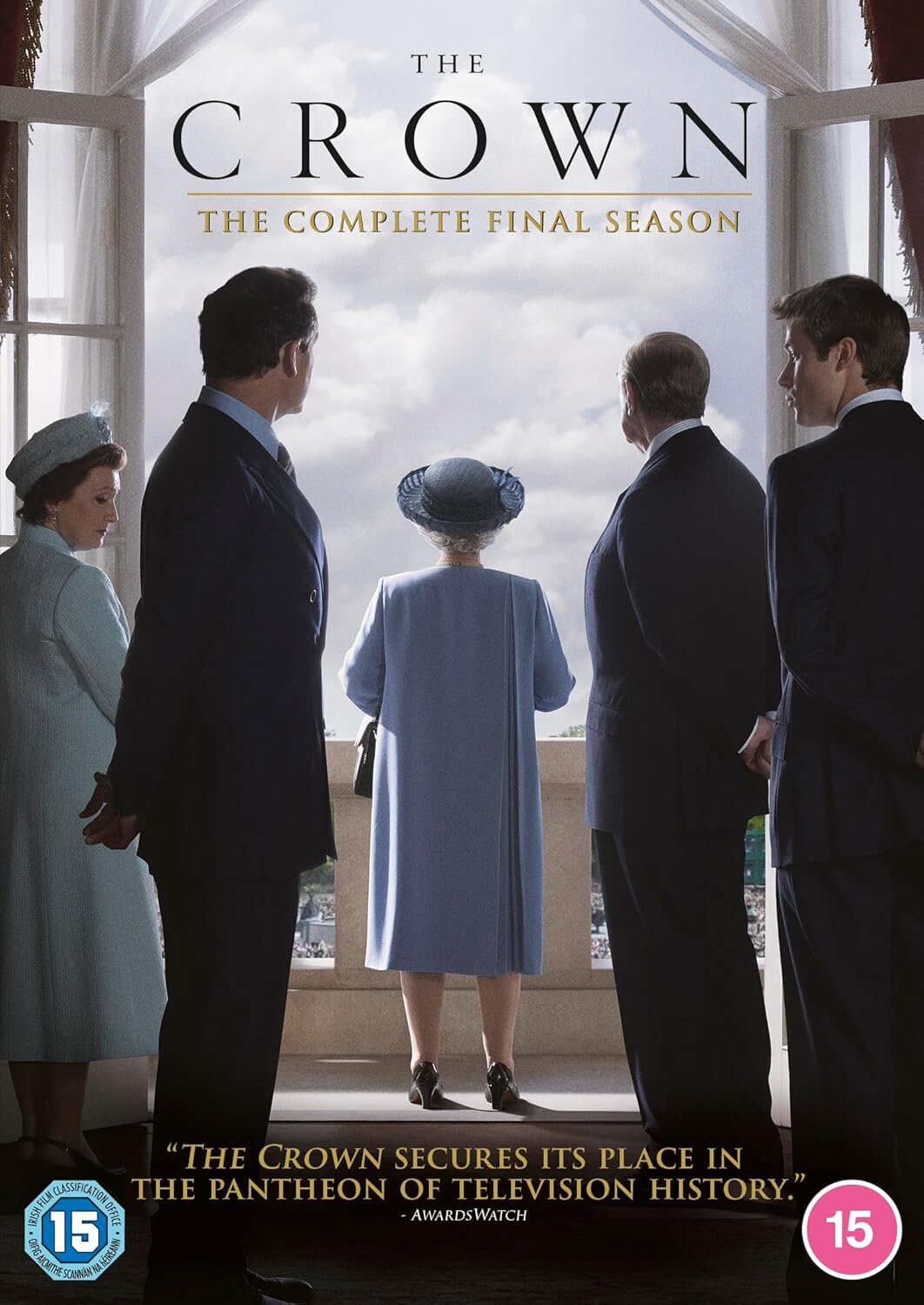
The Crown2016
If you loved seeing how Louisa navigated both servants and aristocrats, this is a deeper dive into the same social machinery, though from the other side of it.
But Contemporary prestige production with different values. Glossier, more political, less interested in intimate human moments between staff.
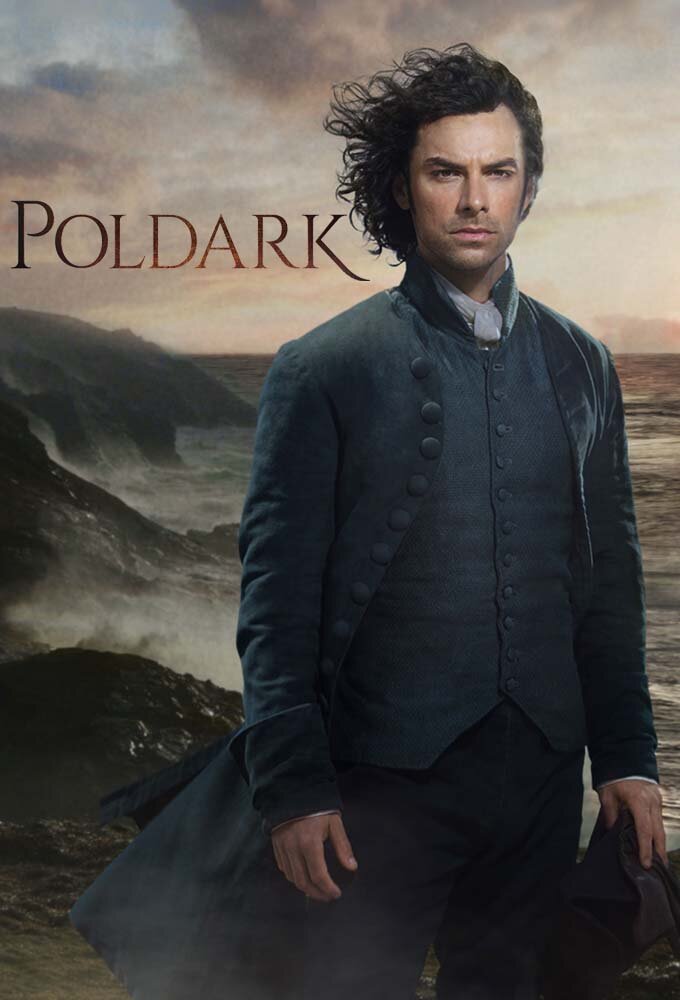
Poldark2015
Another 1970s BBC triumph with period texture, romantic entanglement, and an ensemble that explores class across multiple storylines. Compulsively watchable.
But Focuses on country gentry rather than urban hospitality. The emotional core is quite different: this is about loss and rebuilding, not rise and ambition.
The Remains of the Day1993
Both dramatize the interior lives of people working within grand hotels and estates. Louisa seizes power; Stevens forgoes it. Same world, opposite moral choices.
Two hours of Edwardian grandeur, servants' quarters, and the ache of roads not taken. James Fox as the employer, Anthony Hopkins as the butler—a perfect inversion of Louisa's story. Devastating and exquisite.
But Film rather than series, so compressed and far more melancholic. This is about what you *don't* do, not what you achieve. It lands as tragedy.

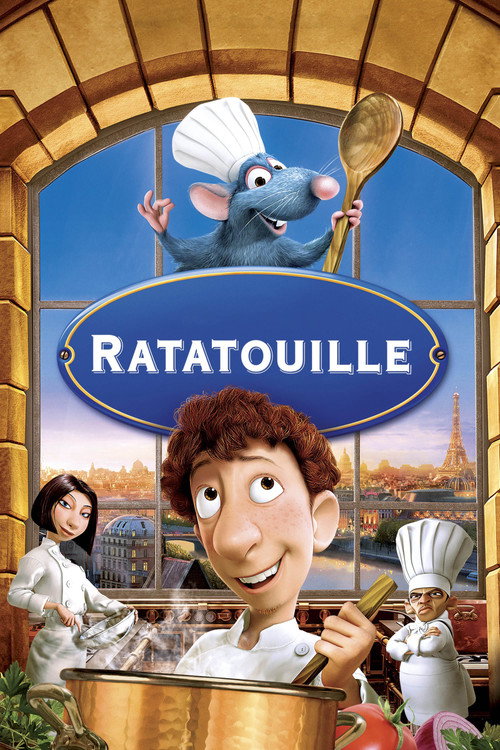
Ratatouille2007
Both celebrate cooking as power and transformation, and both insist that talent and determination matter more than birth. The mood is completely different but the engine is identical.
A rat becomes a great chef in Paris. Yes, really. It has the same structural joy as Louisa's story—rising through culinary brilliance in the face of snobbery and circumstance—but animated, joyful, and absolutely unconcerned with realism.
But Children's film. Computer animation. No romance, no servants' quarters politics, no five-course dinners as metaphor. It is buoyant where the series is grounded.
People
Cast


Writing
- John HawkesworthCreator