Television series
The Royal
A warmhearted medical drama set in a 1960s Yorkshire hospital, where routine procedures and everyday emergencies become windows into character and consequence. The Royal balances humour and heartbreak without ever feeling manipulative, anchored by a talented ensemble cast and genuine affection for its staff and patients alike.
Should you watch it?
Watch it if you like a hospital drama that lives among its staff over years, where the ward gossip and period texture matter as much as the clinical crises.
Skip it if you want tight plotting and fast medical stakes; this long episodic show wanders between ward gossip and personal storylines at an easy pace.
What it asks of you: Eighty-seven hour-long episodes over eight seasons mean settling in for the long haul, with a gentle rhythm and little urgency between scenes.
Not sure? Find tonight's pick in a minute.
If you liked this
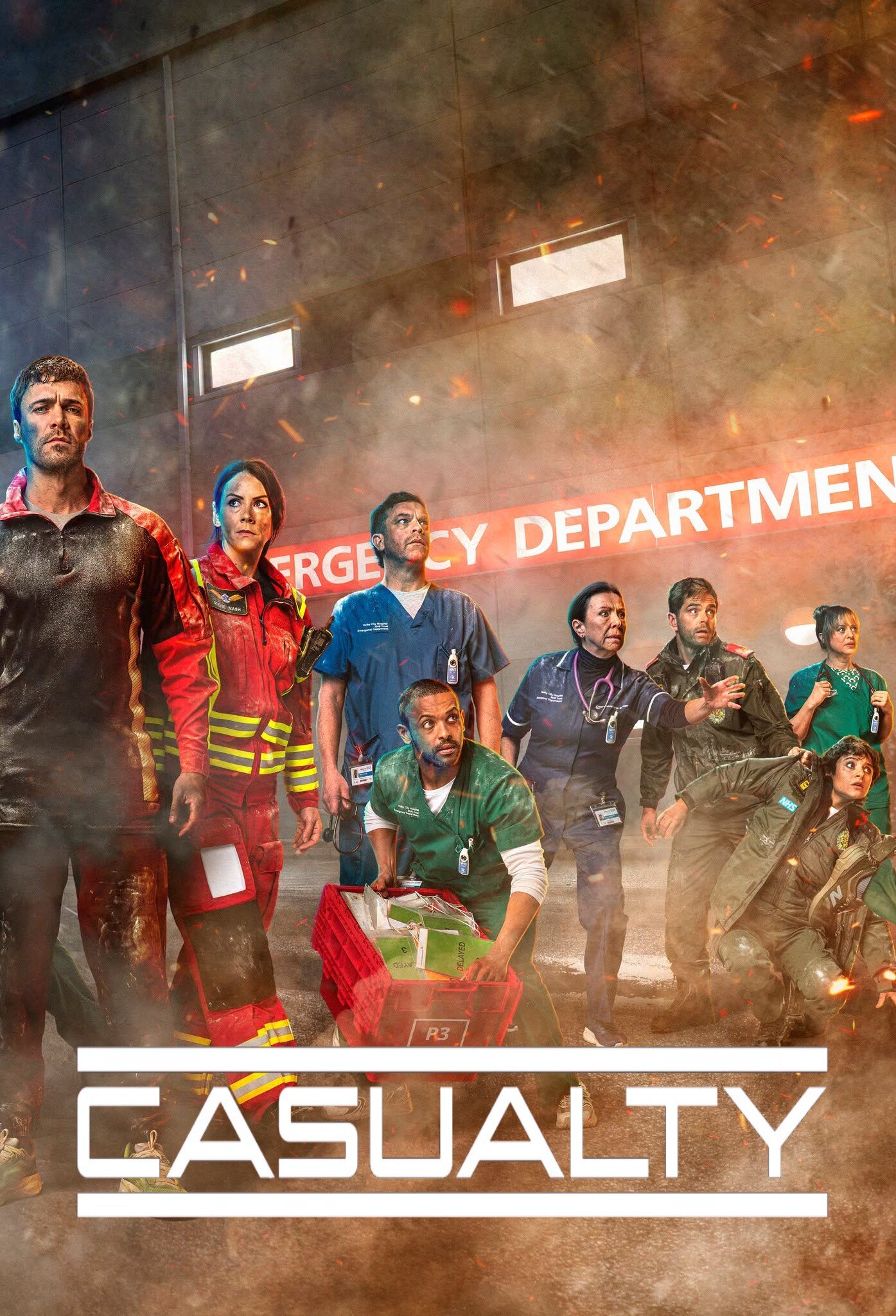
Casualty1986
The gold standard for British hospital drama—urgent, character-driven, and genuinely unpredictable. Episodes stick with you long after they air, and the ensemble cast feels like family by episode three.
But Fifty-plus seasons means the tone can waver wildly depending on which era you're watching. Some arcs drag, and the emergency room setting can feel relentlessly grim.
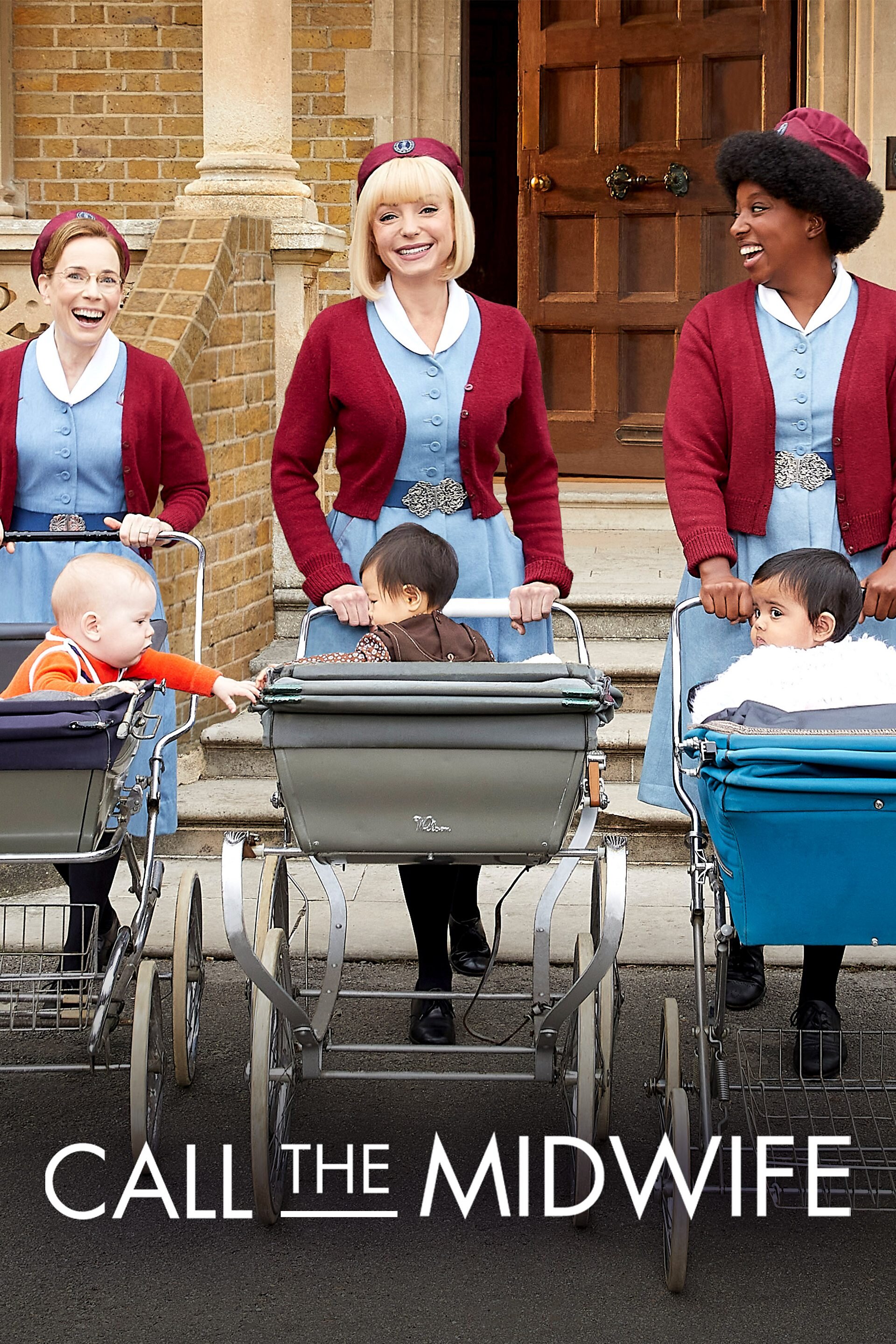
Call the Midwife2012
Period healthcare drama that finds profound humanity in the mundane. Funny, devastating, and unafraid to sit quietly with difficult moments. The writing is sharp and the cast is superb.
But Later seasons lean heavier into social issue storytelling, which can feel didactic. The postwar East End setting may not grip everyone equally.
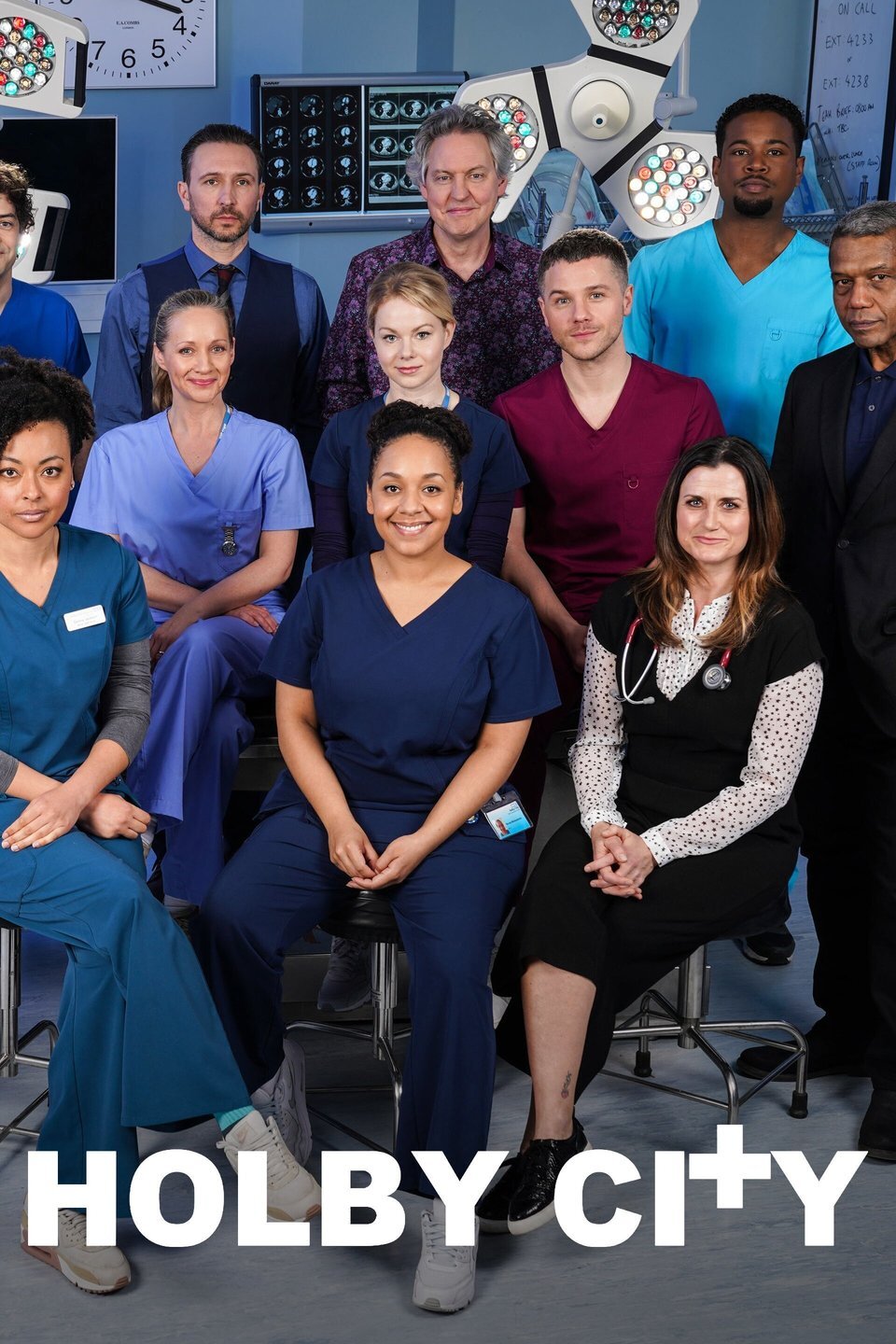
Holby City1999
A companion to Casualty with a surgical rather than emergency focus, equally strong ensemble work, and storylines that genuinely surprise. A reliable source of genuine emotion without condescension.
But Cancelled after 23 years, so commitment is finite—but that also means no long decline in quality. Some character combinations work better than others across the run.
Not sure tonight? Get a pick in a minute, starting from The Royal
The wildcard
Something you would not have found on your own.
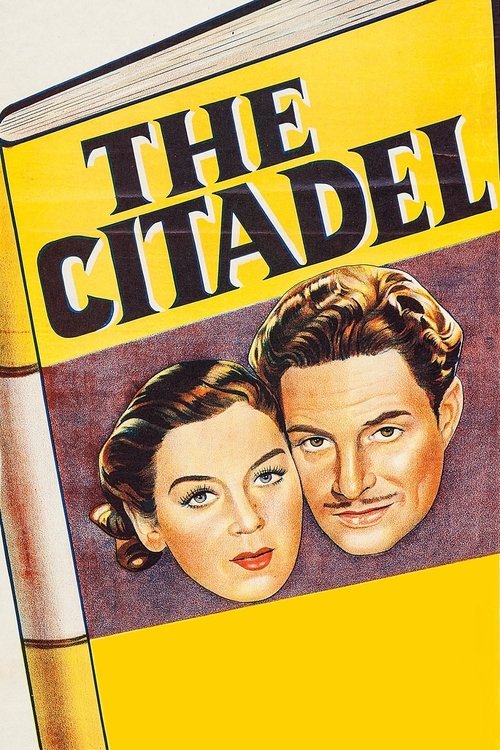
The Citadel1938
Both dramatise the collision between individual conscience and institutional machinery in healthcare. A hospital isn't neutral; it shapes what its staff can do and who they become.
Rare 1930s hospital drama where the idealism crashes against medical politics and personal ambition. Shot with documentary precision, it finds genuine tragedy in institutional compromise. A structural ancestor of what hospital drama became.
But Black and white, studio-bound, and the pacing is strictly pre-war. Medical practice shown is partly outdated. Demands active watching rather than passive viewing.
More like this (8)
Doctors2000
A GP practice rather than a hospital lets it explore everyday medicine with wit and warmth. Underrated for its ensemble chemistry and willingness to take real risks with its cast.
But As a daytime soap, episodes are shorter and storylines move fast—sometimes too fast for real impact. Production values aren't lavish, which some find distracting.
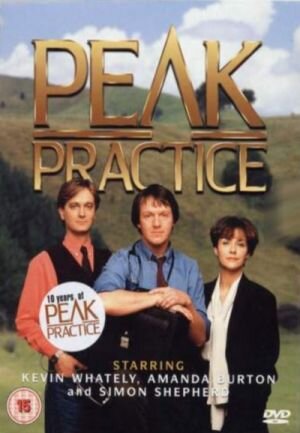
Peak Practice1993
Rural British medicine with genuine character depth and landscape beauty. Grounded, thoughtful, and uninterested in melodrama for its own sake. The village setting gives it a different flavour entirely.
But Slower pacing than modern drama, and the early seasons sometimes prioritise setup over payload. Rural storylines won't engage everyone equally.
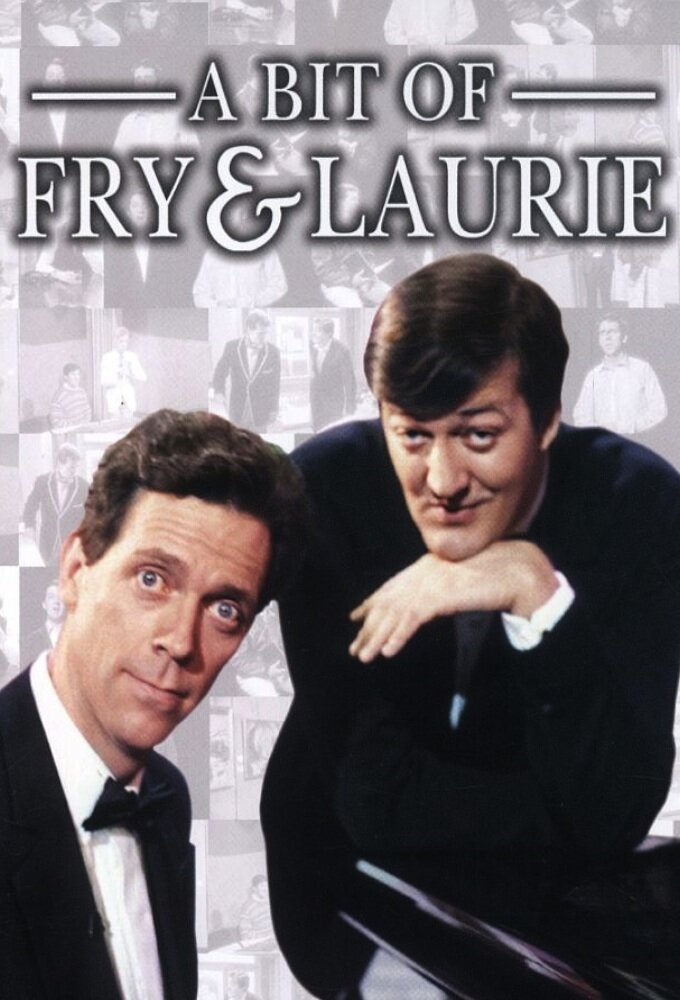
A Bit of Fry and Laurie1987
If you want period British humour and sketch comedy brilliance, this captures the same era's comedy sensibility. Sharp writing, fearless performances, and proper laugh-out-loud moments throughout.
But Sketch comedy is hit-and-miss by nature—some bits land, some don't. Not medical drama at all, so it's a tonal departure.
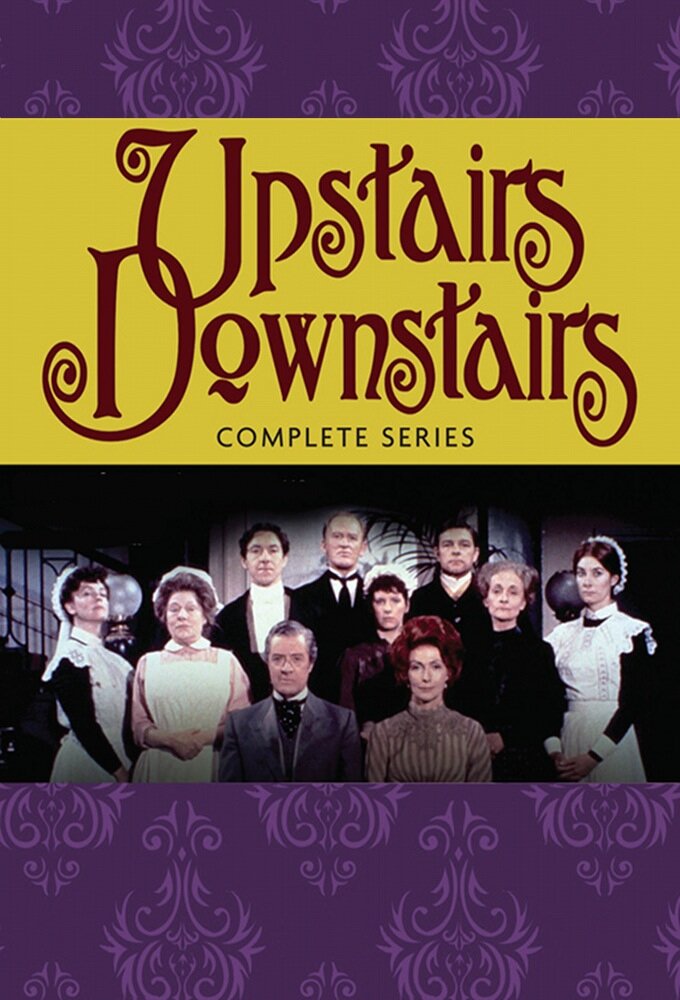
Upstairs, Downstairs1971
Period ensemble drama set in a London townhouse, with the same affection for character detail and class observation. Genuinely moving, beautifully acted, and thoroughly addictive.
But Slower burn than modern television, and some viewers find the upstairs-downstairs class dynamics dated or uncomfortable. Requires patience.
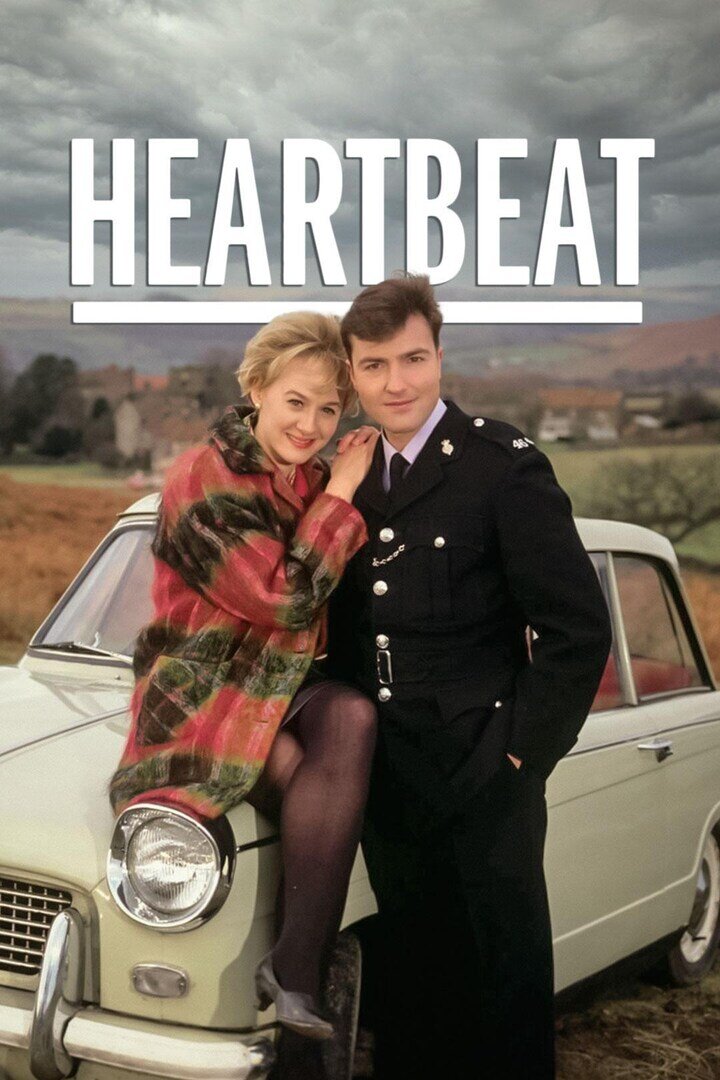
Heartbeat1992
Yorkshire-set period drama with rural warmth and community focus. Strong ensemble cast, genuine affection for small-town life, and the same landscape beauty as Peak Practice.
But Tone is considerably lighter than The Royal, bordering on cosy crime drama. If you want medical stakes, this won't scratch that itch.
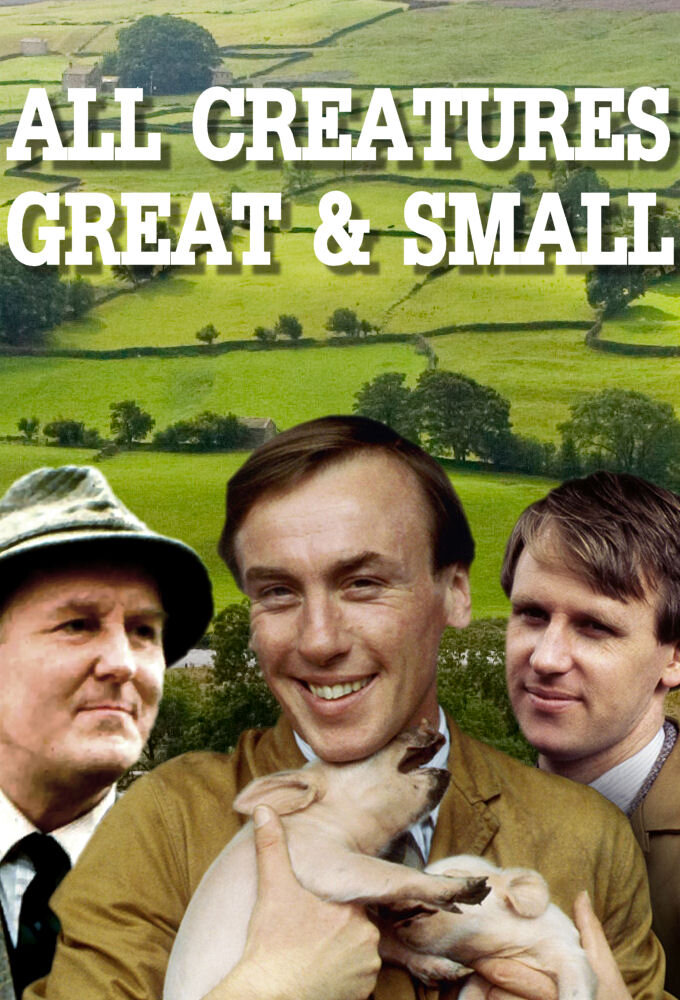
All Creatures Great and Small1978
Yorkshire again, the 1930s-40s, an ensemble of warm characters treating living creatures instead of people. Funny, touching, and a genuine comfort watch with real narrative depth beneath the cosiness.
But The pacing is genuinely leisurely—some episodes meander. It's fundamentally about animals, not people with medical trauma, so the emotional register is different.
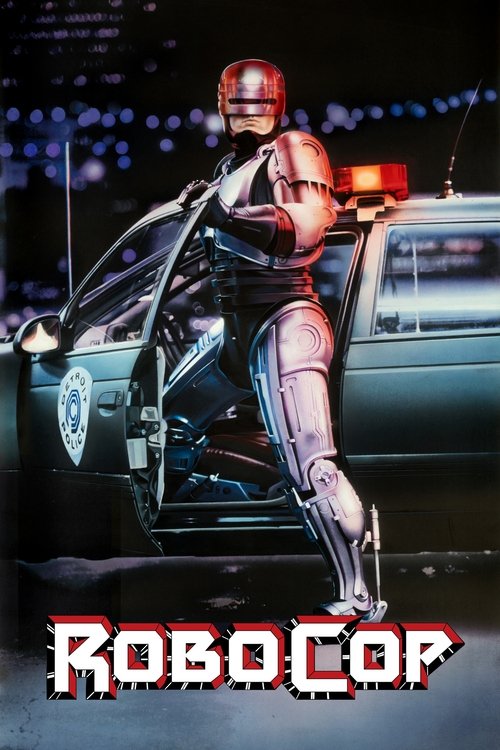
RoboCop1987
Both ask what happens to human dignity inside institutions designed to manage bodies. One asks it gently; one asks it with a gun. Different registers, same question.
A satire about the body becoming institutional property, medical ethics, and what gets lost when care becomes corporate. Violent and darkly funny, but built on real ideas about human vulnerability and systems of control.
But Extremely violent—shootings, blood, graphic injury. The tone is satirical and arch, the opposite of The Royal's warmth. Science fiction, not realism.
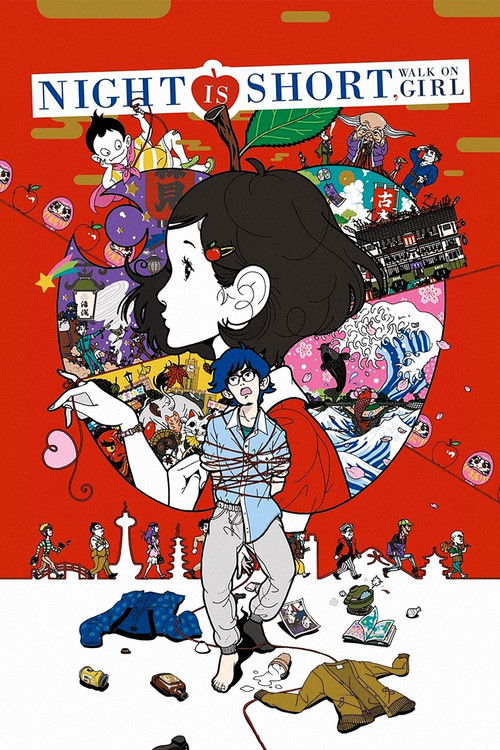
Night Is Short, Walk On Girl2017
Both find profound humanity in small interactions between characters who genuinely see each other. The Royal does this in a hospital with dialogue and crisis; this does it through pure visual storytelling across an evening. Different language, same emotional architecture.
Animated Japanese romance that unfolds across one night in Kyoto, built entirely on small moments and character interaction. Visually stunning, technically extraordinary, and deeply moving about connection and attention. Shows what the medium can do.
But Animated and subtitled—a significant shift from live-action British television. The pace is dreamlike rather than narrative-driven. Requires openness to form.