
Television series
When the Boat Comes In
A jewel of 1970s British television. When the Boat Comes In follows Jack Ford, a shell-shocked Great War veteran returning to a struggling North East mining town in the 1920s, as political upheaval and personal loss reshape his world. Intimate, angry, beautifully acted—a drama about ordinary people crushed and occasionally lifted by forces beyond their control.
If you liked this
Poldark2015
Another BBC period drama with a war-haunted protagonist rebuilding amid economic collapse. Similar richness of character, landscape as moral weight, and refusal to sentimentalise struggle.
But Spans decades and requires patience with multiple tangled storylines. Some will find the pacing glacial compared to modern drama.

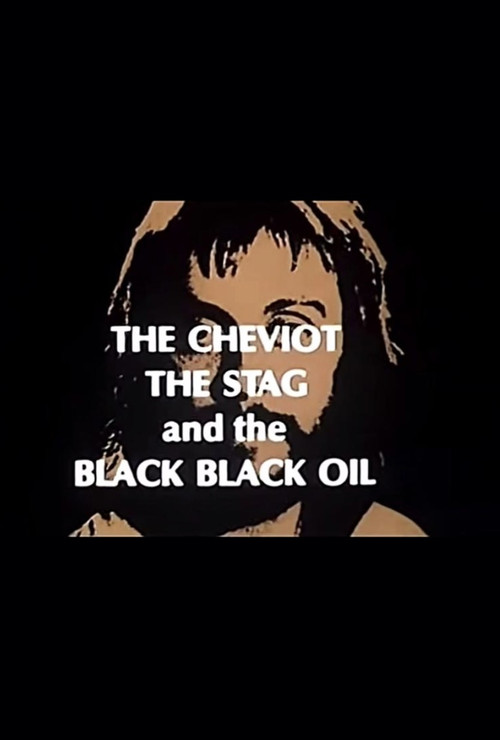
The Cheviot, the Stag and the Black, Black Oil1974
John McGrath's agitprop masterpiece about land, power, and Scottish working people. Same era, same radical politics, same contempt for the comfortable lies the powerful tell themselves.
But Openly theatrical and polemical in a way that can feel dated. Not interested in balanced debate, which is rather the point.
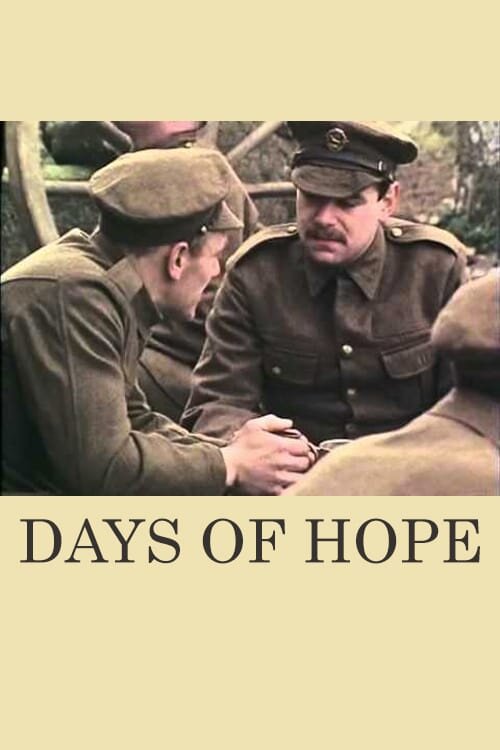
Days of Hope1975
Ken Loach and Jim Allen's four-part serial about British socialism from 1916 to 1926. Exact contemporary, exact ambition—to make the personal and political inseparable and real.
But Bleaker than bleak. Almost no character gets what they deserve. Some find it punishing rather than clarifying.
Not sure tonight? Get a pick in a minute, starting from When the Boat Comes In
The wildcard
Something you would not have found on your own.
Kes1970
Shared DNA with the agitprop British drama movement. Loach and McTaggart shaped the space where When the Boat Comes In became possible—same politics, same formal seriousness, same conviction that working people's stories matter.
Ken Loach's film about a working-class Yorkshire boy and a hawk. The same class anger, the same belief that ordinary lives deserve art, the same refusal to pity. Where television drama of this ambition came from.
But Film rather than serial—compressed, concentrated, almost unbearably tense. A boy and a bird, not a town and a decade. The emotional arc is smaller and sharper.

More like this (8)
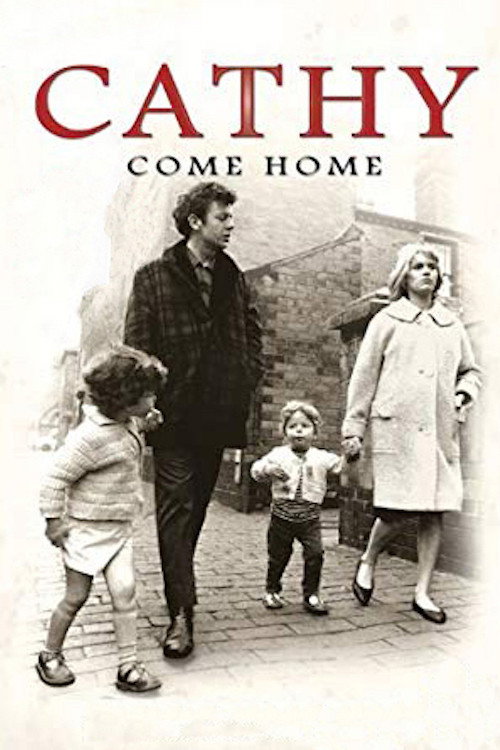
Cathy Come Home1966
Ken Loach's prototype for socially conscious British drama. A young couple's collapse into homelessness, shot with documentary urgency. Shows the DNA of what When the Boat Comes In evolved from.
But Feels urgent to the point of heaviness. The political intention never hides behind the story—some prefer subtler hands.
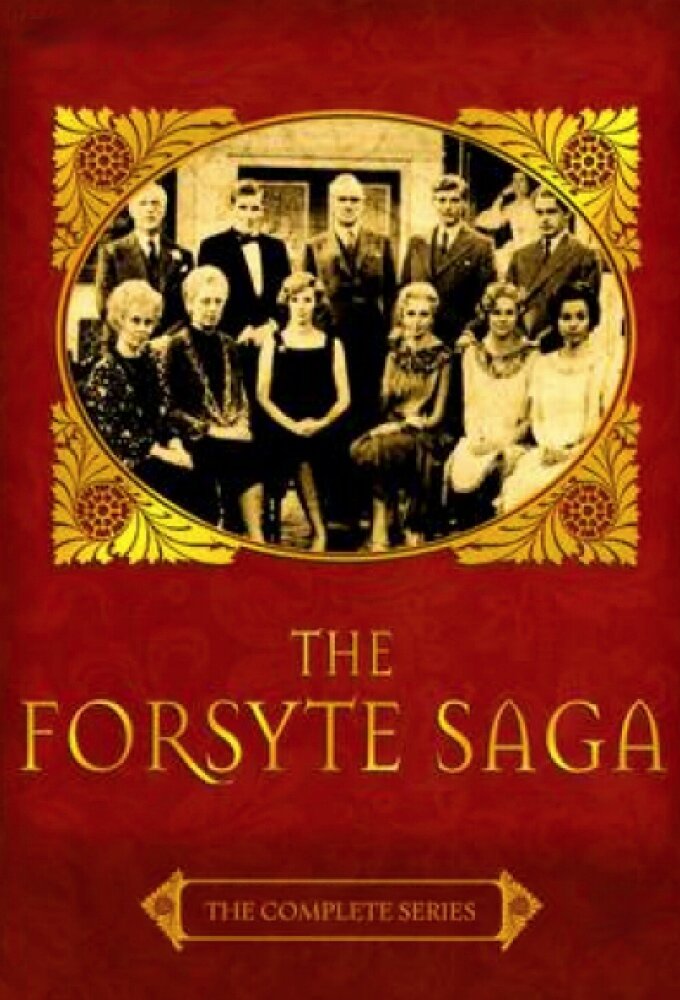
The Forsyte Saga1967
Sweeping family saga across generations, tracing how money and class warp even those who should know better. Long form, ensemble cast, real investment in the texture of English life.
But Considerably more genteel. The working class aren't the story here, which changes everything about what you're watching and why.
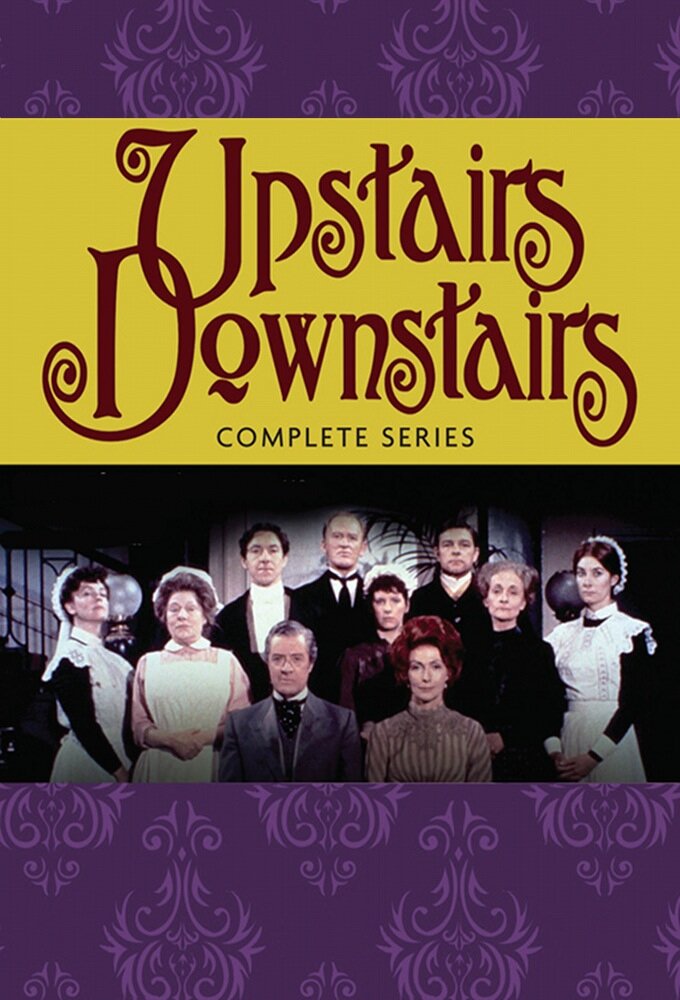
Upstairs, Downstairs1971
A country house and the people who serve and own it, told across decades with genuine curiosity about both worlds. Excellent writing and ensemble work that respects everyone's inner life.
But The structure can feel like visiting a museum. Some resent the fundamental hierarchies the show takes as given.
I, Claudius1976
Same year as When the Boat Comes In. Ambitious, actor-driven, political intrigue where every family gathering is a knife fight. Proof the BBC had ambition across multiple registers.
But Ancient Rome feels comfortably distant in ways the 1920s North East does not. The emotional stakes feel different when the setting is safely historical.

Sunset Song2015
Terence Davies's film of Lewis Grassic Gibbon's novel. Rural Scotland, class, land, desire, World War One's shadow. A meditation on beauty and cruelty in spaces the city ignores.
But Deliberately paced and oblique. Not interested in plot momentum. Some will find it too internal, too much about what's unsaid.

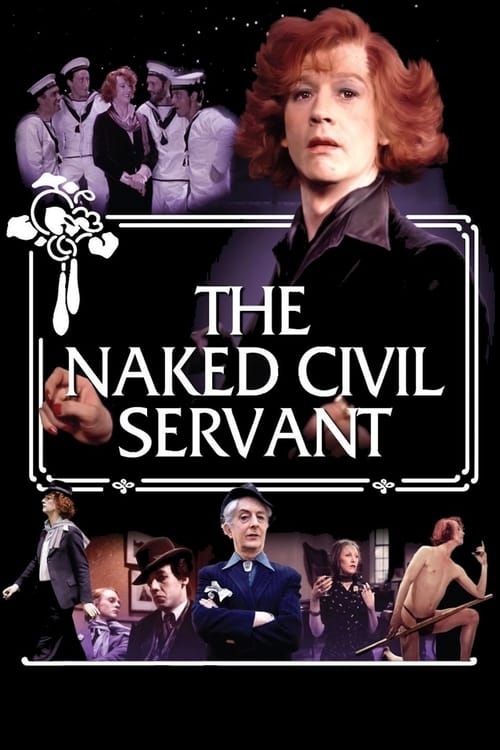
The Naked Civil Servant1975
John Hurt in a one-off drama about Quentin Crisp. Marginal person in marginal times, making art from defiance. Another '75 BBC production of real human intelligence and formal boldness.
But Entirely centred on an individual's private battle rather than collective struggle. A different kind of politics entirely from what When the Boat Comes In offers.
The Remains of the Day1993
Both explore how ordinary people navigate catastrophic historical moments and live with the choices they make. Ford fights; Stevens capitulates. Same era, opposed moral registers, both unforgettable.
James Stevens, an English butler, looks back on a life of service and silence across the same period—the 1920s and 30s when history was breaking everything. Quiet, devastating, about roads not taken.
But Almost the inverse—about suppression rather than struggle, restraint rather than anger. A meditation on complicity and self-deception rather than resistance. Some will find it too polite.

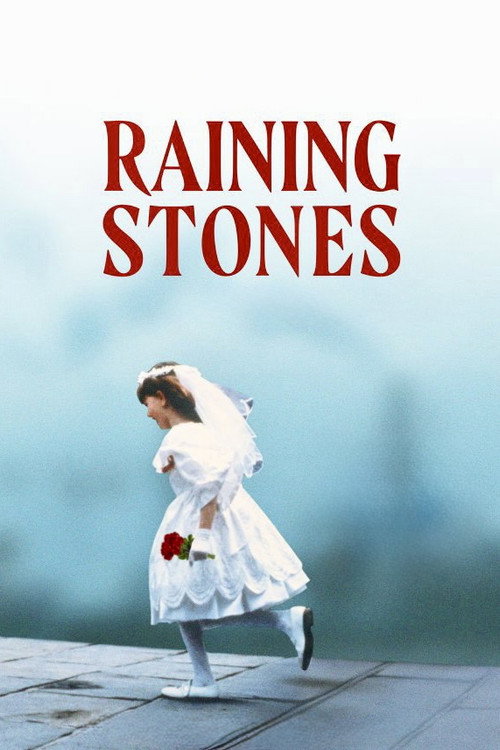
Raining Stones1993
Same filmmaker returning to the same class, the same conviction that dignity matters most to those with least. When the Boat Comes In looks back from the 1970s at the 1920s-30s; this looks at the 1990s from the same angle—history repeating, working people still losing.
Ken Loach again, but this time: 1990s Manchester, a working man trying to give his daughter a proper communion dress, slowly crushed by economics and bad luck. Same politics, different decade, rawer and more hopeless.
But Made nearly two decades later, it feels more modern and meaner. The compassion is there but harder to see. Some find Loach's later work bleak without redemption.
People
Cast





Writing
- James MitchellCreator