
Film
The Courtneys of Curzon Street
A sweeping British saga following one family across fifty years and two world wars, from a scandalous cross-class engagement in 1899 through triumph, heartbreak, and duty. It's a handsome, earnest film about how love endures through history's worst moments—elegant drawing rooms giving way to wartime sacrifice. For anyone who finds romance in commitment and consequence.
Should you watch it?
Watch it if you like long, old-fashioned family sagas where a class-crossing romance is played straight and the years roll by in handsome, sentimental sweeps.
Skip it if you find stiff 1940s British melodrama hard going, since its dialogue is formal and its sentiment is laid on thick with little room for surprise.
What it asks of you: Settle in for nearly two hours of stately pacing, with jumps across generations and an earnest build that rewards staying put.
Not sure? Find tonight's pick in a minute.
If you liked this
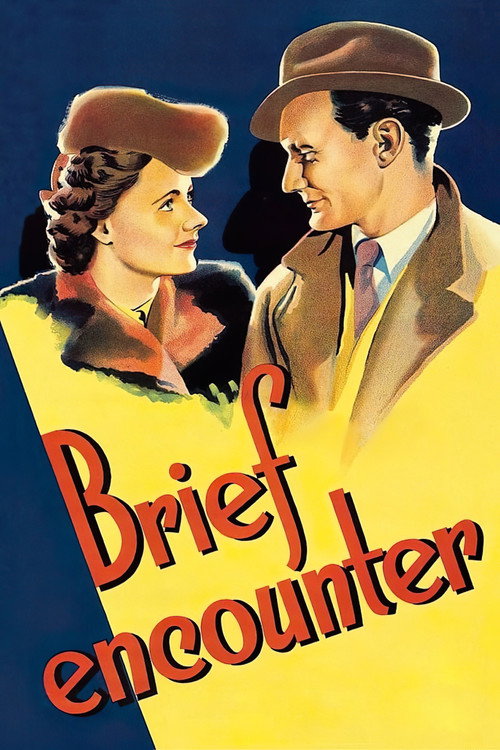
Brief Encounter1945
Corin and Lean's masterpiece about restraint, longing, and the weight of social expectation. Two ordinary people, an impossible love, the kind of emotional devastation that comes from choosing duty. Perfect companion to the quieter heartbreak in Courtneys.
But It's slower and more interior than you might expect. No grand gestures—just two people meeting for tea, and the ache of what they cannot have.
The Best Years of Our Lives1946
Three servicemen return home after WWII to find civilian life harder than combat. Like Courtneys, it traces how war reshapes families and asks what it means to rebuild. Epic in scope but grounded in real lives and small moments.
But At three and a half hours, it demands patience. The pacing is deliberate, and some sequences feel like documentary rather than drama.

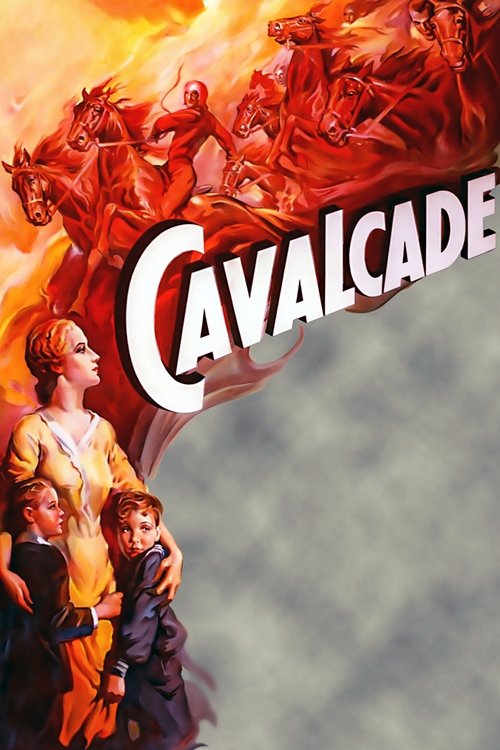
Cavalcade1933
Noël Coward's chronicle of a British family from 1899 to 1933, moving through the same historical currents as Courtneys. That same blend of upper-class stability tested by war, love, and social change. Beautifully shot and genuinely moving.
But The theatrical style can feel mannered to modern eyes. Some performances are broad, and the sentiment is unironic in ways that take adjustment.
Not sure tonight? Get a pick in a minute, starting from The Courtneys of Curzon Street
The wildcard
Something you would not have found on your own.
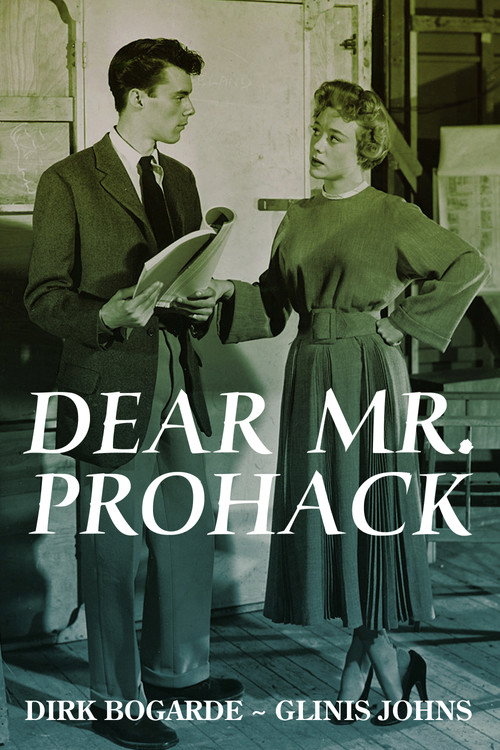
Dear Mr. Prohack1949
Both films trust the audience to find meaning in small gestures and ordinary lives. Both believe that propriety and duty can contain real love, and that restraint is not the same as coldness.
A comedy about a retired civil servant navigating post-war domestic life—utterly charming and completely forgotten. It shares Courtneys' British restraint and its faith in ordinary people, but trades tragedy for humour and bureaucratic fumbling. A palate-cleanser that's also profound.
But It's very gentle and very dated. If you need plot momentum or modern pacing, it will feel like watching someone's grandfather tell a story with frequent pauses to remember details.
More like this (7)
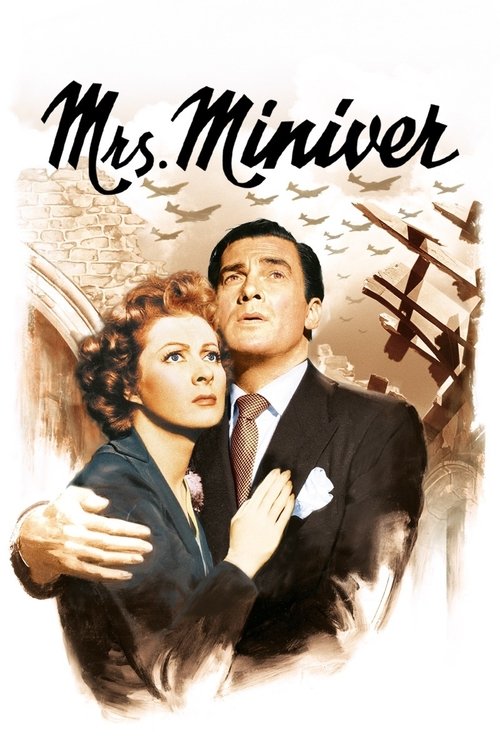
Mrs. Miniver1942
A genteel English family faces the Blitz with courage and grace. It shares Courtneys' faith in British stoicism and the redemptive power of sacrifice, and it captures that specific brand of quiet heroism that defined the era.
But Propagandistic at times. The moral clarity can feel simplistic, and the film smooths over real fear and complexity in favour of uplift.
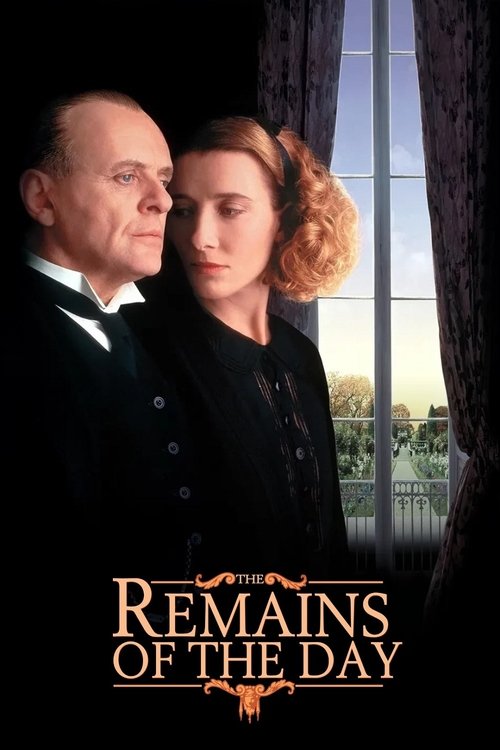
The Remains of the Day1993
A butler's lifetime of service, duty, and emotional suppression across the same decades. Both films are about what people sacrifice for position and propriety, and how they reckon with those choices too late. Devastatingly elegant.
But Its sadness is suffocating. There's very little lightness, and the restraint, while magnificent, can feel claustrophobic.
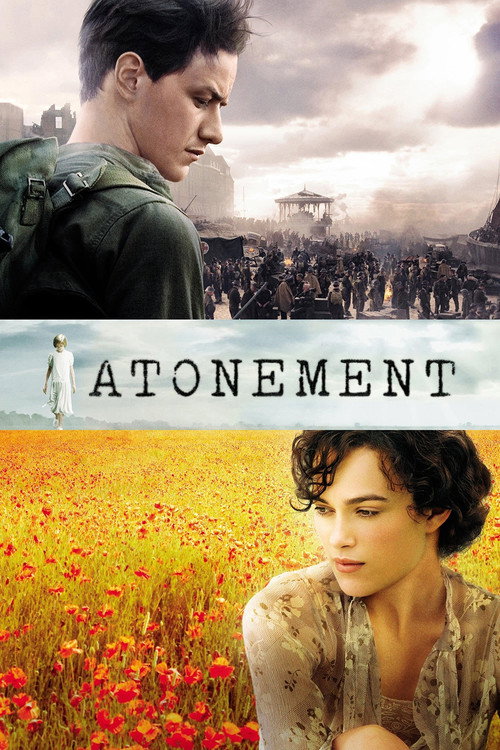
Atonement2007
Spans generations, class divides, and the corrosion of secrets kept. Like Courtneys, it traces how one moment of scandal ripples through a family across decades and wars. Lush and intricate, with that same sense of inevitability.
But The narrative structure is complex and the tonal shift in the final act will divide you. Some find it brilliant; others feel manipulated.
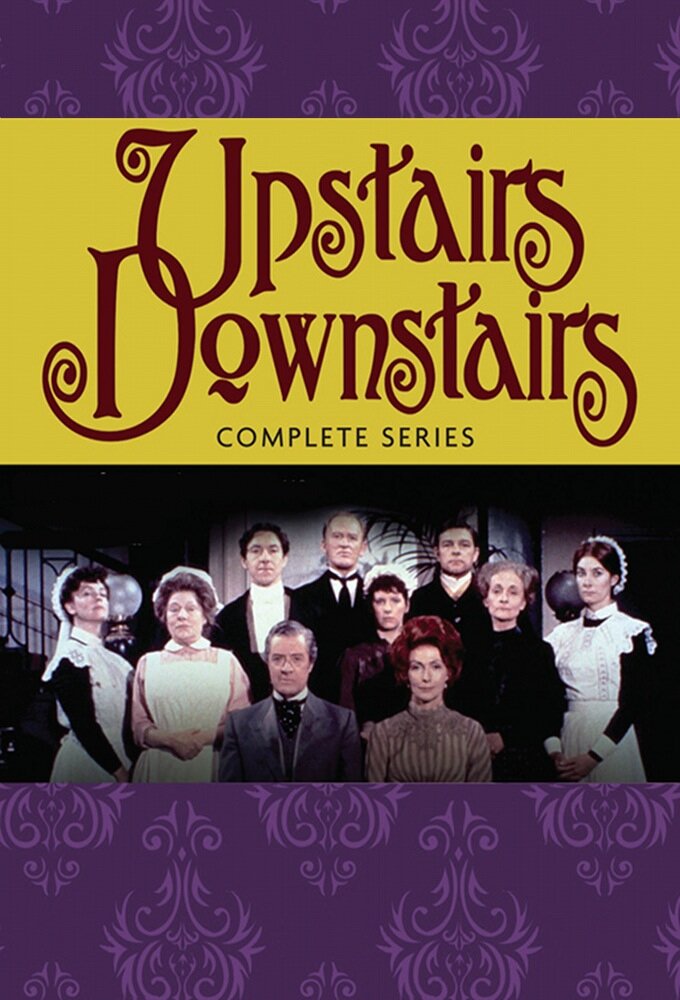
Upstairs, Downstairs1971
A British ensemble drama charting the servants and masters of a Mayfair townhouse from 1903 onwards through war and social upheaval. Same era, same class tensions, same meticulous attention to how ordinary people navigate extraordinary history.
But Period-drama pacing means it unfolds slowly. If you need plot momentum, this will feel like watching people iron linens in real time.
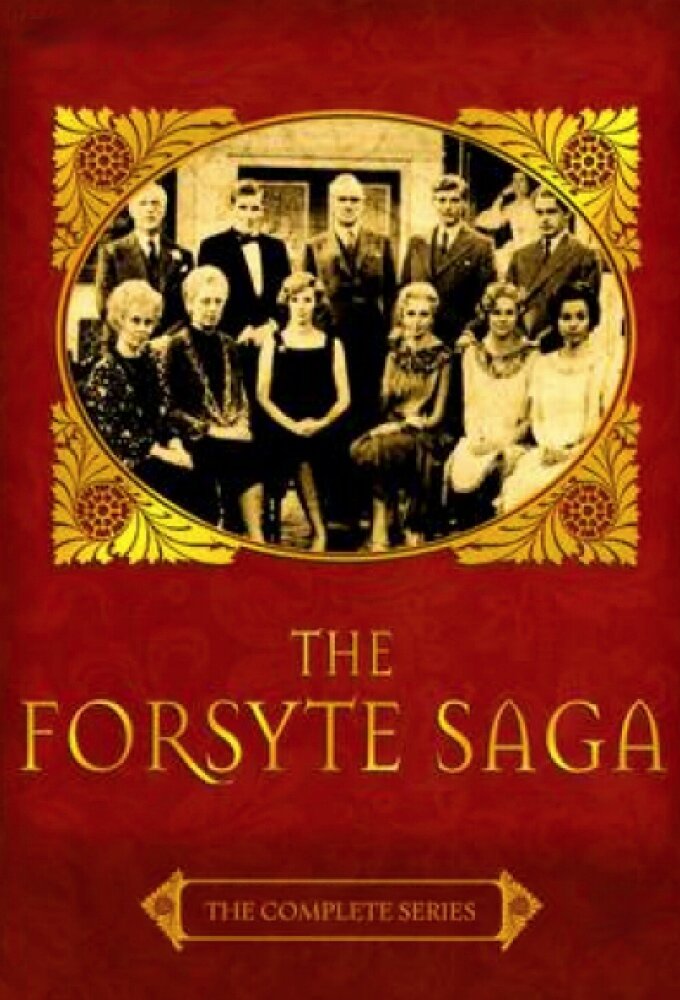
The Forsyte Saga1967
Galsworthy's multi-generational family epic brought to screen with the BBC's typical restraint and rigour. Property, marriage, duty, and the slow erosion of Victorian values. The same DNA as Courtneys, with even more scope.
But The source material is dense, and the adaptation is faithful to the point of feeling baggy. Its 1967 look dates it visibly, and some subplots meander.
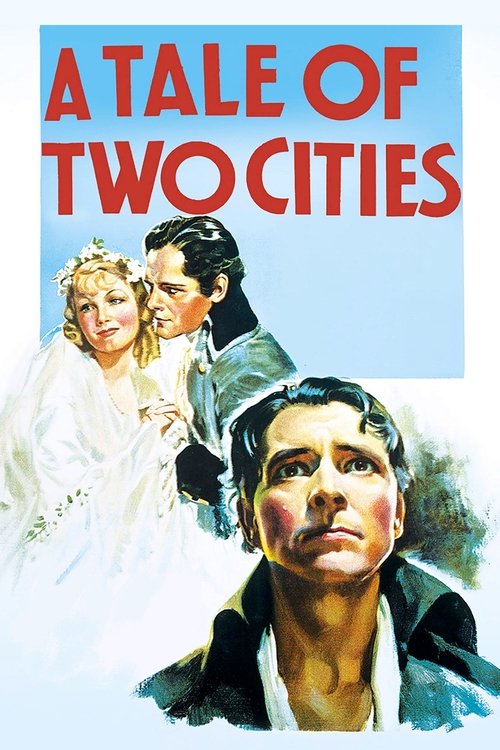
A Tale of Two Cities1935
Dickens' epic of love, sacrifice, and resurrection across generations and revolution. Ronald Colman's performance captures that same dignity-through-suffering that defines Edward Courtney. Grand and genuinely moving.
But The plot is melodramatic and the coincidences strain credibility. If you're allergic to Victorian sentiment, this won't convince you.
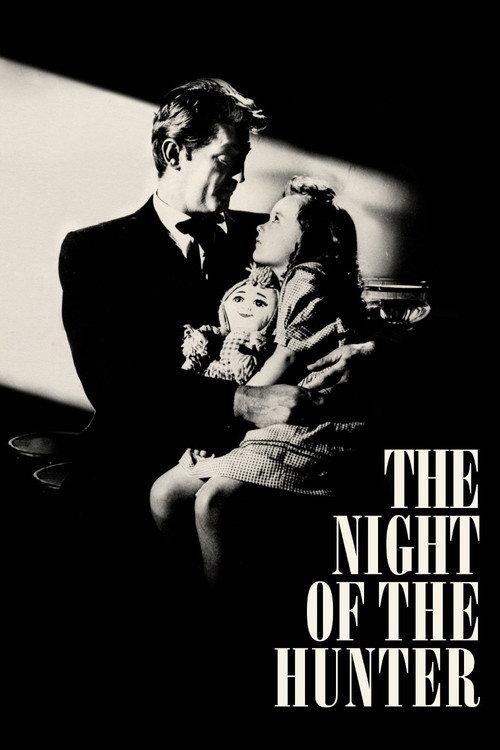
The Night of the Hunter1955
Both explore how family trauma and moral choice echo across generations. Courtneys offers reconciliation; Hunter offers survival. Together they bracket the question: what do we leave our children?
Charles Laughton's only directorial effort: a fever-dream of a film about innocence, corruption, and fear in Depression-era America. Visually baroque and morally urgent in ways Courtneys never is, but both believe that children inherit the consequences of adults' choices, and that love is what stands against chaos.
But It's expressionist and nightmarish, not reassuring. The violence toward children is real and disturbing, and the visual style is so extreme it can feel alien rather than moving.
People
Cast
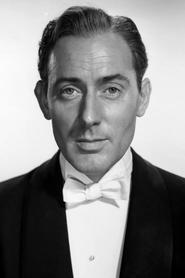 Michael WildingSir Edward Courtney
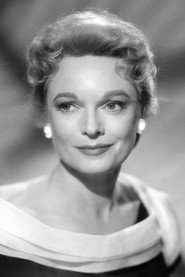 Anna NeagleKate O'Halloran
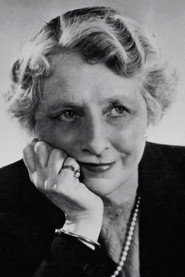 Gladys YoungLady Courtney
- Daphne SlaterCynthia Carmody
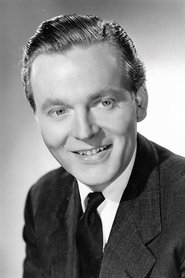 Jack WatlingTeddy Courtney
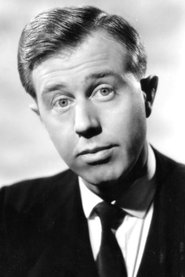 Michael MedwinEdward Courtney
- Edgar NorfolkMr. W.
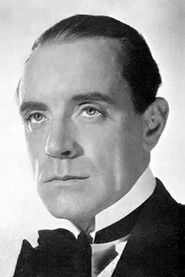 G.H. MulcasterSir Edward Courtney Sr.
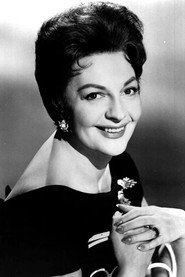 Coral BrowneValerie
- Alice GachetLouise
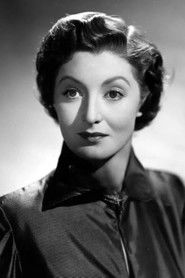 Helen CherryMary Courtney
- Ethel O'SheaMrs. O'Halloran
Directing
- Herbert WilcoxDirector
Writing
- Florence TranterStory
- Nicholas PhippsWriter