
Film
Dear Mr. Prohack
- Comedy
- Light-hearted
A 1949 British comedy about a prudent Treasury official who inherits a fortune and discovers that sudden wealth is far messier than careful poverty. Dirk Bogarde and Cecil Parker navigate the collision between old-money restraint and new-money chaos, with charm and gentle wit. Perfectly pitched for anyone who loves post-war British comedy and films about people comically unsuited to their circumstances.
If you liked this
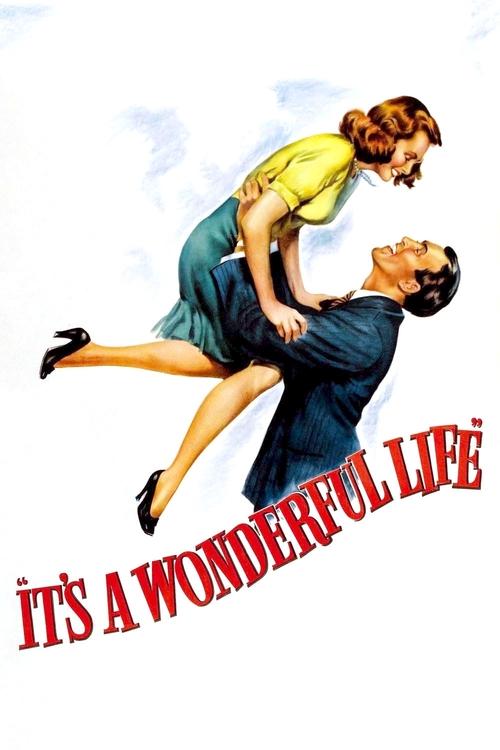
It's a Wonderful Life1946
George Bailey learns that his ordinary, constrained life is infinitely richer than he knew. Like Prohack, it finds depth in thrift and community, but reaches for the miraculous rather than the absurd.
But The sentiment can feel heavy-handed if you're not in the mood for affirmation. Some find it saccharine on repeated viewings.
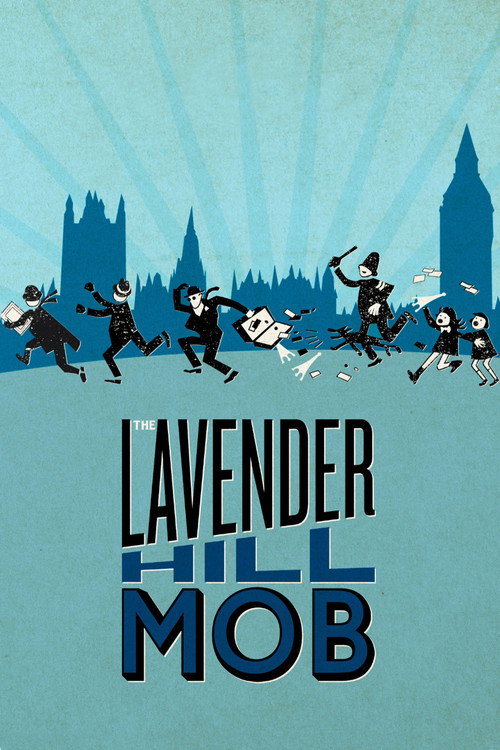
The Lavender Hill Mob1951
Another British heist-comedy where ordinary men are suddenly freed from their routines by circumstance. Alec Guinness and Stanley Holloway have the same bewildered energy as Bogarde navigating sudden fortune.
But The plot meanders and the ending feels rushed. It's more charming than tightly constructed.
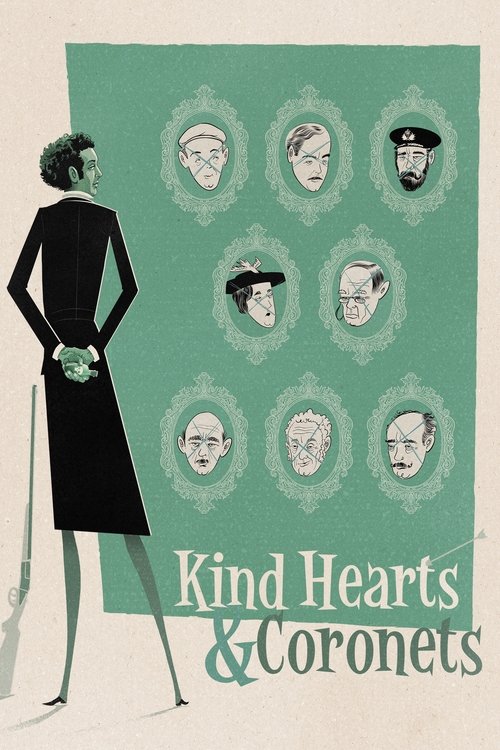
Kind Hearts and Coronets1949
Released the same year, with Dennis Price as a man stepping into a world he doesn't belong in, supported by Alec Guinness's manic brilliance. English class comedy at its finest, darkly funny and beautifully made.
But The tone shifts between comedy and genuine menace can feel uneven. Some scenes drag.
Not sure tonight? Get a pick in a minute, starting from Dear Mr. Prohack
The wildcard
Something you would not have found on your own.
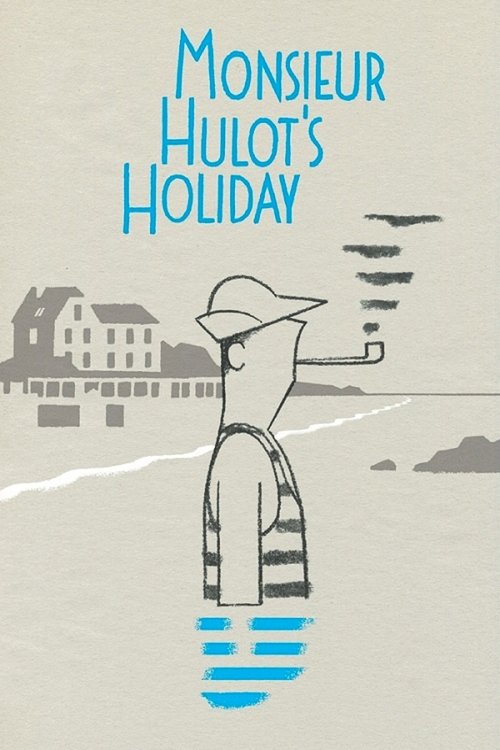
Monsieur Hulot's Holiday1953
Both find comedy in the collision between individual nature and social expectation. Where Prohack navigates wealth, Hulot navigates leisure—both are equally bewildering to men built for routine.
Jacques Tati's wordless masterpiece: a bumbling tourist tries to relax at a seaside resort and accidentally disrupts everything. Like Prohack, it's about an ordinary man whose mere presence unleashes chaos on the social order—but Tati tells it through pure physical comedy and architectural observation, no plot required.
But There's almost no dialogue and the humour is glacially paced. If you need narrative momentum or verbal wit, it will feel like watching paint dry.
More like this (8)
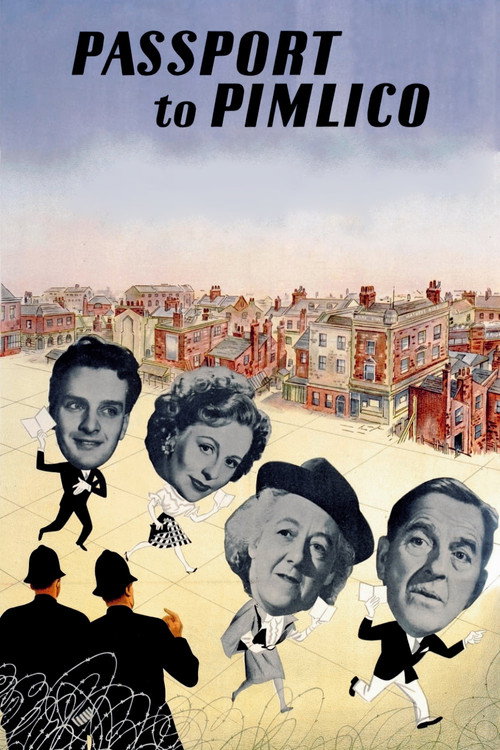
Passport to Pimlico1949
Ealing Studios at its peak: a London neighbourhood suddenly becomes a sovereign state, chaos ensues, and ordinary people must navigate extraordinary circumstances. Same year, same spirit, same studio as Prohack.
But The whimsy wears thin if you don't buy into Ealing's particular brand of postwar optimism.
The Man in the White Suit1951
Alec Guinness as an inventor whose creation threatens the textile industry. Like Prohack, it's about an ordinary man's disruption of the social order, played with impeccable comedic timing and genuine social observation.
But The satirical edge is blunt; it doesn't trust the audience to find the irony themselves.

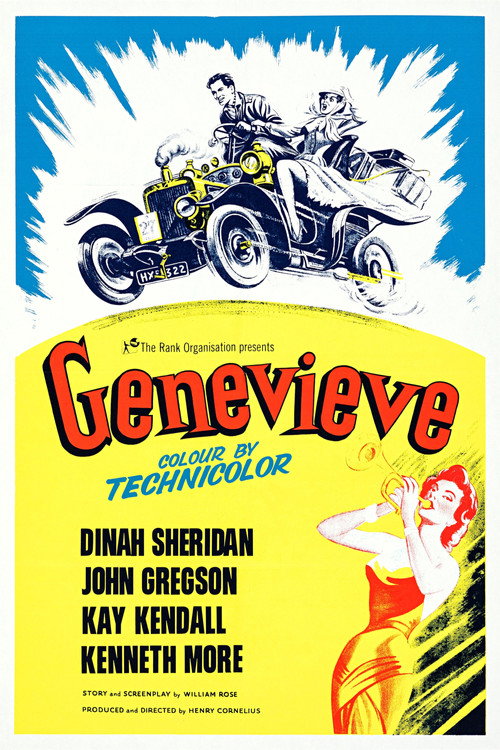
Genevieve1953
Kenneth More and Dinah Sheridan in a road-trip comedy about a vintage car rally. Effortlessly charming, witty without strain, and captures the same post-war British good humour as Prohack.
But The stakes are gossamer-thin. It's all surface pleasure, which is either exactly what you want or utterly insubstantial.
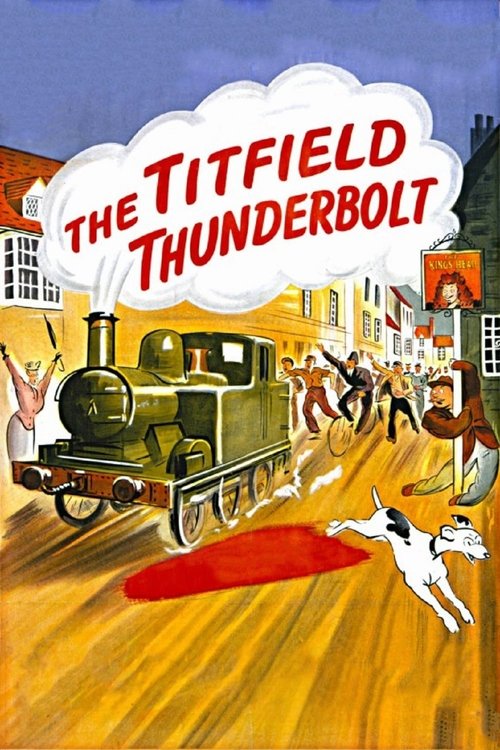
The Titfield Thunderbolt1953
Ealing's last great comedy. A village rallies to save their local railway line. Ensemble warmth, gentle satire of English institutions, and the same faith in ordinary people that animates Prohack.
But The pacing is slow and the humour is quiet. It won't work if you need your comedy broad or your plot taut.
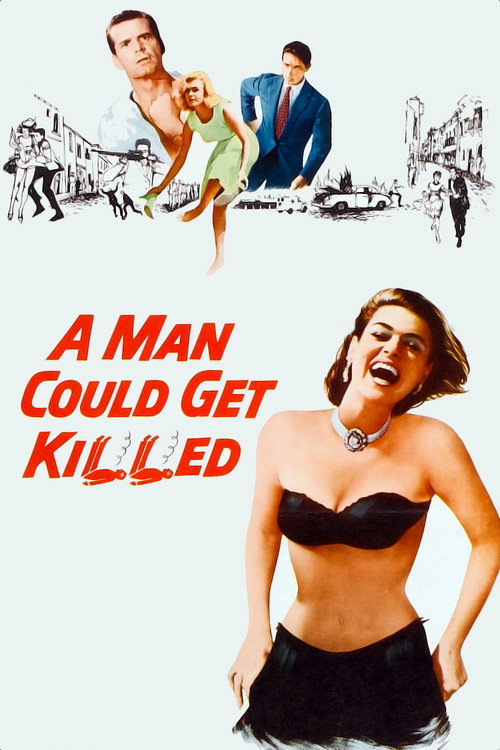
A Man Could Get Killed1966
James Garner in a mistaken-identity comedy abroad. Like Prohack, it's about a sensible man thrust into absurdity and forced to improvise. Lightweight and fun, with real affection for its bewildered protagonist.
But It's genuinely lightweight. There's no substance beneath the charm, and the plot is pure contrivance.
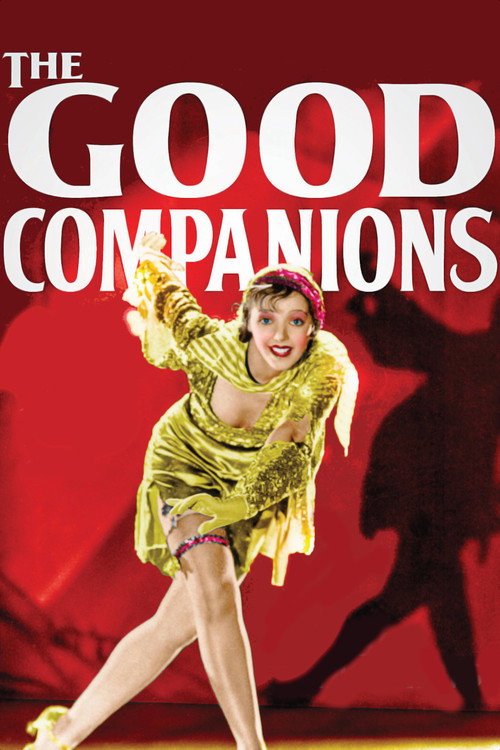
The Good Companions1933
An earlier adaptation of Arnold Bennett's world, with Jessie Matthews as a music-hall dancer among theatrical folk. Same author, same texture of postwar/interwar Britain, but more romance than comedy.
But It's slower and more sentimental than Prohack. The theatrical plot feels thin to modern sensibilities.
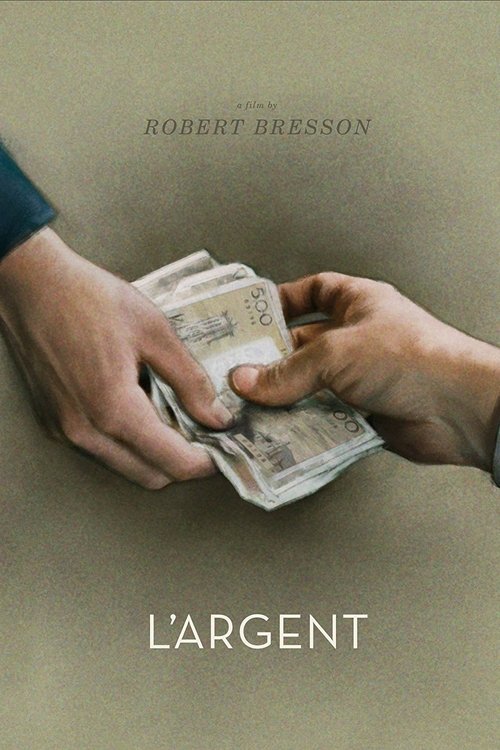
L'Argent1983
Both films, separated by 34 years and a chasm of tone, are fundamentally about the social consequences of money's movement. One finds it farcical; the other finds it tragic. They are opposite sides of the same coin.
Robert Bresson's austere, devastating film about how a counterfeit note ruins lives. It sounds nothing like Prohack, but it's the inverse story: where Prohack asks what happens when money arrives, Bresson asks what happens when it circulates and corrupts. Morally rigorous and hypnotic.
But There is no warmth, humour, or comfort here. It's bleak, slow, and demands concentration. The opposite of escapism.
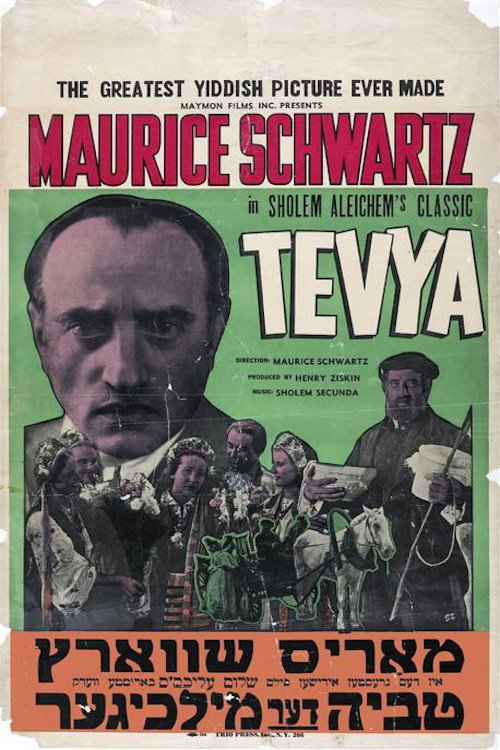
Tevye1939
Prohack assumes wealth is desirable; Tevye knows that poverty has its own dignity and community. Both films love their protagonists for their character, not their circumstances. One man inherits fortune and loses his footing; the other keeps his feet in a life of nothing. They interrogate each other perfectly.
A Yiddish-language film (with subtitles) about a poor man's simple life and loves. Not a comedy of wealth, but a profound meditation on belonging and security within constraint. Shot with warmth and specificity that British cinema often missed.
But It's in Yiddish, from 1939, and the print quality may be rough. The emotional register is grave, even when humour surfaces. This requires patience and openness to a different world entirely.
People
Cast
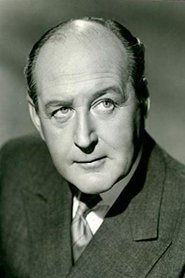 Cecil ParkerArthur Prohack
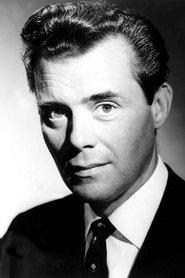 Dirk BogardeCharles Prohack
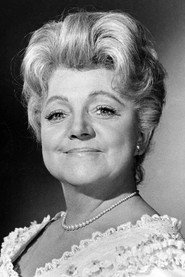 Hermione BaddeleyEve Prohack
 Sheila SimMary Prohack
 Glynis JohnsMimi Warburton
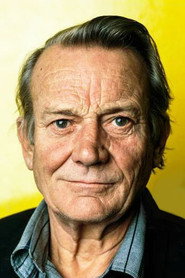 Denholm ElliottOswald Morfrey
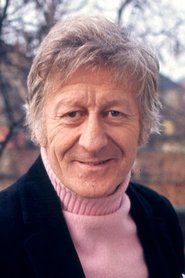 Jon PertweePlover
 Heather ThatcherLady Maslam
- Campbell CottsSir Paul Spinner
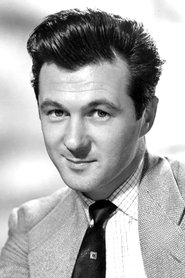 Bryan ForbesTony
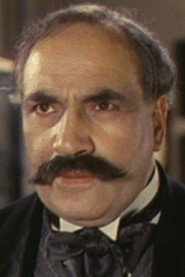 Frederick ValkDr. Viega
- Charles GoldnerPolish Man Servant
Directing
- Geoffrey LambertAssistant Director
- Pauline RobertsContinuity
- Thornton FreelandDirector
Writing
- Arnold BennettNovel
- Edward KnoblockTheatre Play
- Donald BullWriter
- Ian DalrympleWriter
Production
- Dennis Van ThalAssociate Producer
- Ian DalrympleProducer
- Raymond AnzarutProduction Manager