
Film
Tevye
A 1939 Yiddish-language drama about a Ukrainian dairyman navigating faith, family, and survival in early 20th-century Russia. Maurice Schwartz's Tevye is caught between tradition and the pull of the modern world—his daughter's forbidden romance, his community's fragility, his own weathered faith. Shot in America by immigrants, it's intimate and urgent, capturing the texture of a way of life about to vanish.
Should you watch it?
Watch it if you love old-fashioned village tales where a stubborn father's rough humor and a daughter's romantic defiance pull against centuries of custom, and you don't mind theater-style acting.
Skip it if you need brisk pacing or polished 1930s studio sheen, since this is stagy, talky and sometimes sentimental, with long conversations carrying most of the weight.
What it asks of you: Expect a leisurely 93 minutes of dialogue-heavy scenes, mostly indoors, where patience with the slow build and with old-style melodrama matters more than quick action.
Not sure? Find tonight's pick in a minute.
If you liked this
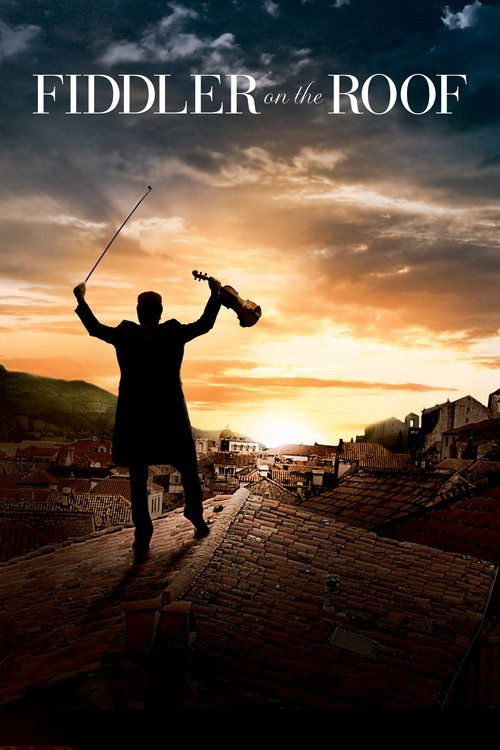
Fiddler on the Roof1971
The same story, transformed into musical exuberance. Tevye becomes Topol: philosophical, funny, arguing with God in song. The songs are perfect. Utterly different medium, same heart.
But The spectacle and big emotions can feel sentimentalised compared to the stark original. Some find musicals exhausting.
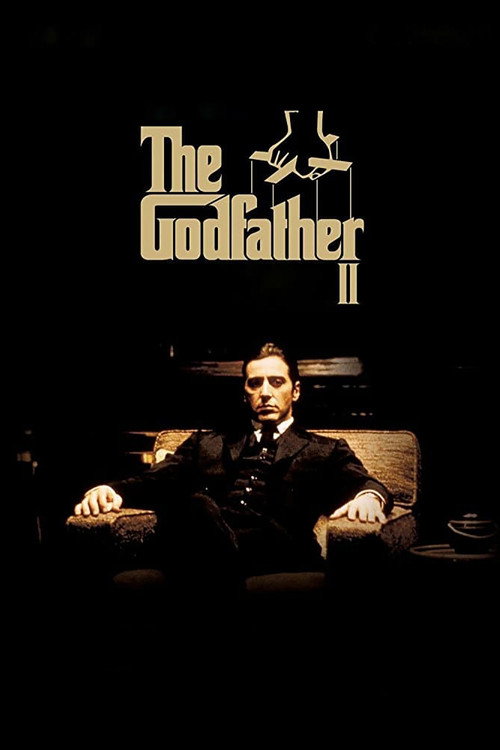
The Godfather Part II1974
Explores the same collision: Old World tradition meeting New World ruthlessness, the fracturing of family bonds under pressure, immigrant survival. Vito's scenes especially echo Tevye's quiet authority.
But Brutal crime saga with graphic violence. Entirely different moral universe—less faith, more blood.
Come and See1985
A Soviet film about a boy in WWII Belarus, depicting the obliteration of the world Tevye inhabited. Harrowing, necessary, and clarifies what was at stake for communities like his.
But Extremely difficult watching. Not cathartic. One of the most brutal films ever made.

Not sure tonight? Get a pick in a minute, starting from Tevye
The wildcard
Something you would not have found on your own.
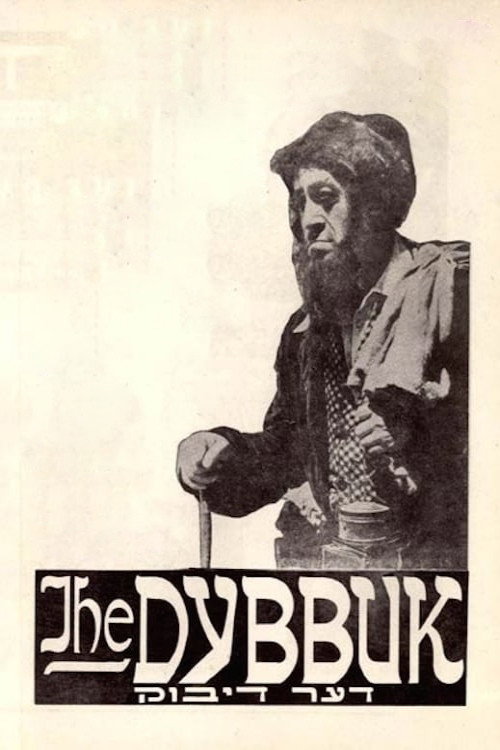
The Dybbuk1937
Both are Yiddish-language films made on the eve of destruction, documenting a culture in its final moments in Europe. Both centre on the conflict between old law and human desire.
A Polish-Jewish film made the year before Tevye, about possession and faith and a marriage broken by supernatural horror. Shot in Warsaw in the language Tevye speaks, it's a dark mirror: what happens when tradition cracks?
But Experimental filmmaking, sometimes awkward pacing. The plot is strange. Very much a period piece.
More like this (8)
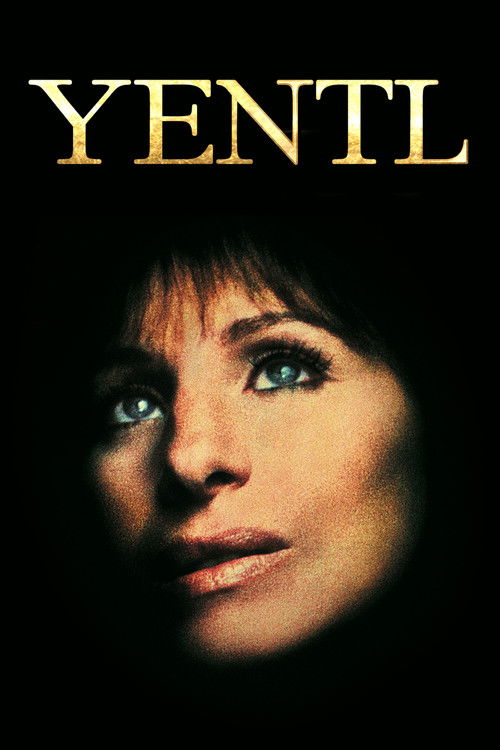
Yentl1983
Another Yiddish-inflected story about tradition, faith, and desire. Barbra Streisand's character disguises herself as a man to study Torah. Same world, same tensions, different solutions.
But Streisand's vanity project moments undercut the story's weight. Mixed tones between drama and musical theatre.
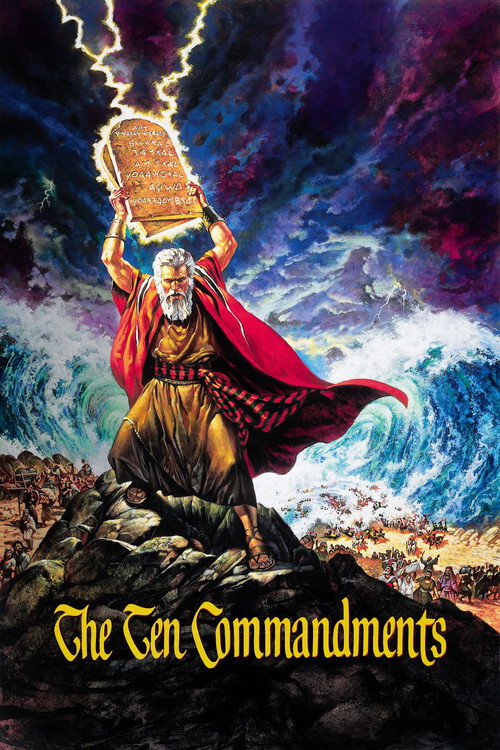
The Ten Commandments1956
DeMille's epic about faith, covenant, and the price of breaking with tradition. Tevye is a quieter witness to the same stakes: obedience to law, submission to God's will.
But Bombastic spectacle is the opposite of Tevye's intimacy. Three-and-a-half hours of biblical melodrama.
A Prophet2009
A man in prison learns to survive by understanding power, tradition, loyalty. Like Tevye, he's caught between worlds and must choose whether to compromise his identity.
But Contemporary French prison drama. Violence and brutality. No spiritual comfort offered.

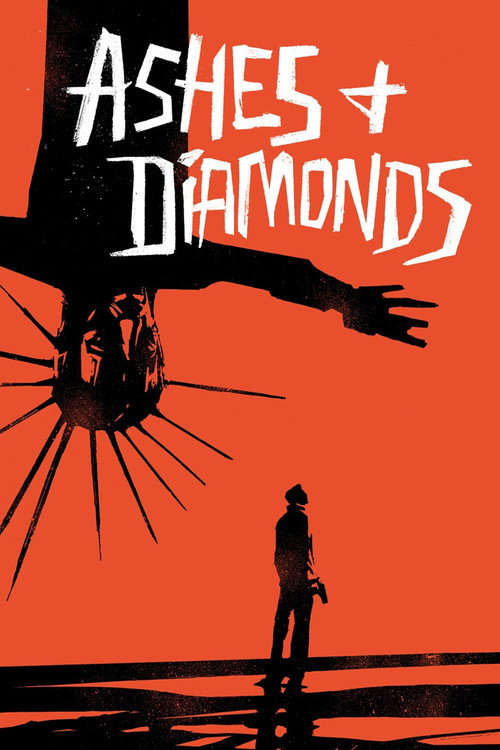
Ashes and Diamonds1958
Wajda's Polish masterpiece about a young man after WWII, caught between old orders and new ones. The same ache: how do you live when your world has been remade against your will?
But Elliptical, slow. Assumes knowledge of Polish postwar politics. Black-and-white austerity.
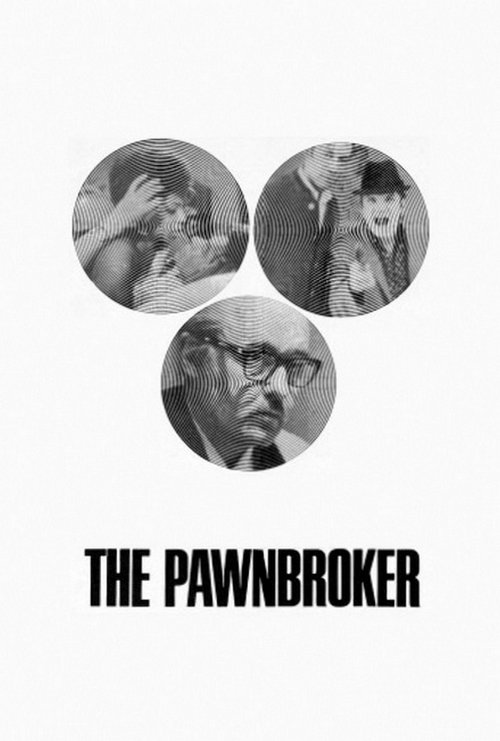
The Pawnbroker1965
A Holocaust survivor trying to survive in New York through detachment and numbness. Shows what happened to people like Tevye's descendants, the cost of survival without faith.
But Deeply traumatic. Some viewers find it dated in style. Relentlessly bleak without redemption.
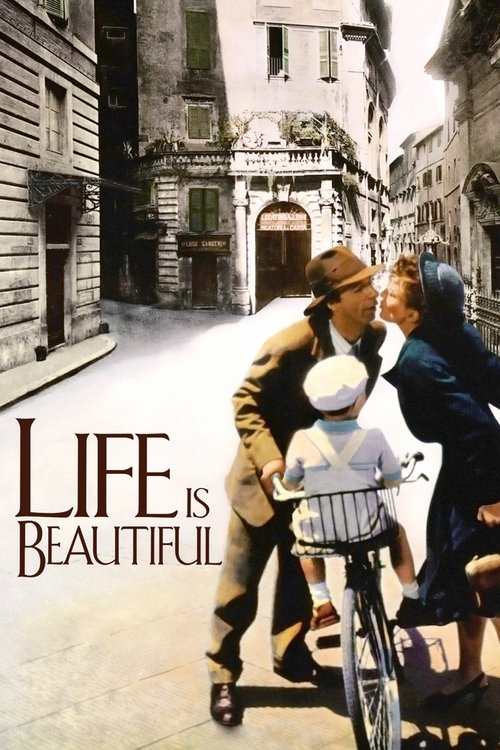
Life Is Beautiful1997
An Italian father in a concentration camp tries to shield his son through humor and imagination. The same question as Tevye: how do you protect faith and family when the world turns monstrous?
But Whimsical tone applied to the Holocaust unsettles many. Accused of softening unfathomable tragedy.
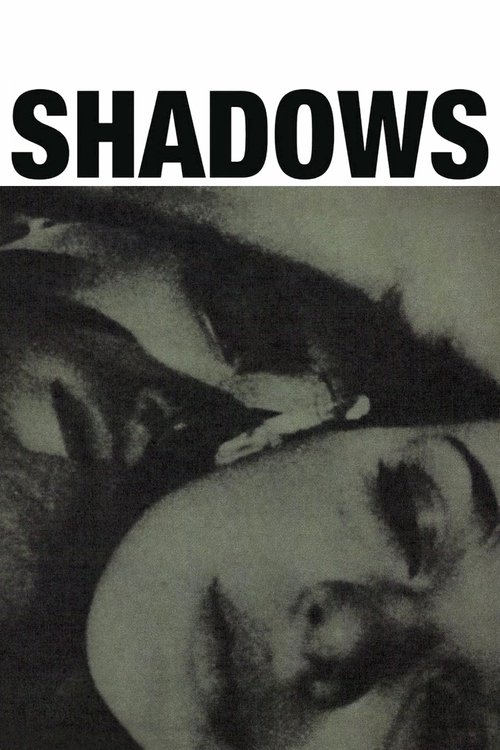
Shadows1960
Both films deploy the same cinematic grammar—closeness, naturalism, a wandering camera—to watch a person trapped between identities. Both are about the cost of survival.
Cassavetes' improvised, grainy New York film about Black identity and passing and family. Nothing to do with Tevye thematically, but structurally identical: the same intimate, hand-held camera watching a man navigate impossible choices about who he is allowed to be.
But Jazz-scored experimental drama shot on 16mm, intentionally rough. The narrative is deliberately unclear. Very much of its moment.
Stalker1979
Both centre on a patriarch's spiritual authority being tested. Both ask whether tradition and faith can survive contact with the world's hunger and change. Both end in uncertain reconciliation.
Tarkovsky's philosophical science-fiction film about a man guiding others toward a room that grants wishes. Tevye is a man guiding his family toward stability; both films ask whether faith is enough, whether desire destroys us, whether the journey matters more than arrival.
But Slow, meditative, three hours long. No plot in the conventional sense. Demands patience and attention most viewers won't give.

People
Cast
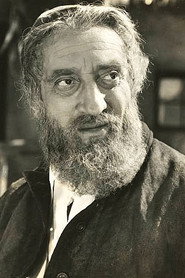 Maurice SchwartzTevya 'Tevye'
- Miriam RiselleChavah 'Khave'
- Rebecca WeintraubGoldie 'Golde'
- Paula LubelskiZeitel 'Tseytl'
- Leon LiebgoldFedya 'Fedye' Galagen
- Vicki MarcusShloimele
- Betty MarcusPerele
- Julius AdlerAleksei, the Priest
- Daniel MakarenkoMikita Galagen, Fedya's Father
- Helen GrossmanMrs. Galagen, Mikita's Wife
- Morris StrassbergStarosta
- Al HarrisZazuli 'Zuzuya'
Directing
- Maurice SchwartzDirector
Writing
- Marcy KlauberAdaptation
- Sholom AleichemNovel
- Maurice SchwartzWriter
Production
- Henry ZiskinProducer
- Maurice SchwartzProducer