
Film
The Dybbuk
A haunting 1937 Yiddish-language masterpiece about a dybbuk—a restless spirit possessing a young woman—set in a Polish shtetl. Gorgeously filmed with expressionist shadows and folk songs, it's a supernatural tale about fate, forbidden love, and the collision between mysticism and community law. Essential viewing for anyone drawn to atmospheric horror or Jewish cultural cinema.
Should you watch it?
Watch it if you are drawn to folk myth told with ritual gravity, where superstition, love and a sworn promise carry the menace of a fairy tale in a village full of song.
Skip it if you want brisk plotting or modern pacing; this is long, deliberate and often stagey, with melodramatic speeches and mysticism that asks patience before it pays off.
What it asks of you: Around two hours of unhurried, incantatory storytelling in Yiddish, with long songs and rituals that you need to sit inside rather than skim; attention rewards stillness.
Not sure? Find tonight's pick in a minute.
If you liked this
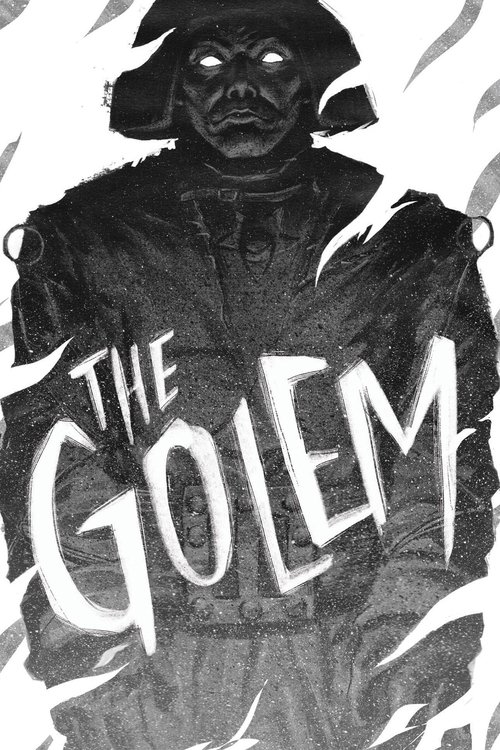
The Golem: How He Came into the World1920
Expressionist Jewish horror from Weimar Germany, featuring supernatural terror rooted in folklore. The same visual language of shadows and dread, with deep cultural resonance and a creature born from community desperation.
But Silent film with intertitles moves slowly by modern standards. The pacing asks patience, and the image quality varies depending on the print you find.
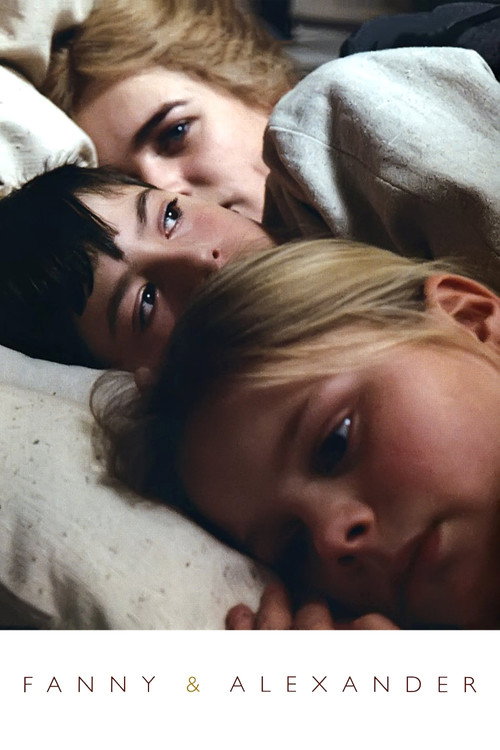
Fanny and Alexander1982
Bergman's luminous family saga spanning Jewish and Christian worlds, grounded in theatre, performance, and the ghosts that haunt domestic life. Magical realism woven through intimate character study, with similar tonal richness.
But Three hours and twenty minutes. Bergman's philosophical register won't suit everyone, and it's emotionally demanding rather than thrilling.
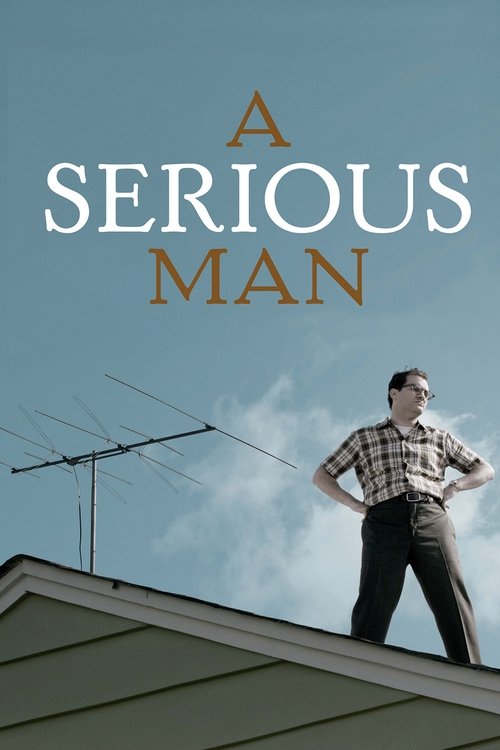
A Serious Man2009
Coen Brothers' darkly funny meditation on Jewish identity, suffering, and the search for meaning. Set in a Midwest Jewish community, it captures the same feeling of fate closing in and the absurdity of trying to appease cosmic forces.
But Deliberately bleak and inconclusive. The humour is sardonic rather than warm, and some find the ending philosophically unsatisfying rather than cathartic.
Not sure tonight? Get a pick in a minute, starting from The Dybbuk
The wildcard
Something you would not have found on your own.
The Turin Horse2011
Both films locate horror not in jump scares but in the inescapable weight of destiny and the failure of human agency to change anything that matters.
Béla Tarr's final film: a black-and-white apocalyptic vision of Nietzsche's last days, where the world decays into ash and silence. Not horror, but a hypnotic exploration of fate, suffering, and resignation—the cosmic pessimism that animates The Dybbuk rendered as slow-cinema elegy.
But Profoundly bleak and repetitive. Tarr's visual austerity and glacial pacing demand active surrender; it's austere to the point of monotony for many viewers.

More like this (7)
The Phantom Carriage1921
Swedish expressionist ghost story about a man forced to review his life from beyond death. Same era, same visual poetry, same exploration of how the past reaches into the present with inescapable weight.
But Very slow by today's standards, and the sentimentality can feel dated. It's a meditation, not a plot-driven narrative.

Nosferatu1922
Murnau's silent vampire masterpiece uses shadow and atmosphere to create dread without gore. The same expressionist toolkit creates supernatural horror through pure visual language and mounting psychological unease.
But Silent film without dialogue. Some viewers find the pacing glacial, and the plot is straightforward compared to the layered mythology of The Dybbuk.

The Seventh Seal1957
Bergman's meditation on mortality, faith, and the supernatural. A knight plays chess with Death itself—same preoccupation with cosmic forces you cannot bargain with, rendered through stark visual power.
But Allegorical and philosophical rather than plot-driven. If you want character momentum over existential wrestling, this will feel self-conscious and slow.

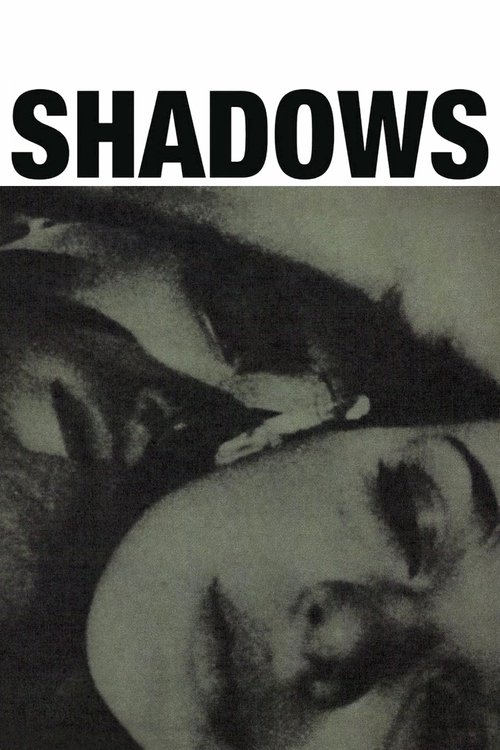
Shadows1960
Cassavetes' groundbreaking indie drama about identity and belonging in New York, featuring Black and white characters navigating prejudice and desire. Loose, improvisatory storytelling that captures the texture of lived experience over neat narrative.
But Deliberately rough editing and murky sound design. Plotless and meandering by conventional standards; if you need clear structure, it frustrates rather than engages.
Stalker1979
Tarkovsky's science-fiction meditation on desire, faith, and the mysteries we chase. Slow, hypnotic, and deeply philosophical—a spiritual companion to The Dybbuk's preoccupation with forces beyond rational control.
But 163 minutes of deliberate pacing. Long static shots, minimal dialogue, and abstract philosophical terrain. Many viewers find it punishing rather than transcendent.

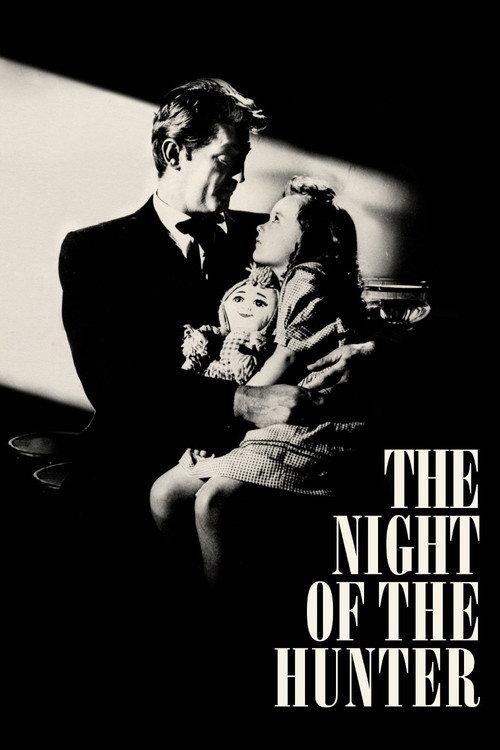
The Night of the Hunter1955
Charles Laughton's only directorial feature, a Gothic expressionist thriller about evil wearing a preacher's collar. Uses shadow, song, and atmosphere to create dread, with deep spiritual currents running beneath the surface terror.
But Tonal shifts between fairy tale and noir can feel uneven. Some find the stylisation overwrought, and the violence toward children makes it difficult to watch comfortably.
Pather Panchali1955
Both are foundational works of non-Western cinema that use their cultural specificity—and their national film industries—to create something spiritually inescapable. Both make the particular universal.
Satyajit Ray's masterpiece about a poor Bengali family's quiet suffering and grace. Uses naturalistic performance and poetic cinematography to find the sacred in everyday life and loss. Same spiritual depth as The Dybbuk but rooted in realism rather than the supernatural—the ghost here is poverty and time.
But Slow, domestic, and deliberately unglamorous. If you're expecting narrative momentum or conventional drama, it withstands interpretation rather than action.

People
Cast
- Avrom MorewskiRabbi Ezeriel ben Hodos (as Abram Morewski)
- Ajzyk SambergMeszulach
- Mojzesz LipmanSender Brynicer ben Henie
- Lili LilianaLea
- Leon LiebgoldChanan ben Nisan
- Dina HalpernAunt Frade
 Max BozykNute (as Maks Bozyk)
- M. MessingerMenasze
- Gerszon LembergerNisan ben Rifke
- Samuel BroneckiNachman (as S. Bronecki)
- Samuel LandauZalman - swat
- Judith BergDancer
Directing
- Michał WaszyńskiDirector
Writing
- Sholom AnskyTheatre Play
- Anatol SternWriter
- Andrzej MarekWriter
- S.A. KacyznaWriter
Production
- Zygmunt MayflauerProducer
- Ludwig PrywesProduction Manager