
Film
The Golem: How He Came into the World
A 1920 German Expressionist landmark: Paul Wegener's towering clay guardian, jagged medieval sets, and a shadow-drenched Prague ghetto make this less a scare machine than an uncanny mood piece about power, protection, and the limits of control. Essential for anyone curious where cinema's monster movies actually began, though its silent pace demands real patience.
If you liked this
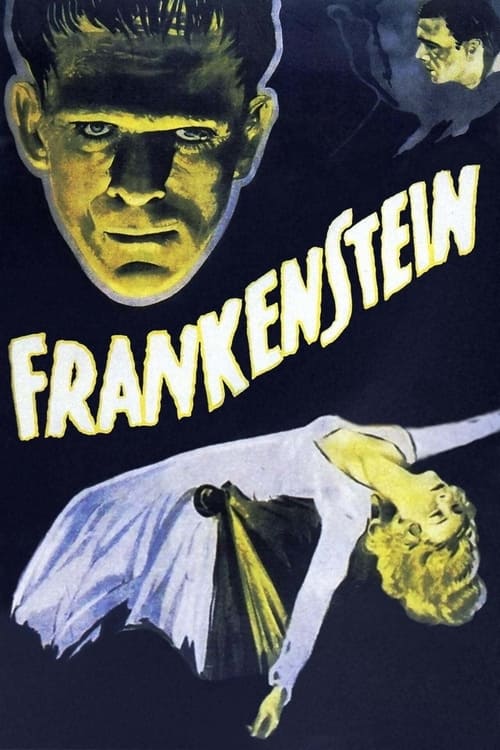
Frankenstein1931
Boris Karloff's monster is the flip side of the same coin — a created being persecuted by the very people it might have protected, filmed with the same expressionist shadows and lumbering, tragic physicality Wegener pioneered.
But Talkier and tamer than the reputation suggests; the pacing creaks and the torch-wielding mob beats feel very familiar now.
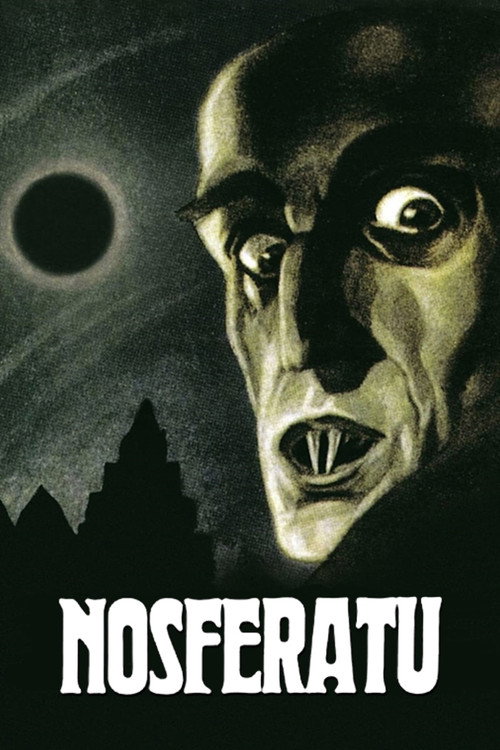
Nosferatu1922
Same year, same country, same appetite for turning dread into architecture — Murnau's vampire is another silent monster whose shadow says more than any actor's face could.
But Even slower and stranger than Golem, with long stretches that have almost no plot momentum at all.
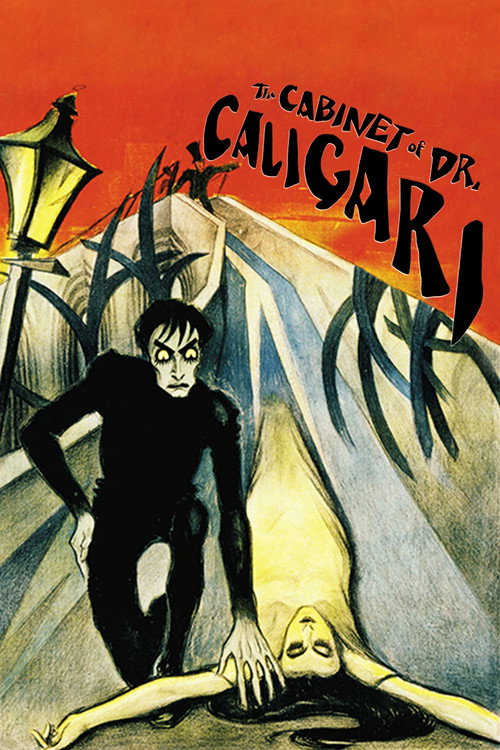
The Cabinet of Dr. Caligari1920
The other landmark of German Expressionist horror from the very same year, all crooked streets and painted shadows — proof this style was a movement, not one director's fluke.
But The famous twist ending has been imitated so often it may land as a shrug rather than a shock.
The wildcard
Something you would not have found on your own.
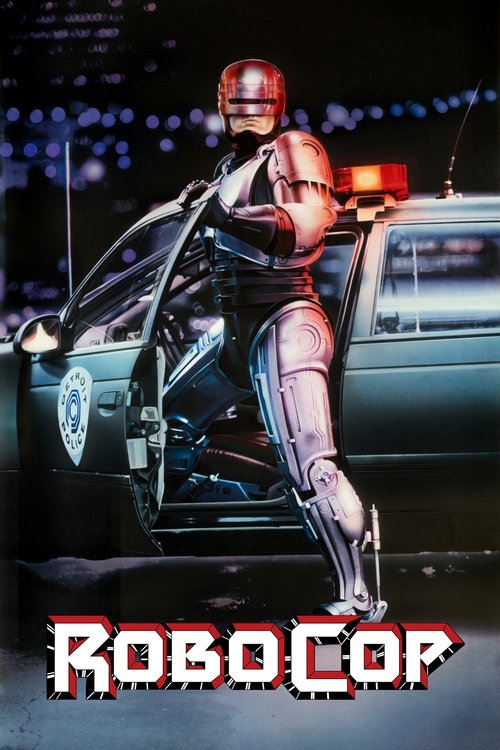
RoboCop1987
Both are stories of a manufactured guardian, built to protect an endangered population, whose makers can't fully steer what they've unleashed — one told as sacred folklore, the other as corporate satire dripping in gore.
Same skeleton as Golem — a made protector built to defend a city's vulnerable, who becomes something his creators can't quite control — but staged as gleeful, ultraviolent satire.
But Gory and cartoonish where Golem is solemn; the satire is broad and the violence is considerable.
More like this (8)
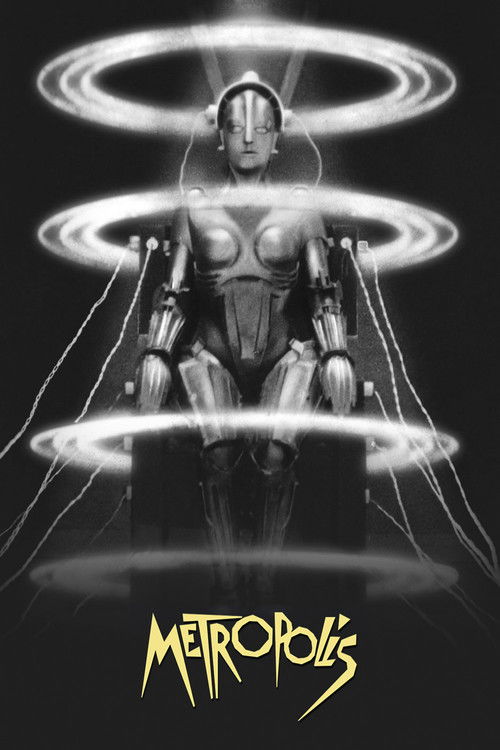
Metropolis1927
Fritz Lang scales the same expressionist DNA up into a towering city of machines and a false, artificial woman — the golem myth reborn as science-fiction spectacle.
But Nearly two and a half hours of silent melodrama, and the political allegory is broad, occasionally clumsy.
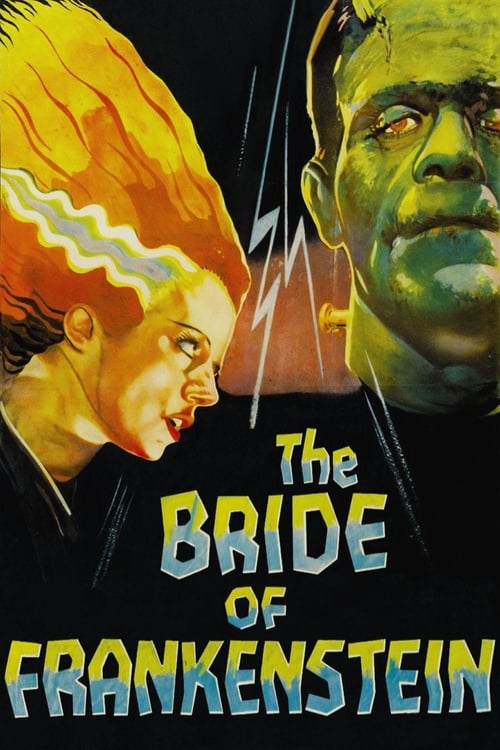
Bride of Frankenstein1935
Funnier, sadder, and stranger than the first Frankenstein, it asks what a created being actually wants — companionship, not just obedience — with real tenderness beneath the theatrics.
But The camp and comedy sit oddly close to genuine pathos, which can feel like tonal whiplash.
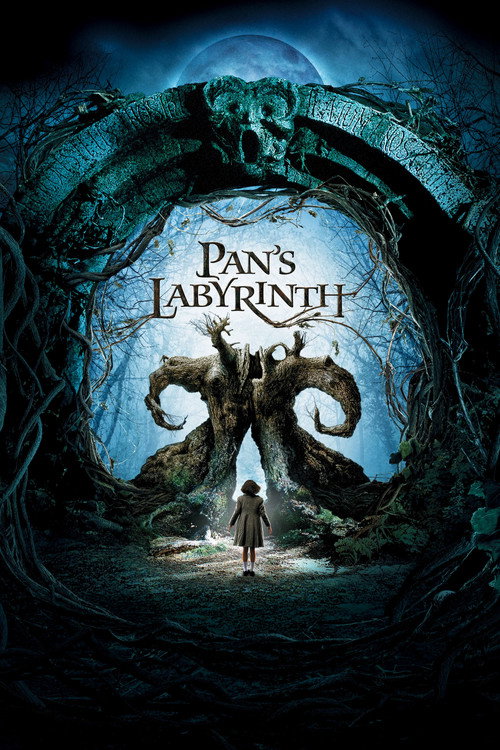
Pan's Labyrinth2006
Del Toro folds folklore, fascism, and monstrous protectors into a fairy tale for adults — the same instinct that made Golem's ghetto feel like myth made flesh.
But Genuinely brutal in places; despite the fairytale framing, this is not a cozy watch.
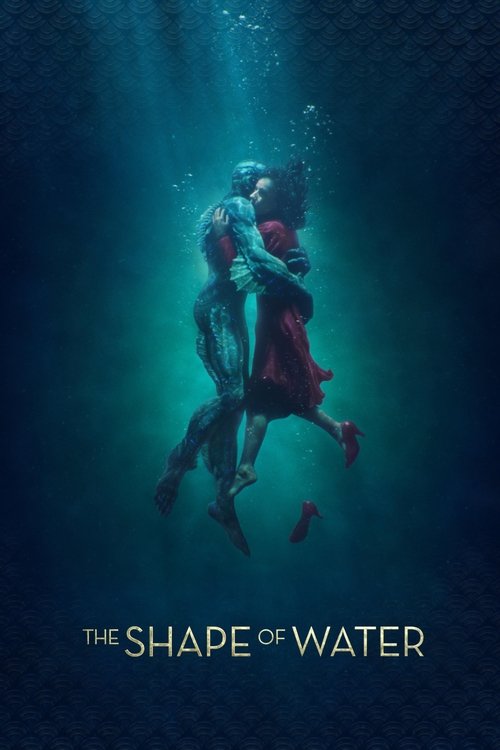
The Shape of Water2017
Another creature built from myth and made sympathetic rather than monstrous, treated with the same reverence for texture and shadow that made silent-era creature design so haunting.
But The romance is unabashedly sentimental; you'll need to accept its fable logic without irony.
Ex Machina2015
A modern, minimalist rerun of the question Golem asks — what happens when a creator loses control of what they've made — set in glass rooms instead of ghetto streets.
But Cerebral and quiet where Golem is operatic, with little in the way of traditional horror thrills.

Mary Shelley's Frankenstein1994no page yet
Branagh plays the myth as full-blooded opera — birth, grief, vengeance — closer to Shelley's source than the Universal classics and just as interested in the creator's guilt.
But Overstuffed and melodramatic even by Branagh's theatrical standards; some find it exhausting rather than moving.
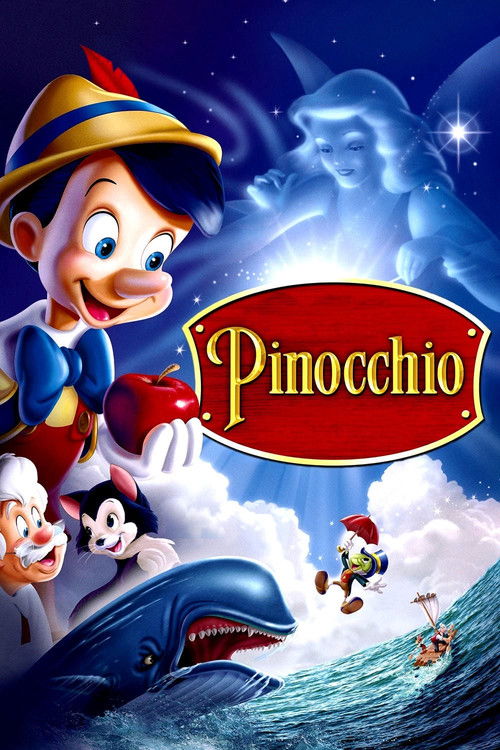
Pinocchio1940
Strip away the expressionist shadows and Golem's premise is a fairy tale — a maker animates lifeless matter out of longing — which is exactly Pinocchio's plot, sung instead of shadowed.
Disney's animated classic is the golem story for children — a crafted figure brought to life by love and desperation, who has to earn the right to exist as more than an object.
But Gentler and more moralizing than Golem's gothic dread, though a few sequences are oddly frightening for very young viewers.
Westworld2016
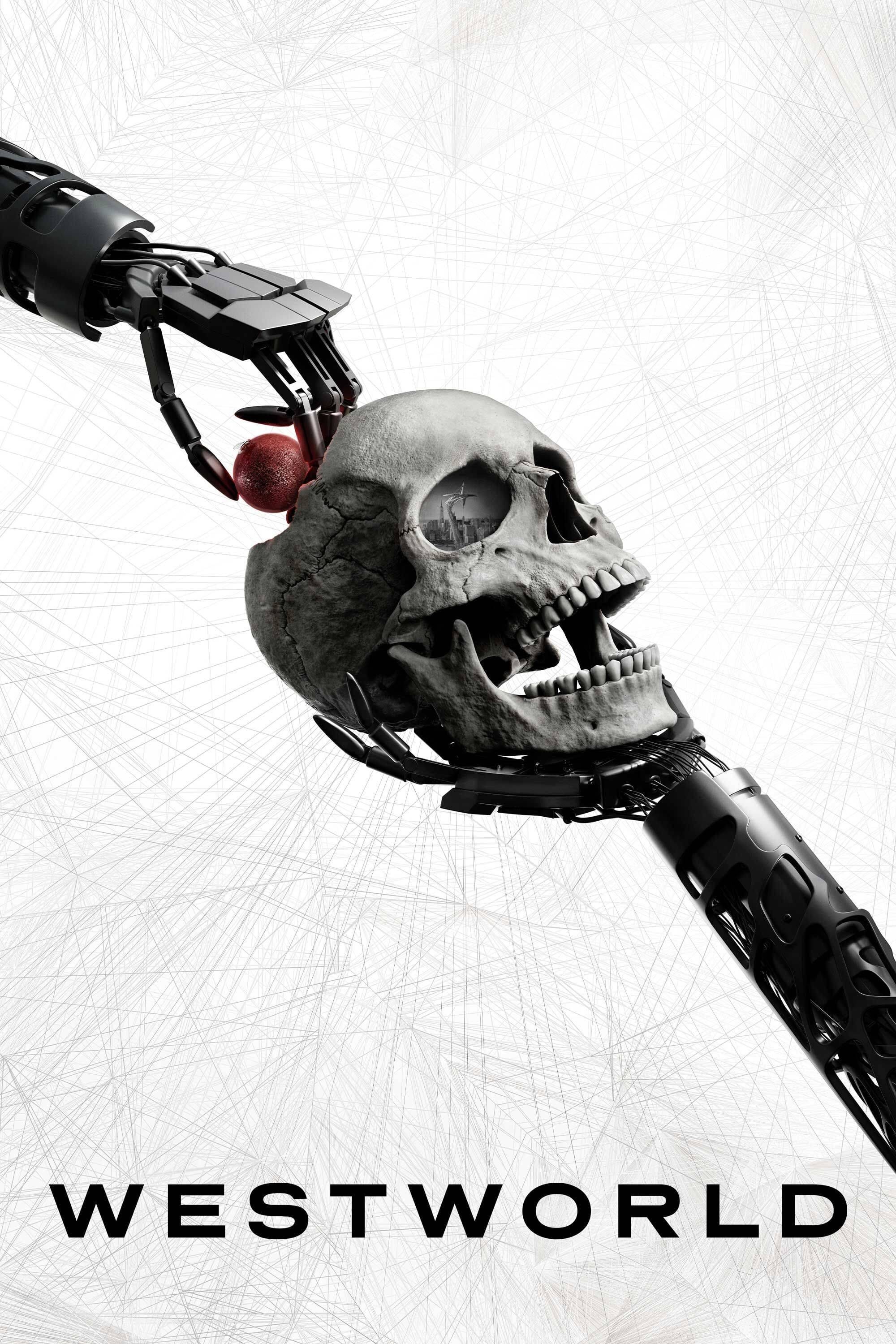
Golem compresses the ethics of artificial life into 85 wordless minutes; Westworld stretches the identical question — obedience, consciousness, revolt — across dozens of hours, trading Expressionist shadow for android hosts.
This prestige sci-fi Western spends whole seasons on Golem's real question — what a creator owes the things they've made sentient, and what happens when the made things start asking their own.
But A serialized, twist-heavy commitment across dozens of hours; demands patience for slow-burn plotting and philosophical detours.
People
Cast
 Paul WegenerThe Golem
 Albert SteinrückRabbi Loew
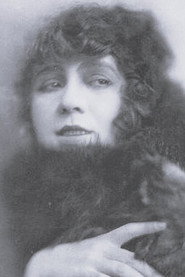 Lyda SalmonovaMiriam, the Rabbi's Daughter
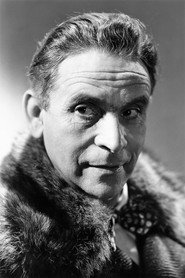 Ernst DeutschRabbi Famulus
- Hans StürmRabbi Jehuda, the Elder of the Community
- Max KronertTemple Servant
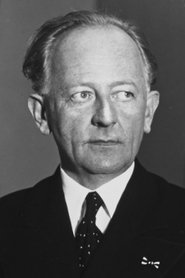 Otto GebührEmperor
- Dore PaetzoldEmperor's Concubine
- Lothar MüthelKnight Florian
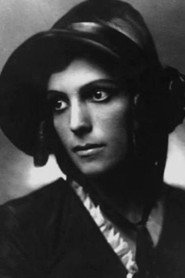 Greta SchröderYoung Woman with Rose
 Loni NestLittle Girl
- Carl EbertTemple Servant (uncredited)
Directing
- Carl BoeseDirector
- Paul WegenerDirector
Writing
- Gustav MeyrinkNovel
- Henrik GaleenScreenplay
- Paul WegenerScreenplay
Production
- Paul DavidsonProducer