
Film
Mary Shelley's Frankenstein
- Science fiction
- Drama
- Monster horror
- Very dark
Branagh's ambitious 1994 adaptation treats Shelley's novel as gothic tragedy rather than monster movie. Visually sumptuous and emotionally raw, it centers Victor's ambition and guilt as much as the Creature's anguish. De Niro brings heartbreaking intelligence to a role often played as pure menace. It's Romantic-era melodrama with real teeth—for those who want their horror literary and their monsters sympathetic.
If you liked this
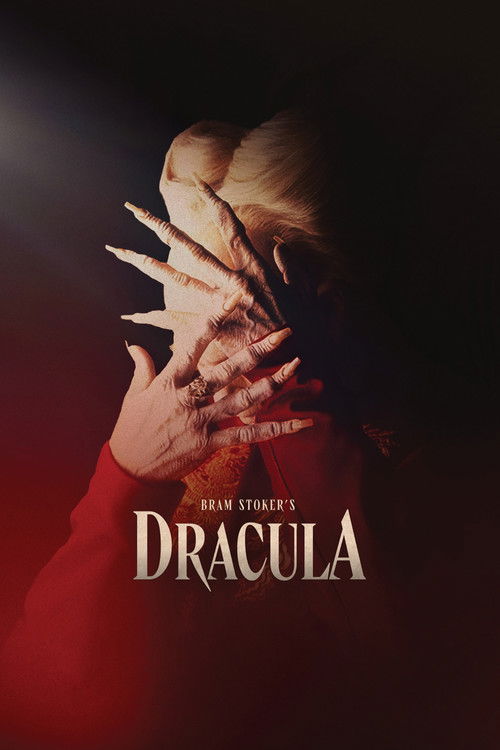
Bram Stoker's Dracula1992
Coppola's operatic take on another classic monster tale, similarly lush and sexually charged. Gary Oldman and Keanu Reeves lead an ensemble cast through a visually sumptuous nightmare. If you loved the heightened emotion and gothic atmosphere here, this is its spiritual sibling.
But The pacing is occasionally glacial, and Reeves's wooden performance in the lead can test your patience. Some scenes veer into unintentional camp.
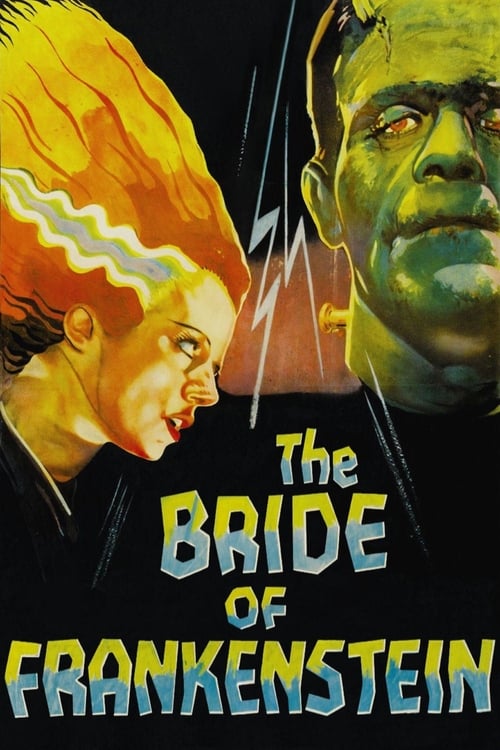
Bride of Frankenstein1935
The original Universal film that perfected the monster-movie formula Branagh's version upends. Karloff's creature is genuinely tragic; James Whale's direction is economical and darkly funny. Essential viewing to understand what Branagh was working against and with.
But It's 1935 cinema—the pacing and acting styles will feel remote if you're not used to Golden Age Hollywood. Quite brief, which some find unsatisfying.
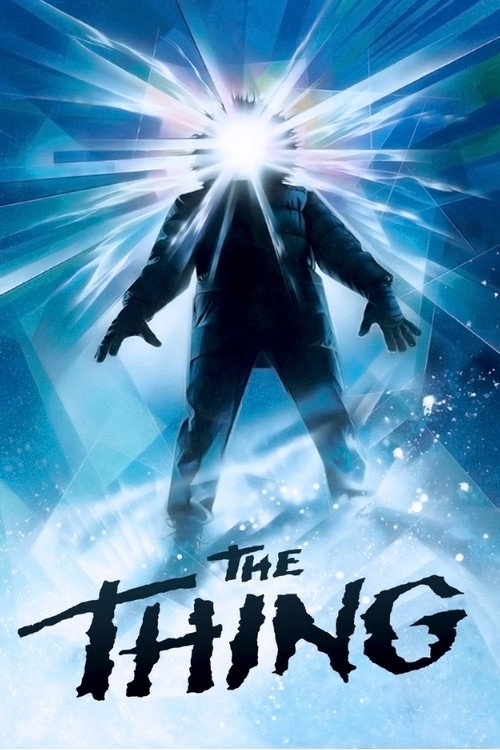
The Thing1982
Carpenter's paranoid masterpiece shares Frankenstein's obsession with what happens when human ambition reaches too far into forbidden territory. Kurt Russell anchors a claustrophobic nightmare about isolation and the price of discovery. Endlessly rewatchable.
But Relentlessly bleak and violent. There's no catharsis here, only dread. If you need hope in your horror, look elsewhere.
Not sure tonight? Get a pick in a minute, starting from Mary Shelley's Frankenstein
The wildcard
Something you would not have found on your own.
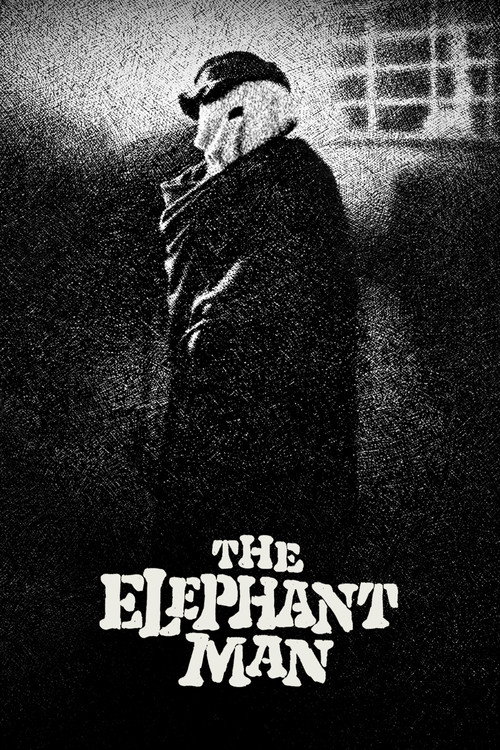
The Elephant Man1980
Both ask whether monstrosity is inherent or created by the gaze of others. Both feature a being of profound sensitivity trapped by what they are perceived to be.
Lynch's monochrome meditation on deformity, dignity, and how society creates monsters. John Hurt delivers a transcendent performance beneath prosthetics as a man society cannot see past. It shares Frankenstein's central tragedy: a being of intelligence and feeling imprisoned by appearance and circumstance.
But Deliberately artificial in its aesthetics; the black-and-white cinematography and dreamlike pacing alienate viewers seeking naturalistic drama. Profoundly sad without relief.
More like this (8)
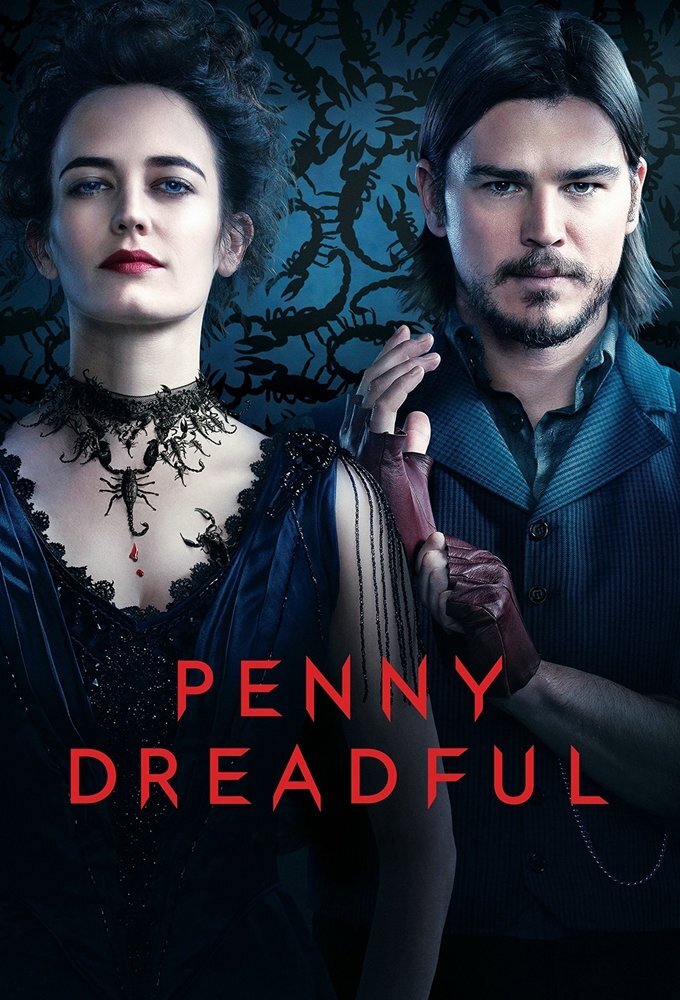
Penny Dreadful2014
Showtime's series resurrects Frankenstein, Dracula, and other Victorian monsters for a serialized gothic fever dream. Eva Green is mesmerizing; the writing treats its source material with scholarly respect while making it genuinely unsettling. Perfect for Branagh fans who want to live in this world longer.
But Shifts tone wildly across seasons, and the final season feels rushed. Some episodes are sluggish between bursts of brilliance.
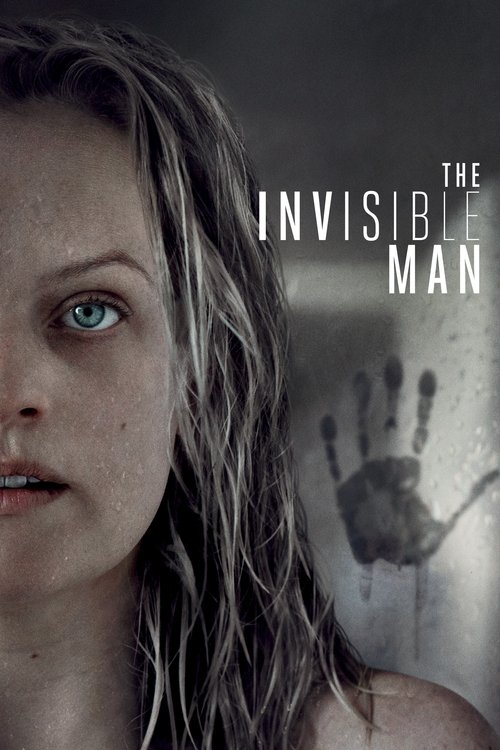
The Invisible Man2020
Leigh Whannell's reimagining of another classic monster tale as intimate psychological horror. Elizabeth Moss gives a powerhouse performance; the film asks how monstrosity functions when invisible. Sharp, timely, and genuinely suspenseful.
But Deviates significantly from the source material's spirit. The political subtext is heavy-handed for some viewers.
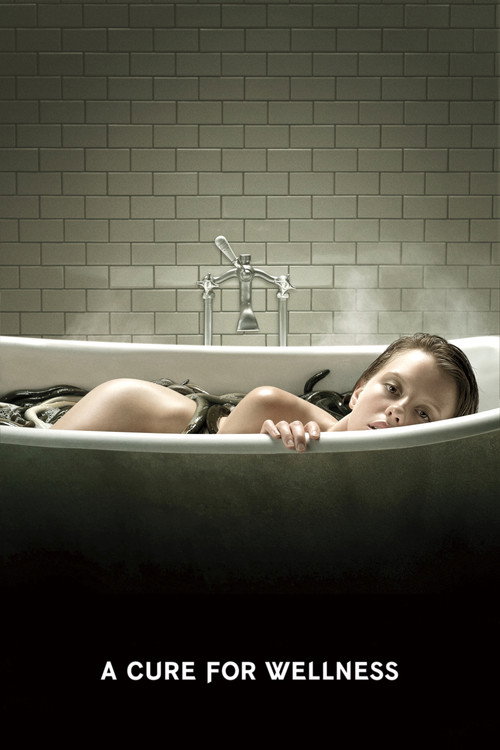
A Cure for Wellness2017
Verbinski's ambitious gothic fever dream set in an Alpine wellness resort that hides terrible secrets. Visually ravishing and narratively baroque, it captures the same sense of beauty masking corruption. Dane DeHaan carries the mounting dread beautifully.
But Nearly two and a half hours of increasingly baroque plotting. The twist divides audiences sharply, and the pacing drags in the middle hour.
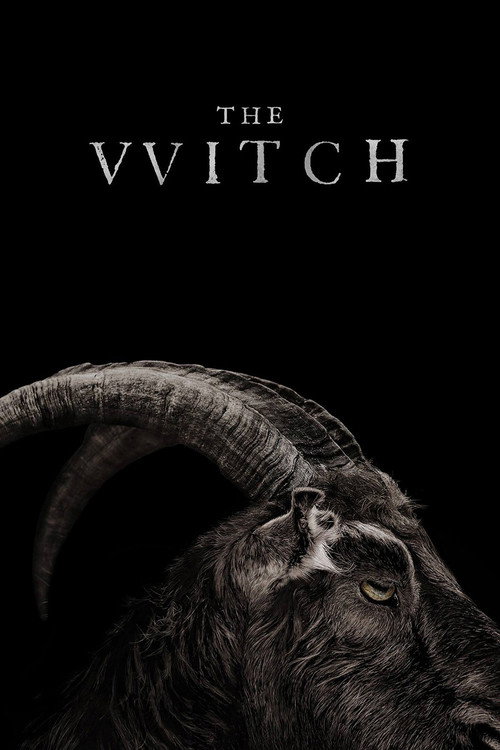
The Witch2016
Eggers' debut is a slow-burn nightmare of Puritan paranoia and body horror. Shot in Academy ratio with a sparse, archaic script, it achieves genuine dread through atmosphere rather than jump scares. A meditation on corruption and family trauma dressed as folk horror.
But Deliberately paced—some find it glacial. The New England dialect and archaic language can be hard to parse. Deeply bleak throughout.
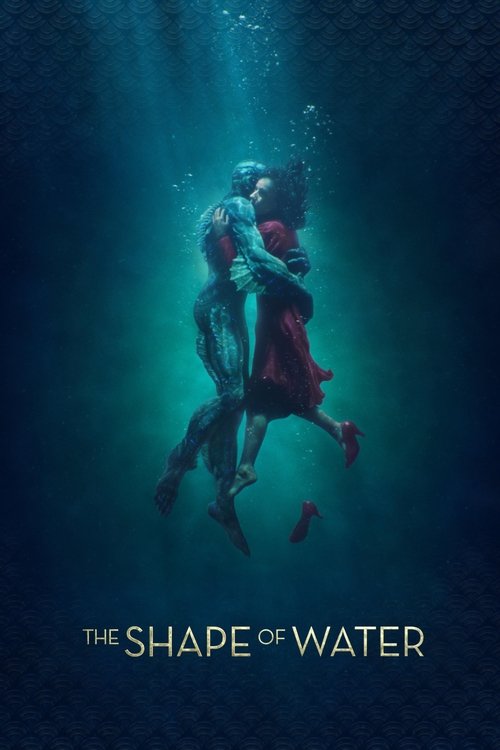
The Shape of Water2017
del Toro's fairy tale pairs a mute woman with a captured amphibious humanoid during the Cold War. Gorgeously composed and surprisingly tender, it reframes the monster-as-victim narrative with genuine romance. A companion piece to Branagh's emotional intelligence.
But The central romance asks you to accept a fantasy premise that some find uncomfortable. Slower and more deliberate than typical del Toro.
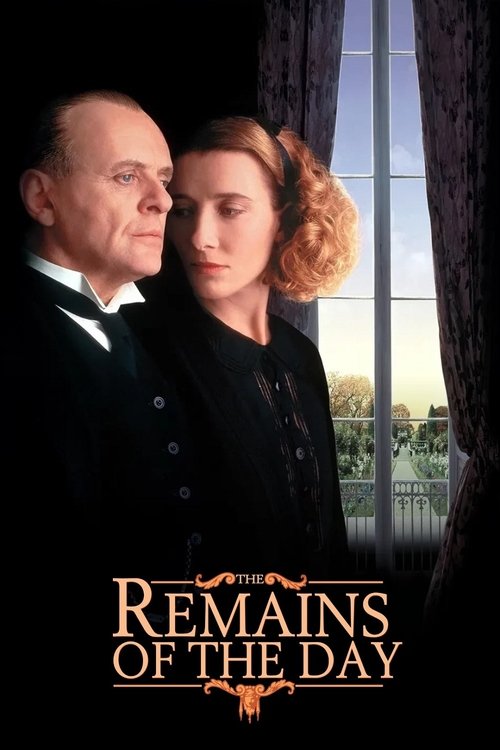
The Remains of the Day1993
Hopkins anchors this chamber piece about repression, duty, and the cost of emotional denial. Ivory and Merchant's adaptation of Ishiguro is restrained and heartbreaking. For those who respond to Branagh's exploration of Victor's psychological torment more than the horror elements.
But Almost glacially quiet. Plot barely exists; this is pure character study. If you want narrative momentum, you'll be frustrated.
Under the Skin2014
Both feature a non-human consciousness moving through a human world, observing rather than belonging. Both ask what it means to desire connection across an unbridgeable divide.
Glazer's film follows an alien harvesting human bodies across Scotland with almost no dialogue. Scarlett Johansson moves through landscape and strangers like a predator. Hypnotic, unsettling, visually extraordinary. It inverts Frankenstein: the monster is elegant, human, and harvesting rather than yearning.
But Experimental and inaccessible; conventional plot barely exists. Long stretches of silent driving and ambient dread. Demands active interpretation rather than spoon-feeding meaning.

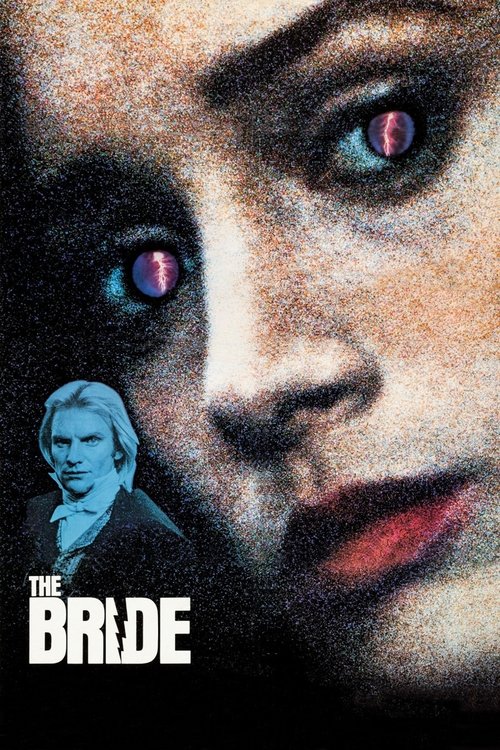
The Bride1985
It literalizes the creation narrative as romance and asks whether love can survive the knowledge that you were assembled to purpose. A companion film that asks: what if the Creature and his Bride had met first?
Rappeneau's romantic fantasy imagines a woman created specifically to match a man's ideal—Frankenstein from the Creature's perspective. Sting and Jennifer Beals navigate beauty, desire, and the violence of being made rather than born. Visually eccentric, deeply strange, unexpectedly moving.
But Wildly uneven in tone; it's half fairy tale, half exploitation film. Some sequences are genuinely awkward. The '80s aesthetic and Sting's presence are acquired tastes.
People
Cast
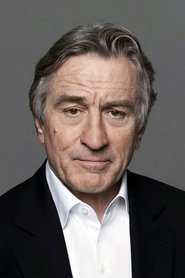 Robert De NiroThe Creature / Sharp Featured Man
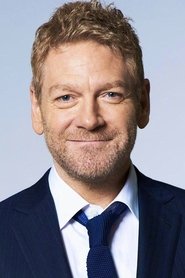 Kenneth BranaghVictor Frankenstein
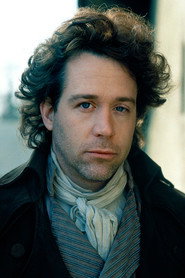 Tom HulceHenry Clerval
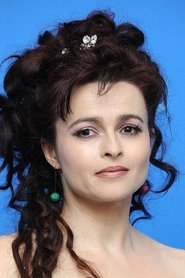 Helena Bonham CarterElizabeth
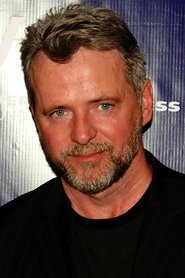 Aidan QuinnCap. Robert Walton
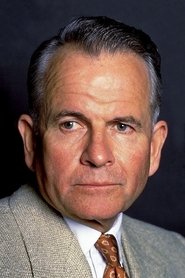 Ian HolmBaron Frankenstein
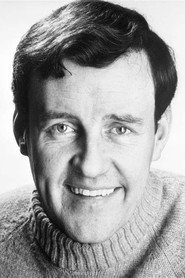 Richard BriersGrandfather
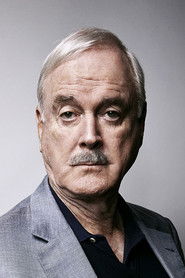 John CleeseProf. Waldman
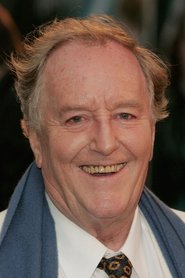 Robert HardyProf. Krempe
 Cherie LunghiCaroline Beaufort Frankenstein
 Celia ImrieMrs. Moritz
 Trevyn McDowellJustine
Directing
- Christopher NewmanAssistant Director
- Kenneth BranaghDirector
- Annie PennScript Supervisor
- Bernard BellewSecond Assistant Director
- Simon MoseleySecond Assistant Director
- Andrew MarcusSecond Unit Director
- Ben HowarthThird Assistant Director
- Sallie HardThird Assistant Director
Writing
- Mary ShelleyNovel
- Frank DarabontWriter
- Steph LadyWriter
Production
- Jeff KleemanAssociate Producer
- Robert De NiroAssociate Producer
- Priscilla JohnCasting
- David ParfittCo-Producer
- Kenneth BranaghCo-Producer
- Fred FuchsExecutive Producer
- Francis Ford CoppolaProducer
- James V. HartProducer
- John VeitchProducer