
Film
Bram Stoker's Dracula
Coppola's Dracula is less horror movie than fever dream — red velvet, shadow puppetry, and genuinely deranged production design, every frame overacting on purpose. It's Stoker's plot filtered through Coppola's own obsessions: doomed romantic love, in-camera trickery over CGI, and performances pitched somewhere between opera and camp. Watch it for spectacle and swoon, not subtlety, and let Gary Oldman's shape-shifting Count take over every scene he's in.
If you liked this
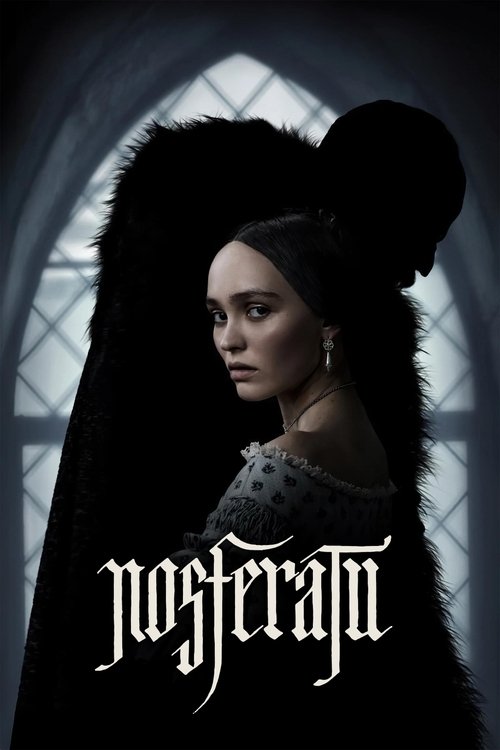
Nosferatu2024
Robert Eggers strips the myth back to pure dread and disease, trading Coppola's velvet excess for mud, plague, and unbearable silence between scares — the same doomed obsession, shot like a nightmare you can't wake from.
But It's relentlessly grim and slow-building; if you came for romance and swoon, this offers suffocation instead.
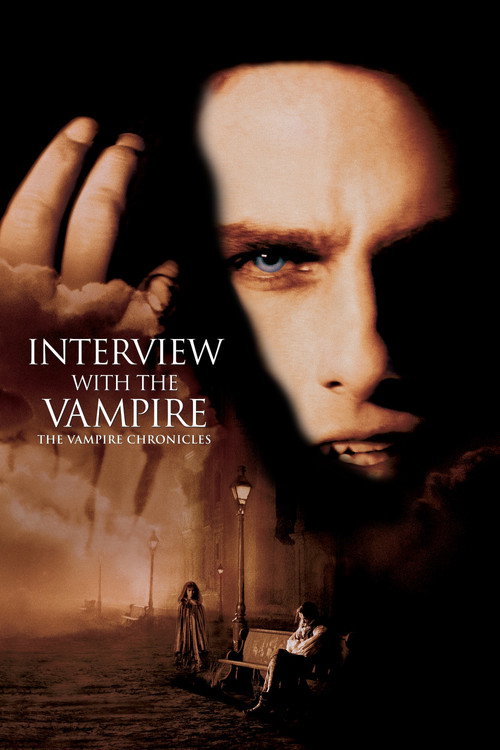
Interview with the Vampire1994
Same decade, same appetite for lush gothic misery — Tom Cruise and Brad Pitt as centuries-old lovers drowning in guilt and velvet. It's Anne Rice's answer to Stoker: vampirism as tragic, seductive curse rather than monster movie.
But The pacing sags in the middle third, and Cruise's casting still divides people decades later.
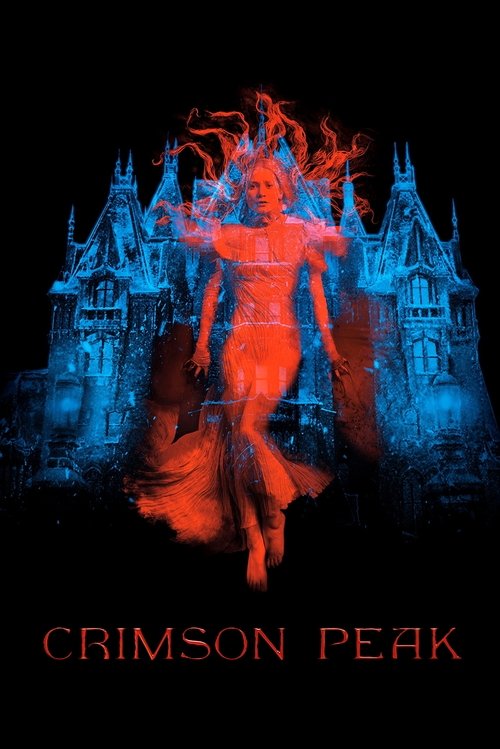
Crimson Peak2015
Guillermo del Toro's haunted-house romance shares Coppola's belief that horror should look like a painting — crimson silk, decaying mansions, love as something monstrous and beautiful at once.
But It's more gothic melodrama than scare machine; if you wanted jump scares, this will feel slow and mannered.
The wildcard
Something you would not have found on your own.
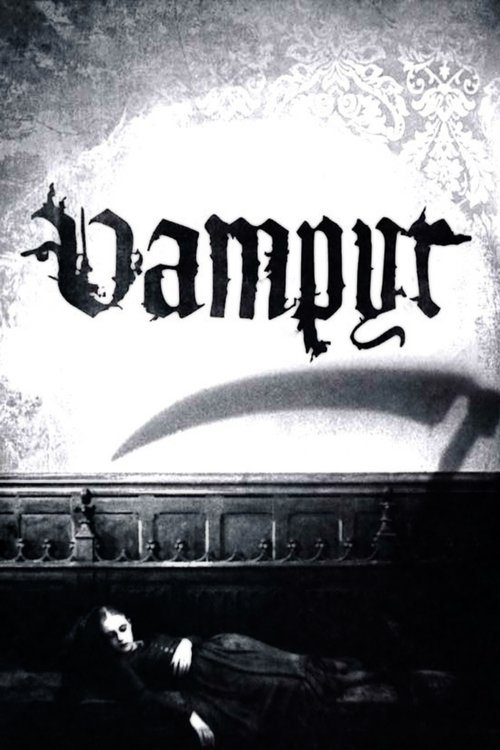
Vampyr1932
Coppola cited early German and Scandinavian expressionist horror as his visual bible — this is the atmosphere-first vampire film that taught cinema how dread could be pure mood, decades before anyone had a special effects budget.
Dreyer's dreamlike, near-wordless vampire film predates Coppola by sixty years and does with fog and shadow what he does with velvet and blood — pure atmosphere, almost no plot, deeply unsettling.
But It's slow, silent-adjacent, and plotless by design; real patience for old, strange cinema is required here.
More like this (8)
The Hunger1983no page yet
Tony Scott's fashion-shoot vampire film, all smoke machines and Bowie cheekbones, is the closest thing to Coppola's operatic style filmed a decade earlier — vampirism as decadence, not just danger.
But The plot is thin and the pace glacial by modern standards; it survives entirely on mood and image.
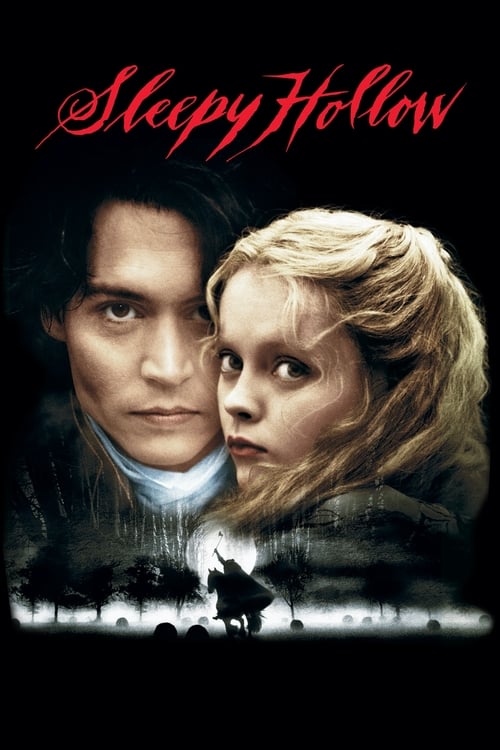
Sleepy Hollow1999
Tim Burton's gothic period horror gives you the same fog, candlelight, and theatrical dread, with Johnny Depp doing his own version of overripe period performance.
But It's broader and more comic than Coppola's film, closer to a haunted fairground ride than a tragic romance.
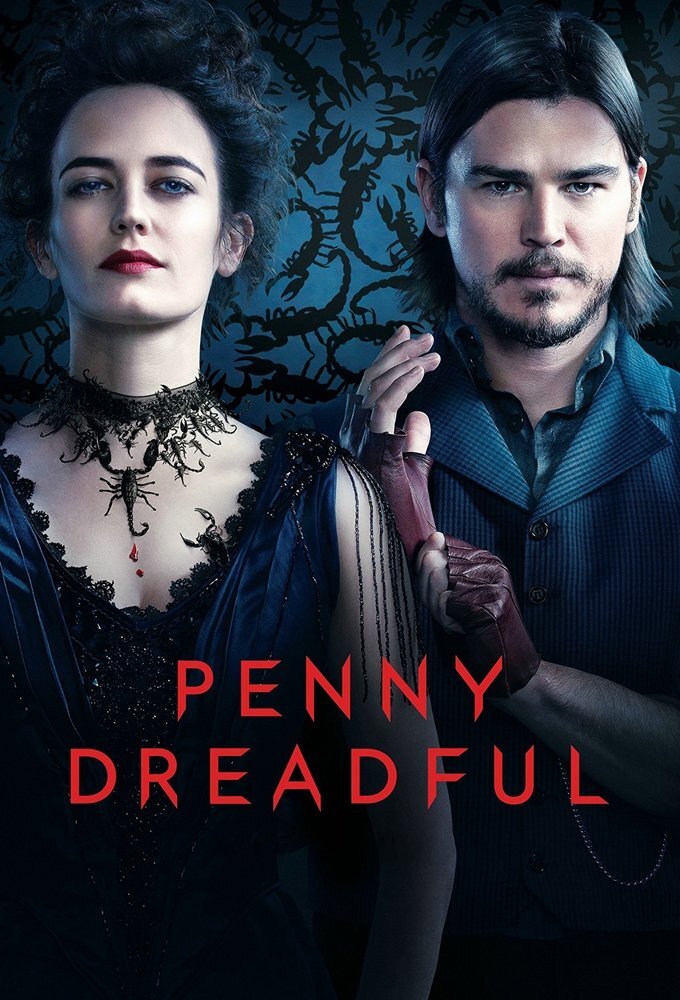
Penny Dreadful2014
This series throws Dracula, Frankenstein, and Dorian Gray into one gorgeous, doom-laden Victorian London, chasing the same collision of sex, horror, and literary pastiche that Coppola loved.
But Three seasons is a real commitment, and the finale doesn't land for everyone who wanted a cleaner ending.
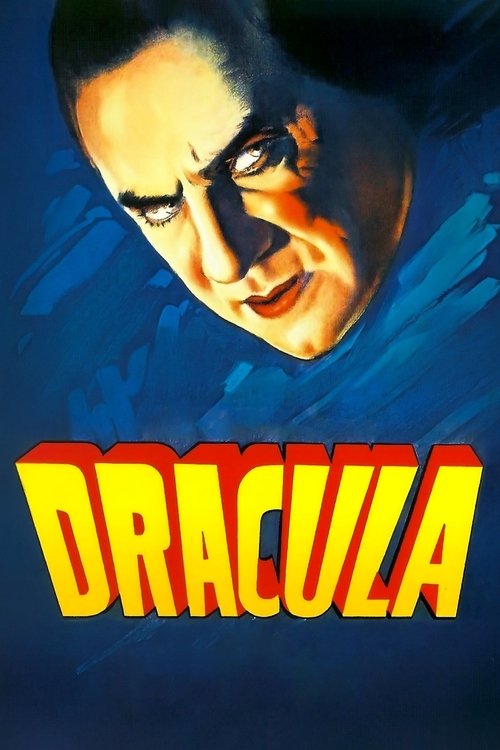
Dracula1931
Bela Lugosi's original is stagey, slow, and utterly hypnotic — the source Coppola was consciously wrestling with, and still the most quietly unsettling Dracula ever filmed.
But It's nearly a century old and shows it: creaky pacing, static camera, sound design from the very dawn of talkies.
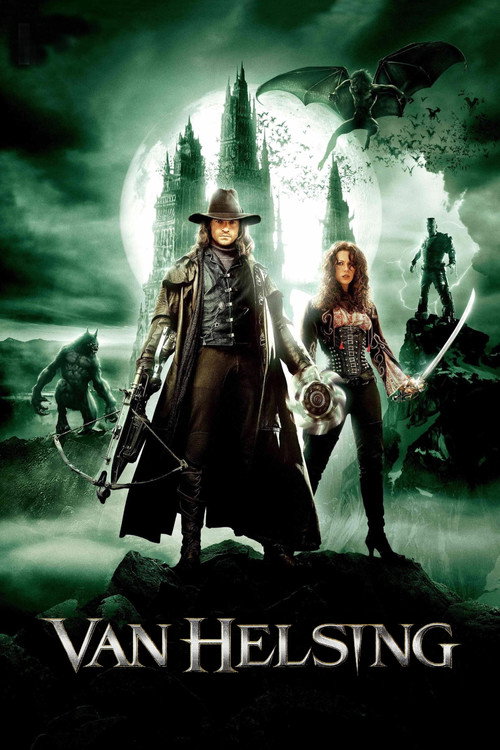
Van Helsing2004
If you want the gothic monster mash cranked up to pure trashy spectacle — Dracula, werewolves, Frankenstein's monster, all fighting Hugh Jackman — this is Coppola's opulence with the subtlety surgically removed.
But It's genuinely silly, CGI-heavy, and takes itself far less seriously than the story probably deserves.
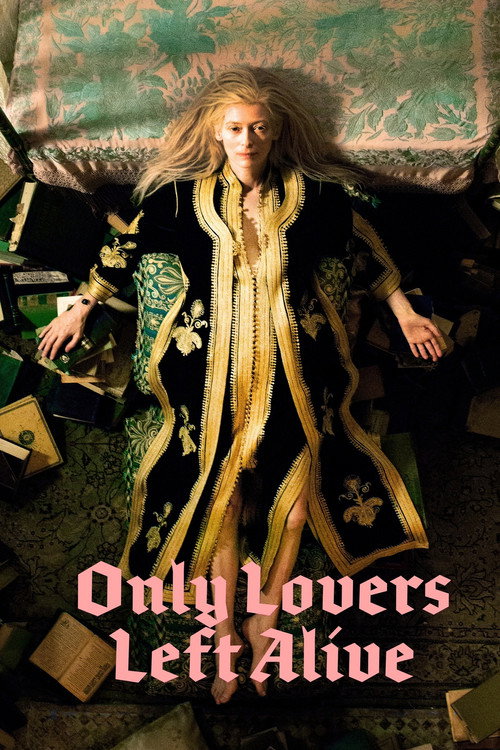
Only Lovers Left Alive2013
Jim Jarmusch's vampire lovers are centuries-old, exhausted, and impossibly cool — the same eternal-romance idea at Dracula's core, filtered through deadpan indie melancholy instead of gothic bombast.
But It's slow, willfully uneventful, and more interested in mood and music than plot or scares.
Dracula: Pages from a Virgin's Diary2002no page yet
Coppola built his Dracula out of old-cinema tricks — in-camera effects, silhouettes, theatrical artifice. Maddin takes that same impulse to its logical extreme, turning the story into pure silent-era spectacle danced rather than acted.
Guy Maddin films a ballet adaptation of Dracula as a fake silent movie — iris shots, intertitles, wild expressionist lighting. It's Coppola's theatrical excess pushed until the story becomes pure image and dance.
But There's no spoken dialogue and the story is told entirely through movement; it's an art object, not a horror film.
Blacula1972no page yet
Strip away the velvet and the twenty-million-dollar production design and you find the same engine driving both films: a centuries-old curse, an aristocrat undone by grief, and a doomed love reborn in the present. Blacula gets there on a fraction of the budget and none of the prestige.
A blaxploitation vampire film that's far trashier and cheaper than Coppola's, yet William Marshall's performance is genuinely tragic — an African prince cursed with Dracula's name, doomed by a love that outlives centuries.
But The effects and budget are of their era, and some of the humor around it hasn't aged gracefully.
People
Cast
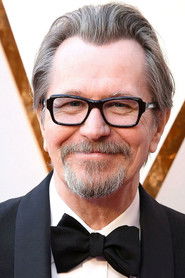 Gary OldmanDracula
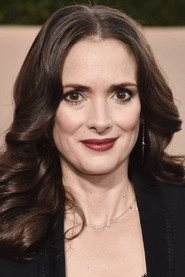 Winona RyderMina Murray / Elisabeta
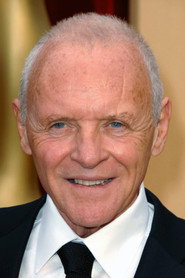 Anthony HopkinsProfessor Abraham Van Helsing
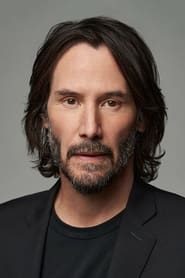 Keanu ReevesJonathan Harker
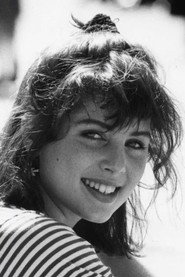 Sadie FrostLucy Westenra
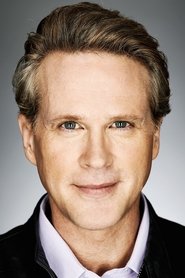 Cary ElwesLord Arthur Holmwood
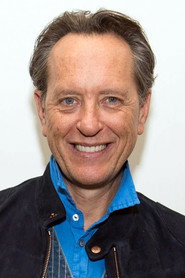 Richard E. GrantDr. Jack Seward
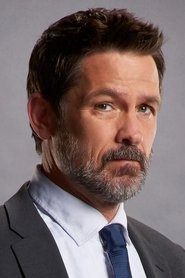 Billy CampbellQuincey P. Morris
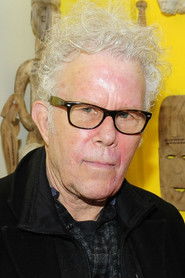 Tom WaitsR.M. Renfield
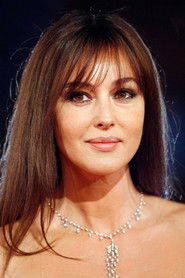 Monica BellucciDracula's Bride
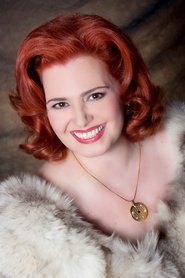 Florina KendrickDracula's Bride
- Michaela BercuDracula's Bride
Directing
- Francis Ford CoppolaDirector
- Peter GiulianoFirst Assistant Director
- Wilma Garscadden-GahretScript Supervisor
- Kate DaveySecond Assistant Director
- Roman CoppolaSecond Unit Director
Writing
- Bram StokerNovel
- James V. HartScreenplay
Production
- Susan Landau FinchAssociate Producer
- Victoria ThomasCasting
- James V. HartCo-Producer
- John VeitchCo-Producer
- Michael AptedExecutive Producer
- Robert O'ConnorExecutive Producer
- Charles MulvehillProducer
- Francis Ford CoppolaProducer
- Fred FuchsProducer
- Patricia ChurchillUnit Production Manager
Recommended by
Crimson Peak, Penny Dreadful, Romeo + Juliet, Nosferatu, Underworld, Interview with the Vampire, Van Helsing, Nosferatu the Vampyre, Dracula, Nosferatu