
Film
Dracula 3D
Dario Argento's 3D reimagining of Dracula trades gothic atmosphere for visceral spectacle, transforming Stoker's novel into a blood-soaked visual assault. It's deliberately artificial, theatrical, and more interested in stunning tableaux than narrative coherence. For horror enthusiasts who value style over substance and enjoy watching a master craftsman swing for the fences, even if he sometimes misses.
Should you watch it?
Watch it if you love lurid, operatic Gothic horror where candlelit excess and a bloody, theatrical swagger matter more than subtle chills or a faithful retelling.
Skip it if you want a careful, faithful take on Stoker; the performances can feel stilted, and the gore and sensuality are laid on with a heavy hand.
What it asks of you: Settle in for 110 minutes that move in lurches, with garish imagery, a strong stomach for blood and sensuality, and more mood than sustained suspense.
Not sure? Find tonight's pick in a minute.
If you liked this
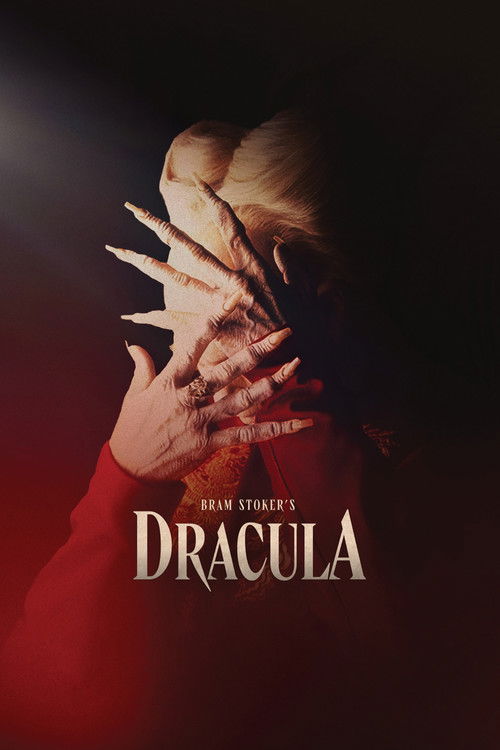
Bram Stoker's Dracula1992
Coppola's operatic interpretation similarly prioritizes visual magnificence and sensual excess over fidelity to plot. Both films treat Dracula as a canvas for directorial obsession rather than a straightforward adaptation.
But It's nearly as long, equally baroque, and the '90s design choices may feel dated where Argento's artificiality at least stays stylish.
Suspiria1977
Argento's masterpiece shows what he can do with pure atmosphere and design. If you loved the visual audacity of Dracula 3D, this proves he's capable of sustaining it across a whole film without losing you.
But It's slower, stranger, and the plot—such as it is—makes even less conventional sense. Much more demanding than Dracula.

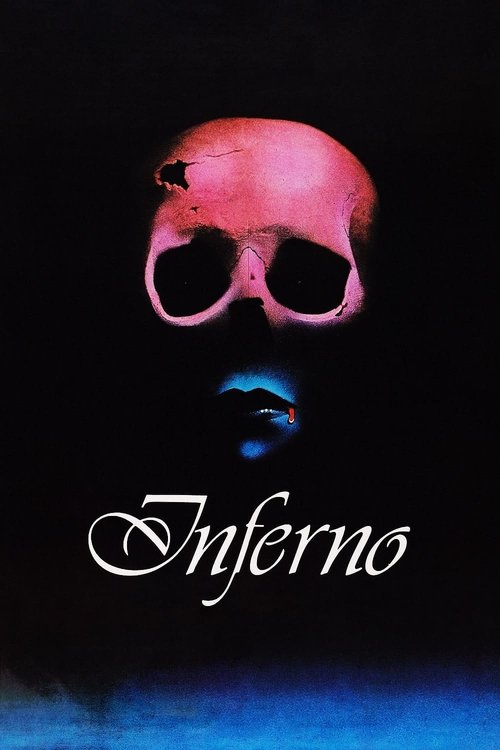
Inferno1980
Another Argento fever dream where image overwhelms narrative. Gorgeous, grotesque set pieces and that same commitment to making horror feel like hallucinogenic art rather than scare tactics.
But The story barely holds together and the dubbing is distracting. It requires you to surrender to mood entirely and accept very little will be explained.
Not sure tonight? Get a pick in a minute, starting from Dracula 3D
The wildcard
Something you would not have found on your own.
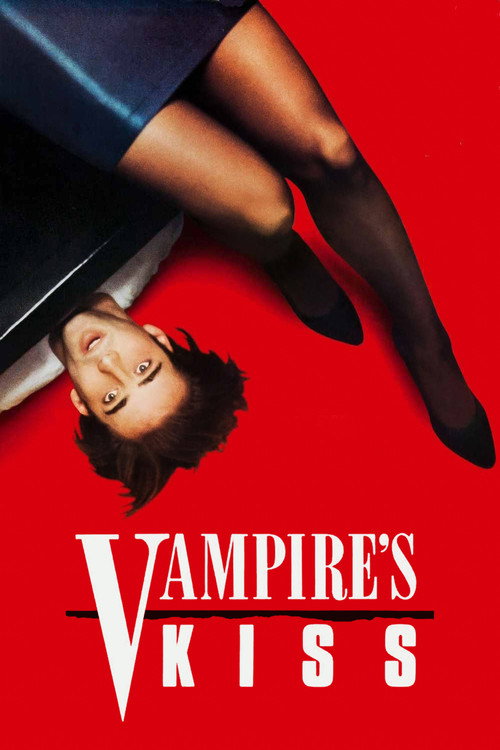
Vampire's Kiss1989
Both films treat their premise as an excuse for a lead actor to become increasingly unhinged and grotesque on screen, prioritizing commitment to an idea over the viewer's comfort.
Nicolas Cage's utterly deranged performance as a man convinced he's becoming a vampire is the only film that matches Dracula 3D's commitment to complete tonal strangeness. It's absurd, ugly, and impossible to look away from.
But It's genuinely unpleasant to sit with, Cage is deliberately insufferable, and there's no catharsis or relief. Comedy this dark curdles quickly.
More like this (8)
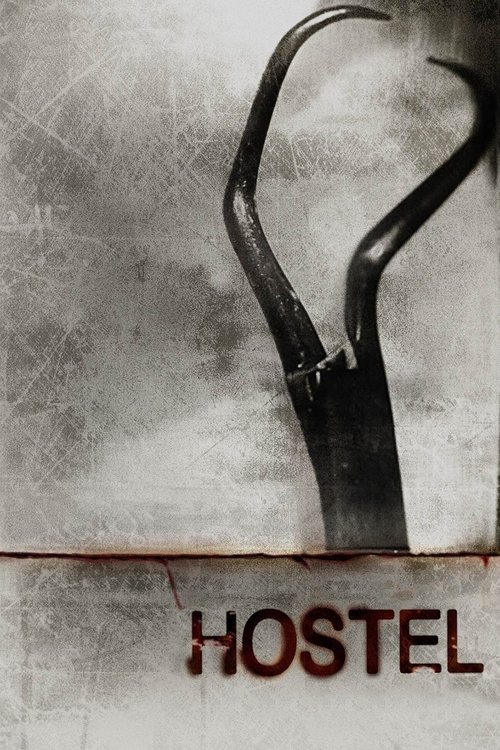
Hostel2006
Eli Roth channels European horror's theatrical grotesquerie into a modern siege narrative. Gore rendered as spectacle, with that same 'watch what I can make you watch' provocation underneath.
But It's aggressively unpleasant and the torture-tourism premise hasn't aged well. Less art than exploitation, and meaner-spirited about it.
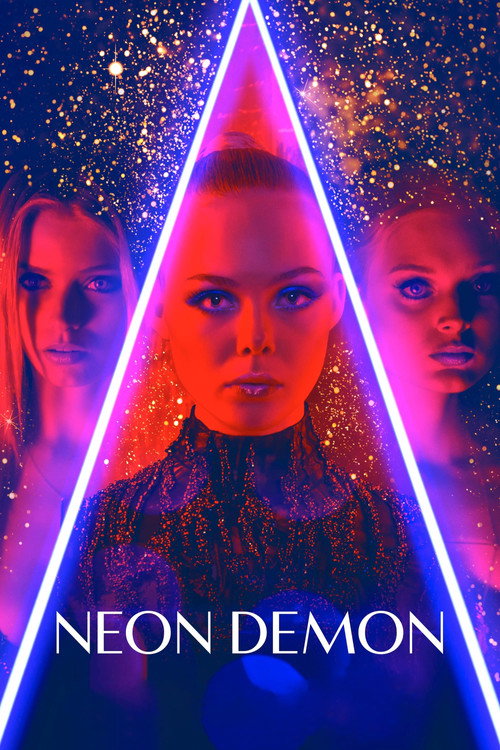
The Neon Demon2016
Nicolas Winding Refn makes horror out of pure visual composition and saturated colour, sacrificing plot and character for hypnotic dread. A film that trusts its imagery to carry everything, just as Argento does.
But Deliberately glacial and cryptic. If you need plot to stay engaged, this will feel like punishment for your attention.
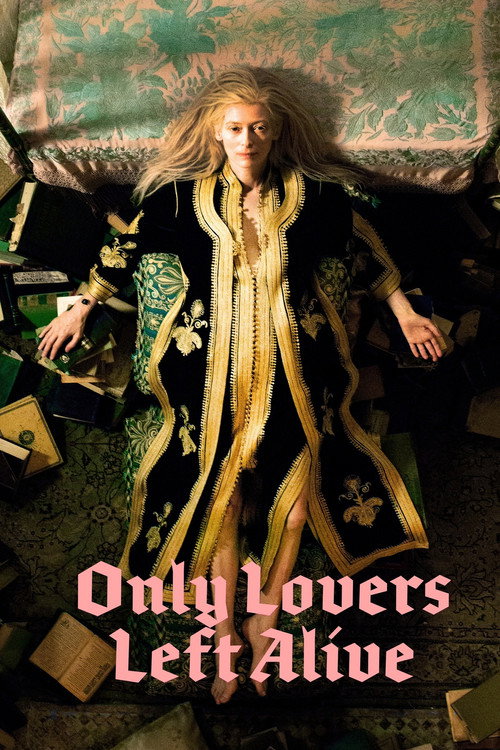
Only Lovers Left Alive2013
Jim Jarmusch's vampire film ignores action entirely for mood and conversation. A completely different approach to immortal bloodsuckers, but shares Dracula 3D's willingness to remake the familiar into something strange.
But It's dryly comic and almost plot-free. After Argento's baroque assault, the restraint might feel like watching paint dry.
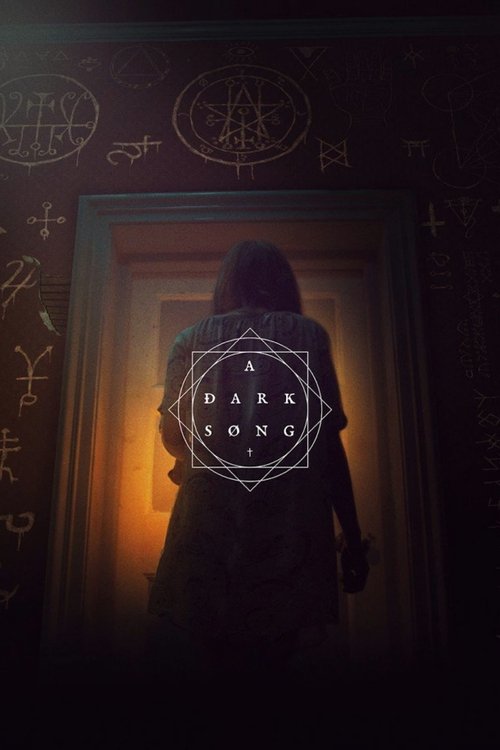
A Dark Song2016
Liam Garrigan's chamber piece about grief and the occult has Argento's gift for making the arcane visually spectacular on a tiny budget. Spends time with dread rather than action, but with genuine emotional weight beneath.
But Barely anything happens for long stretches. The payoff is internal and spiritual rather than visceral, which might feel slight after bombastic 3D gore.
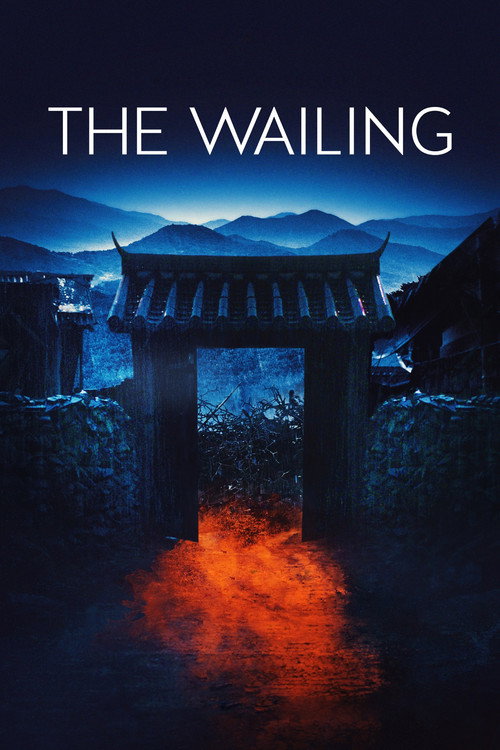
The Wailing2016
Na Hong-jin's Korean horror mystery builds impossible atmosphere and uses each frame like architecture. Visual storytelling at its most sophisticated, proving you don't need a coherent plot if your images are perfect enough.
But Nearly three hours, subtitled, and the ending is genuinely ambiguous in ways that frustrate as much as fascinate. Demands active interpretation.
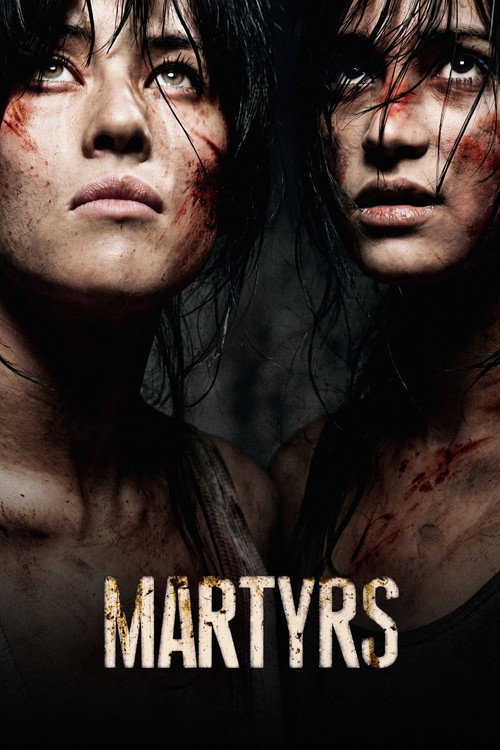
Martyrs2008
French extreme horror that uses visual transgression as artistic language rather than mere shock. Like Dracula 3D, it asks what happens when you push cinema's limits, though in an utterly different register.
But It's genuinely disturbing and the violence is relentless and purposeful in ways that won't feel like entertainment. Very hard to watch.
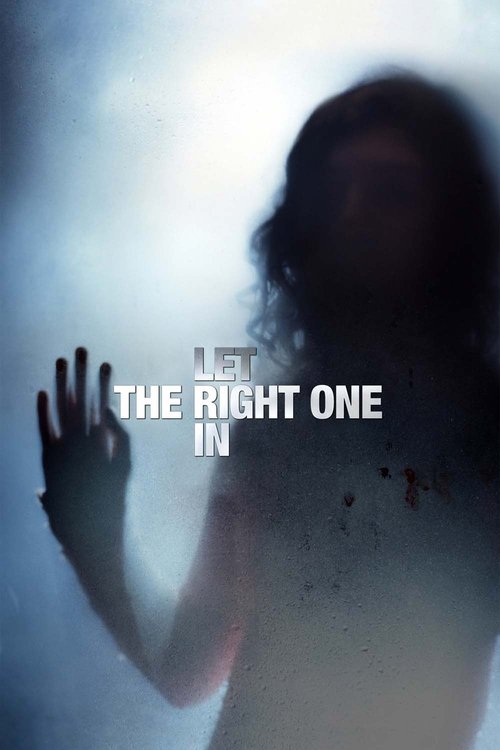
Let the Right One In2008
Both are vampire films by visually obsessed directors working in post-Stoker traditions, but they represent opposite poles: Argento's maximalist hallucination versus Alfredson's minimalist heartbreak.
Tomas Alfredson's Swedish vampire film is patient, achingly sad, and devastatingly beautiful. It proves supernatural horror can be subtle and earn its moments through genuine connection rather than spectacle—everything Dracula 3D isn't.
But It's deliberately slow and melancholic in a way that requires patience. If you want constant visual thrills, the quietness will feel like a waste of time.
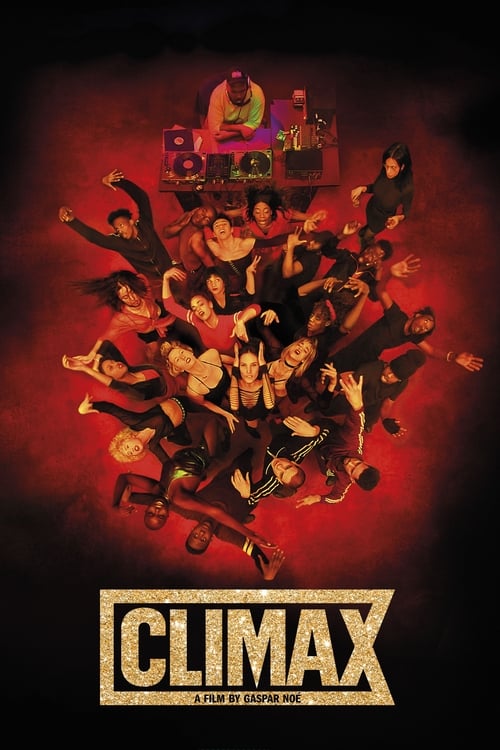
Climax2018
Both directors weaponize visual spectacle to destabilize the viewer. Noé learned from Argento that cinema's power lives in what the image does to you, not what the story tells you.
Gaspar Noé's fever dream about dancers spiralling into madness uses 3D, colour, and perspective the way Argento does—as weapons. Raw, visceral, visually overwhelming, and utterly indifferent to whether you're enjoying yourself.
But It's deliberately punishing. The second half becomes incoherent and the camera work alone will nauseate some viewers. There's no plot payoff, just suffering rendered in gorgeous frames.
People
Cast
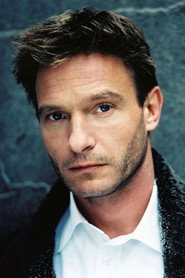 Thomas KretschmannDracula
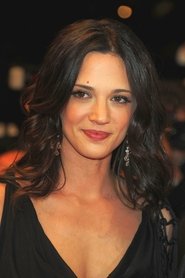 Asia ArgentoLucy
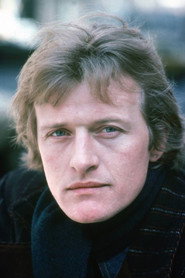 Rutger HauerAbraham van Helsing
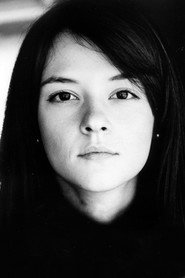 Marta GastiniMina Murray
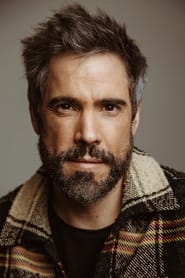 Unax UgaldeJonathan Harker
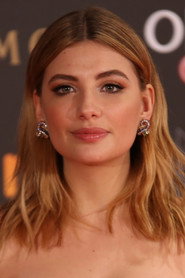 Miriam GiovanelliTania
 Maria Cristina HellerJarmila
- Morgane SlempInga
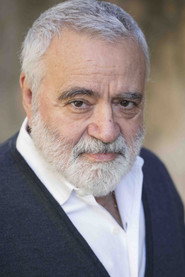 Augusto ZucchiAndrej
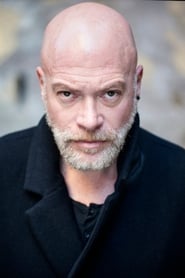 Giuseppe Lo ConsoleZoran
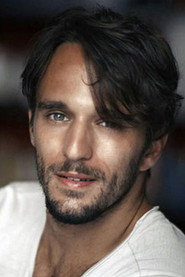 Christian BurruanoMilos
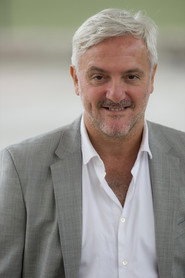 Giovanni FranzoniR. M. Renfield
Directing
- Dario ArgentoDirector
- Leopoldo PescatoreFirst Assistant Director
Writing
- Bram StokerNovel
- Antonio TentoriWriter
- Dario ArgentoWriter
- Enrique CerezoWriter
- Stefano PianiWriter
Production
- Leopoldo PescatoreCasting
- Paola RotaCasting
- Enrique CerezoProducer
- Giovanni PaolucciProducer
- Roberto Di GirolamoProducer