
Film
Hostel
- Slasher
- Very dark
Eli Roth's 2006 nightmare turns a backpacker's fantasy into a descent into tourism's darkest logic. Gorily inventive, genuinely disorienting—it doesn't bother justifying its horrors or asking you to like its characters. It's pure dread in a maze. For people who think horror can be beautiful and ugly simultaneously.
Should you watch it?
Watch it if you like horror that builds a slow, grimy dread around ordinary travelers before it turns cruel, and you don't mind a film that makes you feel complicit in its sadism.
Skip it if you want scares that stay in the realm of the supernatural or a story that pays off its characters; the cruelty is unrelenting and the characters are thin, so it can feel more like punishment than entertainment.
What it asks of you: Ninety-four minutes with a long, unhurried first act full of cheap hostels and bar banter, then a sharp turn into prolonged, graphic brutality you have to sit through without a break.
Not sure? Find tonight's pick in a minute.
If you liked this
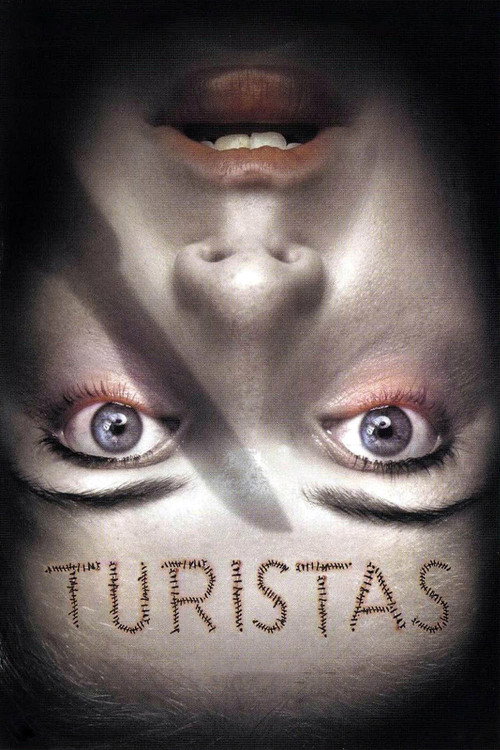
Turistas2006
Same director, similar setup: tourists in paradise realize they're the real attraction. Equally gory, equally committed to its premise. Feels like it was made by someone furious at the backpacker industrial complex.
But Less stylish than Hostel and less willing to play games with perspective. It's more straightforward cruelty, which some find exhausting rather than cathartic.
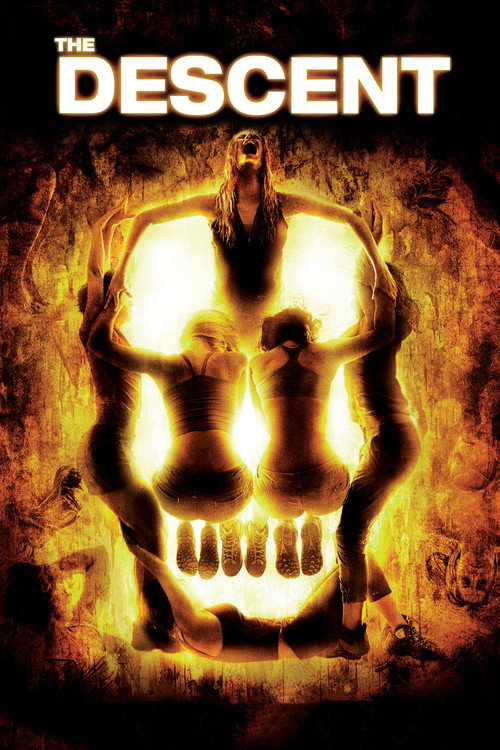
The Descent2005
Claustrophobic group-nightmare where isolation and environment become active antagonists. Expert at panic that spirals into horror. British, inventive, and knows exactly how tight to make the screws.
But The creature design drops in halfway and some feel it deflates the film's best terror. Long stretches with minimal payoff for impatient viewers.
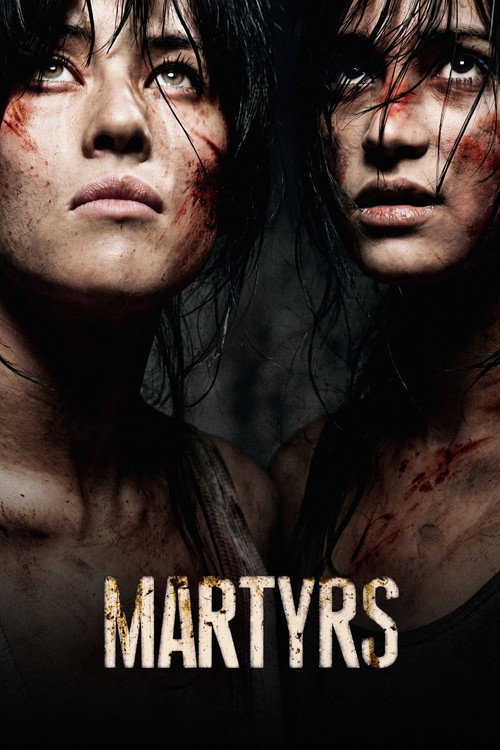
Martyrs2008
French New Extreme. What horror looks like when a filmmaker decides morality is optional. Visceral, sincere, and utterly committed. If you loved Hostel's willingness to make you complicit, this goes further.
But Relentlessly punishing. There are no jokes, no relief, no characters you're rooting for. Some see it as brilliant; others see cruelty masquerading as art.
Not sure tonight? Get a pick in a minute, starting from Hostel
The wildcard
Something you would not have found on your own.
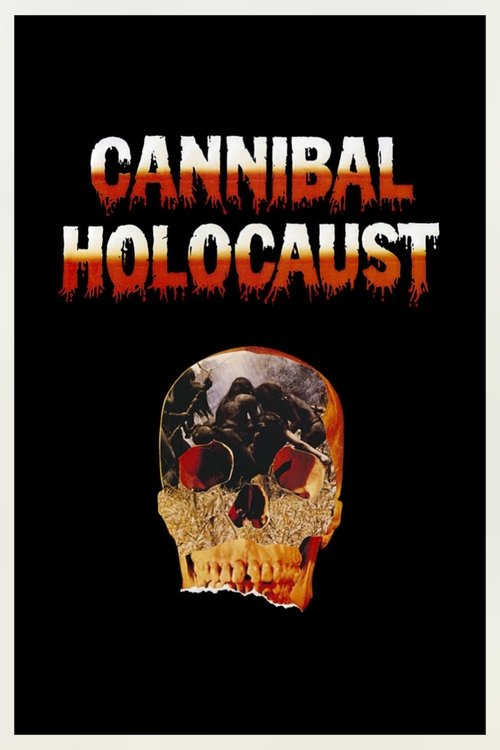
Cannibal Holocaust1980
Hostel inherits its DNA directly—the backpacker setting, the tourism-as-commodity horror, the idea that the real monstrosity is what we're willing to witness for entertainment.
Eli Roth basically remade this as Hostel's spiritual ancestor. The granddaddy of found-footage horror-tourism. Genuinely transgressive in ways Hostel borrows but softens. Brutal, formally innovative, and has things to say about exploitation.
But Unsimulated animal deaths. Graphic sexual violence. It's transgressive not for thrills but because it's uninterested in your comfort. Very hard to recommend casually. Requires real stomach.
More like this (8)
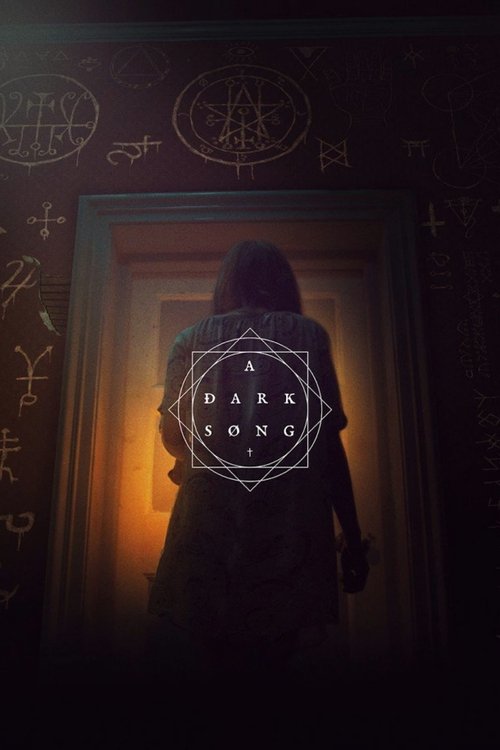
A Dark Song2016
Intimate two-hander about grief and obsession. Roth's sensibilities reframed—the pain is internal, the torture is emotional. Slow-burn supernatural. Genuinely moving in ways Hostel isn't trying to be.
But Deliberately paced. Nothing explodes. If you want kinetic horror, this is meditation in a room. Some find it profound; others find it static.
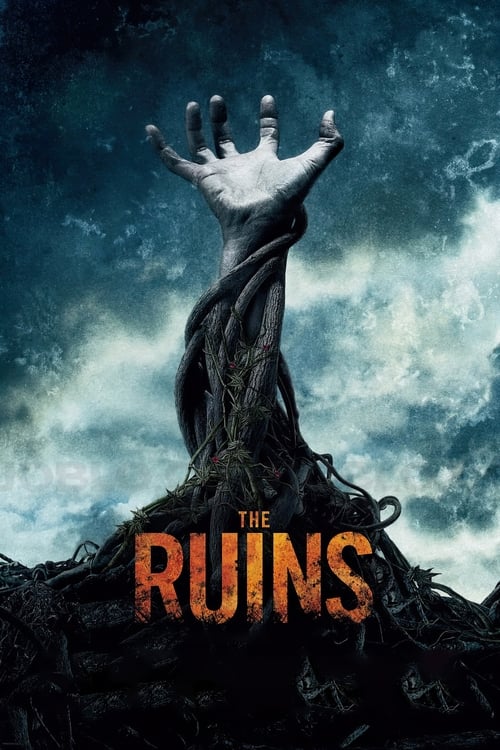
The Ruins2008
Tourists trapped by something alive and indifferent. Builds dread through inescapable logic rather than twist reveals. Body horror that makes you wince. Doesn't rely on gore alone—that's almost incidental.
But The central premise asks you to accept isolation that stretches credibility. If the setup breaks for you, everything collapses. Slow in ways that can feel padded.
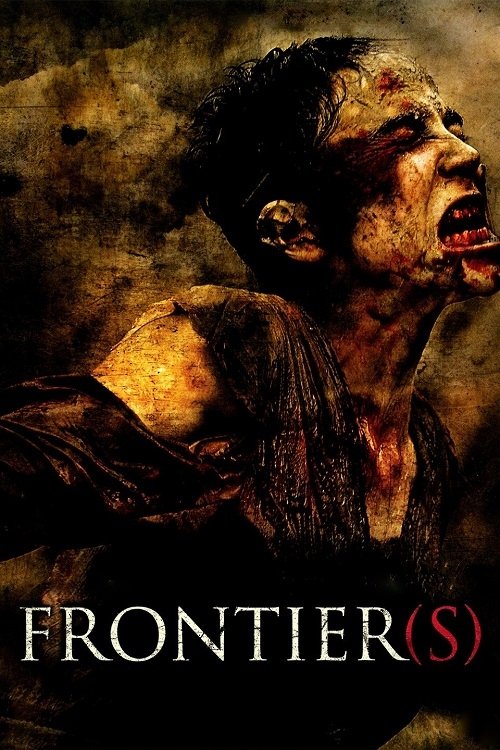
Frontier(s)2007
French extreme cinema. Political anger boiling into slasher territory. Doesn't separate terror from ideology. Raw, inventive kills, real stakes. Made by people who have something to say beneath the blood.
But Difficult beyond gore—the politics are blunt, the nihilism is thorough. Some find it heavy-handed; others find it cowardly to avoid its message.
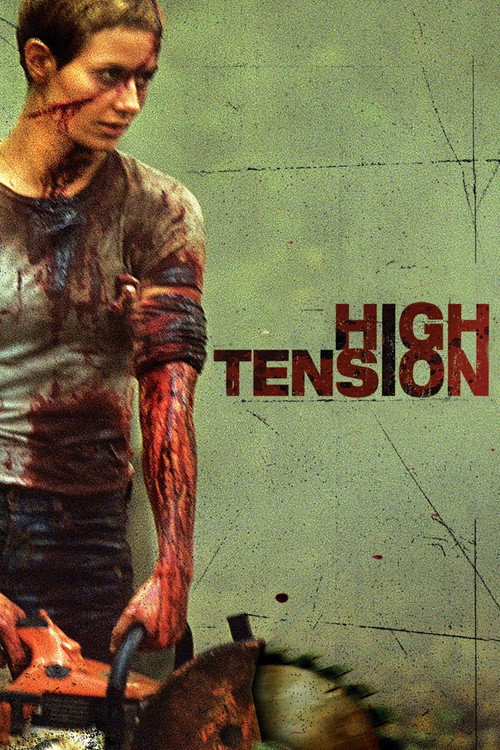
High Tension2003
Visceral home invasion that plays with perspective and sanity. What if the audience is as trapped and confused as the characters? Beautifully shot slasher that trusts your intelligence.
But The twist divides people sharply. Some see it as daring; others see it as a cheat that retroactively undermines the film. Very French New Extreme, which isn't for everyone.
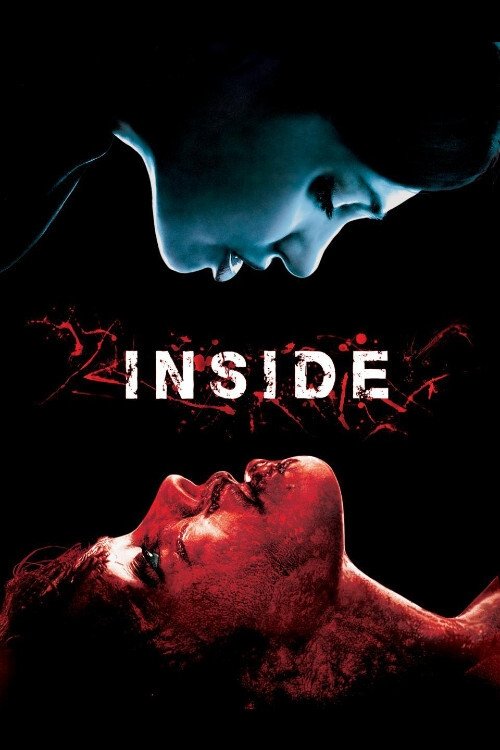
Inside2007
French extreme nightmare about maternity and violation. Relentless, artistic, one of the era's most unsettling films. Not exploitative—it's visceral philosophy. Unforgettable.
But Pregnant woman, home invasion, graphic violence. It's deliberately targeting your discomfort. Some find it genius; others find it difficult in ways that feel gratuitous rather than meaningful.
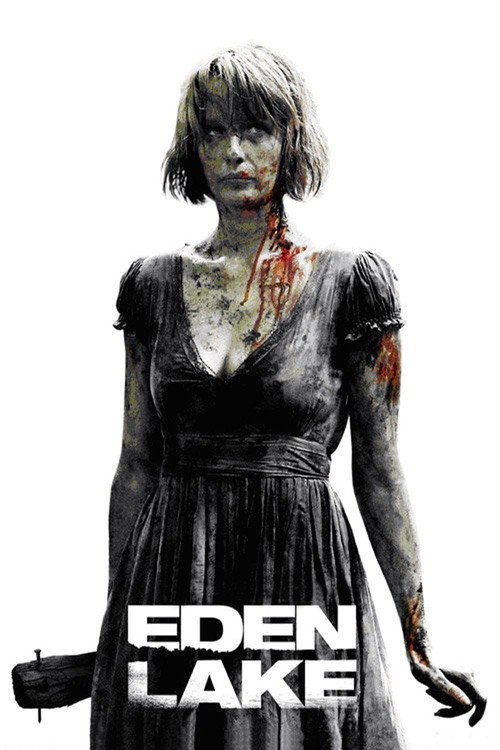
Eden Lake2008
Class-warfare nightmare where vacation becomes siege. Tense, furious, well-acted. Doesn't let you hide from the violence's cost. Grounded in plausible cruelty.
But Quite bleak and relentlessly punishing. The violence has weight, which means you carry it. Not cathartic—deliberately unsatisfying.
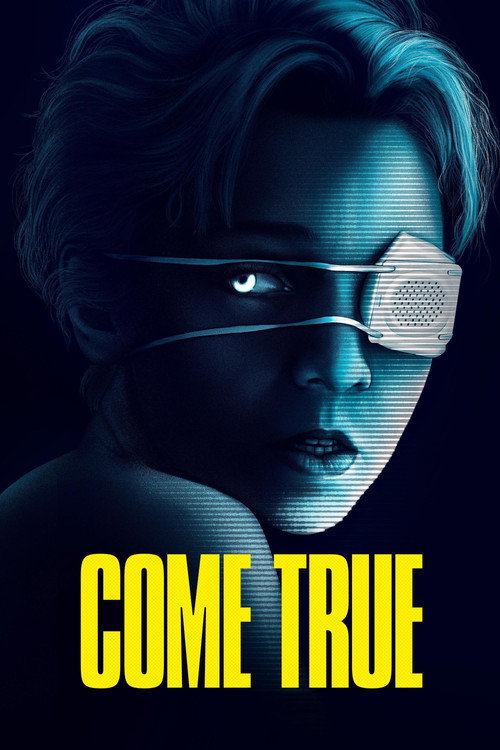
Come True2020
Both interrogate tourism—one physical, one psychological. Both use beautiful aesthetic to make horror seductive. Both ask what it means to be a body in someone else's scenario.
Sleep study becomes psychological horror about violation and loss of bodily autonomy. Gorgeously eerie, quietly building. Uses atmosphere and strangeness instead of gore. Modern, contemplative nightmare.
But Abstract and elliptical. It refuses to explain itself clearly. If you need plot to move a film, this will frustrate you. No jump scares, no clarity, just dread accumulation.
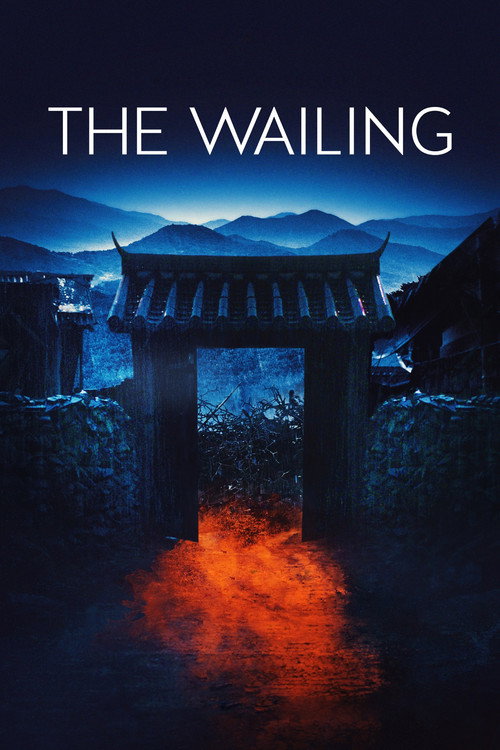
The Wailing2016
Both trap you in escalating uncertainty. Both use geography (hostel, village) as a labyrinth where safety dissolves. Both ask: if you can't trust your environment or those around you, what remains?
Korean mystery-horror that layers interpretation like a maze. What starts as infection becomes theology, becomes paranoia, becomes grief. Long, complex, and every viewing reveals new architecture. Genuinely great filmmaking.
But Two hours forty-five minutes of deliberate opacity. If you watch it expecting answers, you'll leave frustrated. Requires active interpretation and tolerance for ambiguity. Not entertainment—it's a puzzle with no final shape.
People
Cast
 Jay HernandezPaxton
 Derek RichardsonJosh

 Barbara NedeljakovaNatalya
 Jana KaderabkovaSvetlana
 Jennifer LimKana
 Jan VlasákThe Dutch Businessman
 Jana HavlickovaVala
 Keiko SeikoYuki
 Paula WildMonique
 Rick HoffmanThe American Client
 Ľubomír BukovýAlex
Directing
- Eli RothDirector
- Mark TaylorFirst Assistant Director
- Kazi KopeckáScript Supervisor
- Philip SeegerSecond Assistant Director
- Roman JanečkaSecond Unit Director
- Petra RatnerThird Assistant Director
Writing
- Monica SandstedeStory Editor
- Eli RothWriter
Production
- Peter PetrikAssistant Location Manager
- Filipp GrammatikosCasting
- Ivan VorlíčekCasting
- Kelly WagnerCasting
- Tamara JovicovaCasting Assistant
- Soňa TicháčkováCasting Director
- Daniel FrischCo-Producer
- Philip WaleyCo-Producer
- Boaz YakinExecutive Producer
- Quentin TarantinoExecutive Producer
- Scott SpiegelExecutive Producer
- Jiri RezacExtras Casting
- Michal SnajdrFirst Assistant Accountant
- Honza OndrovcakLocation Manager
- Jan OndrovcakLocation Manager
- Chris BriggsProducer
- Eli RothProducer
- Mike FleissProducer
- Katherin-Ellen ZabehlickyProduction Assistant
- Vlasta HynekProduction Coordinator
- Olina EdneyProduction Secretary
- Travis BakerResearcher
Recommended by
Saw, Would You Rather, Devil, Barbarian, Funny Games, House of Wax, Vacancy, The Crazies, The Loved Ones, A Perfect Getaway, Severance, Wrong Turn, Creep, Cannibal Holocaust, Martyrs, Wolf Creek, Rest Stop, The Human Centipede (First Sequence), The Hills Have Eyes, The Final Destination, Cabin Fever, La Petite Mort 2: Nasty Tapes, Cabin Fever: Patient Zero, Heretic, Hatchet, Turistas, The Ruins, Frontier(s), Grindhouse, Outpost, Cold Prey, Dread, Grotesque, Siren, The Green Inferno, The Collection, ChromeSkull: Laid to Rest 2, Hellevator: The Bottled Fools, X, See No Evil, The Farm, Blackwater, Prom Night, Darkroom, The Basement, Dracula 3D, Influencer, Madness, Macabre, The Collector, Amusement, [REC]³ Genesis, Saw II, Laid to Rest, Borderland, Saw III, Planet Terror