
Film
Madness
A 2010 Swedish slasher about four young people captured by a group of killers in the woods. It's a straightforward survival-horror setup with little character development and a focus on shock violence. Squarely made for genre fans who want their horror unironic and their plots simple—no twist, no deeper meaning, just escalating danger and nasty practical effects.
Should you watch it?
Watch it if you like lean, mean backroad slashers that get straight to the chase and don't bother with elaborate mythology or a slow-burn setup.
Skip it if the premise is a familiar stalk-and-capture setup with little room for surprise, so if you want originality from a horror plot, you may find yourself waiting for it.
What it asks of you: Under ninety minutes and mostly grim, with little breathing room between scares, it keeps its foot on your chest and rarely lets up.
Not sure? Find tonight's pick in a minute.
If you liked this
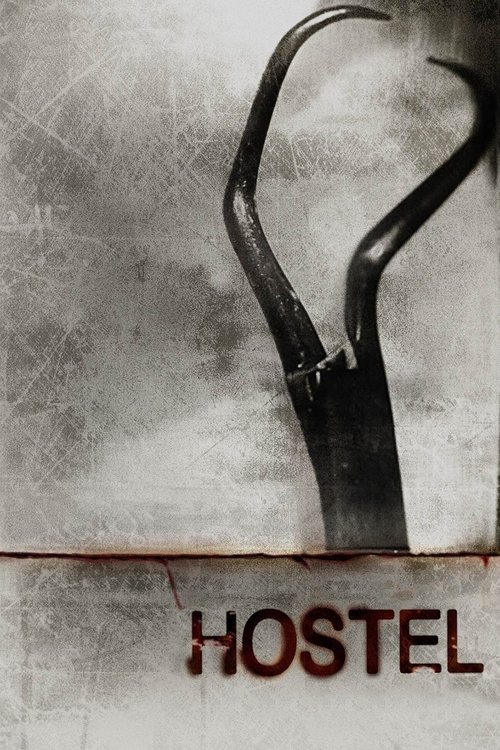
Hostel2006
Eli Roth's torture-tourism premise is genuinely unsettling, and it shares Madness's unflinching commitment to making you uncomfortable rather than entertained. The setup is almost identical: innocent travelers, elaborate traps, nowhere to run.
But It's extremely graphic and designed to make you feel sick, which some find exploitative rather than cathartic. The film doesn't pretend its violence is anything but spectacle.
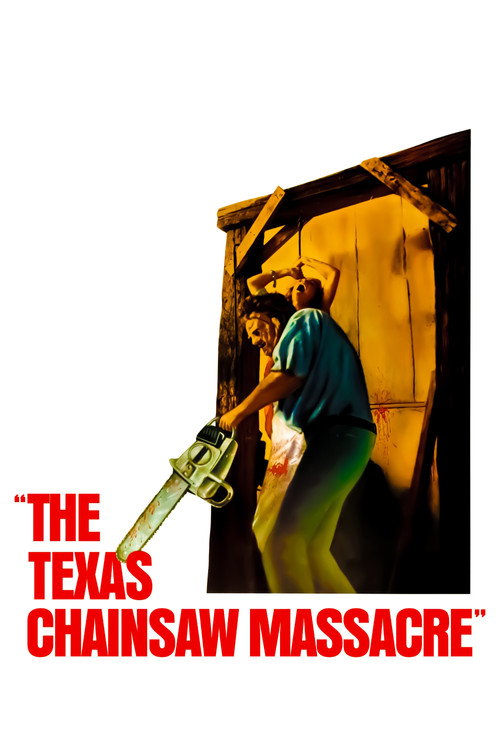
The Texas Chain Saw Massacre1974
The template for everything Madness aspires to be: lean, relentless, no-frills horror where strangers are hunted for sport. Tobe Hooper's film proves that constraint and ingenuity matter more than budget, and its influence on Madness is obvious.
But It's nearly fifty years old and moves at its own pace. If you're expecting modern pacing or character arcs, you'll find it feels distant and slow.
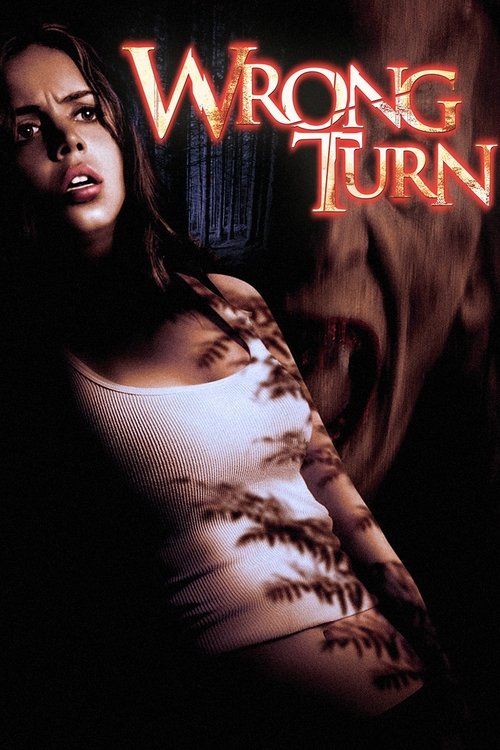
Wrong Turn2003
Road-trip-gone-wrong slasher with disfigured killers and isolation that echoes Madness exactly. It commits fully to the premise and doesn't waste time on psychology—just escalating peril and practical effects that feel real.
But The movie is deeply ugly in ways that feel gratuitous. There's no satirical distance or subtext to make the ugliness feel purposeful.
Not sure tonight? Get a pick in a minute, starting from Madness
The wildcard
Something you would not have found on your own.
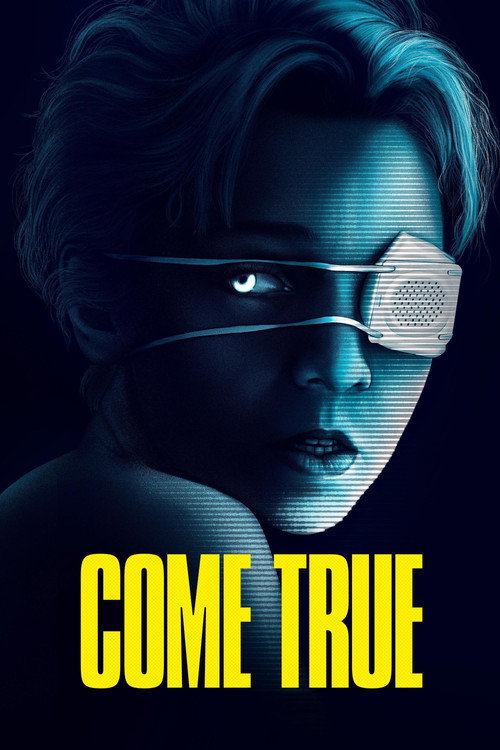
Come True2020
Both are concerned with the body as a site of violation and powerlessness, but Come True internalizes the threat. Where Madness asks 'How do I escape?', Come True asks 'What's happening to me?' Same core fear, inverted approach.
A Canadian sci-fi horror about sleep studies and body horror that's visually gorgeous and deeply unsettling without traditional jump-scares. It replaces Madness's external hunters with internal dread—the terror comes from what you can't see happening to you, not from pursuing killers.
But It's a slow-burn mood piece with minimal plot. If you watch horror for plot momentum and clear threats, this will feel deliberately paced and remote.
More like this (7)
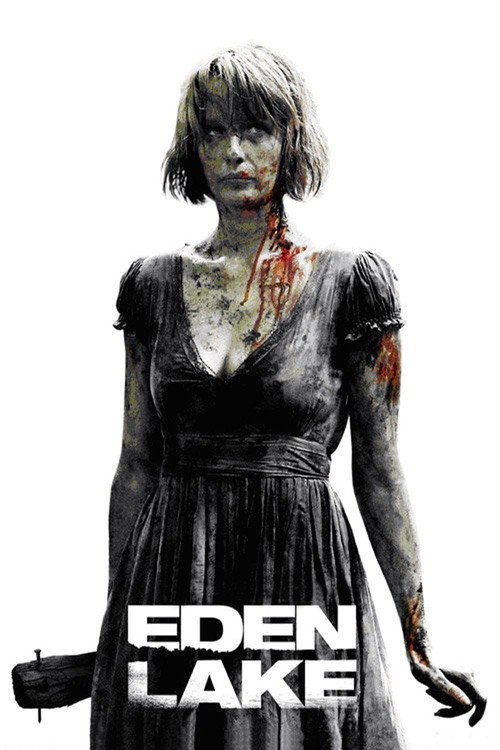
Eden Lake2008
South African thriller about a couple hunted by a pack of feral youths. It has the same grim logic as Madness: no rescue coming, no mercy available, only the question of how far terror will push ordinary people.
But It's bleak and punishing. The film genuinely hates its characters and the audience watching them suffer, which some will find morally uncomfortable.
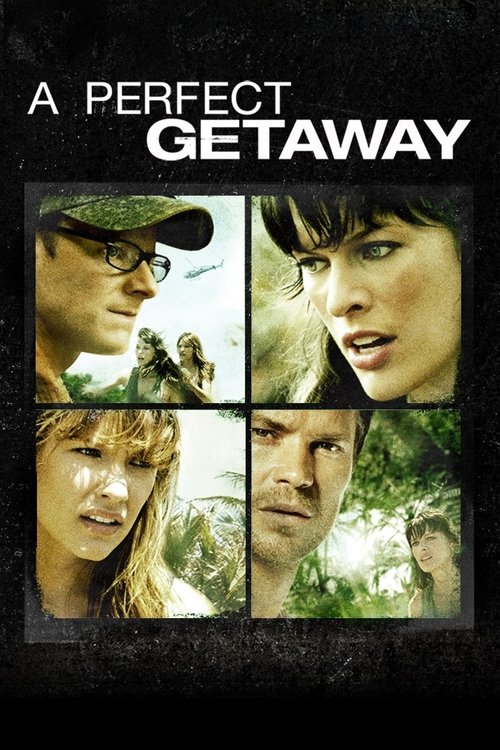
A Perfect Getaway2009
Slasher about newlyweds fleeing killers on a Hawaiian honeymoon. It's made with craft and enthusiasm, and it has enough twists to hold your attention even if the gore doesn't, plus it actually tries to be clever about its violence.
But The tonal whiplash between horror and comedy doesn't always land. It can feel like the film doesn't know what it wants to be.
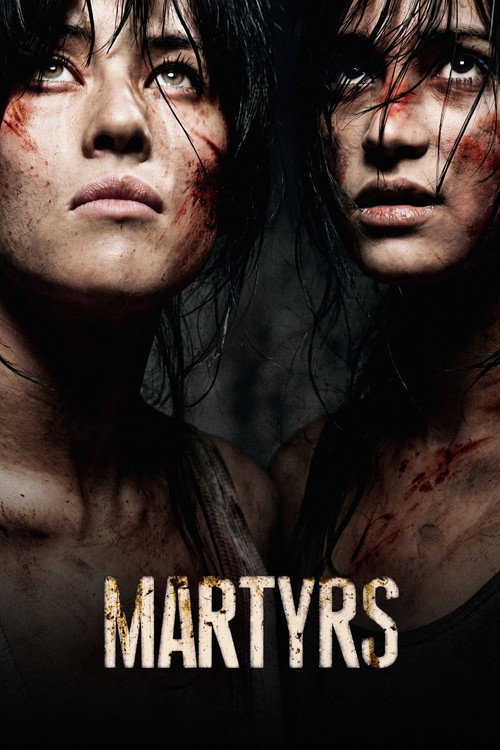
Martyrs2008
Extreme French horror about abduction and torture that takes its premise seriously, no winking, no mercy. If you respect Madness's commitment to unsentimental violence, this is its logical endpoint—a film that asks how far suffering can go.
But It's genuinely one of the most disturbing horror films ever made. Unwatchable for many. Not shock value for its own sake, but the effect is the same.
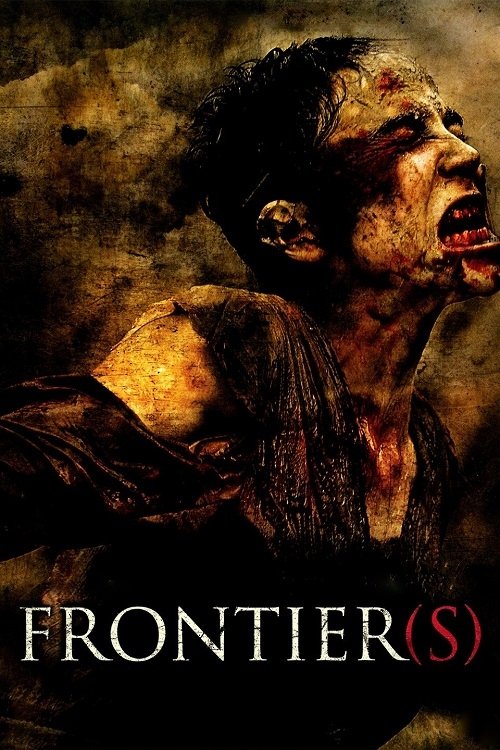
Frontier(s)2007
French New Extreme horror about refugees hunted in an isolated location. It combines social commentary with uncompromising violence and has the same commitment to survival-game logic that drives Madness.
But It's visually gruesome and doesn't soften its message with entertainment. The tone is punitive toward the audience, which some find tedious.
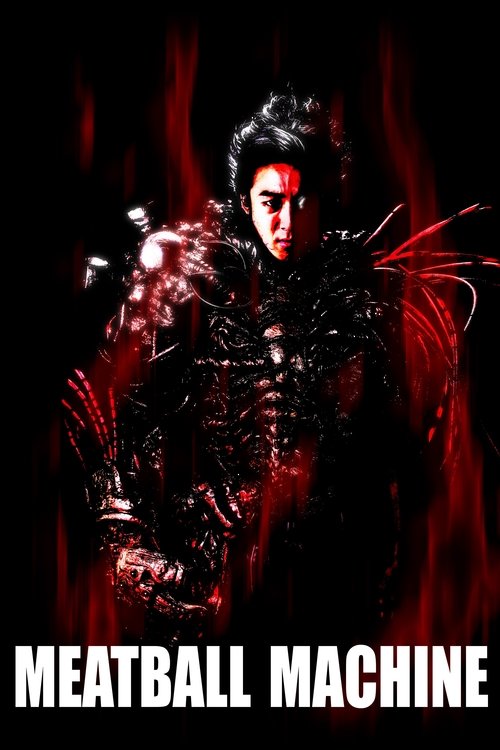
Meatball Machine2006
Japanese extreme horror that goes bonkers with practical effects and bizarre violence. It shares Madness's B-movie earnestness and refusal to treat gore as comedy, though it's far stranger and more imaginative.
But It's weird in ways that undercut the horror and become almost absurdist. If you want straightforward scares, you'll get distracted by the strangeness instead.
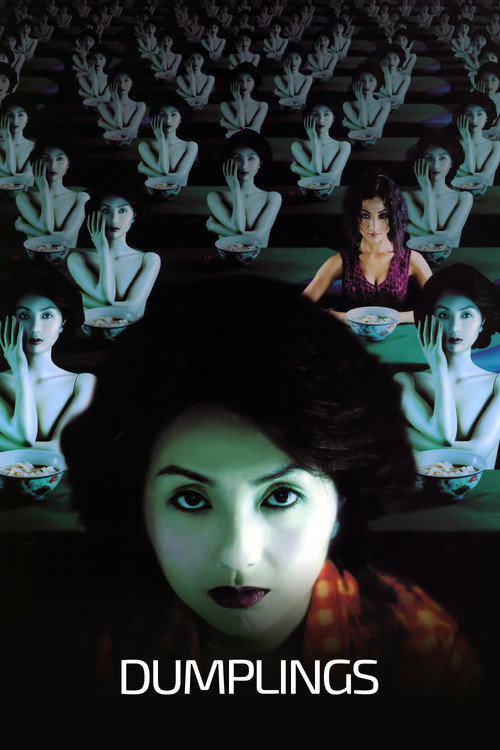
Dumplings2004
Both films treat the body as expendable and vulnerable, but Dumplings is interested in complicity and desire—the characters choose their own degradation. Madness is about helplessness; Dumplings is about the seduction into horror. Opposite entry points to the same violation.
Hong Kong body-horror film by Fruit Chan about an actress seeking eternal youth through increasingly disturbing means. It's gorgeously shot, morally complex, and nauseating in ways that linger longer than Madness's direct violence ever could.
But It's deliberately slow and meditative about its grotesqueness. The horror is uncomfortable rather than thrilling, and some will find it pretentious or self-conscious.
The Wailing2016
Both feature hunters and hunted, but The Wailing interrogates those categories—you can never be sure who is actually dangerous. Madness gives you killers; The Wailing gives you ambiguity. The same setup, but one demands moral judgment while the other forbids it.
South Korean mystery-horror that looks like a thriller but functions as existential dread. It's brilliantly constructed, gorgeously shot, and asks impossible moral questions. The violence matters because we're never sure who deserves it.
But It's nearly three hours and refuses to answer its central questions. If you need clear resolutions and simple good-versus-evil, this will feel infuriating and incomplete.

People
Cast
 Anna AdolfssonSusana
 Victoria BloomJenna Mckenzie
 Yohanna IdhaTara Harper
 Max WallmoOliver Ransom
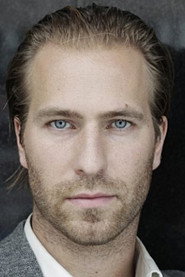 Andreas VaehiChad Fox
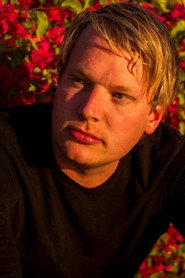 Sonny LagunaAaron
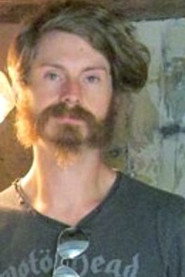 David LiljebladDrake
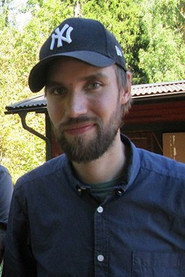 Tommy WiklundOne-Eye
- Jonas WiikBob
- Anders ÅkerblomGotfried
- Daniel HjelmVictim
- Roger WiklundCorpse
Directing
- David LiljebladDirector
- Sonny LagunaDirector
- Tommy WiklundDirector
Writing
- David LiljebladWriter
- Sonny LagunaWriter
- Tommy WiklundWriter
Production
- David LiljebladProducer
- Sonny LagunaProducer
- Tommy WiklundProducer