
Film
Meatball Machine
- Alien contact
- Horror
- Action
- Relentless
Meatball Machine is a delirious Japanese splatter-horror that weaponizes body horror into a love story. Grotesque biomechanical aliens parasitize humans, turning them into flesh-armored killers locked in violent combat. It's deliberately excessive, reveling in practical effects gore and absurdist invention. For viewers who treat extreme cinema as art rather than spectacle, who find formal beauty in viscera, who want something that swings for the fences and doesn't care if it clears them.
If you liked this
Tusk2014
Kevin Smith's maximally unhinged body-horror-comedy that transforms a man into a walrus. Like Meatball Machine, it finds grotesque humor in transgressive transformation and isn't afraid to alienate its own audience for artistic stubbornness.
But Smith's script meanders badly, the comedy often misfires, and watching Justin Long suffer for nearly two hours tests even dedicated weird-film devotees.

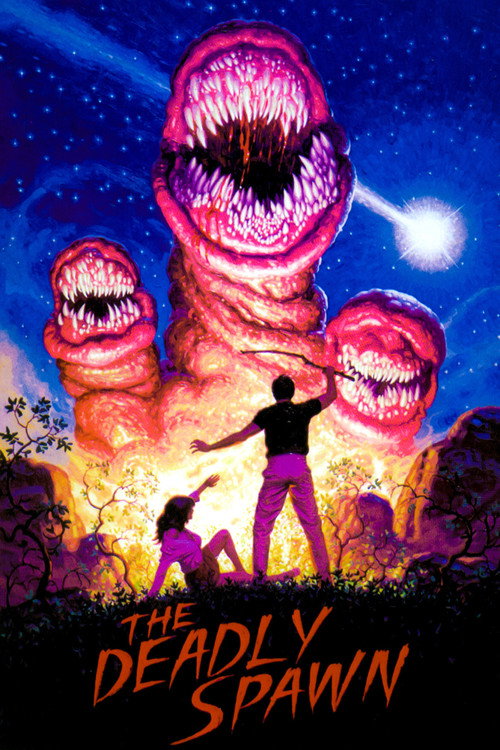
The Deadly Spawn1983
A genuinely resourceful creature-horror that invades a suburban home with practical creature effects that inspired decades of filmmakers. Same era-defiant ambition, same passion for making monsters that feel tactile and real.
But Shot on a pittance with non-professional actors, it moves slowly by modern standards and the effects work, while inspired, can't match modern technique.
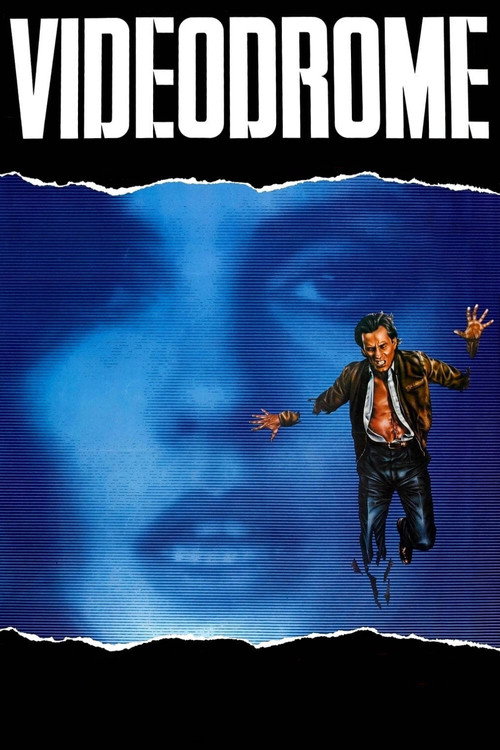
Videodrome1983
Cronenberg's hallucinatory body-horror masterpiece about a man whose reality dissolves into flesh and videotape. Like Meatball Machine, it weaponizes transformation into something simultaneously grotesque and philosophically urgent.
But It's deliberately impenetrable and moves at fever-dream pace rather than plot pace. Some find its obscurity pretentious rather than profound.
Not sure tonight? Get a pick in a minute, starting from Meatball Machine
The wildcard
Something you would not have found on your own.
Tekken2010
Both films treat their bonkers premises with deadpan sincerity, refusing to wink at the camera about how weird they are. That lack of irony is their secret strength.
A live-action video-game adaptation so committed to its absurdity—tournament-fighting powered by bloodsport mysticism—that it accidentally transcends its source material into pure kinetic art. Like Meatball Machine, it treats outlandish premise as reality rather than spectacle.
But It has no pretense to narrative coherence or character development. If you need a story, this is 90 minutes of increasingly elaborate choreographed violence with the barest thread connecting it.

More like this (8)
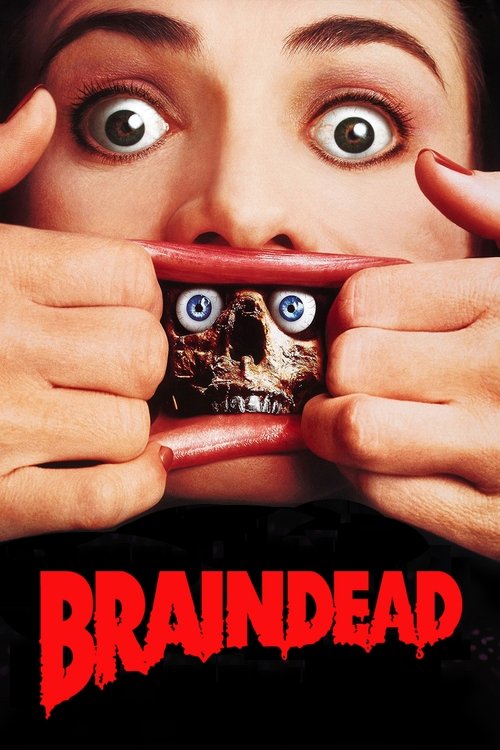
Braindead1992
Peter Jackson's pre-Lord of the Rings splatter-comedy about a mother-zombie and her son. Same gleeful maximalism, same understanding that horror-comedy lives or dies on practical effects commitment and tonal fearlessness.
But It's aggressively silly and contains extended sequences of body-horror that some viewers find gratuitous rather than purposeful, even when laughing.
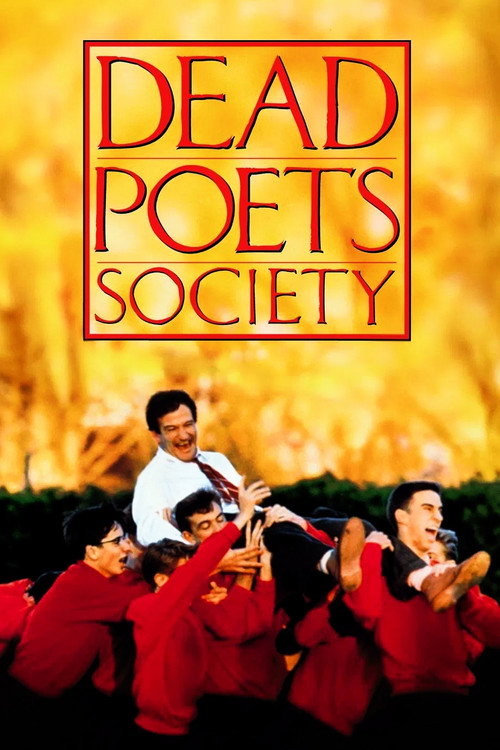
Dead Poets Society1989
A body-horror film about a teenager discovering the literal parasitic underclass beneath suburban California. Morphing practical effects showcase the same grotesque inventiveness, and the same willingness to let premise drive visuals over plot coherence.
But The script is more surface than substance, and the final act becomes so effects-heavy it loses narrative propulsion entirely.
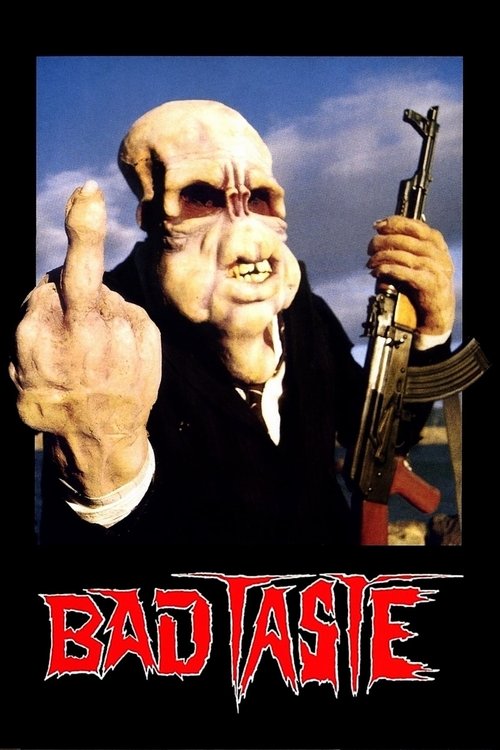
Bad Taste1987
Peter Jackson's debut, a handmade alien-invasion splatter-comedy that invented its own effects vocabulary through sheer refusal to accept budget constraints. Direct ancestor-energy to what Meatball Machine attempts.
But It's intentionally crude in every dimension—script, effects, pacing—and that deliberateness doesn't land for everyone the same way.
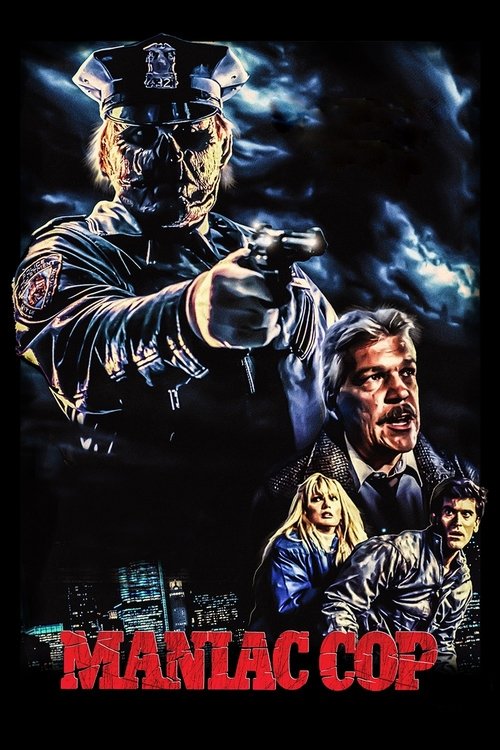
Maniac Cop1988
A slasher where the killer is an undead cop, infused with darkly comic energy and practical gore. Lower-budget exploitation that understands pacing and actually builds dread beneath the carnage.
But It's a straightforward slasher with a gimmick; it doesn't attempt what Meatball Machine does thematically or formally, just executes its modest goal better.
Possession1981
Andrzej Żuławski's marital horror fever-dream, where a woman's hysteria literally manifests as a writhing tentacled thing. Surrealist body-horror in service of psychological destruction; transforms gore into metaphor.
But It's almost impenetrably abstract, deliberately disorienting, and demands active work from viewers. Some see that as genius; others as pretentiousness masking unclear storytelling.

Nekromantik1988
A transgressive German transgression-for-transgression's-sake film about a couple who collect corpses. If you're wrestling with how far cinema should go, this is essential—even if just to argue why it shouldn't.
But It's neither clever nor fun, just deeply uncomfortable by design. Watching it can feel less like cinema and more like endurance, and that's the whole point in a way that doesn't reward the effort.

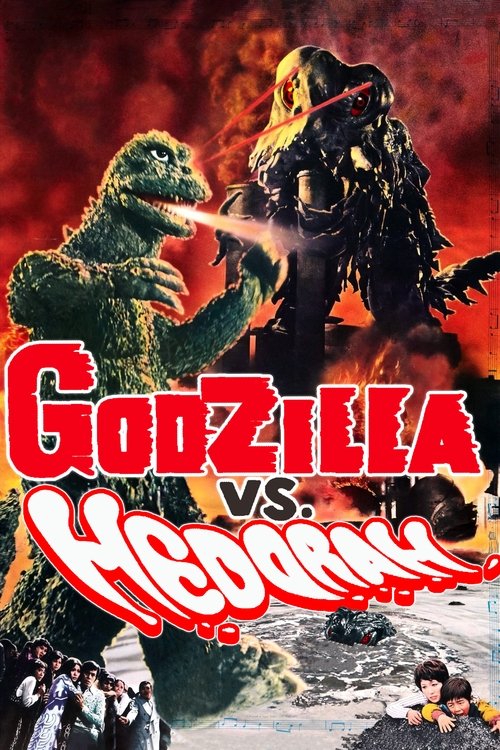
Godzilla vs. Hedorah1971
Both are uncompromising films that refuse to explain or justify their visual madness—they simply present grotesque transformation as fact and demand you keep up.
Yoshimitsu Banno's psychedelic, ecologically furious Godzilla film where the monster fights a sentient pollution blob. Practical effects are pushed into surrealism, genre logic collapses into acid-trip nightmare, and the film genuinely has something to say.
But The 1970s Japanese tokusatsu effects aesthetic is far removed from modern practical-gore cinema, and the environmental messaging can feel dated and blunt by contemporary standards.
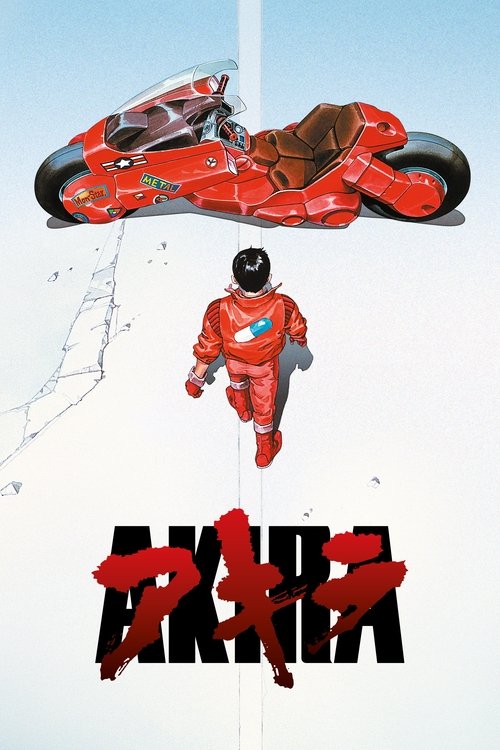
Akira1988
Both are Japanese films that treat body-horror transformation as spiritually catastrophic rather than just visceral. The philosophical dread matches the practical grotesqueness.
Katsuhiro Ōtomo's animated cyberpunk apocalypse about psychic mutation consuming Tokyo. The final act transforms human bodies into abstract biomechanical horror at scales and speeds animation uniquely enables. Japanese genre ambition meeting technical mastery.
But Hand-drawn animation from 1988 looks nothing like contemporary CGI, and the plot is deliberately fractured. Those expecting clear narrative will find it opaque; those expecting pretty anime might find it aggressively ugly.
People
Cast
 Issey TakahashiYôji
 Aoba KawaiSachiko
- Kenichi KawasakiTanaka





Directing
- Isao KarasawaAction Director
- Tak SakaguchiAction Director
- Jun'ichi YamamotoDirector
- Yudai YamaguchiDirector
Writing
- Jun'ichi YamamotoIdea
- Junya KatoScreenplay
- Yudai YamaguchiStory
- Yukihiko YamaguchiStory
Production
- Chikako NakabayashiProducer
- Manabu ShinodaProducer
- Yukihiko YamaguchiProducer