
Film
The Crazies
Other titles called The Crazies: the 1973 film.
- Zombie horror
- Thriller
- Very dark
- Relentless
A biological weapon accidentally released in a small Iowa town turns neighbors into violent, unpredictable killers. Director Breck Eisner's remake leans into visceral chaos—the infection spreads fast, logic breaks down, and you're watching ordinary people become threats. It's relentless rather than scary, action-horror that values momentum over jumps. For fans of outbreak thrillers who want their horror sweaty and physical.
Should you watch it?
Watch it if you like a lean outbreak thriller where paranoia builds from small, ordinary moments and the threat feels close enough to touch, with a grimy, handheld urgency that keeps you on edge.
Skip it if you want a slow-burning character study or a neat, explained premise; this runs on panic and noise, and its rough, frantic energy can feel repetitive when the chaos stops being new.
What it asks of you: It asks for about 100 minutes of steady attention and a tolerance for violence and sustained tension, with little room to breathe between escalating set pieces.
Not sure? Find tonight's pick in a minute.
If you liked this
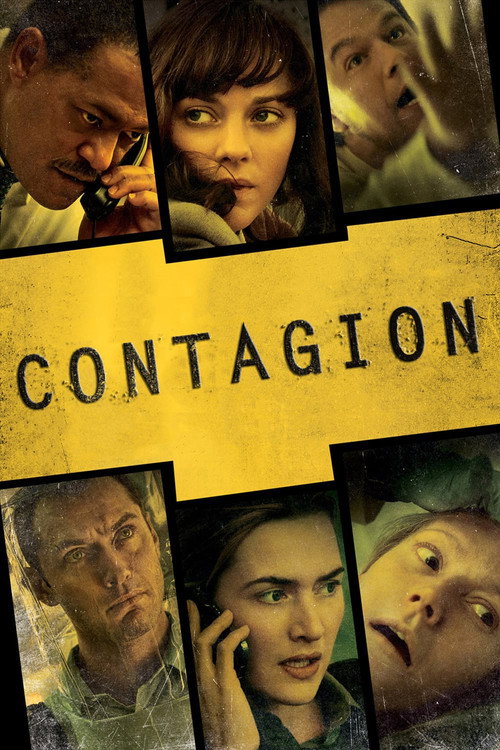
Contagion2011
Steven Soderbergh's clinical breakdown of pandemic response, with the same sense of a system unraveling and trusted authority fracturing. Methodical where The Crazies is frenetic, but both nail the dread of invisible threat spreading.
But Slow, procedural, no heroic action—it's about epidemiology and bureaucracy, which can feel distant when you want propulsive horror.
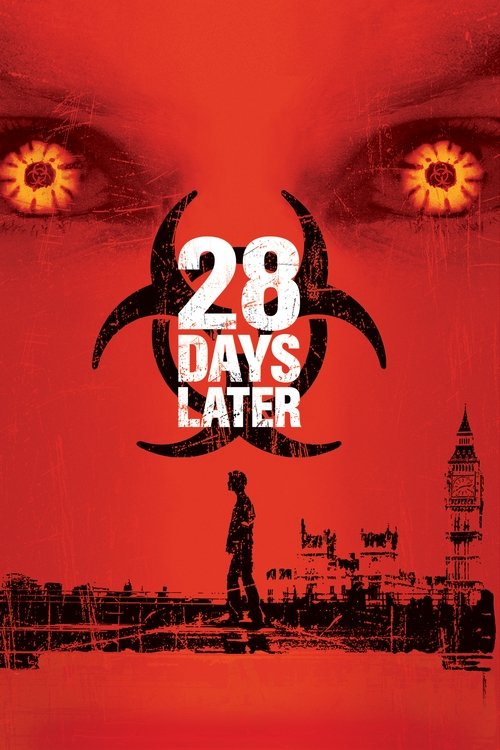
28 Days Later2002
Danny Boyle's infected aren't dead but violent and unstoppable, and the film captures that same sense of civilisation collapsing overnight. The relationship between survivors matters as much as the threat outside.
But The infected move fast and the tone is bleak throughout—no relief, no jokes, sustained dread that some find exhausting rather than gripping.
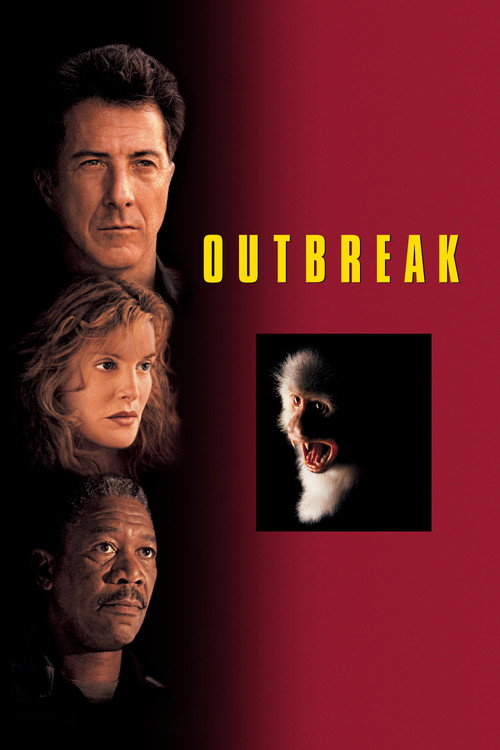
Outbreak1995
Dustin Hoffman and Rene Russo race to contain a virus in California; it's got the military lockdown, the infected town, the same 'us versus them' dynamic but plays it as a smart thriller with recognisable faces.
But Dated in tone and effects, and it resolves cleanly—if you want ambiguity or real chaos, this wraps things up too neatly.
Not sure tonight? Get a pick in a minute, starting from The Crazies
The wildcard
Something you would not have found on your own.
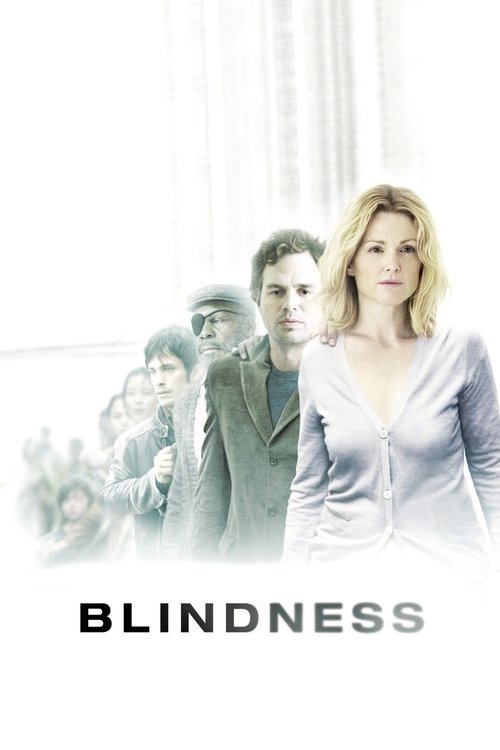
Blindness2008
Both are outbreaks that transform ordinary settings into labyrinths where survival depends on sight, knowledge, and luck—but Blindness asks what society looks like when everyone is equally helpless.
Fernando Meirelles adapts Saramago: a plague of sudden blindness empties a city, and a small group navigates chaos without sight. Like The Crazies, it's about the collapse of order when a biological event strips away control, but it's meditative rather than kinetic—horror through vulnerability instead of violence.
But Deliberately slow, dreamlike, sometimes frustrating; Julianne Moore's narration is a acquired taste, and there's a sexual assault scene that's graphically difficult.
More like this (8)
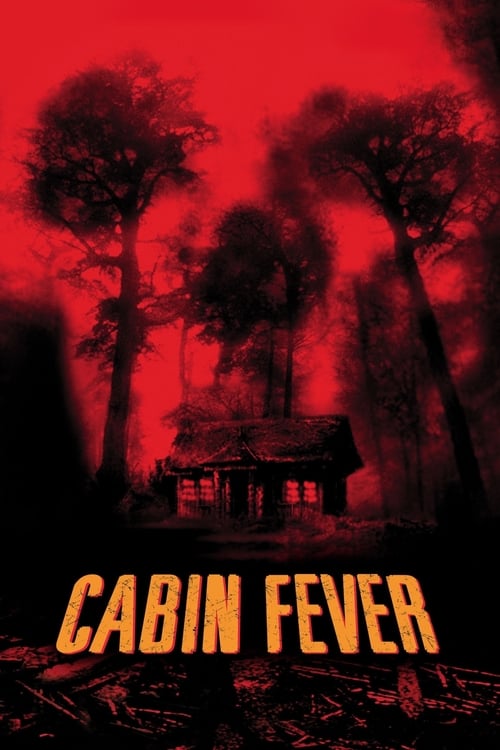
Cabin Fever2003
Eli Roth's flesh-eating disease attacks teenagers in the woods; like The Crazies, it's about isolation and contagion turning friends into threats, with dark humour breaking the tension.
But Relies heavily on body horror and gore that can feel gratuitous, and the tonal whiplash between horror and comedy doesn't always land.
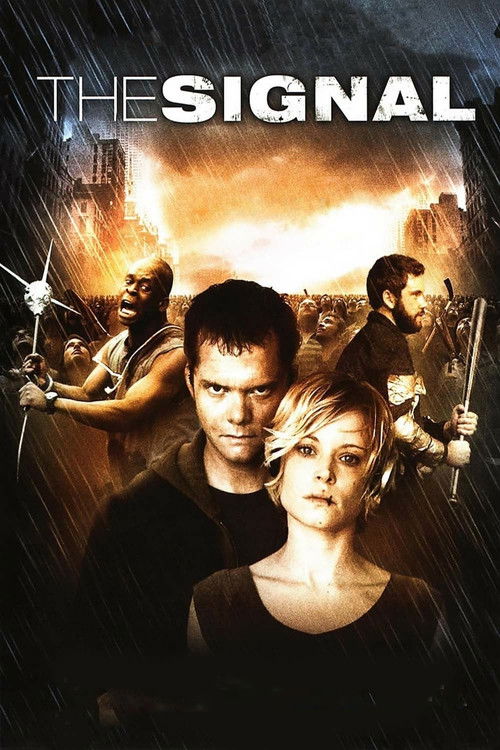
The Signal2007
A mysterious broadcast drives people to violence; smaller scale than The Crazies but equally focused on the psychological unravelling of a group under siege, with an unsettling final act twist.
But Low budget shows in places, and it's more arthouse than action—the pacing won't feel like The Crazies' momentum.
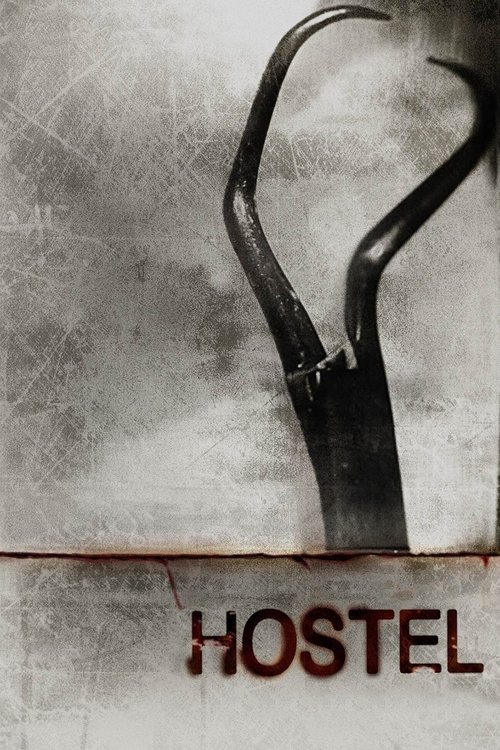
Hostel2006
Eli Roth again, this time trapping backpackers in a nightmare. Tense, visceral, and driven by survival instinct rather than plot logic—the tone matches The Crazies' matter-of-fact brutality.
But Torture-focused and aggressively mean-spirited; if you're uncomfortable with prolonged suffering on screen, this will feel exploitative.
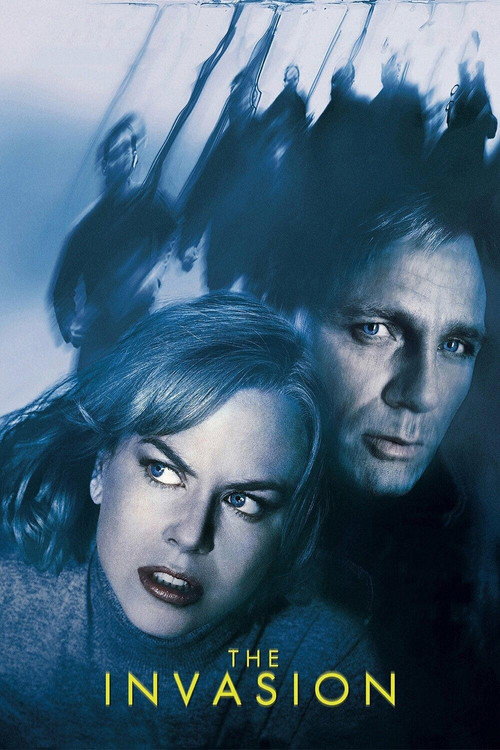
The Invasion2007
Nicole Kidman races through Washington D.C. as an alien species takes over human bodies. Paranoia is the engine, and the threat is quieter than The Crazies but the desperation is similar.
But Uneven production history shows in the tone, and it's too interested in politics to deliver on the action-horror promise.
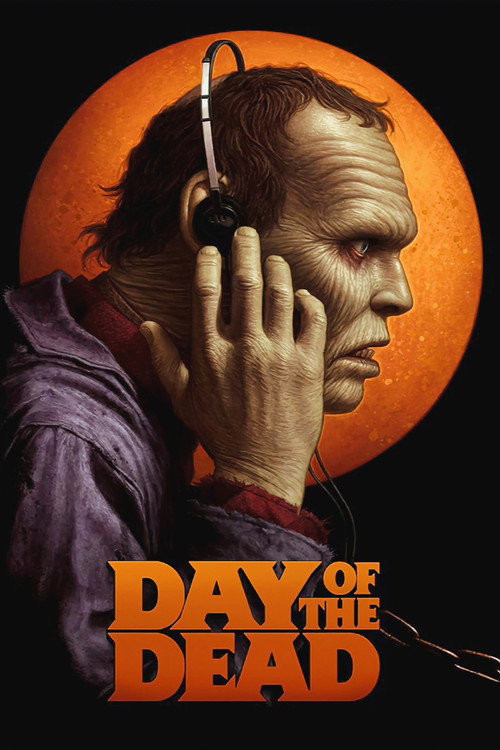
Day of the Dead1985
George A. Romero's military versus zombie siege is tense, thoughtful, and escalates with brutal inevitability. Gore and ideas in equal measure, and it understands how good people can become dangerous.
But Slow by modern standards, heavy on dialogue and low on action—the zombie effects, while creative, won't match contemporary gore.
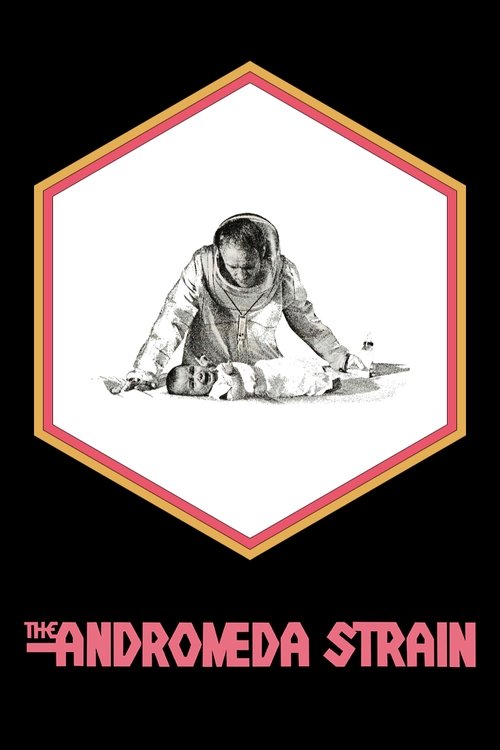
The Andromeda Strain1971
Robert Wise's clinical sci-fi thriller about a deadly organism that could end humanity. Procedural like Contagion but with higher stakes and that paranoid 1970s science-fiction dread.
But Almost entirely cerebral with minimal action; if you want visceral threat and physical danger, this is too measured and intellectual.
The Seventh Seal1957
Both present a world suddenly made incomprehensible—plague, death, madness—where the old rules don't apply and you watch people reckon with that shift in real time.
Bergman's knight plays chess against Death itself during the Black Plague. It's not a thriller, it's metaphysical—death comes for everyone, unstoppable and inarguable. The mood of dread and inevitability, that sense of people realising their world has been rewritten, connects deeply to The Crazies' logic of infection.
But In Swedish with subtitles, glacially paced, more interested in philosophy than plot. If you want action or conventional narrative momentum, this will feel like a different language entirely.

Possession1981
Both present contagion as a loss of self, but where The Crazies makes it literal and physical, Possession makes it psychological and intimate—the body as a battleground between who you were and what you're becoming.
Andrzej Żuławski's film about a marriage disintegrating in Berlin is visceral and chaotic; actors scream, fight, and lose coherence. It's deliberately difficult and deeply disorienting—you feel the psychological unravelling physically. The female lead's descent into something uncontrollable parallels The Crazies' theme of losing yourself.
But Deliberately antagonistic to viewers, with body horror and scenes of extreme emotional rawness. It's not entertaining in a traditional sense—it's punishing and alienating by design.

People
Cast
 Timothy OlyphantDavid
 Radha MitchellJudy
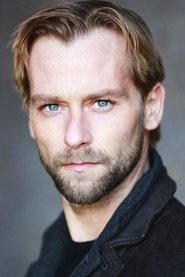 Joe AndersonRussell
 Danielle PanabakerBecca
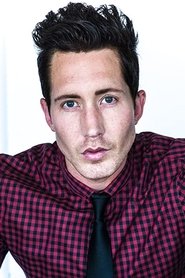 Joe ReeganPvt. Billy Babcock
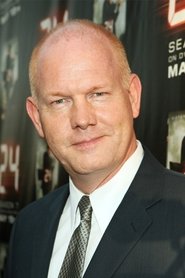 Glenn MorshowerIntelligence Officer
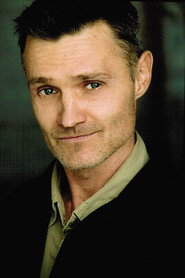 Gregory SporlederTravis Quinn
 Lynn LowryWoman on Bike
 Christie Lynn SmithDeardra Farnum
 Brett RickabyBill Farnum
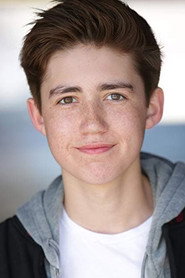 Preston BaileyNicholas Farnum
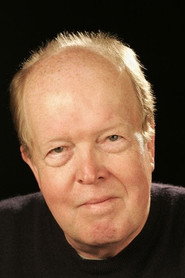 John AylwardMayor Hobbs
Directing
- Breck EisnerDirector
- Mark CotoneFirst Assistant Director
- Jillian AmburgeyScript Supervisor
- Yumiko TakeyaSecond Assistant Director
- E.J. FoersterSecond Unit Director
- Darin RivettiSecond Unit First Assistant Director
- Dieter BuschSecond Unit First Assistant Director
Writing
- George A. RomeroOriginal Film Writer
- Ray WrightScreenplay
- Scott KosarScreenplay
Production
- Lukasz SiwikArt Department Production Assistant
- John PapsideraCasting
- Dylan JuryCasting Assistant
- Ellen MostromCasting Assistant
- George A. RomeroExecutive Producer
- Jeff SkollExecutive Producer
- Jonathan KingExecutive Producer
- Kimberly BusbeeExtras Casting
- Patrick IngramExtras Casting
- Nathan M. WrightExtras Casting Assistant
- Shaun LynchExtras Casting Assistant
- Sean CarvilleFirst Assistant Accountant
- John BusbeeLocation Manager
- Maida N. MorganLocation Manager
- Edward PovedaPayroll Accountant
- Diana AscherPost Production Accountant
- Dean GeorgarisProducer
- Michael AguilarProducer
- Rob CowanProducer
- Vicki L. SawyerProduction Accountant
- Matt ThompsonProduction Assistant
- Day PermuyProduction Coordinator
- Ben Shields CatlinProduction Executive
- Sean FurstProduction Executive
- Stefan BrunnerProduction Executive
- Haley BillueProduction Secretary
- Tara TovarekTravel Coordinator
Recommended by
Night of the Living Dead, Outbreak, 28 Weeks Later, Quarantine, Invasion