
Film
Day of the Dead
- Zombie horror
- Very dark
Romero's 1985 masterpiece traps scientists and soldiers in a bunker as the zombie apocalypse completes its takeover. It's claustrophobic, grotesquely funny, and merciless about human nature. The gore is artfully done. For those who want their horror grounded in character and ideology, not jump scares.
If you liked this
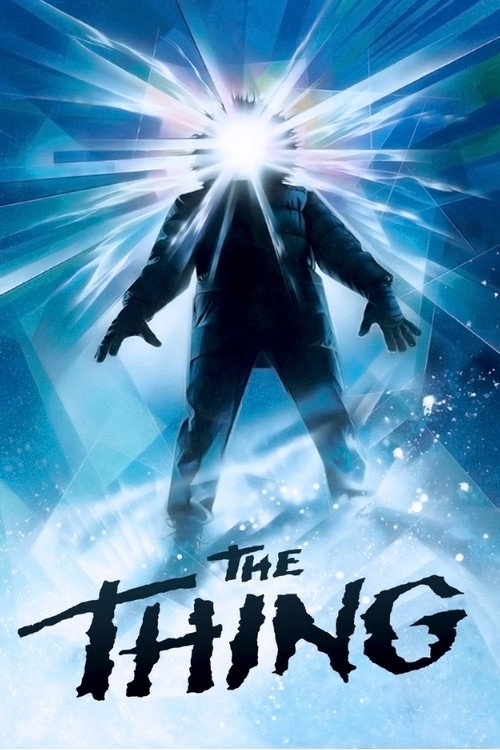
The Thing1982
A group in extreme isolation must solve an impossible problem while paranoia corrodes trust. Like Day of the Dead, it's as much about how people fracture under pressure as about the external threat.
But Eighties practical effects don't always age smoothly, and the pacing is deliberately slow. Not for viewers impatient with dread.
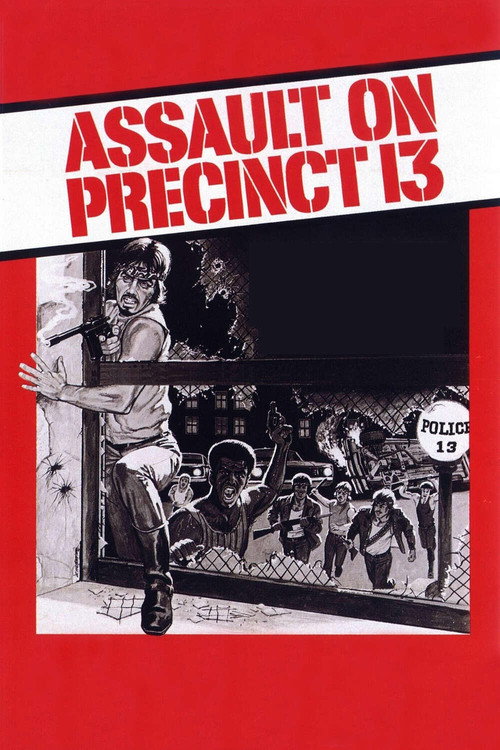
Assault on Precinct 131976
Carpenter's siege film traps a handful of people in a station while the world outside turns hostile. The same pressure-cooker logic: survival depends on watching each other as much as the enemy.
But The dialogue is stilted and the score is driving but repetitive. Some find the minimalism cold rather than tense.
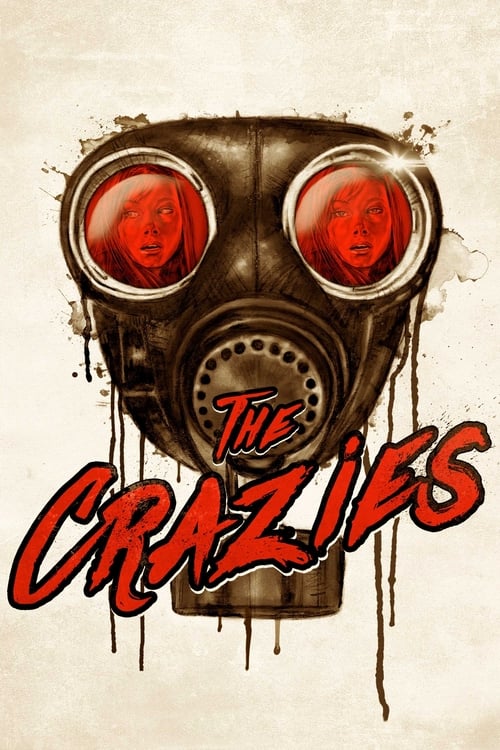
The Crazies1973
Romero explores societal breakdown and the military as threat, not savior. Grainy, paranoid, and genuinely unsettling. The government is often scarier than the infected.
But Budget limitations show in the production. It's rough in a way that demands patience, and the ending is bleak without catharsis.
Not sure tonight? Get a pick in a minute, starting from Day of the Dead
The wildcard
Something you would not have found on your own.
Stalker1979
Both interrogate human motivation under pressure and question whether the destination justifies what we become to reach it.
Tarkovsky's science-fiction meditation on desire and doubt. A guide leads two men into a mysterious zone toward a room that grants wishes. The connection: both films ask whether survival is meaningful if you lose yourself getting there. Both move slowly, refusing easy answers.
But This is 163 minutes of philosophical inquiry with minimal plot. There are long takes of empty corridors. Most viewers find it either transcendent or unwatchable.

More like this (8)
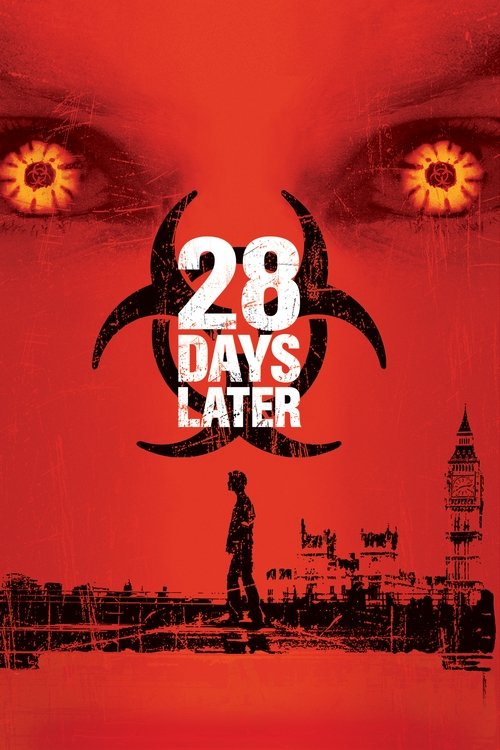
28 Days Later2002
Boyle's infected aren't undead but the despair is identical. Humanity fractures faster than the threat spreads. Handheld and visceral, it proves Romero's DNA still works in modern horror.
But The third act abandons the claustrophobia for a more conventional action film, which dulls the edge of what came before.
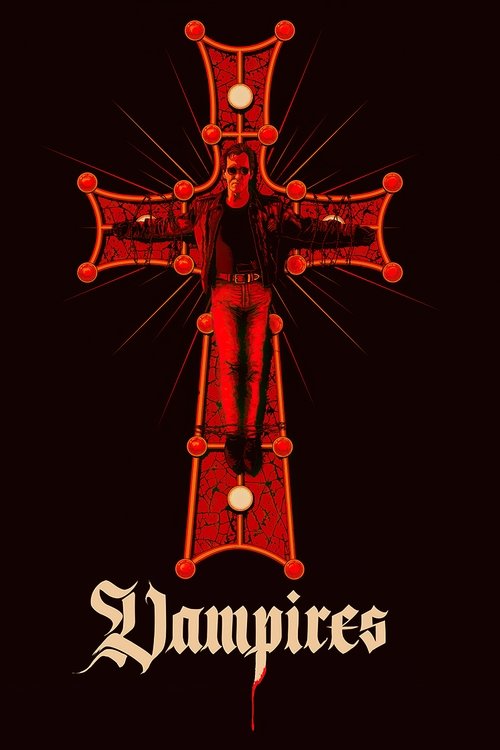
Vampires1998
Another ensemble besieged by an overwhelming force, forced to function as a unit or die separately. Carpenter's later work had more wit than his classics, and it's entertaining in a different register.
But It's more action-comedy than horror, which will feel like a betrayal if you came for dread. Some find the tonal shift jarring.
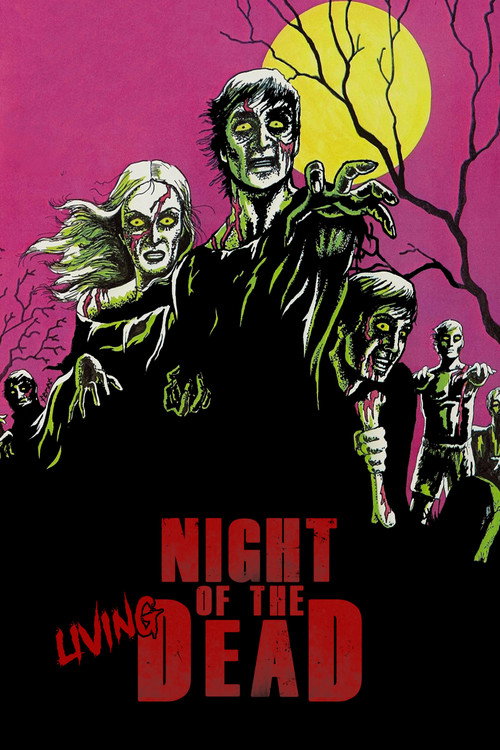
Night of the Living Dead1968
Romero's original is where it all started: fewer survivors, more confined, the social commentary sharper because it's subtext. The blueprint remains unmatched for how to build unbearable tension.
But Black and white, no score, deliberately static compositions. If you need visual variety or conventional pace, it feels glacial.
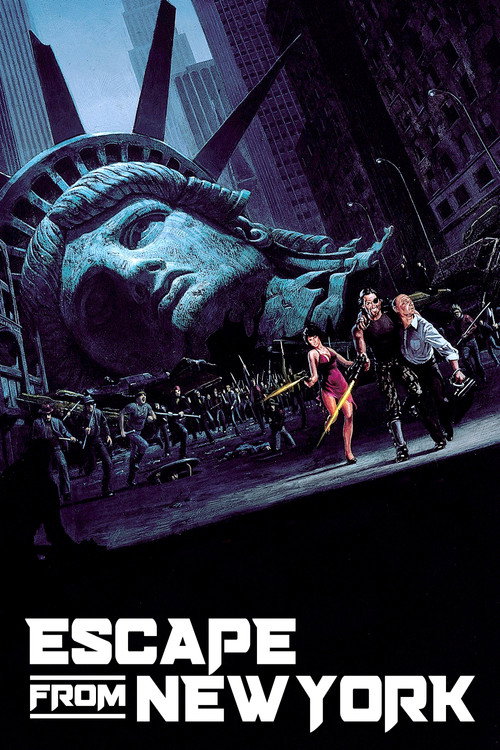
Escape from New York1981
Carpenter again. A man dropped into a hostile maze with minimal time and impossible odds. Like Day, it's about whether survival is worth the moral cost, and how institutions fail.
But The synth score is heavy-handed and some action setpieces feel more comic-book than tense. The tone wobbles between satire and seriousness.
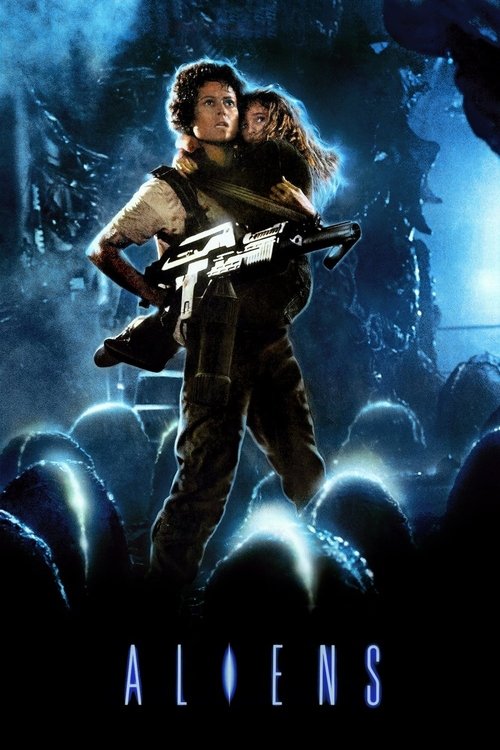
Aliens1986
Military incompetence meets overwhelming threat in a confined space. Cameron's film is louder and more action-focused than Romero, but the bones are the same: chain of command collapses first.
But It's a blockbuster, so every beat is designed for maximum impact. If you prefer slow-burn dread, the constant assault can feel exhausting rather than frightening.
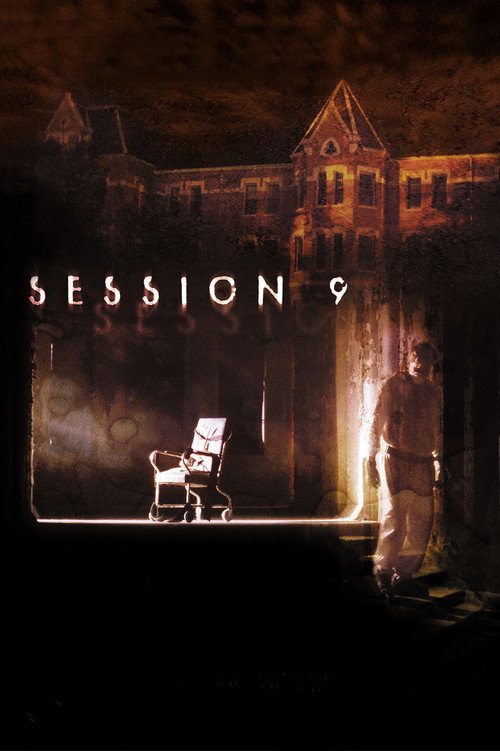
Session 92001
A crew in an abandoned asylum slowly unravels. Like Day, it finds horror not in what's clearly monstrous but in human psychology and how groups deteriorate. Mounting dread, almost no gore.
But Nothing happens in the conventional sense for long stretches. The pacing is austere, almost experimental. Patience isn't optional.
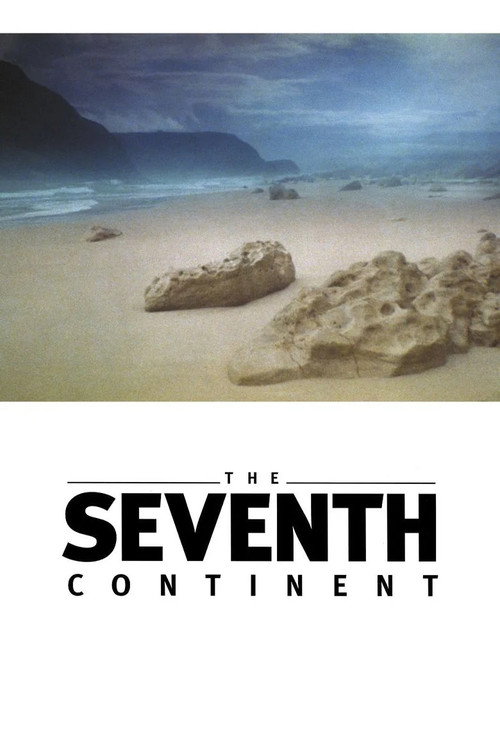
The Seventh Continent1989
Both examine how rational systems—military command, bourgeois routine—can normalize the unthinkable until the line between survival and oblivion vanishes.
Haneke observes a family's methodical self-destruction with clinical detachment. No thriller mechanics, no catharsis—just the logic of despair. Day of the Dead is action filtered through ideology; this is ideology without action.
But It's austere and repetitive by design. The film demands you sit with discomfort. No music, minimal dialogue. Many will find it punishing rather than illuminating.
Mulholland Drive2001
Both use enclosed spaces and fractured perspectives to explore how people construct false narratives to survive situations that are already destroying them.
Lynch's nightmare about ambition and identity in a hostile system. Less plot than mood and dread, structured like a fever dream that keeps reshuffling itself. Like Day, it's about the gap between what people tell themselves and what they are.
But It's cryptic and demands active interpretation. There's no right answer and no resolution. If you need clarity, it will frustrate you.

People
Cast
 Lori CardilleSarah
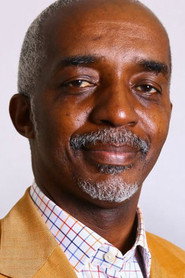 Terry AlexanderJohn
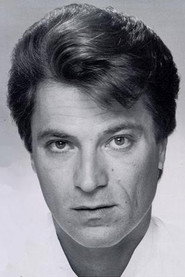 Joseph PilatoRhodes
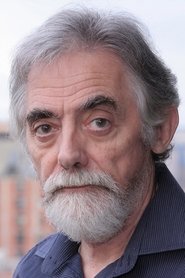 Jarlath ConroyMcDermott
 Anthony DiLeo Jr.Miguel
- Richard LibertyLogan
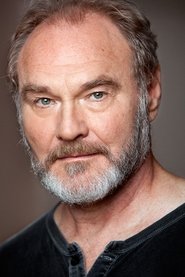
 Gary KlarSteel
 Ralph MarreroRickles
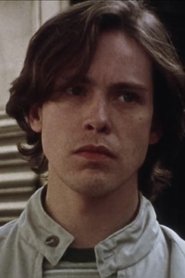 John AmplasFisher
- Phillip G. KellamsMiller
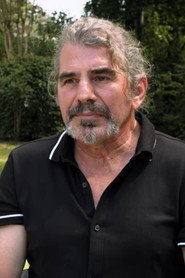 Taso N. StavrakisTorrez
Directing
- George A. RomeroDirector
Writing
- George A. RomeroScreenplay
Production
- Christine ForrestCasting
- Salah M. HassaneinExecutive Producer
- Richard P. RubinsteinProducer
Recommended by
Dawn of the Dead, Land of the Dead, The Crazies, In Search of Darkness: Part II, Nightmare at Noon, Tooth and Nail, Apocalypse Z: New World, Bullets of Justice