
Film
Nightmare at Noon
- Horror
- Science fiction
- Very dark
A 1988 action-horror hybrid where a small town's water supply gets poisoned by scientists, transforming residents into violent killers. Wings Hauser anchors this lean, pulpy nightmare that trades coherence for sheer momentum. It's grindhouse filmmaking—direct, bloody, and utterly unconcerned with restraint. Made for people who love genre films that swing for the fences without overthinking it.
Should you watch it?
Watch it if you like grimy, low-budget 1980s apocalypse pulp where the mood of paranoia and a dusty small-town setting matter more than polish, and you enjoy a seasoned cast playing it straight.
Skip it if you need tight plotting or restrained scares, since this is blunt, sweaty and often more interested in mayhem than in making sense of its premise.
What it asks of you: A brisk ninety-six minutes, with the violence arriving early and often, and little time spent on quiet character work between the bloodshed.
Not sure? Find tonight's pick in a minute.
If you liked this
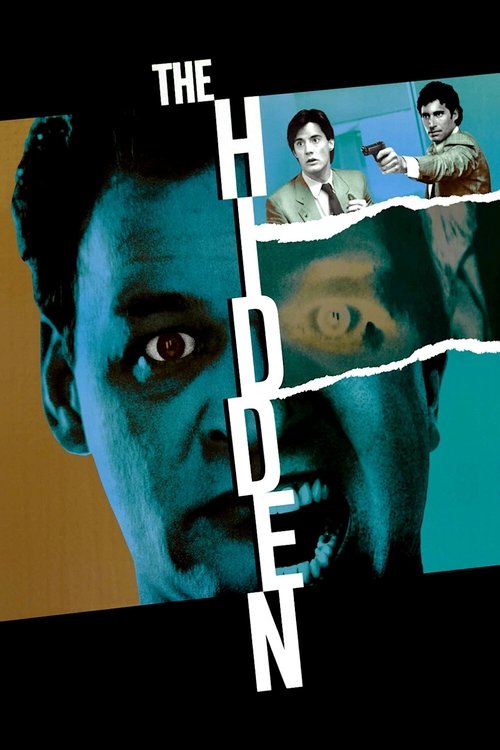
The Hidden1987
An alien parasite infects a small town, turning ordinary people into murderous versions of themselves. Same era, same fever-dream logic, same commitment to practical effects and unhinged action. Wildly entertaining.
But The plot barely holds together and the dialogue can feel stilted, but that's sort of the point—you're here for the carnage, not screenwriting.
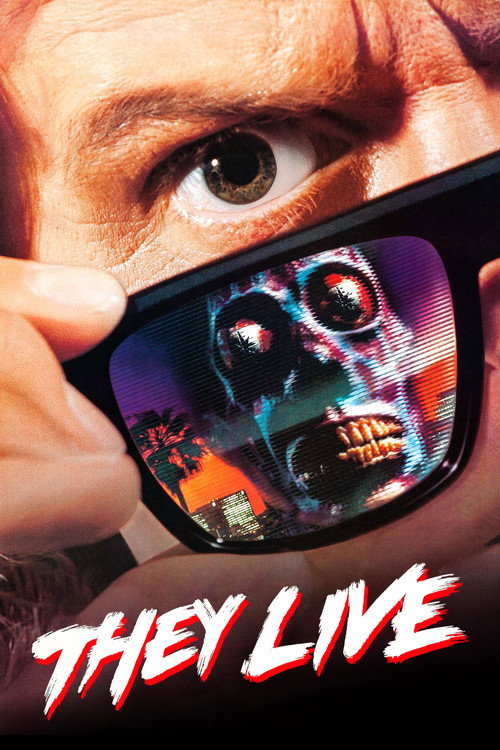
They Live1988
Carpenter's masterpiece of genre storytelling: aliens control society through subliminal messaging, and one man sees the truth. Shares Nightmare at Noon's contempt for bureaucratic evil and its willingness to let action sequences breathe. Pure propulsive fun.
But The first twenty minutes are slow setup, and the tone shifts wildly between comedy and brutality, which doesn't work for everyone.
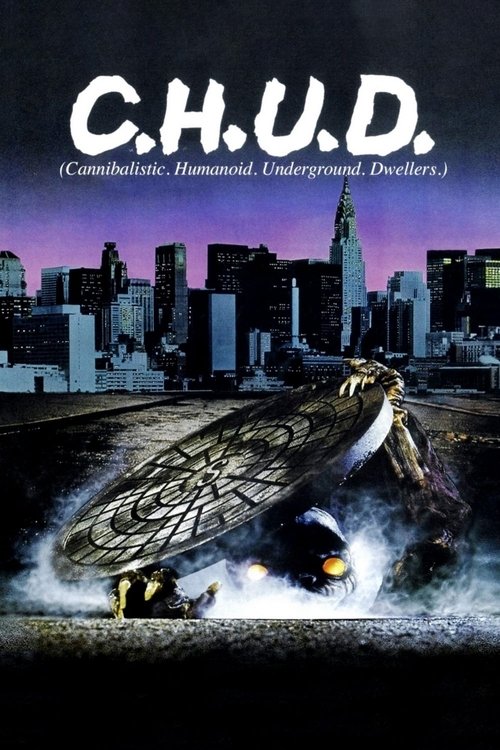
C.H.U.D.1984
Cannibalistic mutants in New York's sewers. Another B-movie that treats its premise seriously, mixing horror with action and genuine social commentary about the forgotten underclass. Exactly this era's particular brand of pulpy.
But Low budget shows everywhere—the monster effects are occasionally laughable—and the pacing drags in the middle act.
Not sure tonight? Get a pick in a minute, starting from Nightmare at Noon
The wildcard
Something you would not have found on your own.
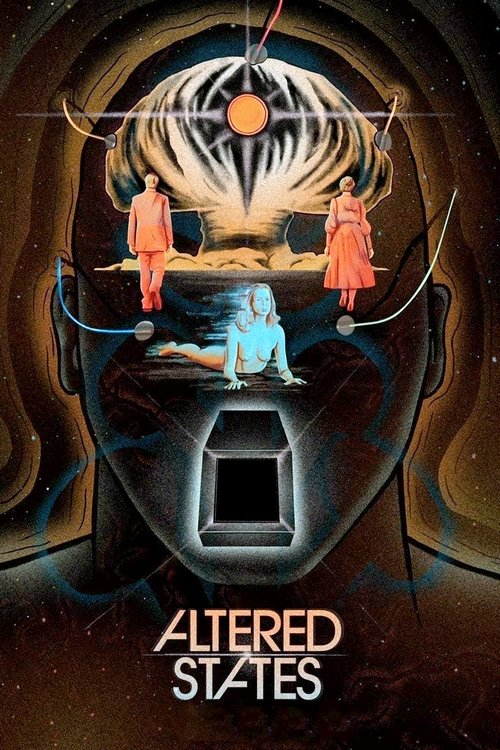
Altered States1980
Both explore what happens when human consciousness is involuntarily altered—the monster created is chemical, not moral or external.
Ken Russell adapts Paddy Chayefsky's account of a scientist self-administering sensory deprivation and hallucinogens, devolving into primal violence. Both films chart the breakdown of civilization through chemical alteration of consciousness, but Russell goes cosmic and metaphysical where Nightmare at Noon stays visceral. Genuinely hallucinogenic—you feel the protagonist's dissolution.
But The second half abandons plot for pure visual abstraction, and if you don't tune to its particular wavelength, it feels pretentious and incoherent rather than profound.
More like this (8)
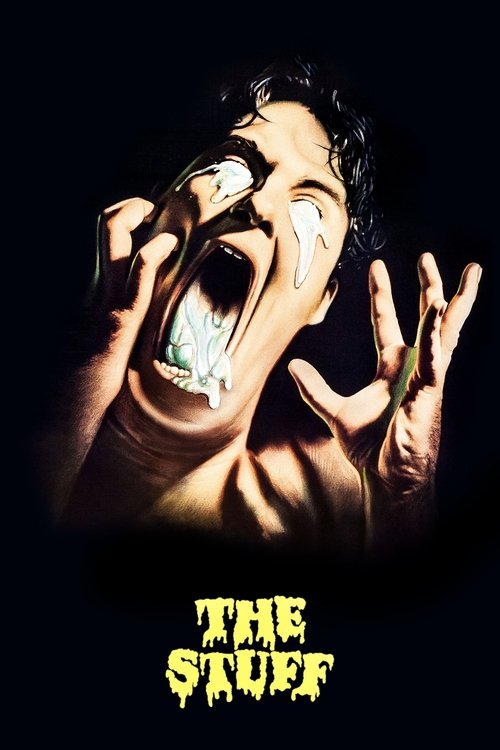
The Stuff1985
A creeping horror about a sentient dessert that turns people into slaves. Brilliantly uses body-horror and absurdist comedy to skewer consumerism. Same anarchic energy, same refusal to take itself seriously while remaining genuinely unsettling.
But The tone is wildly uneven—it can't decide if it's horror or satire—and some of the early scenes feel slow.
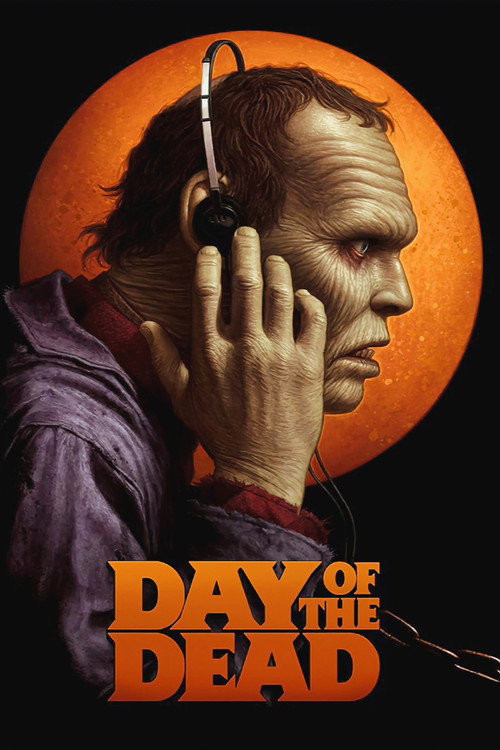
Day of the Dead1985
Romero's masterpiece: a handful of survivors in an underground bunker as the undead world collapses above. Lean, vicious, funny, and genuinely bleak. The same commitment to showing consequences that Nightmare at Noon has.
But Relentlessly grim with minimal character development. Some find it more punishing than entertaining.
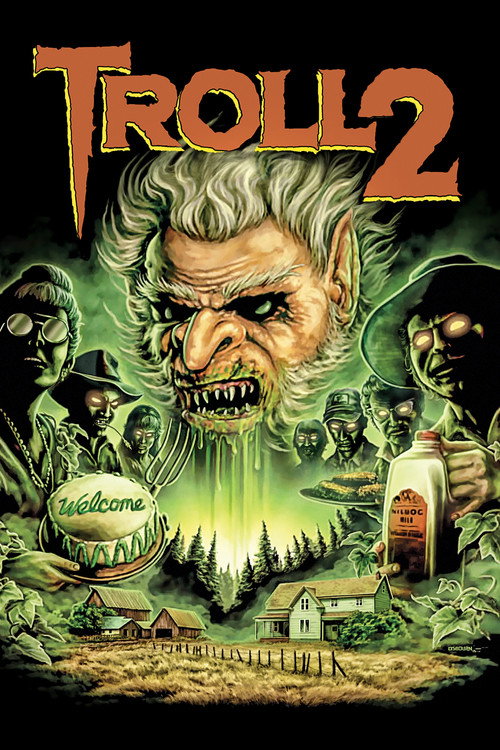
Troll 21990
Possibly the most unhinged family-horror-comedy ever made. A family moves to a small town full of vegetarian trolls; everything goes wrong in magnificently stupid ways. The same disregard for logic or good taste, but somehow more lovable.
But It's legendarily bad in ways that require a specific sense of humor. If you don't find incompetence charming, this will just frustrate you.
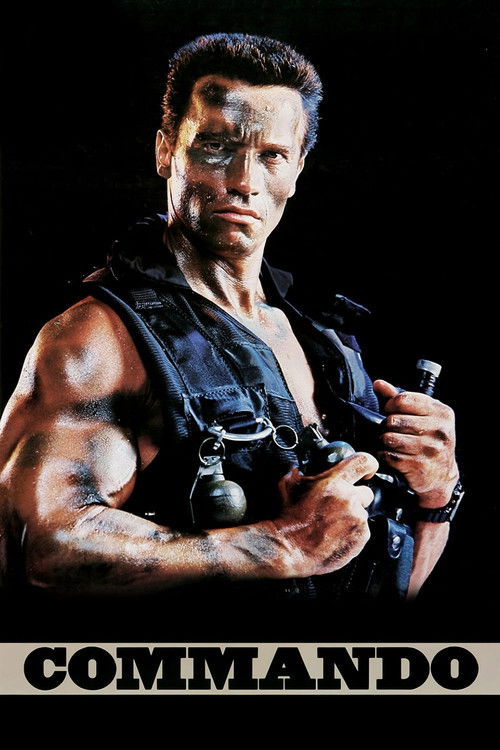
Commando1985
Schwarzenegger as a retired soldier forced back into action. No subtext, no pretense—just a man with a knife fighting mercenaries for ninety minutes. Pure mechanics, like Nightmare at Noon but with a bigger budget and clearer action choreography.
But It's paper-thin on character and plot. The film doesn't earn emotional investment; it just assumes you'll come for the action.
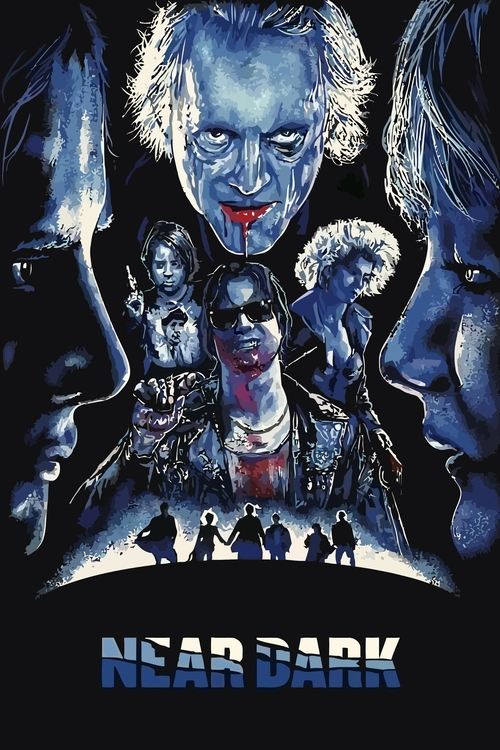
Near Dark1987
A drifter gets turned by a vampire clan and must choose between them and his humanity. Kathryn Bigelow brings operatic intensity to genre material. Like Nightmare at Noon, it understands that small-town Americana can be nightmarish.
But The romantic subplot can feel forced, and the ending goes soft in ways that undercut the film's darker momentum.
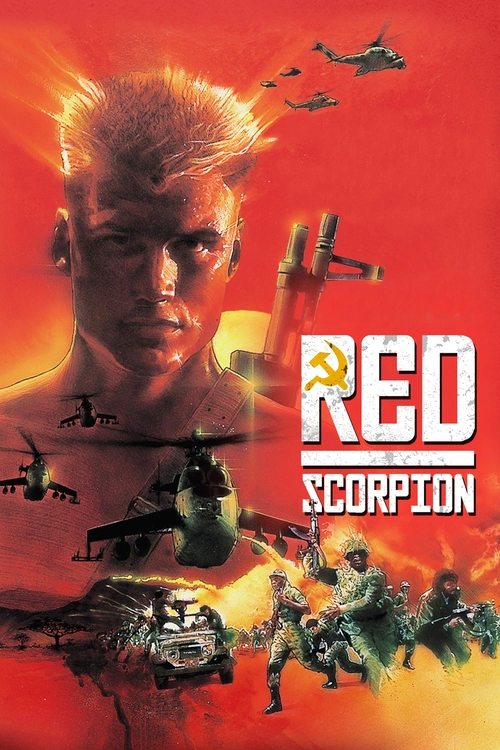
Red Scorpion1988
Dolph Lundgren in Africa fighting Cubans and Russians. 80s action filmmaking at its most straightforward: explosions, predictable plot, charismatic lead, zero apologies. If you liked the action rhythms of Nightmare at Noon, this delivers the same dumb confidence.
But Functionally a propaganda film, and the politics are laughably simplistic. The action, while competent, has none of the creativity that made 80s action memorable.
Possession1981
Both use genre eruption—aliens, chemicals, demons, whatever—as an externalization of internal chaos. Same structure, entirely opposite aesthetic.
Andrzej Żuławski's Polish-German fever dream: a marriage implodes into violence and literal Lovecraftian horror in divided Berlin. Like Nightmare at Noon, ordinary people become unrecognizable killers, but Żuławski's approach is visionary and psychosexual where the American film is pragmatic. The violence is choreographed like ballet. Utterly hypnotic.
But It's deliberately disorienting and surreal. If you need clarity and forward momentum, this will feel like punishment. Also, the dubbing is sometimes awkward.

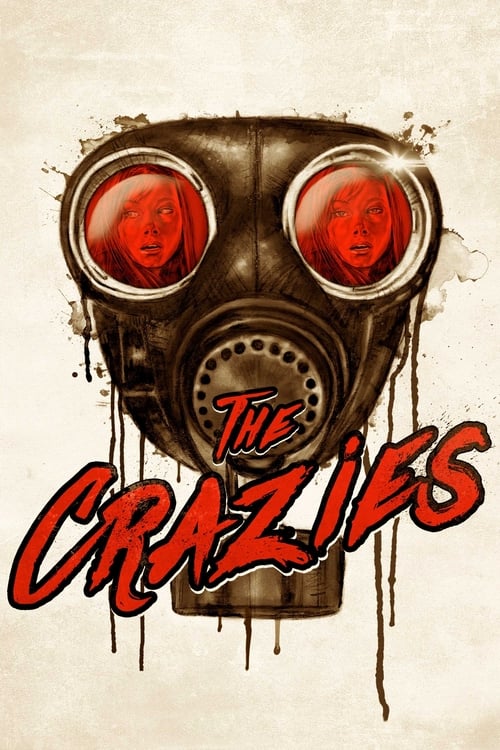
The Crazies1973
Both feature poisoned water, a small town's transformation, and ordinary people forced into survival. But Romero's civilians remain human victims while Nightmare at Noon makes them monsters—inverted moral equations examining the same catastrophe.
Romero's original: a military bioweapon turns a small Pennsylvania town into chaos. Made during Vietnam, it's simultaneously a visceral action film and a scathing indictment of institutional power. Nightmare at Noon covers similar ground but Romero locates the real horror in authority itself, not just the infected. Grainier, meaner, more relevant than you'd expect.
But It's shot on a shoestring, moves unevenly, and the paranoia can feel repetitive. Black-and-white also means you need patience for pacing that 80s filmmaking had mostly abandoned.
People
Cast
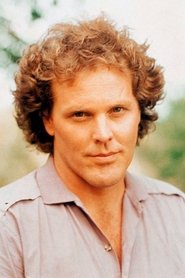 Wings HauserKen Griffiths
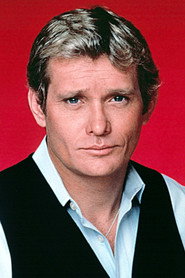 Bo HopkinsReilly
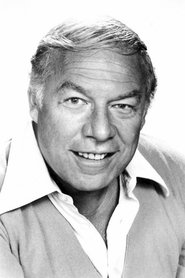 George KennedySherrif Hanks
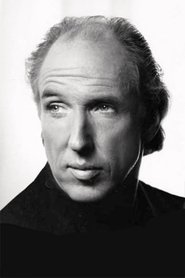 Brion JamesThe Albino
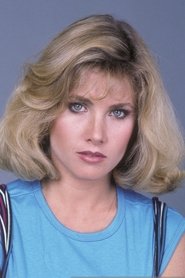 Kimberly BeckCheri Griffiths
- Kimberly RossJulia
- Neal WheelerCharley
- David ChristiansenDr. Miller
- Mark HaarmanDeputy
 Jean St. JamesLori
- Tabi CooperWoman in Curlers
- Todd CollardBilly
Directing
- Nico MastorakisDirector
Writing
- Kirk EllisScreenplay
- Nico MastorakisScreenplay
Production
- Bob ManningAssociate Producer
- Isabelle MastorakisProducer
- Nico MastorakisProducer