
Film
In Search of Darkness: Part II
A four-hour-plus documentary love letter to 1980s horror cinema, stuffed with filmmakers, actors, and critics dissecting the decade's best, worst, and weirdest scares. It's pure nostalgia for fans who lived it, but also a thorough education for anyone curious why that era still matters. Part II adds fifty-plus contributors and goes even deeper into the genre's wild excess.
Should you watch it?
Watch it if you love hearing filmmakers and actors dissect the practical effects, tight budgets and scrappy production stories behind the decade's slashers and creature features, and want that talk to keep going.
Skip it if you want a tight, narrative documentary; this is a fan-driven sprawl of talking heads and clip reels that stays loose and repetitive across more than four hours.
What it asks of you: Set aside an evening or two in installments, since it runs about four and a half hours and rewards a viewer who already knows the films being discussed.
Not sure? Find tonight's pick in a minute.
If you liked this
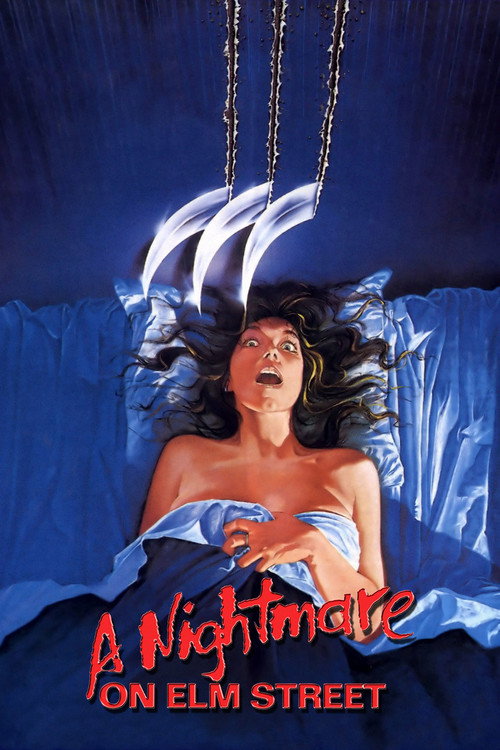
A Nightmare on Elm Street1984
The film that defined '80s horror and gets substantial attention in these docs. Wes Craven's innovation changed everything; watching it again explains why the decade exploded.
But The dated practical effects and earnest synth score feel very of-the-moment now. It's slower than you'd expect from the clips you've seen.
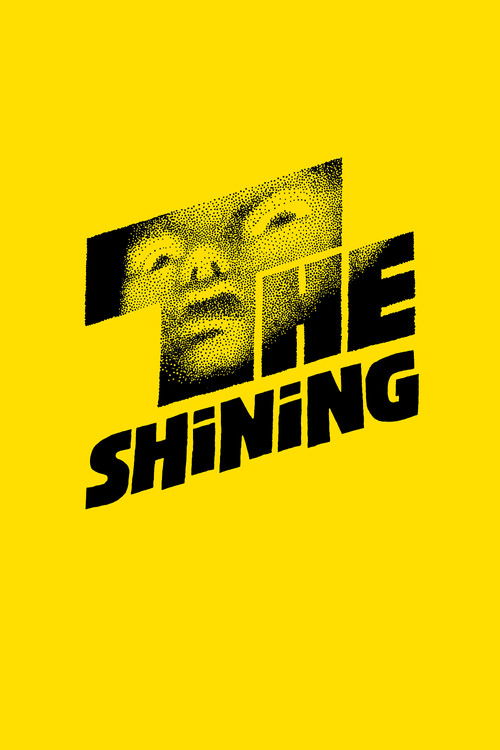
The Shining1980
Kubrick's masterpiece anchors the entire decade as ambition made flesh. It's obsessive, terrifying, and completely controlled—everything '80s horror aspired to be.
But It's a slow burn that demands patience. At 146 minutes, it's as much about dread as anything else; some find that exhausting rather than thrilling.
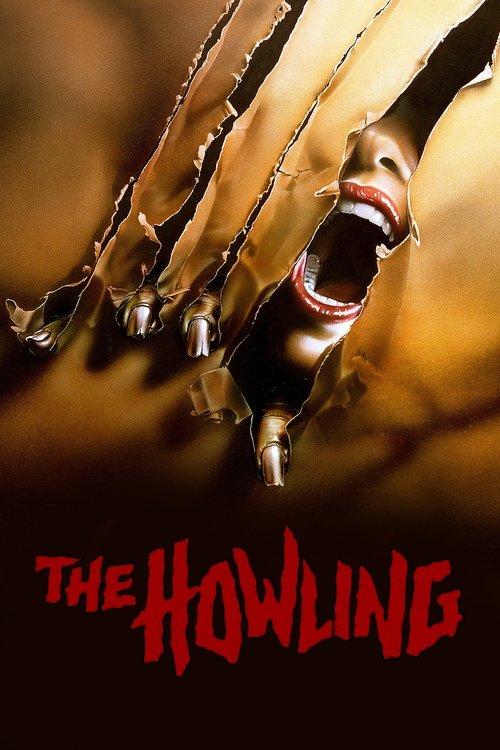
The Howling1981
Rob Bottin's werewolf effects are still astonishing. It's clever, funny, and gorgeously constructed—the film that proved '80s horror could be smart and fun simultaneously.
But The plot gets muddled in the middle, and it doesn't have the iconic status of other decade entries. Some pacing issues undermine the momentum.
Not sure tonight? Get a pick in a minute, starting from In Search of Darkness: Part II
The wildcard
Something you would not have found on your own.
Possession1981
Both are deep dives into how '80s horror pushed beyond gore into psychological and sexual transgression. Possession is the art-house version of what American directors learned to commercialize.
Andrzej Żuławski's Polish-French nightmare is psychosexual horror as fever dream. Watching it in the doc's context—as the template for '80s excess—transforms how you see the decade's wilder entries.
But It's genuinely difficult to watch: sexually explicit, structurally chaotic, and designed to disorient rather than entertain. Subtitles required; patience essential.

More like this (7)
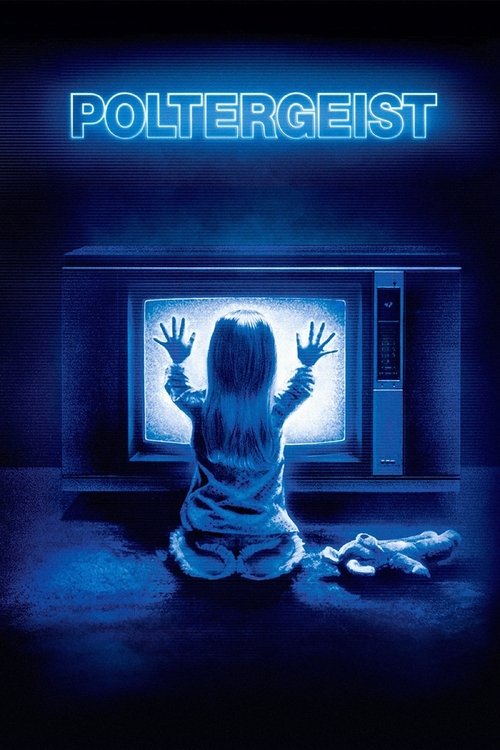
Poltergeist1982
Tobe Hooper and producer Steven Spielberg create suburban dread through a family haunting. The practical effects are inventive and the genuine scares linger in ways most sequels never match.
But The script leans hard on familiar family-drama beats. It's more conventional than it appears, which softens its impact for modern audiences.
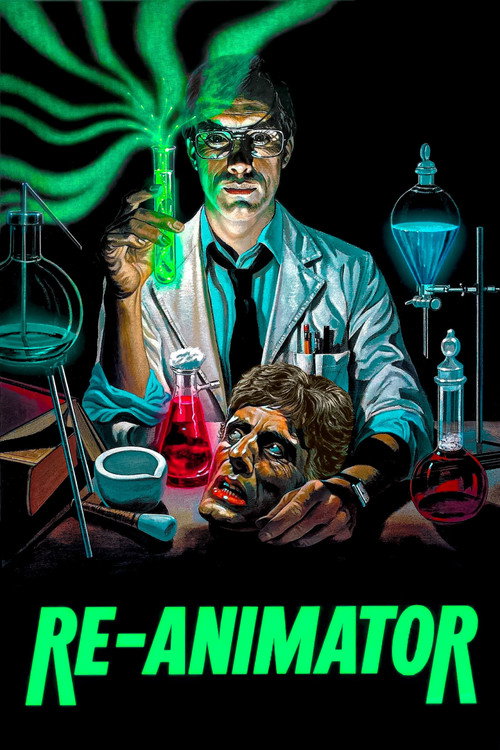
Re-Animator1985
Stuart Gordon's splatter comedy is audacious, grotesque, and hilarious. It understands that horror and humor come from the same nerve; this is '80s excess at its most gleeful.
But The gore is graphic and the sexual content is deeply uncomfortable by design. It's deliberately provocative in ways that won't charm everyone.
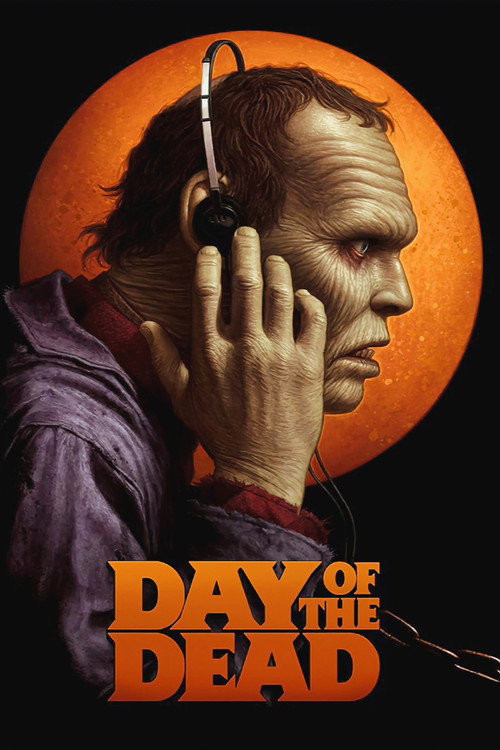
Day of the Dead1985
Romero's zombie trilogy capper is science fiction wrapped in gore, with real thematic weight about military-industrial nihilism. It's bloated and ambitious in the best way.
But The dialogue is often clunky, and at two hours the pacing drags. Some of the practical effects haven't aged as well as you'd hope.
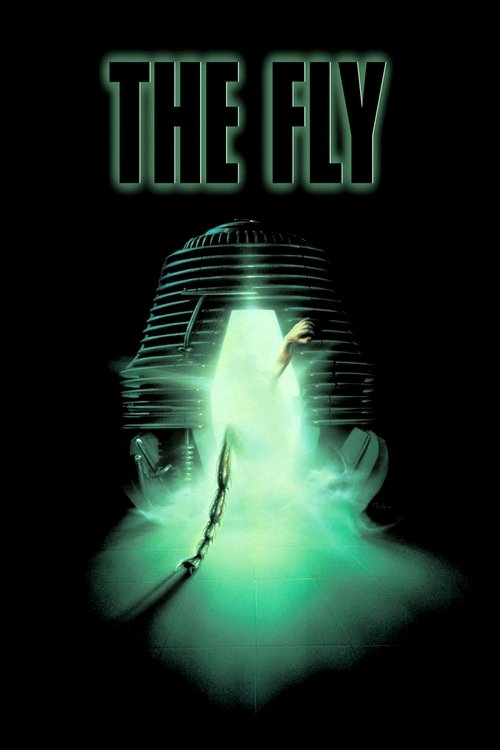
The Fly1986
David Cronenberg's remake is body horror as love story. It's visceral, tragic, and weirdly moving—genre cinema at its most intelligent and heartfelt.
But The transformation sequences are deliberately repulsive. If you're squeamish about practical prosthetics, this will genuinely upset you.
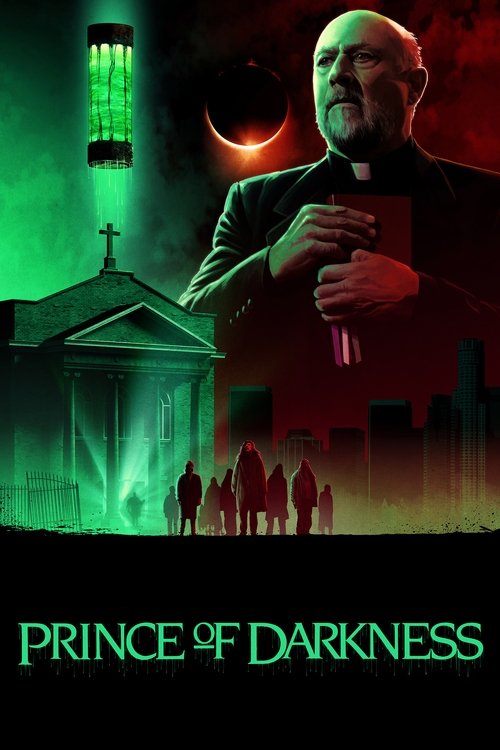
Prince of Darkness1987
John Carpenter at his most ambitious and weird. It's metaphysical horror disguised as a siege film, with an atmosphere so thick you can feel it pressing down.
But The dialogue is deliberately stilted and the plot barely coheres. Carpenter fans love it; everyone else finds it frustratingly oblique.
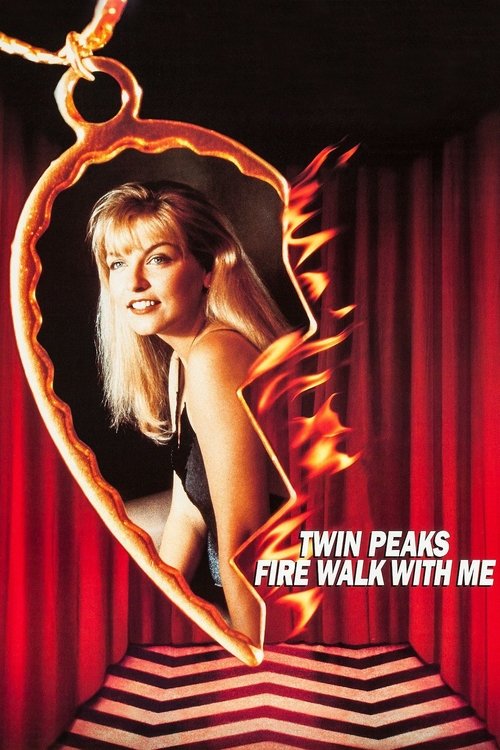
Twin Peaks: Fire Walk with Me1992
Both excavate the texture and feeling of a decade (or a show) rather than its plot. Lynch does for the '90s what these docs do for the '80s—treat mood as the subject.
David Lynch's 'prequel' to his series is pure mood and dread, with the documentary's sensibility applied to supernatural mystery. It proves horror doesn't need jump scares to devastate.
But It's abstract and frustrating by design. If you need plot coherence or emotional resolution, this will infuriate you rather than unsettle you.
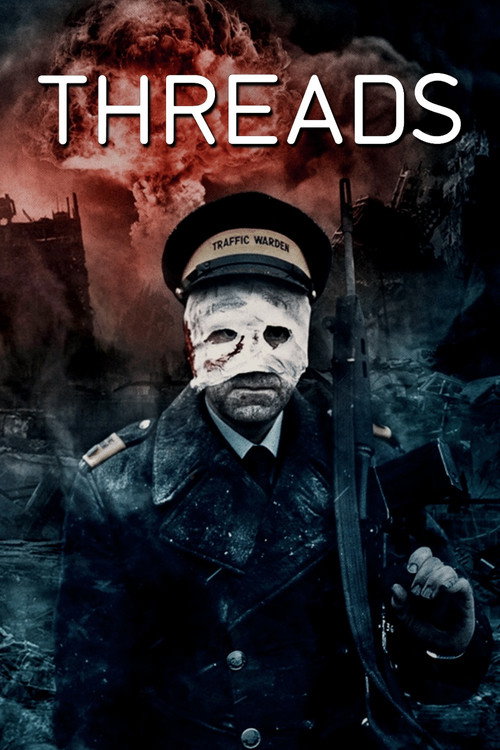
Threads1984
Both are about how horror reflects the real anxieties of their moment. '80s slashers expressed paranoia; Threads is paranoia without the fiction.
A British nuclear-war docudrama that plays like the most realistic horror film ever made. It's bleaker than any slasher, more genuinely disturbing than any monster movie.
But It's a slow, methodical descent into societal collapse with no catharsis or hope. If you watch it expecting entertainment, you'll leave devastated rather than entertained.
People
Cast
 Nancy AllenSelf
 Tom AtkinsSelf
 Doug BradleySelf
 John BloomSelf
 Clancy BrownSelf
 Lori CardilleSelf
 John CarpenterSelf
 Nick CastleSelf
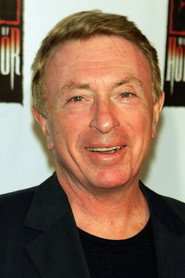 Larry CohenSelf
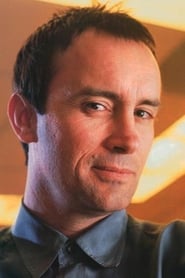 Jeffrey CombsSelf
 Barbara CramptonSelf
Directing
- Ted HeimAssistant Director
- David A. WeinerDirector
Writing
- David A. WeinerWriter
Production
- Jeremy DunhamExecutive Producer
- Robin BlockExecutive Producer
- Andrew HawkinsProducer
- David A. WeinerProducer