
Film
Prince of Darkness
- Supernatural horror
- Dark fantasy
- Very dark
John Carpenter's theological horror film traps a priest, scientists, and grad students in a church with something ancient and malevolent locked in a canister. It's slow-burn dread punctuated by genuine scares, built on the unsettling idea that evil might be real, conscious, and patient. For viewers who want horror that takes its premise seriously and doesn't blink first.
Should you watch it?
Watch it if you enjoy slow-burn John Carpenter dread, where the scares come from a crowded room of scientists arguing over what they are looking at while the walls slowly close in.
Skip it if you want quick jolts and a brisk pace, since much of the running time goes to talk, theorising and long stretches of people staring at a glowing canister.
What it asks of you: Settle in for a bit over an hour and a half of patient build-up, with dialogue-heavy scenes and a steady, unsettling hum rather than constant action or relief.
Not sure? Find tonight's pick in a minute.
If you liked this
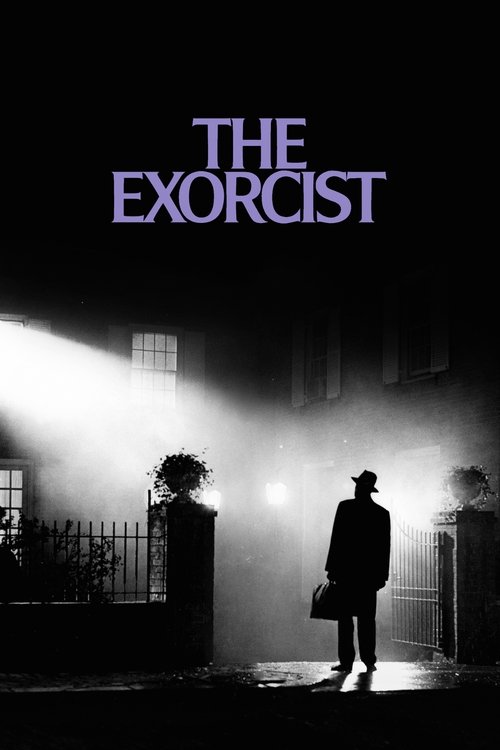
The Exorcist1973
The gold standard of supernatural horror: methodical, theologically grounded, and genuinely frightening. Builds unease through character and implication rather than jump scares. A masterclass in restraint.
But At 132 minutes it demands patience. Some of the medical sequences feel dated, and the slow first half tests commitment before the terror arrives.
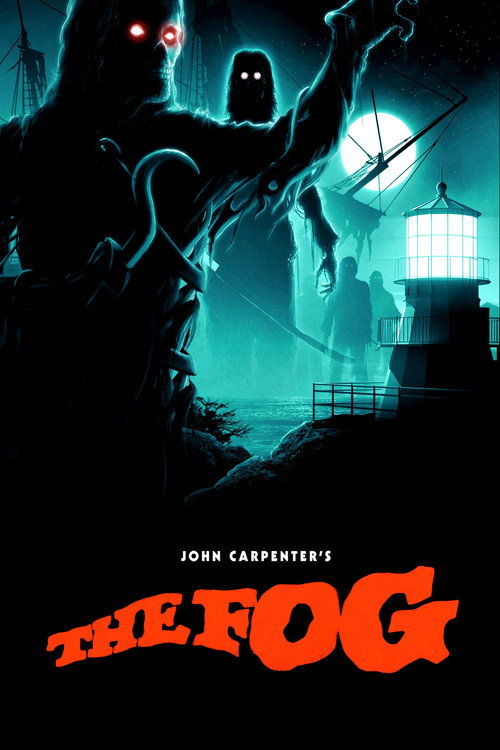
The Fog1980
Carpenter's earlier work shares the same patient dread and ensemble-under-siege structure. Atmospheric and inventive, with a simple premise executed with real style and a haunting synthesizer score.
But The pacing is deliberate to the point where modern viewers might find it sluggish. The fog itself remains deliberately vague, which works thematically but frustrates some.
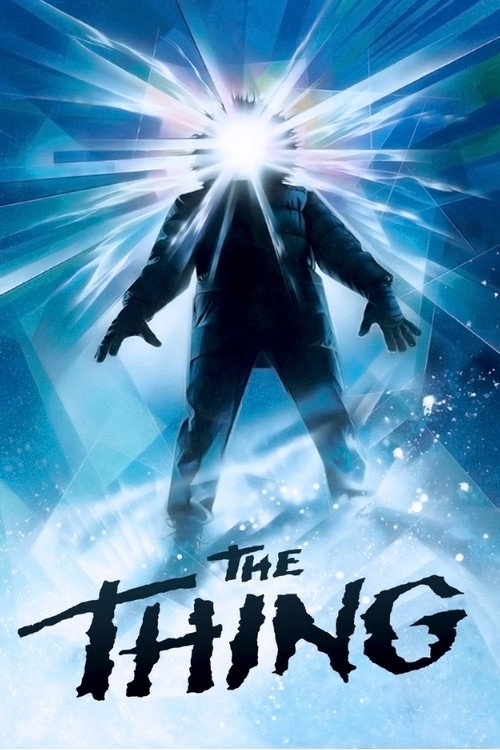
The Thing1982
Another Carpenter masterpiece: paranoia, isolation, and the unknown wearing familiar faces. Methodical tension, practical effects that still hold up, and a script that trusts the audience to follow the dread.
But Bleak and cynical in ways that can feel relentless. The violence is abrupt and visceral, and there's no catharsis—just survival and uncertainty.
Not sure tonight? Get a pick in a minute, starting from Prince of Darkness
The wildcard
Something you would not have found on your own.
Possession1981
Both films treat supernatural evil as real and present, but locate the true horror in human doubt and the impossibility of knowing what you're facing. Both are deeply philosophical in their approach to dread.
Andrzej Żuławski's Polish-French film uses possession and cosmic horror as metaphor for marital collapse and psychological unraveling. Visually baroque, deeply strange, and genuinely unsettling in ways that feel philosophically earned rather than cheap.
But The logic is dream-like and non-linear; it's more interested in feeling and symbol than plot clarity. Violent and sexually explicit in ways that exist for thematic reasons but are still confrontational.

More like this (8)
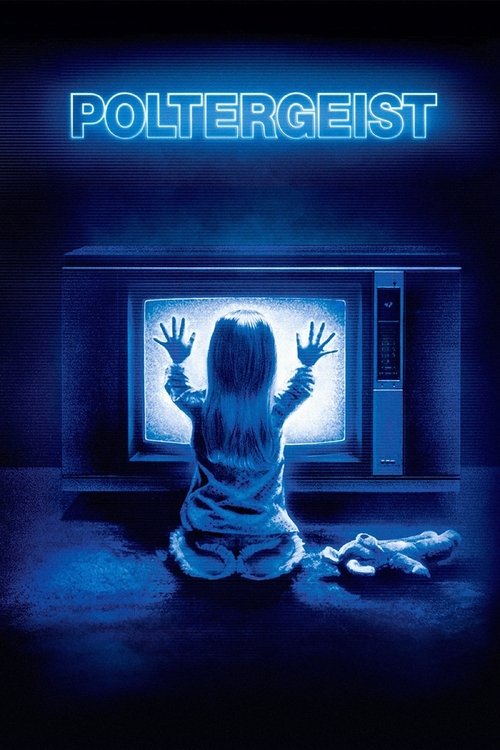
Poltergeist1982
Family-under-siege horror that balances scares with genuine emotional stakes. The practical effects create memorable, tactile horror. A film that understands supernatural terror can be both intimate and apocalyptic.
But The pacing feels uneven—long stretches of exposition punctuated by sudden intensity. Some of the dialogue veers into schmaltz, undercutting the dread.
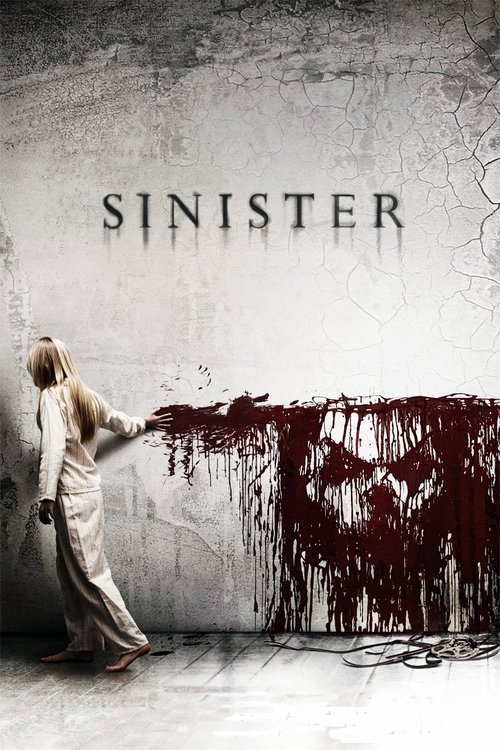
Sinister2012
Modern horror that respects audience intelligence and builds dread through research and discovery rather than jump scares. A methodical descent into genuine cosmic horror, anchored by a committed lead performance.
But Heavily dependent on atmosphere and implication; viewers wanting visceral scares or clarity will feel shortchanged. The final act divides viewers on whether it lands or overreaches.
The Wailing2016
A South Korean thriller that uses horror as a framework for questions about faith, doubt, and certainty. Sprawling, ambitious, and genuinely unsettling. Every scene carries multiple interpretations.
But At 156 minutes and with a deliberately ambiguous ending, it's demanding. The tonal shifts between mystery, horror, and spiritual crisis can feel disjointed on first viewing.

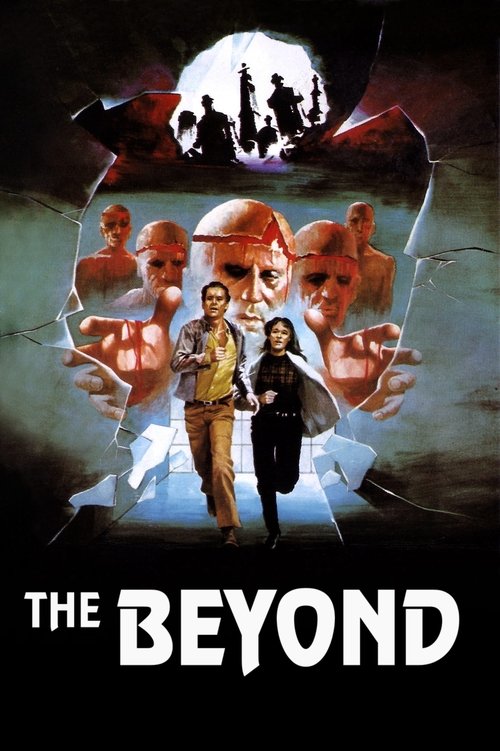
The Beyond1981
Lucio Fulci's surreal Italian horror film prioritizes mood and nightmare logic over plot coherence. Visually stunning, deeply weird, and committed to the idea that some things exist beyond rational explanation.
But The narrative is intentionally fragmented and dream-like, which means plot clarity takes a backseat to atmosphere. Subtitled, and the dubbing on English versions is occasionally distracting.
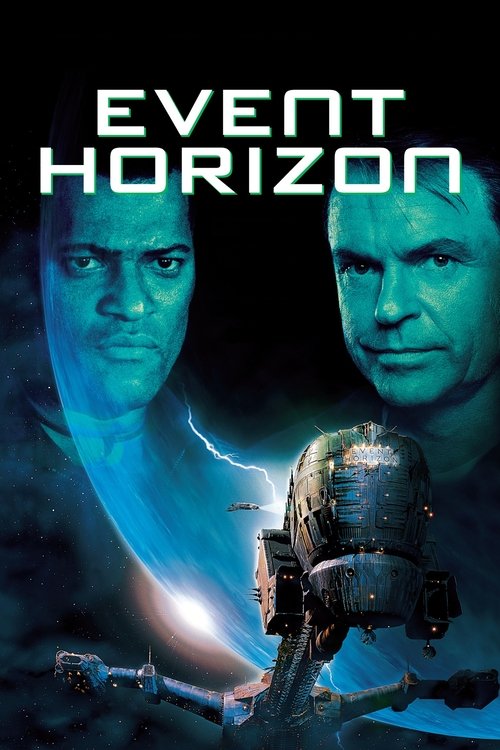
Event Horizon1997
Science fiction horror that understands theology and existential dread. A haunted-house story in space, with a compelling premise and committed performances. Visually inventive and genuinely disturbing.
But The second half leans into body horror and visceral imagery that overshadows the philosophical setup. Some find it gratuitous rather than purposeful in its escalation.
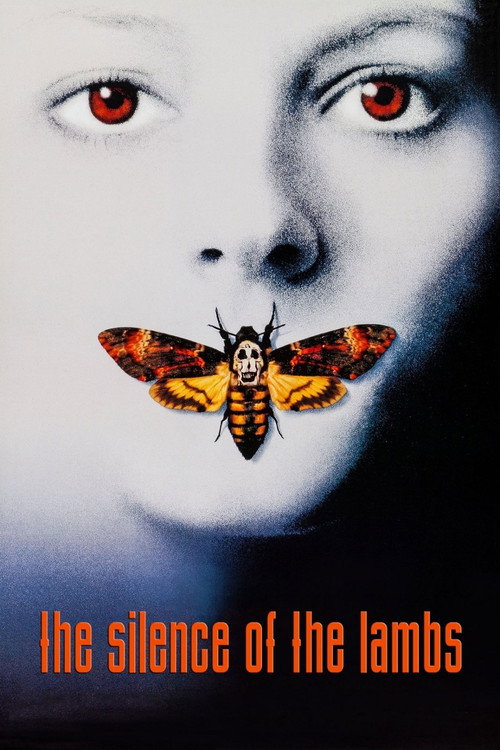
The Silence of the Lambs1991
Psychological horror elevated by two perfect performances and a script that treats the audience as intelligent. Tense, methodical, and frightening in ways that linger because they feel possible.
But The gender dynamics, particularly around the female lead, haven't aged perfectly and feel complicated in hindsight. Some viewers find the Hannibal sequences distracting from the central mystery.
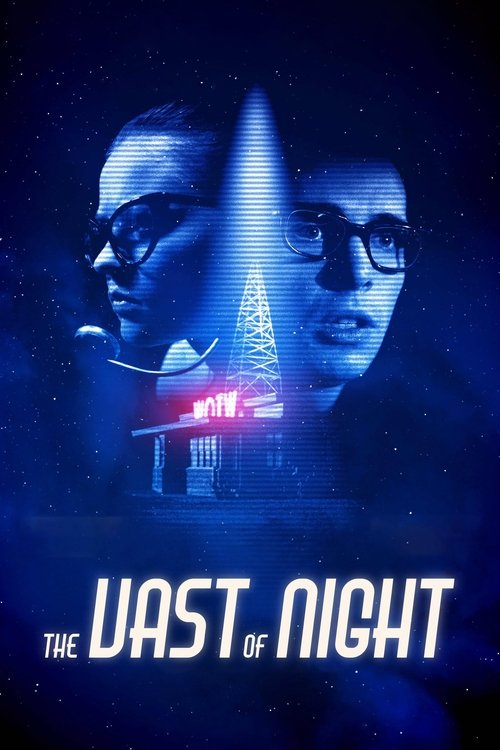
The Vast of Night2019
Both films suggest that evil or the unknown operates on timescales beyond human comprehension, and that knowledge itself might be dangerous. Both use ensemble characters grappling with forces they can barely articulate.
A sci-fi mystery structured like a radio drama, unfolding through conversation and atmosphere rather than action. Gorgeous black-and-white cinematography, smart dialogue, and a genuine sense of cosmic mystery. Low-budget filmmaking that trusts mood over spectacle.
But Deliberately paced and dependent on patience with long conversational sequences. The final reveal is deliberately understated and some find it anticlimactic rather than satisfying.
The Seventh Seal1957
Both films treat spiritual and existential questions as central to horror itself. Both ask: what terrifies us more—the evil we can see or the uncertainty of whether anything we believe is real?
Bergman's masterpiece about death, faith, and the search for meaning in an indifferent universe. A medieval knight plays chess with Death itself. Philosophical, visually stunning, and endlessly rewatchable. Cinema at its most ambitious.
But In Swedish with subtitles and deliberately slow. The philosophical wrestling is the point, not the plot, and viewers seeking plot momentum will find it glacial and frustrating.

People
Cast
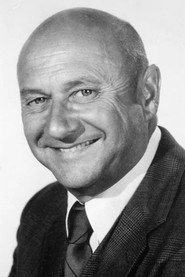 Donald PleasencePriest
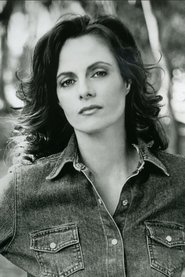 Lisa BlountCatherine Danforth
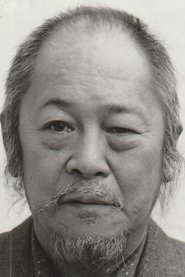 Victor WongProf. Howard Birack
 Jameson ParkerBrian Marsh
 Dennis DunWalter
 Susan BlanchardKelly
 Anne Marie HowardSusan Cabot
- Ann YenLisa
 Ken WrightLomax
 Dirk BlockerMullins
 Jessie Lawrence FergusonCalder
 Peter JasonDr. Paul Leahy
Directing
- John CarpenterDirector
- Larry FrancoFirst Assistant Director
- Sandy KingScript Supervisor
Writing
- John CarpenterScreenplay
Production
- Linda FrancisCasting
- Melanie MasseyCasting Assistant
- Andre BlayExecutive Producer
- Shep GordonExecutive Producer
- Bess GilbertExtras Casting
- Ken LavetLocation Manager
- Larry FrancoProducer
- Joy EwingProduction Accountant
- Marian ShamboProduction Coordinator
- Stratton LeopoldUnit Production Manager
Recommended by
The Thing, Quatermass and the Pit, Color Out of Space, Dagon, In Search of Darkness: Part II, In the Mouth of Madness, The Visitor, Mystics in Bali, Dreamcatcher, Witchboard, Halloween 5: The Revenge of Michael Myers