
Film
Mystics in Bali
A 1981 Indonesian horror film where an anthropologist's research into black magic goes catastrophically wrong when she's possessed by a shapeshifting Leák queen. Shot on a shoestring budget with practical effects that swing between delightfully weird and genuinely unsettling, it's a cult oddity that treats its supernatural mythology as real rather than theatrical. For viewers who value strangeness and commitment over polish.
If you liked this
The Wailing2016
A South Korean horror-mystery that takes folklore and spiritual horror as seriously as Mystics in Bali does, building dread through cultural specificity and ambiguity. Beautifully shot but equally strange, it respects its audience's intelligence.
But Nearly three hours long, structurally complex, and it withholds answers even at the end. The pacing can feel glacial if you want clear resolution.

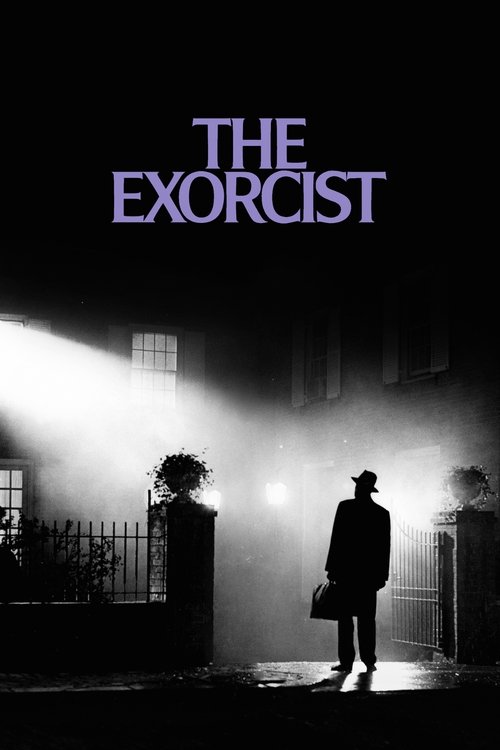
The Exorcist1973
The obvious possession film, but the reason it still matters: the body horror and the sense that something genuinely wrong is happening, not just movie effects. Mystics in Bali shares that commitment to discomfort.
But Religious allegory will feel heavy-handed if that's not your thing, and it's been homaged to death. The pacing drags in stretches.
Suspiria1977
Italian giallo horror with vivid, often irrational visuals and a witch cult at its center. Like Mystics in Bali, it prioritizes mood and strangeness over plot coherence, and it's visually hypnotic.
But The logic is dreamlike rather than literal, which some find pretentious. The famous score is brilliant but extremely intrusive.

Not sure tonight? Get a pick in a minute, starting from Mystics in Bali
The wildcard
Something you would not have found on your own.
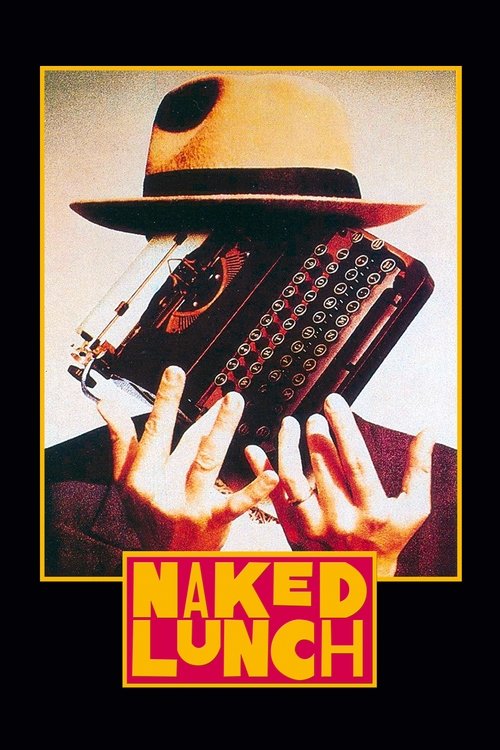
Naked Lunch1991
Both use possession as a metaphor for loss of agency and bodily autonomy; both prefer strangeness to clarity; both trust the weird images to do the storytelling work.
Cronenberg adapts William S. Burroughs into a film where reality is fundamentally unreliable and the body is a landscape of horror. Like Mystics in Bali, it's interested in how possession and control corrupt the self, but filtered through Western surrealism and drug culture instead of Indonesian folklore.
But It's deliberately obscure and resistant to interpretation. Many will find it pretentious and impenetrable, and the body horror is extreme in ways that feel gratuitous rather than purposeful.
More like this (8)
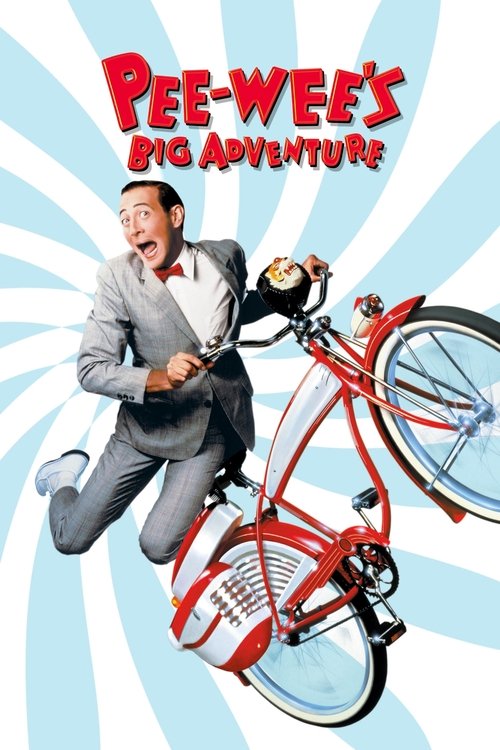
Pee-wee's Big Adventure1985
Tim Burton's debut has the same scrappy, eccentric energy as Mystics in Bali—odd practical effects, weird performances, and a world that operates on its own logic. Proves low-budget strangeness can be exhilarating.
But It's goofy and lightweight where Mystics in Bali goes dark. The tone is completely different, just the aesthetic DNA overlaps.
Paprika2006
Satoshi Kon's psychedelic sci-fi thriller uses possession and reality-distortion as its engine, with a visual style that's messy and inventive rather than refined. Shares Mystics in Bali's willingness to be genuinely weird.
But The plot becomes abstract and hard to follow in the third act. If you need narrative clarity, this will frustrate you.

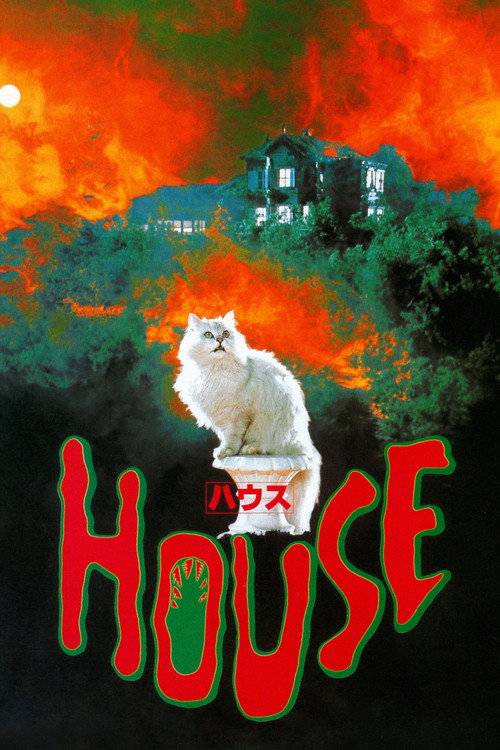
House1977
Nobuhiko Obayashi's haunted-house film is a fever dream: stop-motion ghosts, unexpected tonal shifts, genuine terror alongside absurdity. Like watching someone's nightmare painted in Day-Glo. Completely singular.
But The narrative logic is nearly nonexistent. It's an experience rather than a story, which alienates viewers looking for conventional plot progression.
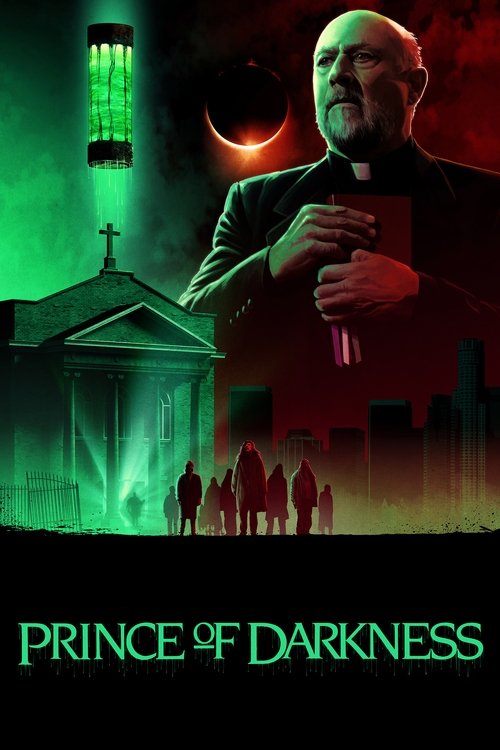
Prince of Darkness1987
John Carpenter treating ancient evil and possession with serious religious dread. The practical effects are gross and creative, and it trusts the audience to accept weird cosmology without explanation.
But Slow-burn approach means long stretches of academic discussion before the horror kicks in. The ending is abstract and unsatisfying if you want clarity.
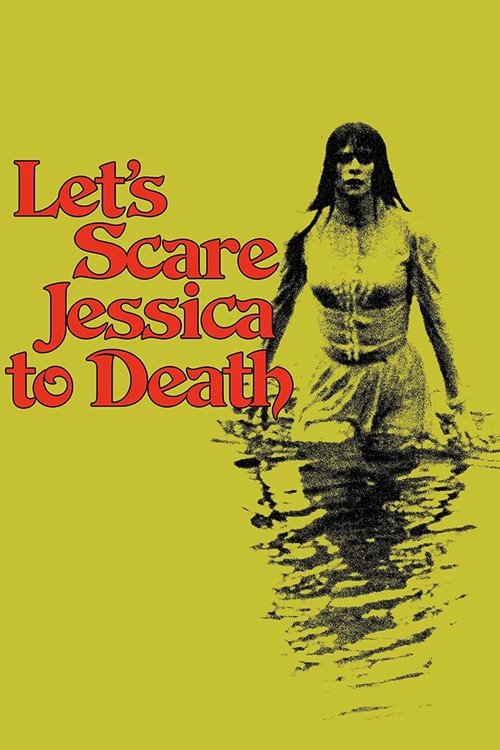
Let's Scare Jessica to Death1971
A micro-budget American horror film that uses location, atmosphere, and ambiguity instead of effects. It's about paranoia and possession, shot with the same scrappy resourcefulness as Mystics in Bali.
But Very quiet and understated—almost nothing happens in conventional plot terms. Modern viewers often find it frustratingly slow.
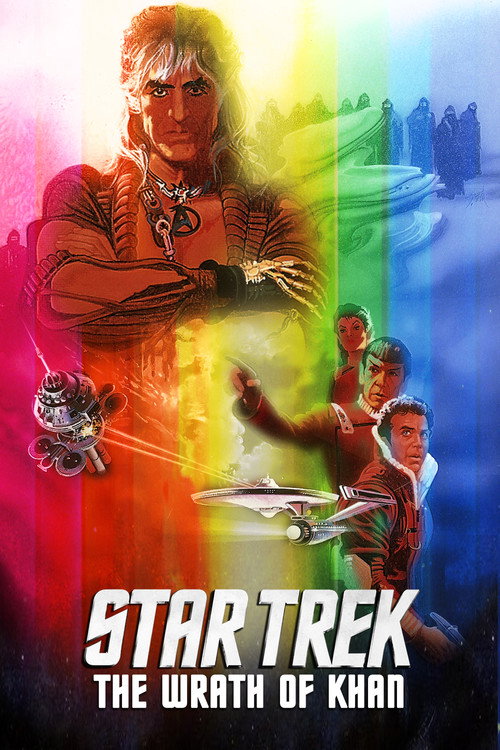
Star Trek II: The Wrath of Khan1982
A blockbuster where something alive writhes under a character's skin and takes control of their body. The practical body-horror is visceral, and the film doesn't wink at it—same DNA as Mystics in Bali's possession sequences.
But It's Star Trek, so if you find that franchise alienating, this won't convert you. The body-horror is actually a subplot, not the main event.
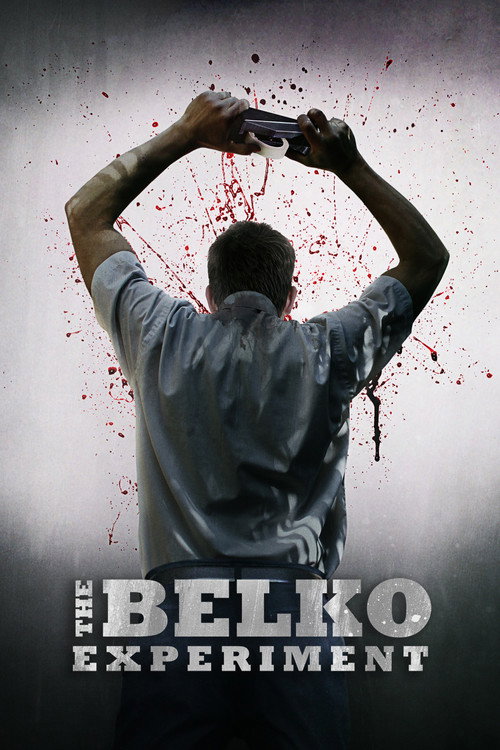
The Belko Experiment2017
Both explore what happens when an external force hijacks human will and forces the body into violence; both treat the possessed as victims rather than villains.
A corporate workplace becomes a killing field when an outside force takes control, forcing employees to murder each other. Like Mystics in Bali, it's interested in how possession strips away civility and unleashes violence, but it's loud, fast, and American rather than intimate and folkloric.
But Heavy on gore and nihilism with little emotional weight. It plays possession as a plot device for splatter rather than exploring its spiritual dimensions, which can feel shallow.
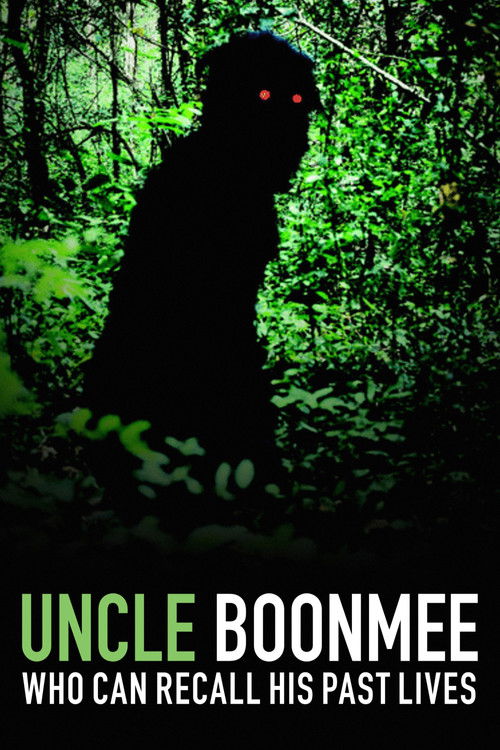
Uncle Boonmee Who Can Recall His Past Lives2010
Both emerge from Southeast Asian worldviews where the supernatural isn't a genre—it's reality; both films trust the audience to accept ghosts and spirits without explanation or Western rationalization.
A Cambodian ghost film where the dead simply appear and sit with the living—no horror, just acceptance. It's about spirits and past lives, shot in real locations with patient long takes. Mystics in Bali and Boonmee both come from Southeast Asian cultures where the supernatural is woven into daily life, not a rupture in it.
But Extremely slow, plotless, and meditative. It's a film about presence and acceptance, not conflict or excitement. Many will find it boring.
People
Cast
 Ilona Agathe BastianCatherine 'Cathy' Kean
- Yos SantoMahendra
 Sofia W.D.Old Leák Queen
 Debbie Cynthia DewiYoung Leák Queen
 W.D. MochtarMachesse

Directing
- Jimmy AtmajaAssistant Director
- Dede GunawanContinuity
- H. Tjut DjalilDirector
Writing
- Putra Mada Novel
- Jimmy AtmajaWriter
Production
- EdyantoAssistant Unit Manager
- Guntar IndrayanaAssistant Unit Manager
- Richard LawalataAssistant Unit Manager
- Sukma WijayaAssistant Unit Manager
- Harry SusantoExecutive Producer
- Yan SenjayaExecutive Producer
- Abdul Muis SofianProducer
- Hendry KatiliProducer
- Sri GunawanProducer
- SoendoroProduction Manager
- Sahari PriadiUnit Manager