
Film
Let's Scare Jessica to Death
A 1971 haunted-house film that uses psychological horror to blur the line between mental illness and supernatural terror. Jessica returns from a breakdown to a creepy country home where nothing feels quite safe—not the house, not her husband, not her own mind. It's genuinely unsettling, atmospheric, and plays on disorientation rather than jump scares. For viewers who appreciate slow-burn dread and ambiguity.
Should you watch it?
Watch it if you like slow-burn psychological horror where the unease lives in a character's shaky head more than in jump scares, and you enjoy wondering whether the menace is real.
Skip it if you need a clear plot engine or a brisk pace, since this drifts through dreamlike stretches and leaves a lot unexplained on purpose.
What it asks of you: Brief at 89 minutes, it moves slowly and lingers in its disorienting moods rather than explaining itself, so settle in and let the ambiguity sit with you.
Not sure? Find tonight's pick in a minute.
If you liked this
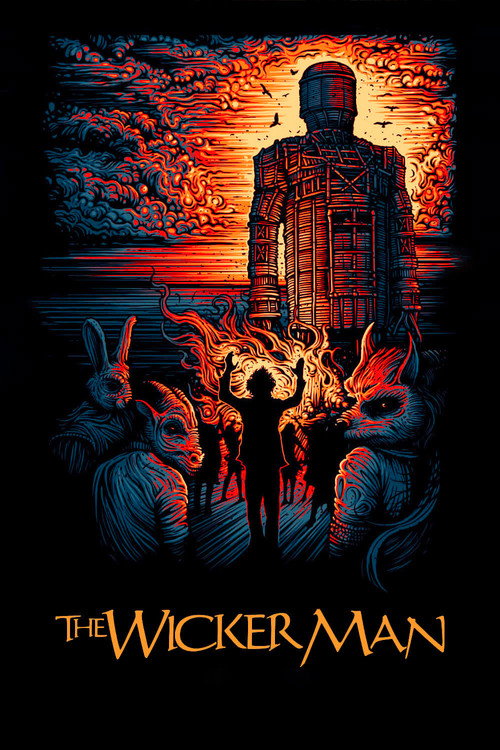
The Wicker Man1973
A masterclass in creeping unease set in a tight, isolated community where reality bends in disturbing ways. Like Jessica, it trusts the audience to feel dread without loud supernatural histrionics.
But The pacing is deliberate to the point of glacial, and if folk music and ritualistic scenes bore you, you'll feel every minute.
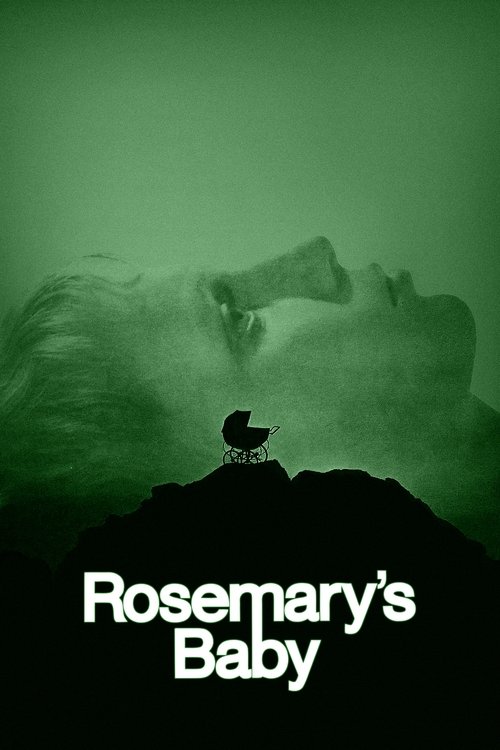
Rosemary's Baby1968
Both films weaponize paranoia and question whether the protagonist's fear is justified or symptomatic. Polanski's classic is the gold standard for 'is she losing her mind or is the world actually hostile?'
But It's a slow psychological build. There's no action, no gore, just mounting dread—some people find that tedious.
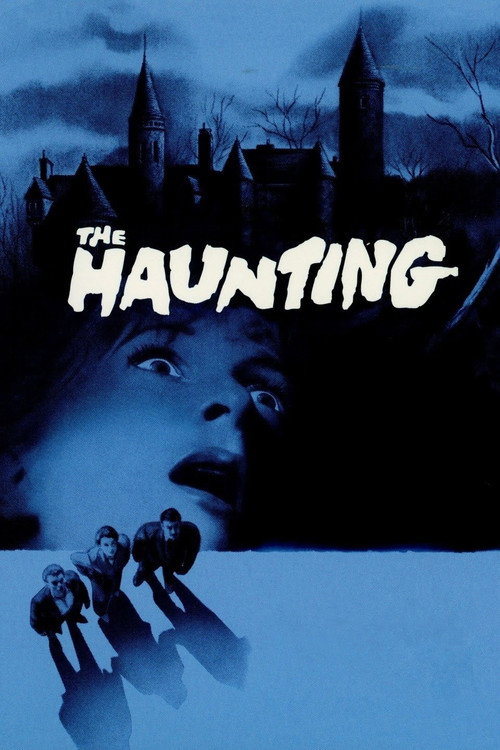
The Haunting1963
Robert Wise's adaptation treats the house as a character that preys on psychological vulnerability. Like Jessica, it suggests the horror might be internal, making it impossible to know where the real danger lies.
But Black-and-white '60s cinematography and theatrical acting styles feel dated. The scares are subtle to the point of invisibility for modern audiences.
Not sure tonight? Get a pick in a minute, starting from Let's Scare Jessica to Death
The wildcard
Something you would not have found on your own.
Come and See1985
Both use horror as a language for mental fragmentation. In Jessica, the house is haunted; in Come and See, the countryside is. Same grammar, utterly different vocabulary.
A Ukrainian war film that uses the same technique as Jessica: reality becomes increasingly surreal and nightmarish through the protagonist's perception. Unbearably intense, but structurally brilliant about how trauma distorts the world.
But This is not entertainment—it's brutal depiction of war crimes and child suffering. Watching it feels like an ordeal, not a pleasure.

More like this (7)
Mulholland Drive2001
Both are about fractured identity and mistaking reality. Lynchian atmosphere meets genuine heartbreak; if you want unsettling ambiguity that stays with you for days, this delivers.
But It's a puzzle box that refuses to explain itself. You'll need to think about it or watch it twice, which infuriates some people.

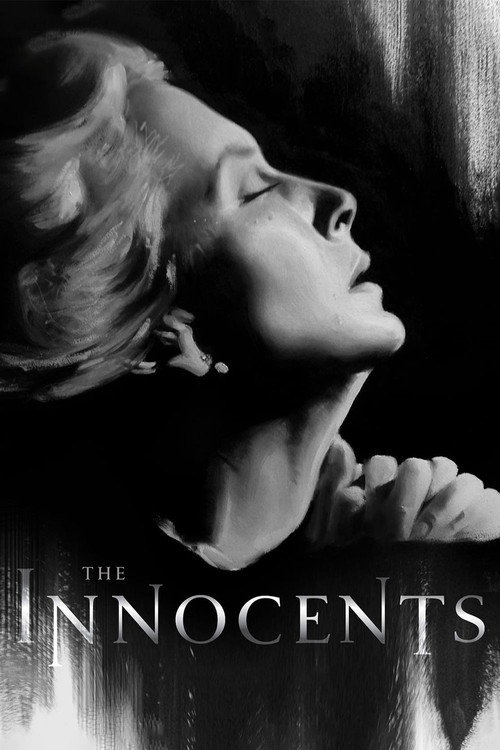
The Innocents1961
A governess in a haunted manor slowly unravels—or does she? Like Jessica, it's about a woman's fragile grip on reality and whether the supernatural is real or projected from her own fractures.
But Very slow, very repressed, very British. If you need explicit horror or modern pacing, you won't connect.
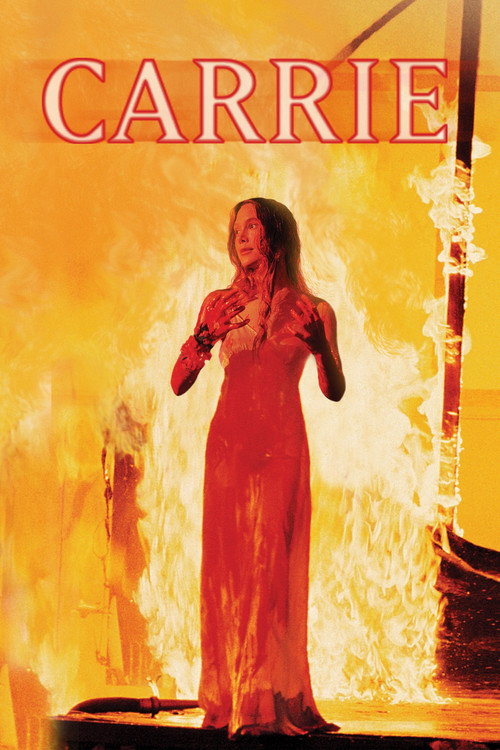
Carrie1976
De Palma's visceral take on a teenage girl at the mercy of forces beyond her control—social and supernatural. A different tone from Jessica but the same question: how much of the horror comes from inside?
But It's far more violent and pulpy than Jessica. If you're drawn to ambiguity, this film gives you answers in blood.
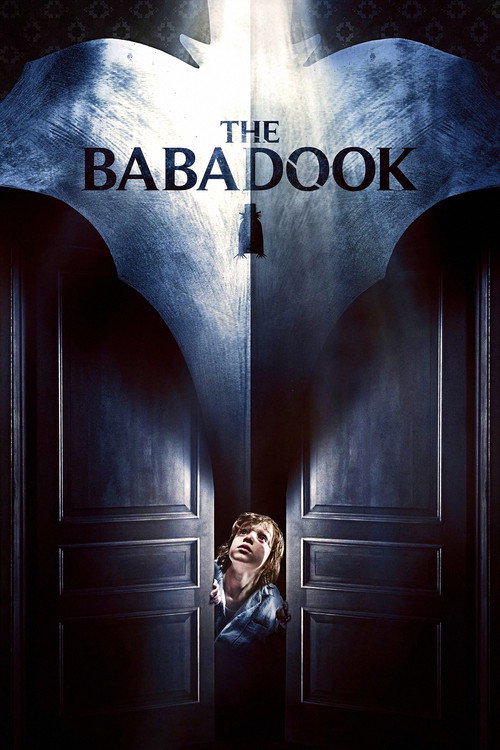
The Babadook2014
Australian horror that uses a haunted-house framework to explore grief and mental breakdown. It has Jessica's unease but with modern production and a clearer emotional core.
But The creature design is genuinely silly if you look at it too closely. Some people bounce off the psychological metaphor entirely.
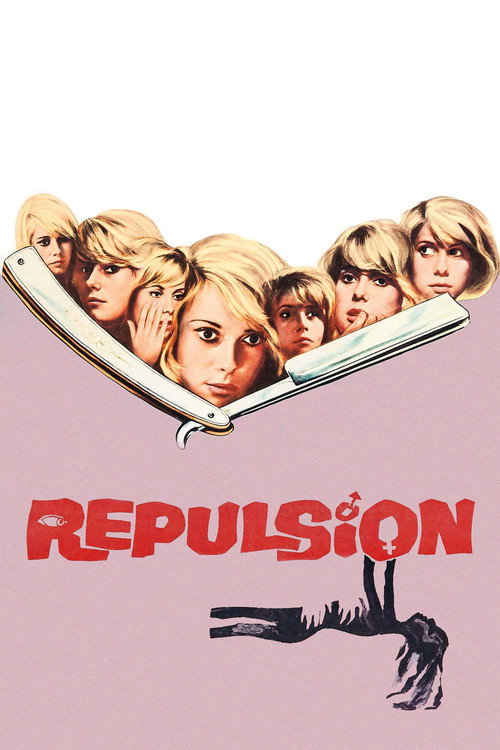
Repulsion1965
Roman Polanski's descent into a woman's psychotic break, shot in disorienting black-and-white. The interior horror mirrors Jessica's fractured perception perfectly.
But It's graphic about sexual trauma and deeply unpleasant. Even for horror fans, it can feel exploitative.
The Seventh Seal1957
Both films trap their protagonists in spaces—physical or psychological—where safety is an illusion. The house in Jessica, medieval Sweden in Bergman; same claustrophobia, different centuries.
Bergman's existential nightmare where death walks among ordinary people and faith offers no comfort. Medieval and formally structured, but shares Jessica's sense of inevitable dread and the impossibility of escape.
But It's a philosophical meditation, not a thriller. If you want plot momentum or answers, you'll be frustrated. Also in Swedish with subtitles.

Synecdoche, New York2008
Both are about unstable narrators who can't distinguish between psychological states and external reality. Jessica's uncertainty is intimate and contained; Kaufman's is cosmic and recursive. Same core anxiety in different amplitudes.
Kaufman's deranged masterpiece about reality fracturing into art and art becoming reality. It has Jessica's paranoia and ambiguity, but as a maximalist philosophical comedy-tragedy instead of a haunted-house film.
But It's deliberately frustrating and nearly three hours long. The narrative sprawl alienates as many people as it fascinates, and some find it pretentious.

People
Cast
 Zohra LampertJessica
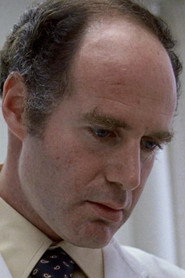 Barton HeymanDuncan
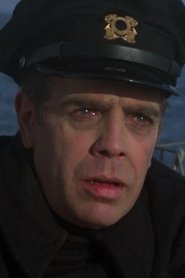 Kevin O'ConnorWoody
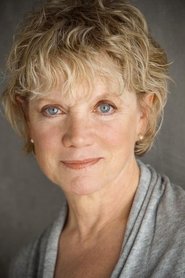 Gretchen CorbettThe Girl
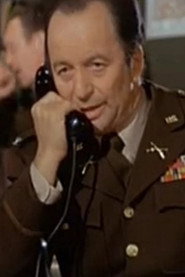 Alan MansonSam Dorker
 Mariclare CostelloEmily
Directing
- Randa HainesContinuity
- John D. HancockDirector
Writing
- John D. HancockAuthor
- Lee KalcheimAuthor
Production
- Bill BadalatoProducer
- Charles B. Moss Jr.Producer
Recommended by
Salem's Lot, I Walked with a Zombie, The Vigil, The Monkey's Paw, The Conjuring 2, "MANOS" The Hands of Fate, Terrified, The Serpent and the Rainbow, The Lure, Hellraiser, From Dusk Till Dawn, Blacula, To the Devil a Daughter, Cronos, Blood for Dracula, Sugar Hill, In Search of Darkness, The Little Girl Who Lives Down the Lane, Symptoms, The Nun, Disturbing Behavior, The Prowler, The Beast Must Die, Happy Birthday to Me, The Slayer, Alice, Sweet Alice, Bloody Birthday, Friday the 13th Part III, Shock Waves, The Woman in Black, Dead of Night, The Kiss of the Vampire, The Fearless Vampire Killers, Leonor, Macabre, Equinox, Pumpkinhead, The Deeper You Dig, Mystics in Bali, Thirst, Full Circle, Night of the Dark Full Moon, Who Can Kill a Child?, Robin Redbreast, The Blood Beast Terror, Taste the Blood of Dracula, Lemora: A Child's Tale of the Supernatural, Pyewacket, House of Voices, Hands of the Ripper, Dead Souls, A Reflection of Fear, The Possession of Joel Delaney, Alucarda, The Satanic Rites of Dracula, Scars of Dracula, The Uninvited, Night of the Eagle, Purana Mandir, Island of the Fishmen, The Creeping Flesh, Venom, The Black Cat, The Boy Who Cried Werewolf, The Naked Witch, The Killer Wore Gloves, Torso, Lake of Dracula, Vampire Circus, Amer, The Woods, Blackwood, The Devil's Men, Ghost Story, My Bloody Valentine, The House by the Cemetery, Tombs of the Blind Dead, After School Massacre, Scream Blacula Scream, Haunts of the Very Rich, Fiend, Veerana, Lady in White, Tomb of Torture