
Film
Lake of Dracula
A 1971 Japanese vampire horror film where a childhood nightmare becomes terrifyingly real when an empty coffin appears eighteen years later. Atmospheric and eerie, building dread through mood and mystery rather than gore. For fans of psychological horror and international genre cinema who appreciate slow-burn tension and the particular strangeness of non-Western horror traditions.
If you liked this
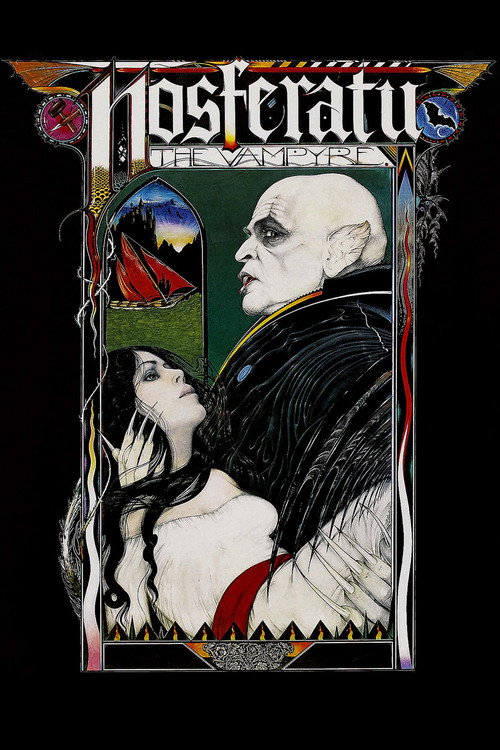
Nosferatu the Vampyre1979
Werner Herzog's hypnotic remake transforms the vampire myth into something deeply unsettling and philosophical. Slow, gorgeous, and genuinely unnerving in ways that feel more like fever dream than jump-scare.
But It moves at a glacial pace and trusts the audience to find dread in atmosphere rather than action. If you need plot momentum, you'll find it frustratingly deliberate.
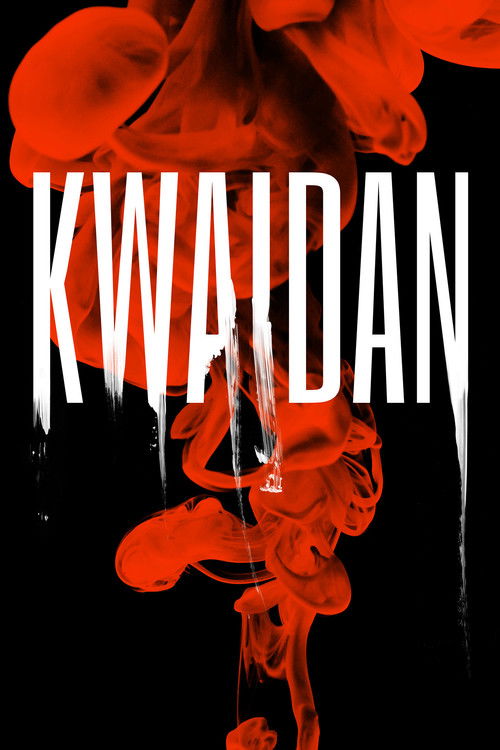
Kwaidan1965
Masaki Kobayashi's masterpiece about Japanese ghost stories shares Lake of Dracula's commitment to mood over spectacle. Visually stunning and deeply unsettling, exploring how fear lives in suggestion and silence.
But It's an anthology of four stories, none of which follow conventional narrative arcs. Some segments are quieter than others, which can feel slow if you're expecting traditional horror structure.
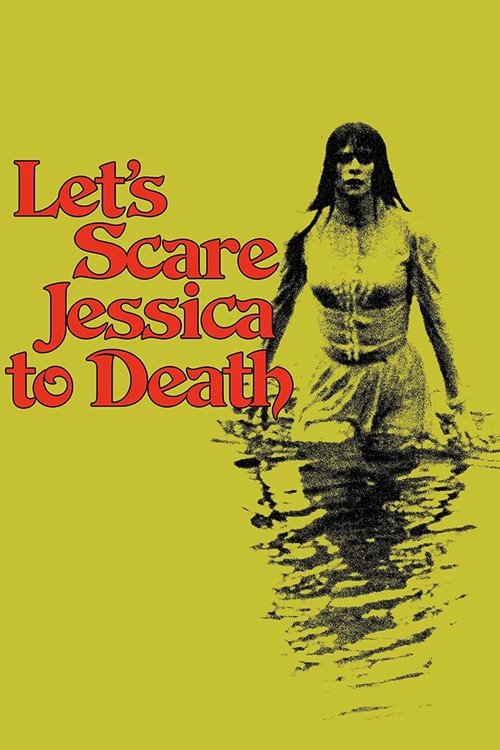
Let's Scare Jessica to Death1971
Released the same year, this American indie creates paranoia and dread through unreliable perspective and creeping wrongness. Gorgeously shot, genuinely disorienting, with a vampire that's more concept than creature.
But The low budget shows, and modern viewers might find the pacing experimental rather than thrilling. It requires patience and rewards attention in equal measure.
Not sure tonight? Get a pick in a minute, starting from Lake of Dracula
The wildcard
Something you would not have found on your own.
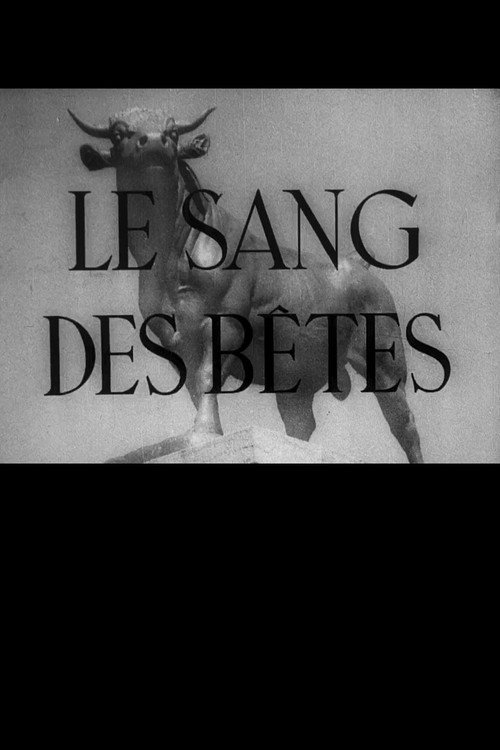
Blood of the Beasts1949
Both films understand that true horror comes from what you cannot unsee. Lake of Dracula haunts through suggestion; Blood of the Beasts haunts through reality. Together they map the spectrum of how cinema creates dread.
Georges Franju's unflinching documentary about a Parisian slaughterhouse is horrifying in ways no fictional vampire film can match. It asks what real horror actually looks like, making Lake of Dracula's supernatural dread seem quaint by comparison.
But It's a genuine documentary of animal slaughter, graphic and unflinching. If you're vegetarian or squeamish about real violence, this will genuinely disturb you—not as entertainment but as witness.
More like this (8)
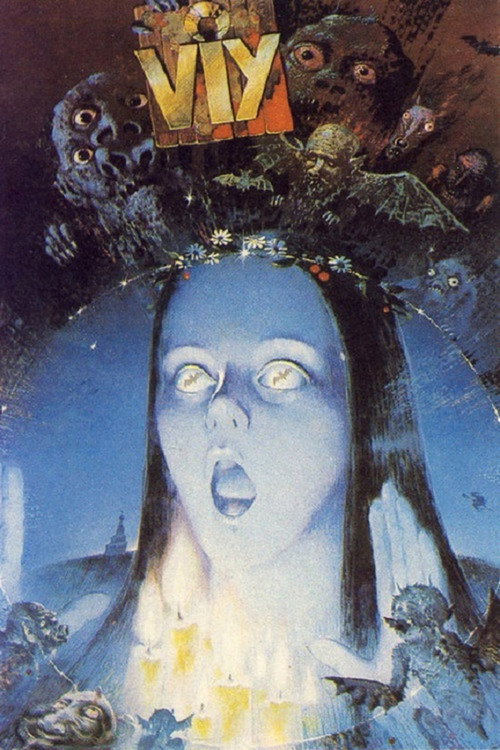
Viy1967
A Soviet adaptation of Gogol that explores the same territory—supernatural terror arising from the past, building toward genuine cosmic horror. Visually inventive and deeply strange, with practical effects that remain unsettling.
But It's rooted in Russian folklore and a very different cinematic tradition. The pacing is elliptical and some scenes verge on the absurd, which can break the mood.
The Wailing2016
Na Hong-jin's masterwork uses mystery and atmosphere to create mounting dread. Like Lake of Dracula, it withholds information and lets uncertainty do the real damage. Morally complex and visually ravishing.
But It's nearly three hours long and deliberately obscure about what's really happening. Some will find it frustratingly ambiguous; others will spend weeks arguing about the ending.

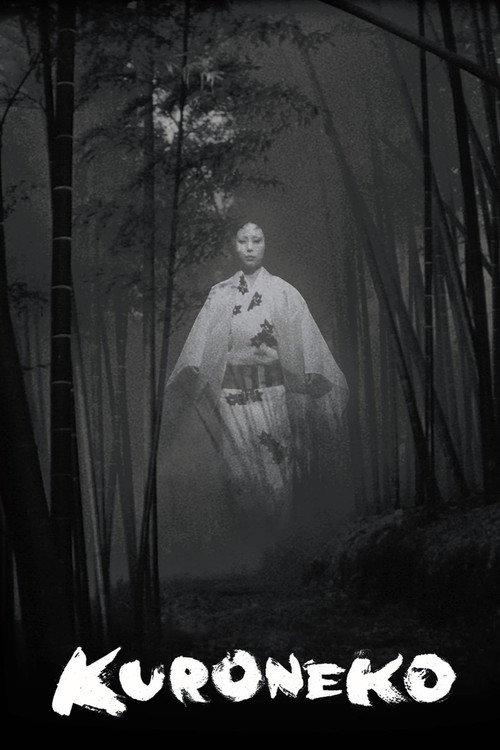
Kuroneko1968
Kaneto Shindô's haunting Japanese film about vengeful spirits has the same elegant fatalism and supernatural logic as Lake of Dracula. Black and white cinematography that's absolutely mesmerizing.
But It's a ghost story rather than a vampire tale, and some viewers find its pacing meditative to the point of glacial. The narrative doesn't move the way Western horror expects.
Suspiria1977
Dario Argento's giallo masterpiece shares an obsession with atmosphere and visual language creating dread. Gorgeous, brutal, with a witch coven replacing the vampire—same idea, different execution.
But It's intentionally artificial and stylized, with logic that's more fairy tale than realistic. The synth score and bright colours can read as campy rather than scary if you're not on its wavelength.

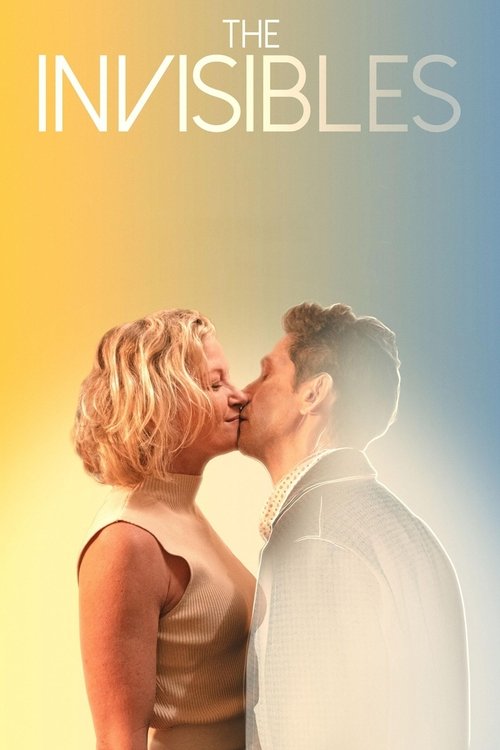
The Invisibles2024
A recent Japanese supernatural series that builds dread from the accumulation of small wrongnesses and character-driven mystery. Genuinely eerie, with the same patience for atmosphere that Lake of Dracula employs.
But It's a series rather than a film, and the episodic structure means some chapters land better than others. The pace is deliberate enough that it demands your full attention.
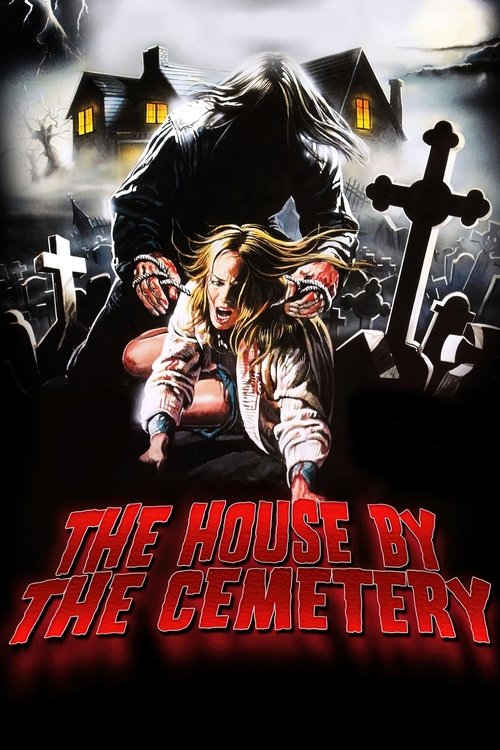
The House by the Cemetery1981
Lucio Fulci's Italian horror film explores a similar premise—a family haunted by something ancient and vampiric living beneath their home. Gorgeously shot in saturated colour, with a genuinely eerie atmosphere.
But It's a giallo-adjacent creature feature with plot logic that often doesn't survive scrutiny. If coherent storytelling matters more to you than mood, this will frustrate you.
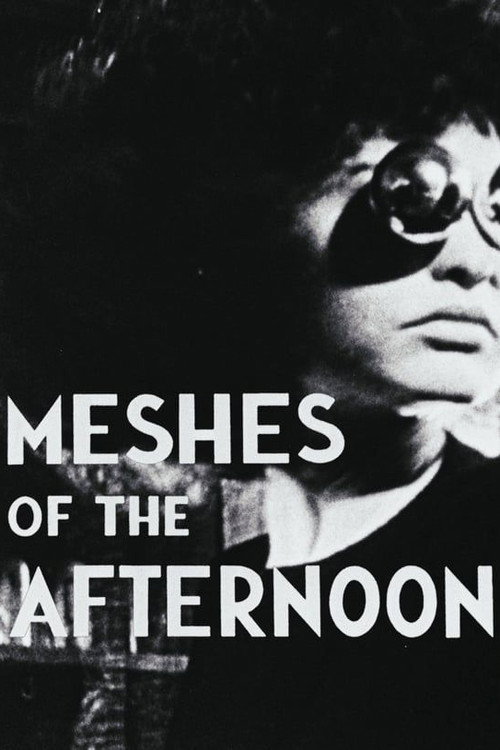
Meshes of the Afternoon1943
Both films trust the language of nightmare more than explanation. Where Lake of Dracula uses horror genre to achieve dreamlike coherence, Meshes of the Afternoon uses pure image. Both understand that true fear operates in the logic of sleep.
Maya Deren's experimental avant-garde short is a nightmare logic made visual—a woman caught in repeating loops of uncanny wrongness. It has Lake of Dracula's dreamlike inevitability but strips away plot entirely, pure mood and symbol.
But It's 14 minutes of experimental cinema with no dialogue and structure that's purely associative. If you need narrative or character, you'll find it baffling rather than fascinating.
The Ballad of Little Jo1993
Both films use genre conventions to explore how the past literally lives inside the present, inescapable. Lake of Dracula's vampire prophecy and Little Jo's secret identity are structurally identical—a truth that cannot be outrun, no matter how far you travel in time or space.
Maggie Greenwald's revisionist Western about a woman passing as a man in the 1860s sounds nothing like vampire horror, but it shares Lake of Dracula's obsession with identity corrupted by the past. Strange, handsome, and structurally more akin to gothic tragedy than Western.
But It's a slow character study disguised as a Western, with virtually no plot momentum. Modern audiences expecting genre excitement will find it contemplative to the point of stasis.

People
Cast
- Midori FujitaAkiko Kashiwagi
 Choei TakahashiDr. Takashi Saeki
- Sanae EmiNatsuko Kashiwagi
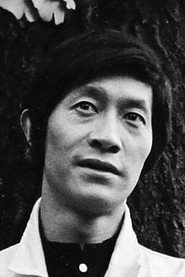 Shin KishidaThe Vampire
 Kaku TakashinaKyûsaku
- Tatsuo MatsushitaProfessor
- Yasuzō OgawaAngler A
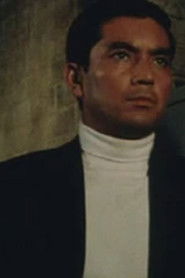 Wataru ŌmaeAngler B
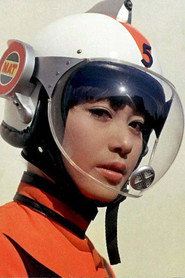 Mika KatsuragiPatient
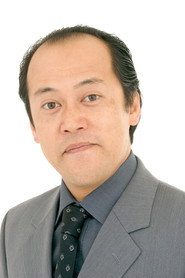 Tadao FutamiThe Truck Driver
- Fusako TachibanaThe Dead Body in Front of Piano
- Setsuko KawaguchiNurse Kondô
Directing
- Michio YamamotoDirector
- Yoshisuke KawasakiFirst Assistant Director
Writing
- Ei OgawaScreenplay
- Masaru TakesueScreenplay
Production
- Fumio TanakaExecutive Producer
- Toshiaki HashimotoProduction Manager