
Film
Kuroneko
Kuroneko is a black-and-white ghost story from feudal Japan, shot with eerie theatrical stillness and sudden bursts of violence. Cats, spirits, and vengeance move through a country wrecked by civil war, the horror as much about grief and rage as bloodshed. It's for patient viewers who want dread that lingers, formal beauty over jump scares, and don't mind a slow burn.
If you liked this
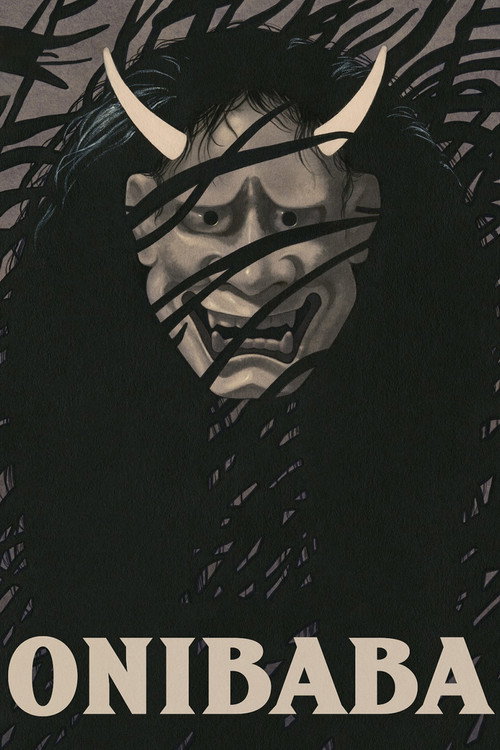
Onibaba1964
Shindo's other masterpiece: the same stark black-and-white terror rooted in wartime desperation, this time built around a demonic mask instead of a vengeful cat spirit.
But Even bleaker and slower, with almost no supernatural payoff until very late in the film.
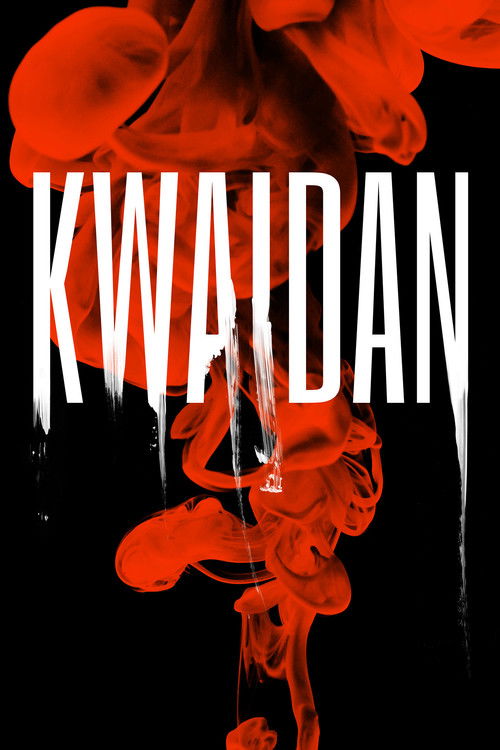
Kwaidan1965
Four sumptuous ghost stories shot on painted soundstages, with the same eerie stillness and folkloric dread as Kuroneko, just bigger and in colour.
But Nearly three hours long, and the anthology structure resets momentum with every new story.
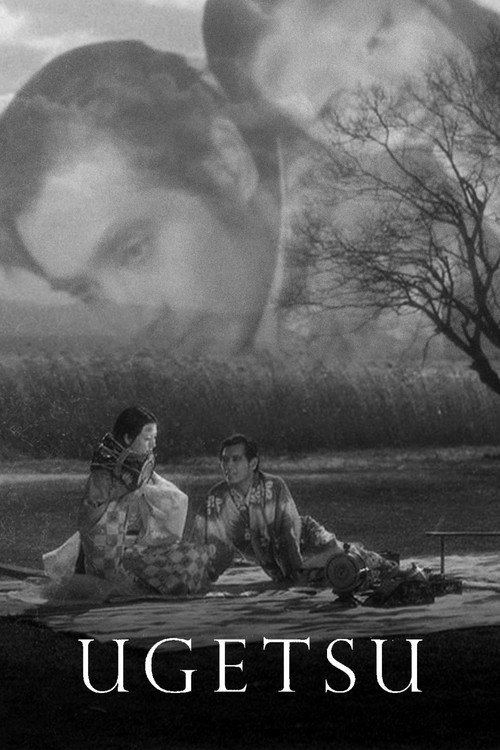
Ugetsu1953
Another feudal Japan ghost story about what war does to women, told by Mizoguchi with the same hushed, mournful elegance.
But Even more restrained than Kuroneko — little horror imagery, mostly tragedy and longing.
The wildcard
Something you would not have found on your own.
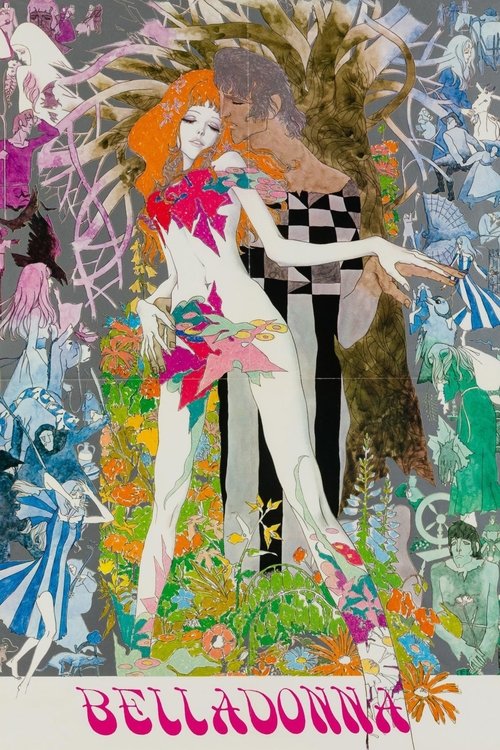
Belladonna of Sadness1973
Same year-adjacent Japanese cinema wrestling with sexual violence turning into supernatural revenge, but told through psychedelic animation instead of Kuroneko's stark theatrical realism.
A hallucinatory, watercolour-painted animated film about a woman violated and reborn as something monstrous and vengeful — gorgeous, disturbing, unlike anything else from the era.
But Explicit imagery and a druggy, non-narrative style will alienate anyone expecting a conventional story.
More like this (8)
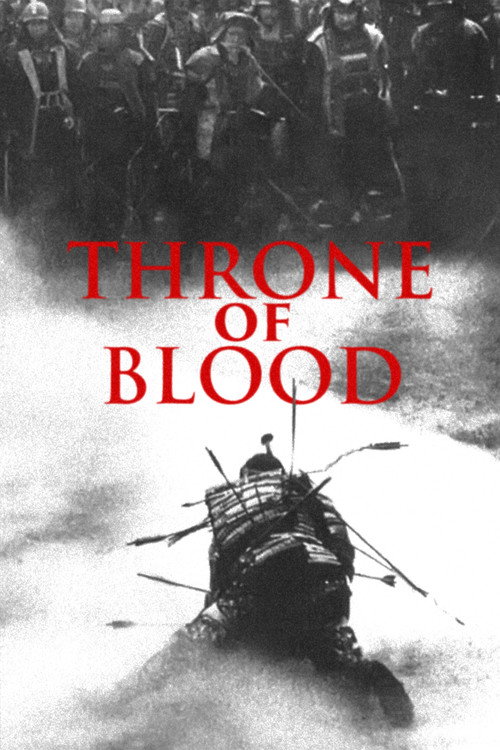
Throne of Blood1957
Kurosawa's samurai Macbeth trades cats for witches but shares the same fog-drenched, ghost-haunted dread of feudal Japan collapsing into ruin.
But Shakespearean tragedy on an epic scale, not the intimate, quiet horror Kuroneko traffics in.
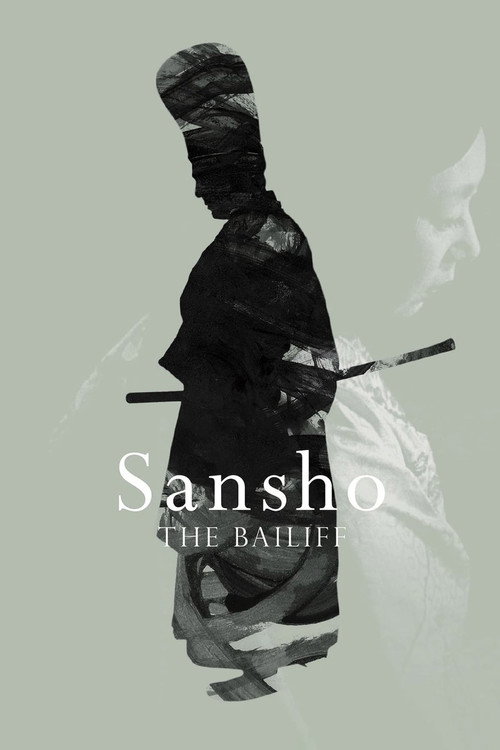
Sansho the Bailiff1954
Another Mizoguchi study of feudal cruelty and suffering women — devastating rather than eerie, from the same lineage of period tragedy.
But No supernatural element at all; this is pure heartbreak, not horror.
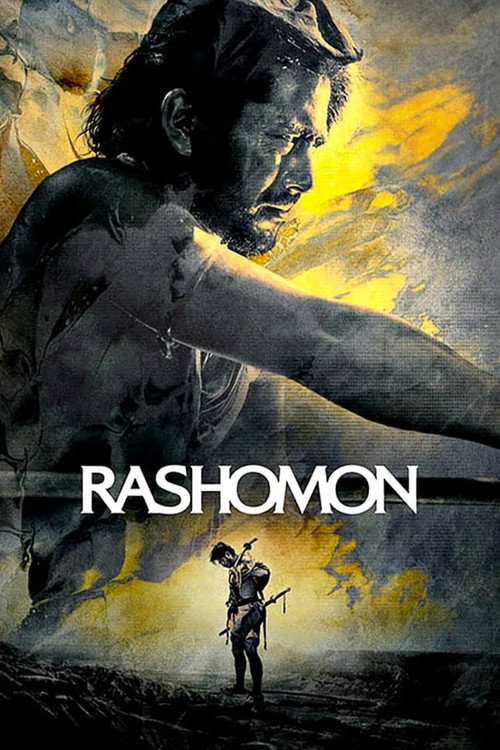
Rashomon1950
Same feudal setting and interest in violence's aftermath, told through Kurosawa's early genius for unreliable, fractured truth.
But It's a courtroom mystery, not a ghost story — tonally quite far from Kuroneko.
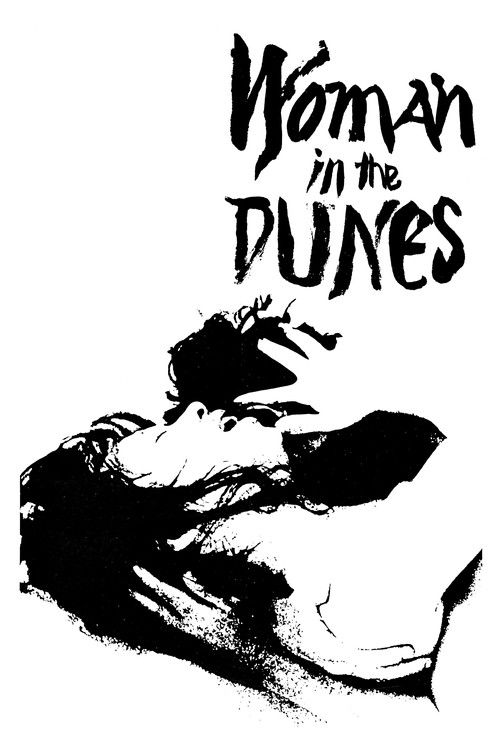
Woman in the Dunes1964
Same era of Japanese New Wave dread — claustrophobic, hypnotic, trading literal ghosts for existential horror.
But No supernatural element; the horror here is psychological and very slow-burn.
Ghost Story of Yotsuya1959no page yet
A classic kabuki-rooted kaidan with a vengeful spirit, drawing from the same folkloric well of Japanese ghost horror.
But Harder to track down, and more theatrical and melodramatic in style than Kuroneko.
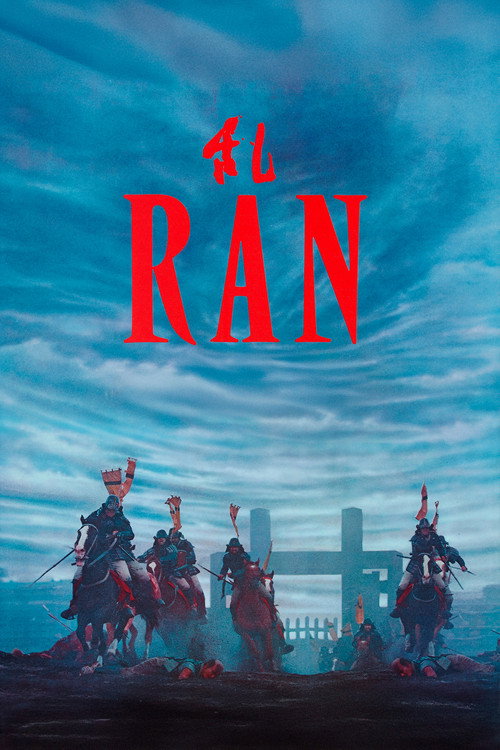
Ran1985
Late Kurosawa at his most operatic — feudal war, a family curse, and gorgeous colour cinematography on an epic scale.
But Much longer and grander than Kuroneko, and not horror in any real sense — pure historical tragedy.
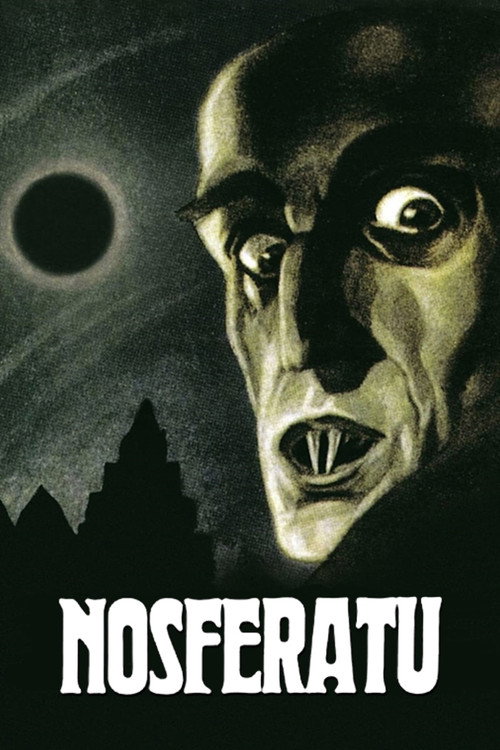
Nosferatu1922
Nearly fifty years earlier, the same folkloric idea of the undead haunting isolated roads and preying on the unwary, told with comparable restraint and shadow-play.
The silent original: a predatory undead figure stalking travelers on lonely roads, all shadow and dread, decades before Kuroneko's ghosts.
But Silent, scratchy, and nearly a century old — patience for the format is required.
Day of the Woman1978no page yet
The same engine as Kuroneko — a woman violated who returns as vengeance itself — stripped of ritual and beauty and played as raw, ugly exploitation cinema.
A brutal rape-revenge exploitation film where the wronged woman returns as an implacable, remorseless hunter of her attackers.
But Genuinely grim, cheaply made, and far more exploitative and graphic than anything in Kuroneko.
People
Cast
 Kichiemon Nakamura IIGintoki
 Nobuko OtowaYone
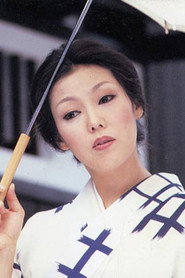 Kiwako TaichiShige
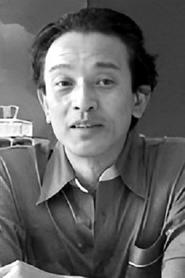 Kei SatōRaiko
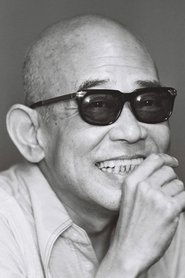 Taiji TonoyamaFarmer
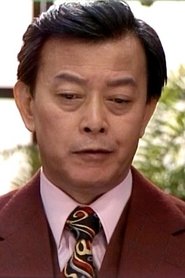 Rokkō TouraSamurai
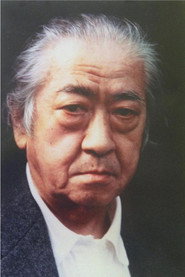 Hideo KanzeMikado
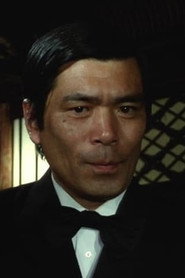 Eimei EsumiSubordinate
- Shōji ŌkiSubordinate
- Kentarô KajiSubordinate
- Joji TakiSubordinate
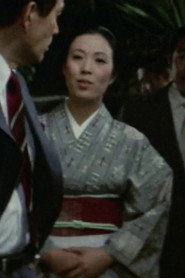 Chiyo OkadaNehiko
Directing
- Kaneto ShindōDirector
Writing
- Kaneto ShindōScreenplay
Production
- Kazuo KuwaharaProducer
- Nobuyo HoribaProducer
- Setsuo NotoProducer