
Film
Ghost Story of Yotsuya
A 1959 Japanese horror film adapting a classic kaidan legend about a man who murders his wife for money and must face supernatural retribution. Gorgeously shot in black-and-white, it's a ghost story with genuine dread and the weight of moral consequence. Essential viewing for anyone serious about horror cinema or Japanese film history.
If you liked this
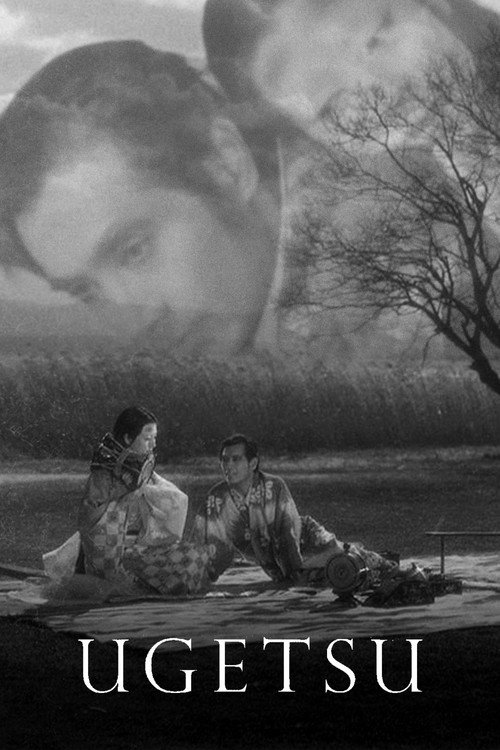
Ugetsu1953
Mizoguchi's masterpiece about greed and ghostly punishment, equally beautiful and haunting. A touchstone of Japanese cinema that shares the same spiritual DNA as Yotsuya but with even greater formal ambition.
But It moves slowly and demands patience. The pacing is deliberate, almost meditative—not what modern horror audiences expect from the genre.
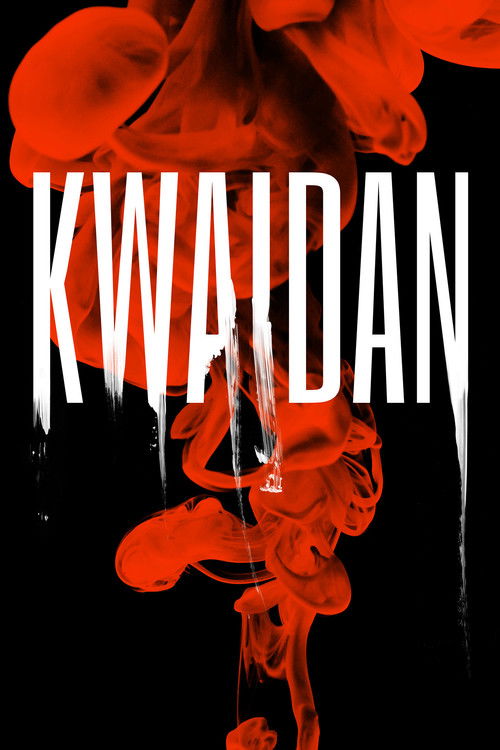
Kwaidan1965
Masaki Kobayashi's four-part kaidan anthology, visually stunning and deeply unsettling. If Yotsuya captivates you, this is the natural next step into Japanese ghost storytelling at its most refined.
But At nearly three hours and told without gore or jump scares, it relies entirely on atmosphere and inevitability. Some will find it distant.
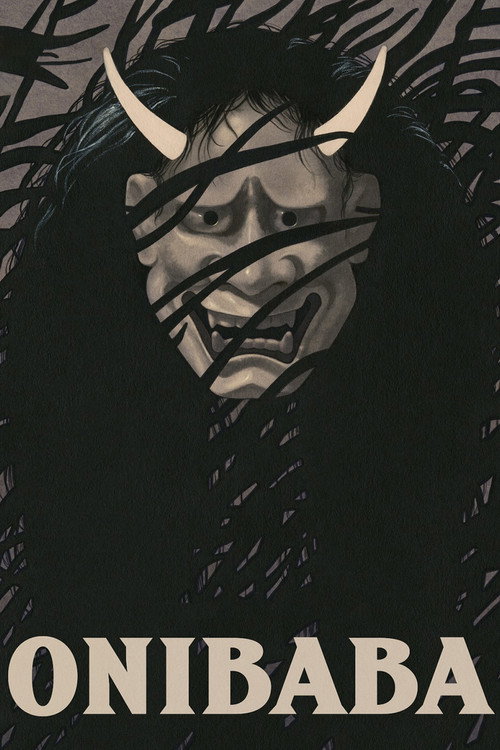
Onibaba1964
A visceral, darker tale of survival and desire set in a war-torn landscape. Japanese horror that's grittier and more primal than Yotsuya, with stunning compositions and genuine dread.
But It's brutal and sexual in ways that may alienate viewers expecting traditional ghost-story conventions. The pacing is relentless rather than meditative.
Not sure tonight? Get a pick in a minute, starting from Ghost Story of Yotsuya
The wildcard
Something you would not have found on your own.
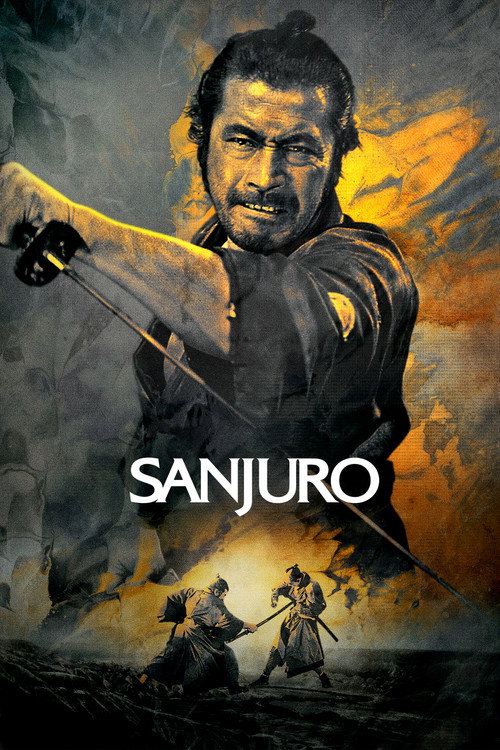
Sanjuro1962
Both are Japanese films of the same era exploring how betrayal and murder fundamentally corrupt a man's soul, dressed in entirely different genre surfaces.
Kurosawa's samurai film shares Yotsuya's preoccupation with the cost of betrayal and the ghosts of past action. One of his most compressed, violent works—moral weight under classical samurai surface.
But It's brief, brutal, and thematically dense. Nothing feels resolved; everything feels stained. Not a comfortable samurai adventure.
More like this (8)
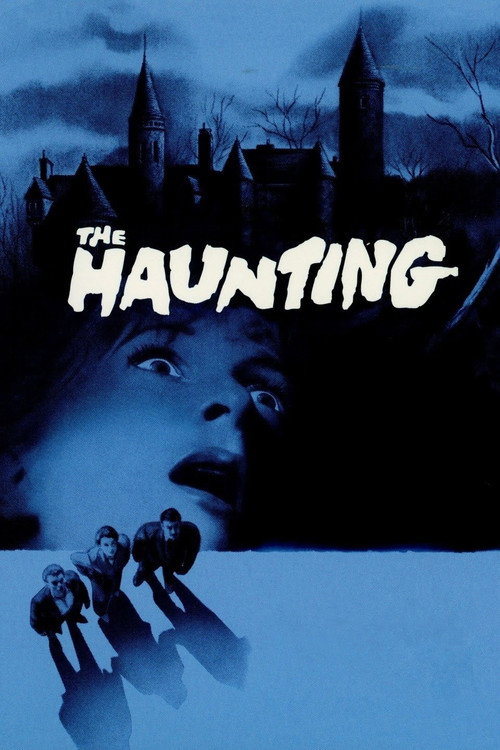
The Haunting1963
Robert Wise's American masterpiece about a house and the damage it does to people's minds. Psychological horror built on suggestion rather than spectacle—the Western equivalent of what Yotsuya achieves.
But Black-and-white and deliberately restrained; it won't satisfy anyone wanting visual thrills or explained supernatural mechanics.
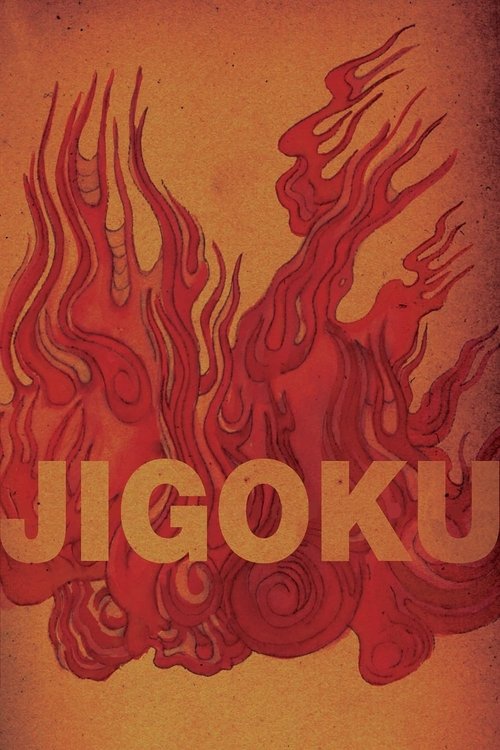
Jigoku1960
Nobuo Nakagawa's shocking descent into literal hell, made the year after Yotsuya. Visually grotesque and morally unsparing—Japanese horror at its most nightmarish and inventive.
But It's genuinely transgressive and deeply uncomfortable. The imagery is designed to sicken, and it does. Not a comfortable viewing experience.
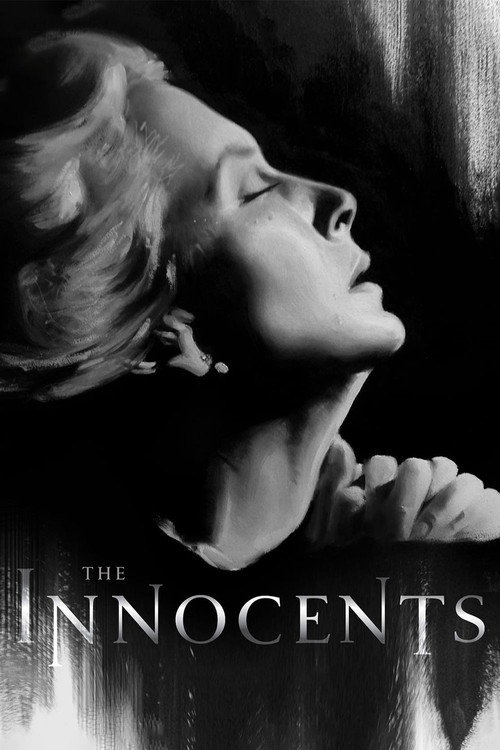
The Innocents1961
Jack Clayton's ambiguous haunting of a governess and children, rich with dread and uncertainty. A Western ghost story that matches Yotsuya's commitment to suggestion over explanation.
But The ambiguity frustrates some viewers—you never know if the haunting is real or psychological. Some want answers rather than questions.
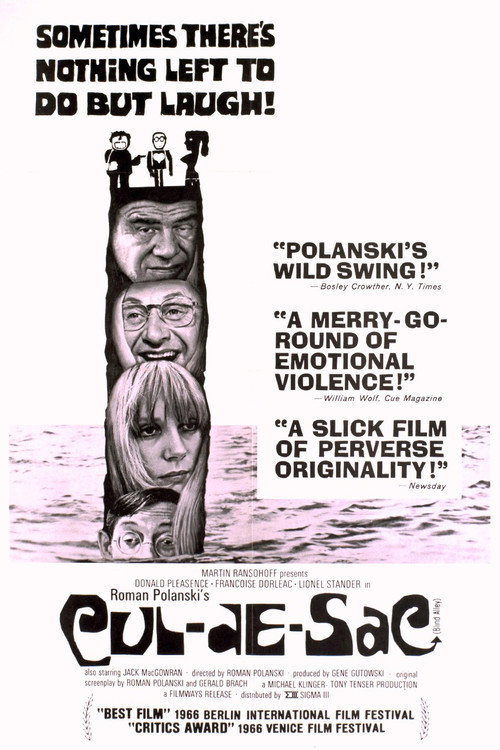
Cul-de-sac1966
Polanski's chamber piece about strangers in a castle where morality erodes. A different genre entirely, but with Yotsuya's interest in how transgression contaminates everything it touches.
But It's a character study, not a horror film, and deliberately strange. The tone is unsettling in ways that have nothing to do with ghosts.
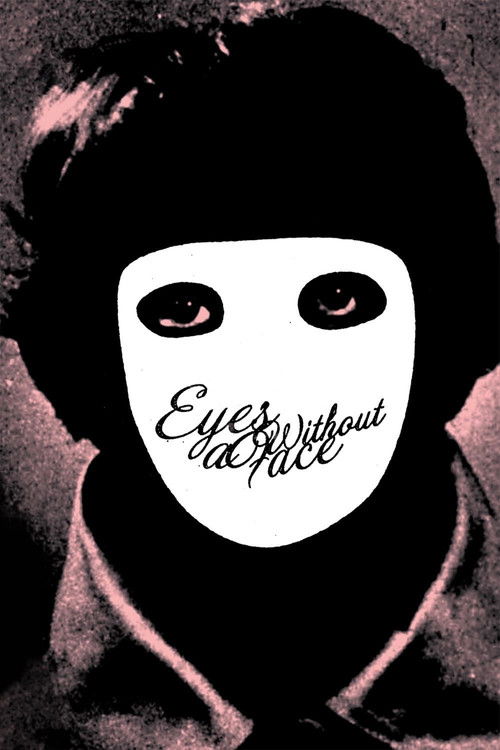
Eyes Without a Face1960
Franju's nightmare of surgical body horror and revenge. Stunning visual composition paired with genuine moral horror—a one-year contemporary of Yotsuya exploring similar themes of conscience and consequence.
But The premise is clinical and disturbing. If you can't stomach medical horror, this will punish you for watching.
The Wailing2016
A modern kaidan-influenced mystery about guilt and ambiguity in a small Korean village. Sprawling and intricate, it shows how the moral weight of the original legends still works on contemporary audiences.
But Nearly three hours, multiple timelines, and an ending that raises more questions than it answers. Demands active engagement rather than passive consumption.

The Leopard1963
Both films use visual beauty as counterpoint to moral degradation—they're about the impossibility of maintaining innocence once you've betrayed someone you loved.
Visconti's sumptuous Italian epic about historical change and personal decay. Like Yotsuya, it's gorgeous to look at while charting the spiritual rot beneath surface beauty. A masterpiece about inheritance, conscience, and time.
But It's 205 minutes of aristocratic ennui. If you expect plot momentum rather than meditative observation, you will be bored.

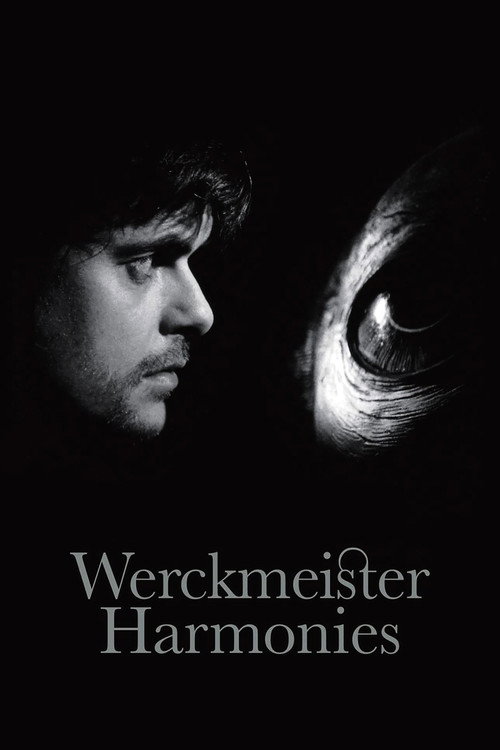
Werckmeister Harmonies2001
Both films believe that wrongdoing creates a spiritual contamination that spreads through a community like a haunting. The supernatural is the inevitable manifestation of broken trust.
Béla Tarr's black-and-white Hungarian apocalypse about a town infected by malevolent presence. Hypnotic, strange, and deeply unsettling. A distant descendant of kaidan logic applied to a contemporary landscape.
But It's 145 minutes with minimal dialogue, long static shots, and no conventional narrative. Only watch if you're willing to surrender to its rhythm entirely.
People
Cast
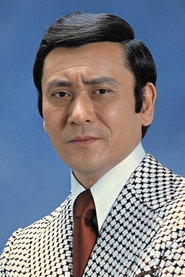 Shigeru AmachiIemon Tamiya
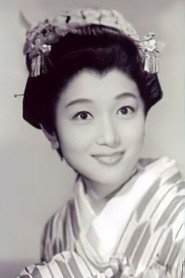 Noriko KitazawaSode
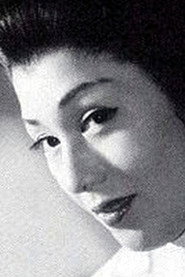
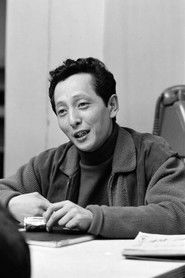 Shuntarō EmiNaosuke
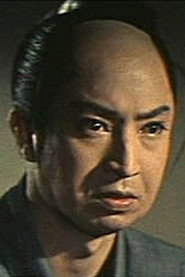 Ryūzaburō NakamuraYomoshichi
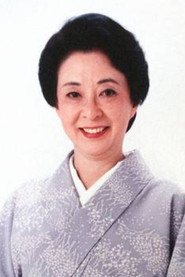 Junko IkeuchiUme Itô
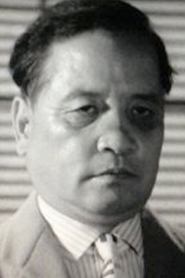 Jun ŌtomoTakuetsu
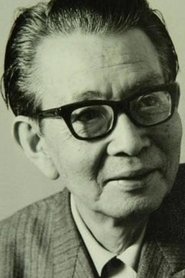 Hiroshi HayashiKiemon Itô
- Shinjirō AsanoSamon
- Arata ShibataHikoemon Satô
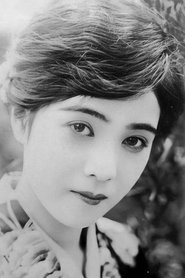 Kikuko HanaokaMaki
- Kan SugiJônen
Directing
- Yoshihiro IshikawaAssistant Director
- Nobuo NakagawaDirector
Writing
- Nanboku TsuruyaOriginal Story
- Masayoshi ÔnukiScreenplay
- Yoshihiro IshikawaScreenplay
Production
- Mitsugi OkuraProducer