
Film
Kwaidan
Kwaidan strings four Japanese ghost stories together inside sets so deliberately artificial they look like moving paintings - a doomed marriage, a snow spirit's mercy, an ear-eating spectre, a haunted teacup. Kobayashi trades jump scares for spectacle, letting colour, silence and studio-bound unreality do the haunting. Three hours, unhurried and gorgeous rather than frightening - horror as art-house ritual for patient eyes.
If you liked this
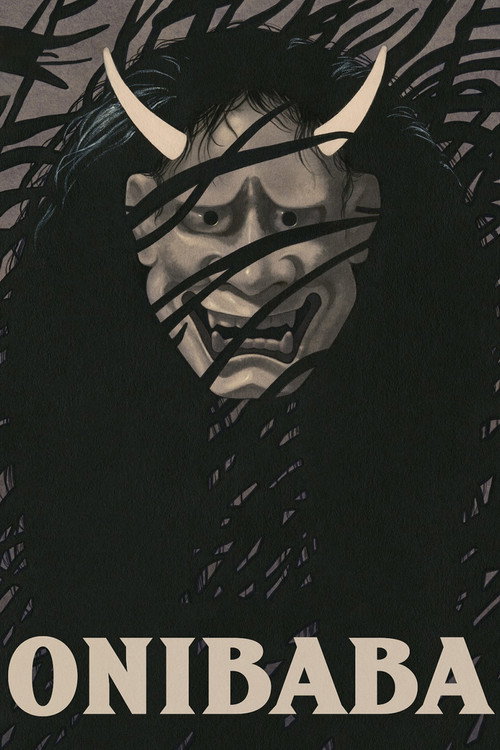
Onibaba1964
Kaneto Shindo's ferocious folk horror shares Kwaidan's roots in Japanese ghost lore but trades painted stillness for feral, sweaty desperation - a masterpiece from the same wave of 1960s Japanese horror.
But Its raw, desert-set intensity and unflinching sexuality are a world away from Kwaidan's cool formality.
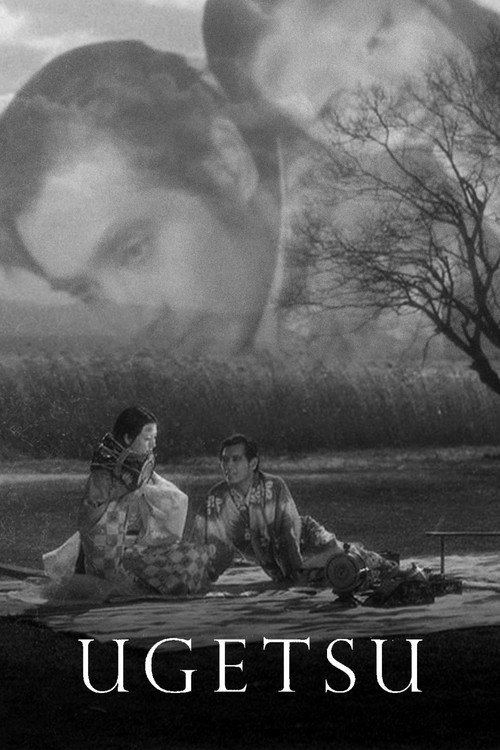
Ugetsu1953
The film that gave Kwaidan permission to be beautiful and sad at once - Mizoguchi's ghost story about desire and consequence, told with the same unhurried, painterly patience.
But Even slower and more melancholic than Kwaidan, with no interest in scares at all.
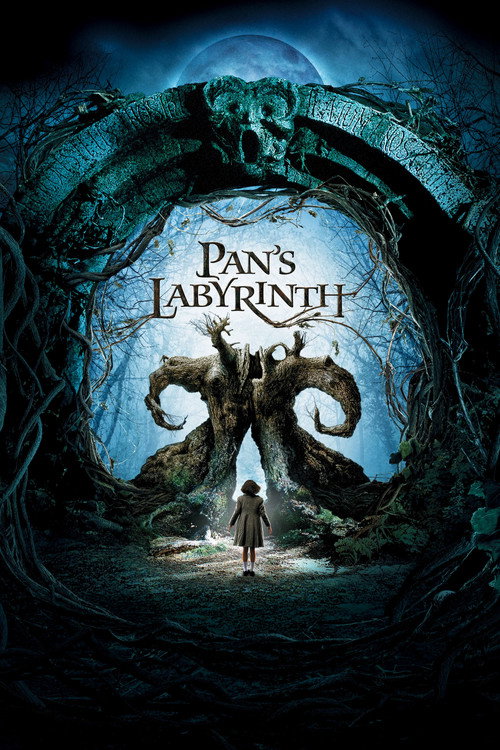
Pan's Labyrinth2006
Del Toro's fairy tale is Kwaidan's spiritual cousin in another country - folklore turned into a formal, painterly nightmare where monsters and history sit uneasily together.
But Its wartime brutality and fascist violence are far more visceral and political than anything in Kwaidan.
The wildcard
Something you would not have found on your own.
Jigoku1960no page yet
Made by a contemporary working the same seam of Japanese ghost-story cinema, it turns Kwaidan's icy restraint inside out into a garish, moralising vision of literal hell.
Nobuo Nakagawa's fever-dream descent into Buddhist hell is Kwaidan's uglier, more literal-minded cousin - lurid colour, moral panic and genuinely disturbing imagery from the same era of Japanese horror.
But It's cruder and more didactic than Kwaidan, with none of Kobayashi's cool artistry - this is horror as sermon, not poem.
More like this (8)
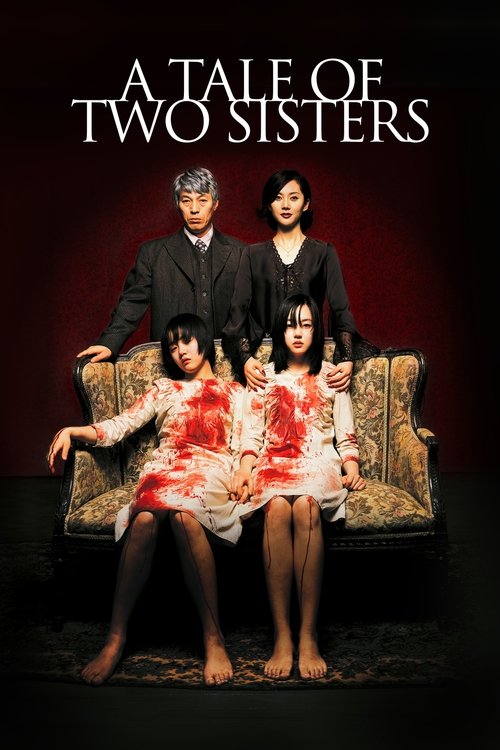
A Tale of Two Sisters2003
A gorgeously composed, slow-building Korean ghost story that treats dread as a matter of colour and framing, much like Kobayashi does - horror as interior design.
But The family melodrama at its centre is thicker and more emotionally tangled than Kwaidan's folk-tale simplicity.
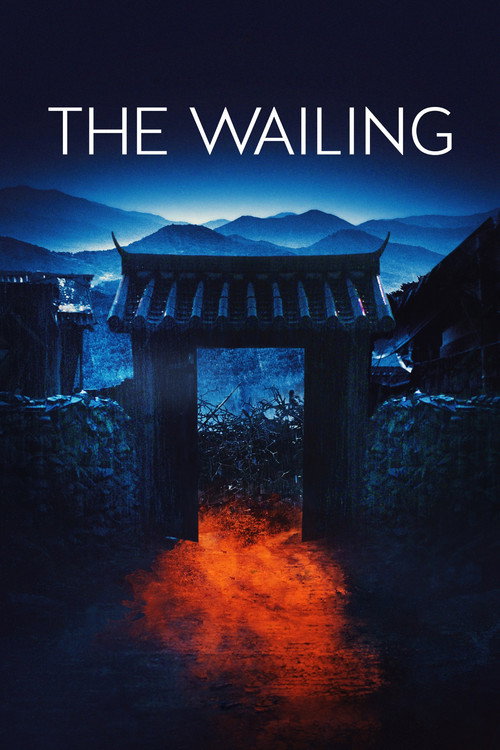
The Wailing2016
A modern folk-horror epic that trusts atmosphere and dread over jump scares, expanding a rural ghost story into something vast and genuinely unsettling.
But At over two and a half hours with tonal swings into dark comedy, it's a very different rhythm to Kwaidan's stillness.
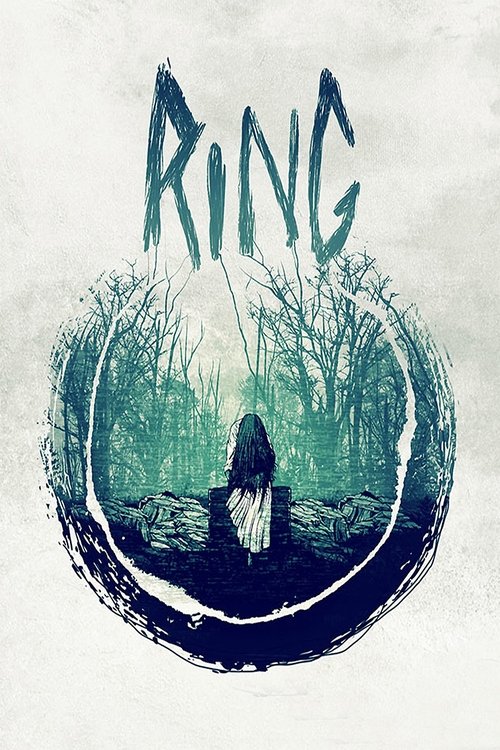
Ring1998
If you want to see where the modern J-horror ghost - pale, silent, unstoppable - actually comes from, this is the ur-text, still genuinely creepy decades later.
But Its cursed-videotape plot and grainy '90s texture feel much more pulpy than Kwaidan's folkloric grandeur.
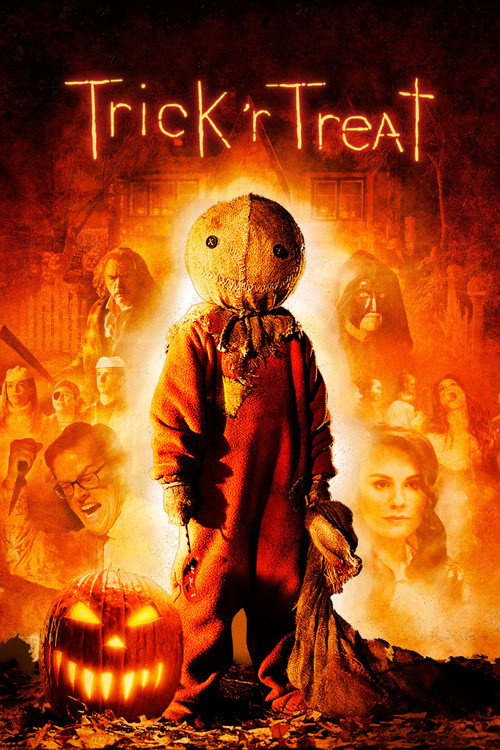
Trick 'r Treat2007
A cheerfully wicked American anthology that shows how the same structure - separate ghost stories folding into one shared world - can work as pure Halloween fun.
But It's fast, jokey and gory where Kwaidan is stately and restrained - opposite tempers entirely.
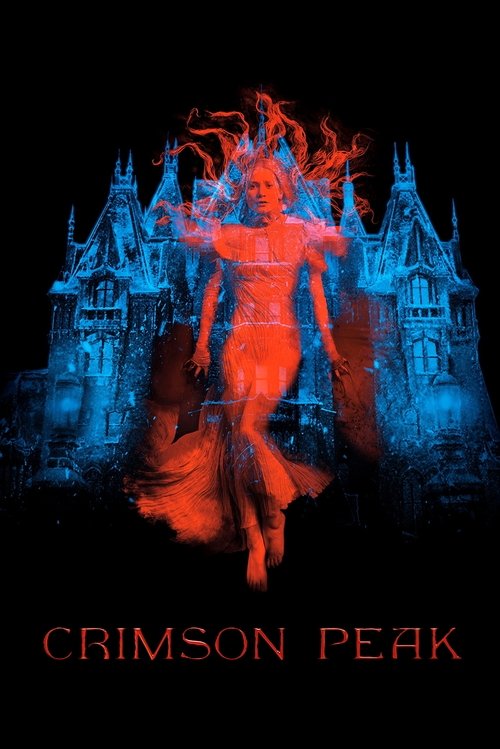
Crimson Peak2015
Del Toro again, this time in full gothic mode - a haunted house movie that's really about colour, fabric and grief, built like a theatre set the way Kwaidan is.
But It's a full-blooded romantic melodrama first and a ghost story second, which may frustrate horror purists.
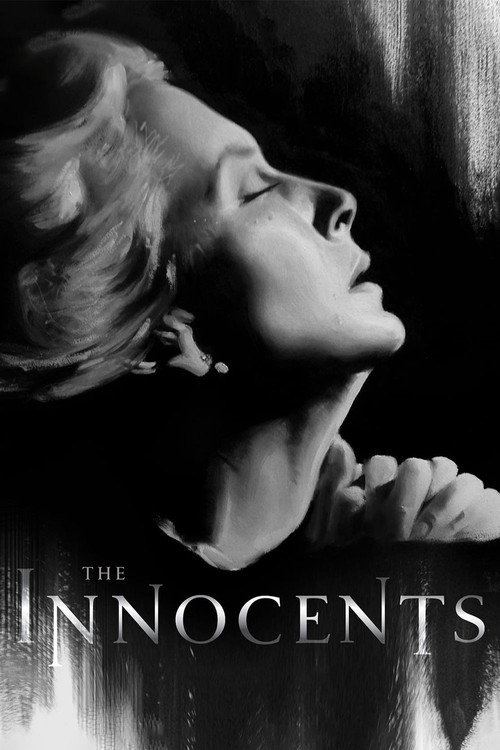
The Innocents1961
A classic British ghost story that gets its horror from ambiguity and unbearable stillness - proof the genre doesn't need special effects to unsettle.
But Its Victorian repression and children-in-peril focus is a narrower, quieter kind of dread than Kwaidan's four-part sweep.
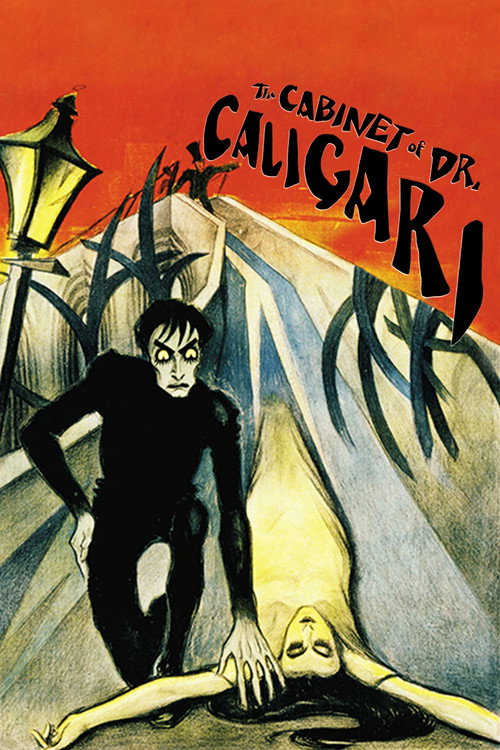
The Cabinet of Dr. Caligari1920
Kwaidan's stylised, obviously artificial studio skies and sets have a direct ancestor in this silent expressionist landmark, which invented horror as frankly, beautifully fake theatre.
Nearly half a century earlier, this German silent classic proved that painted, deliberately unreal sets could make horror stranger and more dreamlike than any real location.
But Silent, black-and-white and theatrically over-acted by modern standards - it demands patience with a very old kind of cinema.
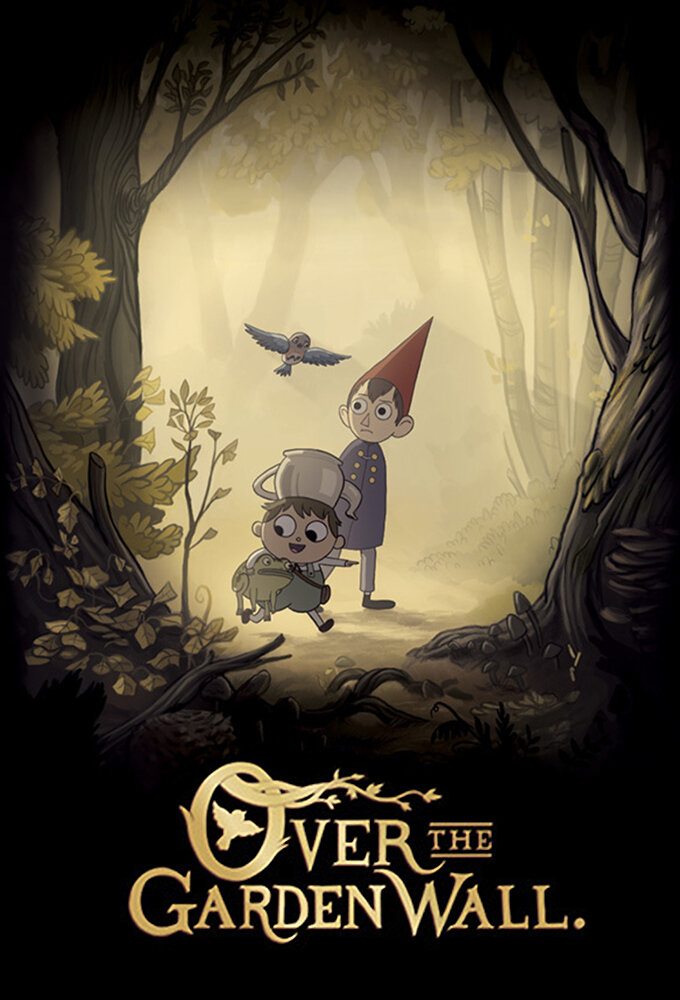
Over the Garden Wall2014
A ten-part animated miniseries that borrows Kwaidan's structure of self-contained, folklore-flavoured vignettes strung along a single eerie mood, proving the anthology ghost story survives in cartoon form.
This gorgeous animated miniseries strings together small, uncanny folk-tale episodes under one autumnal dread, and turns out to be one of the best ghost stories of the last decade.
But It's aimed partly at younger audiences and runs barely two hours total across ten episodes - much gentler and shorter than Kwaidan's grand, adult unease.
People
Cast
 Michiyo AratamaFirst Wife (segment "The Black Hair")
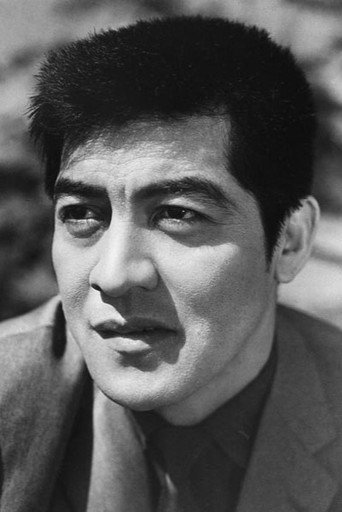 Rentaro MikuniHusband (segment "The Black Hair")
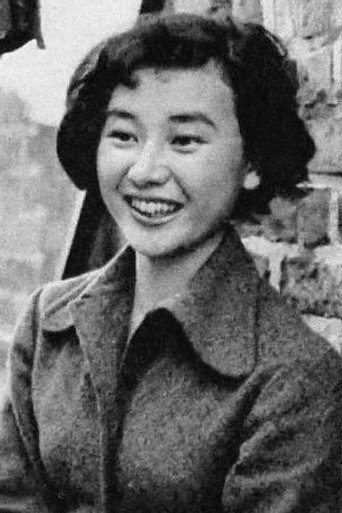 Misako WatanabeSecond Wife (segment "The Black Hair")
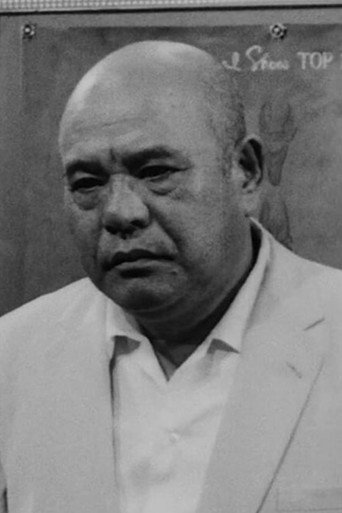 Kenjirō IshiyamaFather (segment "The Black Hair")
- Ranko AkagiMother (segment "The Black Hair")
 Fumie Kitahara(segment "The Black Hair")
- Kappei Matsumoto(segment "The Black Hair") (uncredited)
- Yoshiko Ieda(segment "The Black Hair") (uncredited)
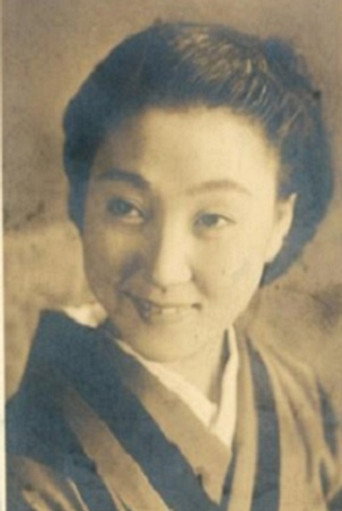 Otome Tsukimiya(segment "The Black Hair") (uncredited)
- Kenzō Tanaka(segment "The Black Hair") (uncredited)
- Kiyoshi Nakano(segment "The Black Hair") (uncredited)
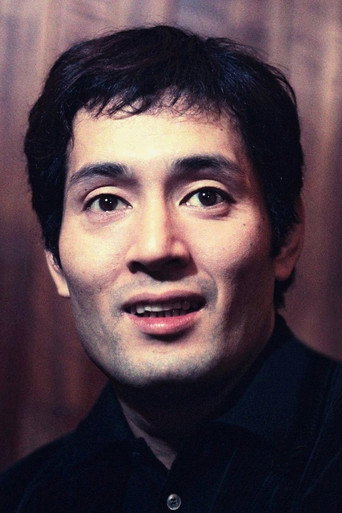 Tatsuya NakadaiMinokichi (segment "The Woman of the Snow")
Directing
- Eiko YoshidaContinuity
- Masaki KobayashiDirector
- Gô YoshidaFirst Assistant Director
Writing
- Lafcadio HearnNovel
- Yōko MizukiScreenplay
Production
- Michiyoshi TakashimaExecutive In Charge Of Production
- Shigeru WakatsukiProducer
- Kazuo KuwaharaProduction Supervisor
- Yôichi UkitaProduction Supervisor
- Tadanosuke SumidaResearcher
Recommended by
Black Mirror, Crimson Peak, The Twilight Zone, The Witcher, Love, Death & Robots, Creepshow, Jujutsu Kaisen, Demon Slayer, The Tale of The Princess Kaguya, Ring, Blithe Spirit, Ju-on: The Grudge, The Uninvited, Kuroneko, Under the Shadow, Don't Look Now, Ugetsu, House, Onibaba, Hotel del Luna, Ghost Stories