
Film
Gumnaam
A 1965 Hindi mystery-thriller where eight plane crash survivors find themselves stranded on a foggy island with a waiting mansion and a sinister butler. It's a locked-room whodunit with genuine atmosphere, lavish set design, and the stylish artifice of early Bollywood. A landmark film for Indian genre cinema, watchable for its visual imagination and the sheer strangeness of seeing this template executed in a completely different register.
Should you watch it?
Watch it if you enjoy old-fashioned whodunits where a closed setting and a slowly tightening cloud of suspicion matter more than jump scares, and you don't mind melodrama at the edges.
Skip it if the pace is leisurely for a thriller, with long stretches of stagey talk and a creaky feel that modern viewers may find hard to forgive.
What it asks of you: Roughly two and a half hours at an unhurried pace, with scenes that linger in dim corridors and rooms, and a demand that you keep track of who knows what.
Not sure? Find tonight's pick in a minute.
If you liked this
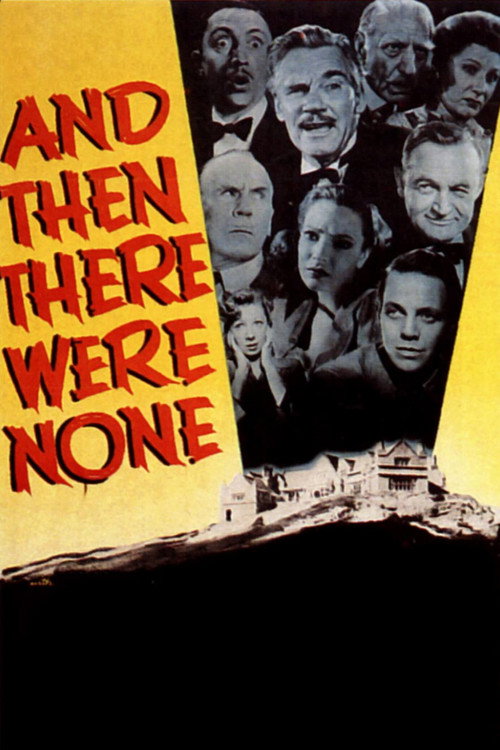
And Then There Were None1945
Agatha Christie's definitive locked-room mystery that Gumnaam directly adapts. Ten strangers, an island, accusations, death. The original template, executed with impeccable logic and mounting dread.
But It's a 1945 British film, so pacing feels deliberate by modern standards. The mystery's solution, if you know it, loses the one thing it has.
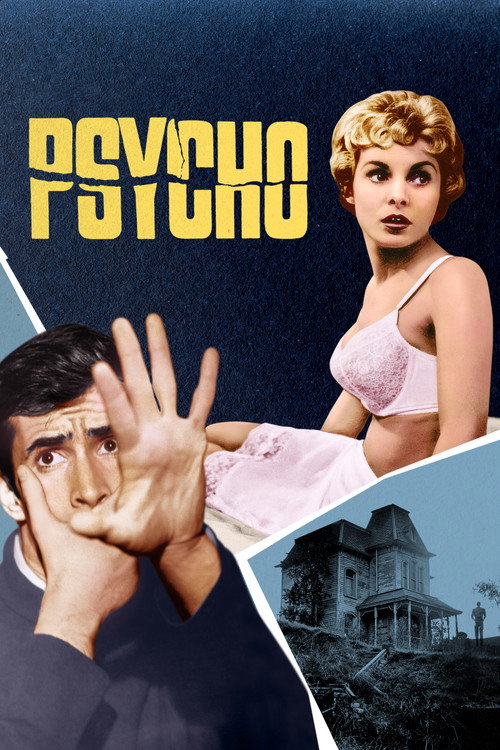
Psycho1960
Hitchcock's genre-demolishing thriller about safety being an illusion. Released three years before Gumnaam, it shares that film's sense of inescapable doom and visual control over a confined space.
But The shock twist is famous to the point of cliché now. It's also a very different kind of film—intimate rather than grand.
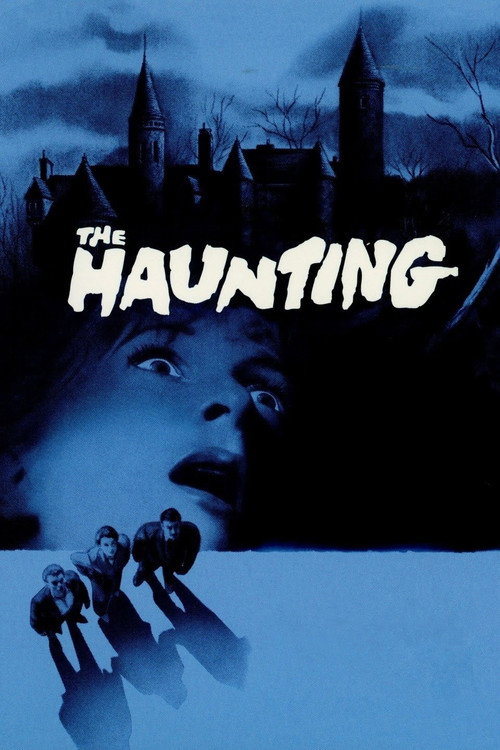
The Haunting1963
Robert Wise's masterpiece about atmosphere and dread, not jump scares. A group in an old house, strange happenings, paranoia. The mood and the visual language anticipate what Gumnaam would attempt.
But Slow by any standard. It's about creeping unease; if you need plot momentum, you'll be frustrated.
Not sure tonight? Get a pick in a minute, starting from Gumnaam
The wildcard
Something you would not have found on your own.
Kwaidan1965
Both are 1960s genre films from outside Hollywood that use vivid, artificial production design and formal precision to create atmosphere instead of relying on conventional scares. Both trust the audience's intelligence.
Masaki Kobayashi's four Japanese ghost stories, each one a perfect formal object. Like Gumnaam, it's genre cinema treated as high art—visually sumptuous, deeply stylized, working through dread and supernatural logic.
But It's an anthology with no narrative momentum. Hypnotic rather than propulsive. Some stories are masterful; one drags.

More like this (7)
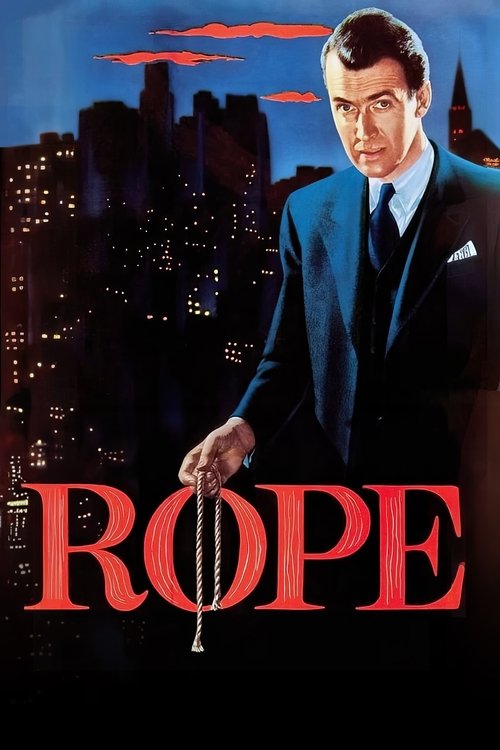
Rope1948
Hitchcock's real-time locked-room experiment. Two men, a murder, a room full of suspicious guests, one long take (almost). Obsessed with the mechanics of suspicion in close quarters.
But The gimmick becomes noticeable. You're always aware you're watching technique rather than story.
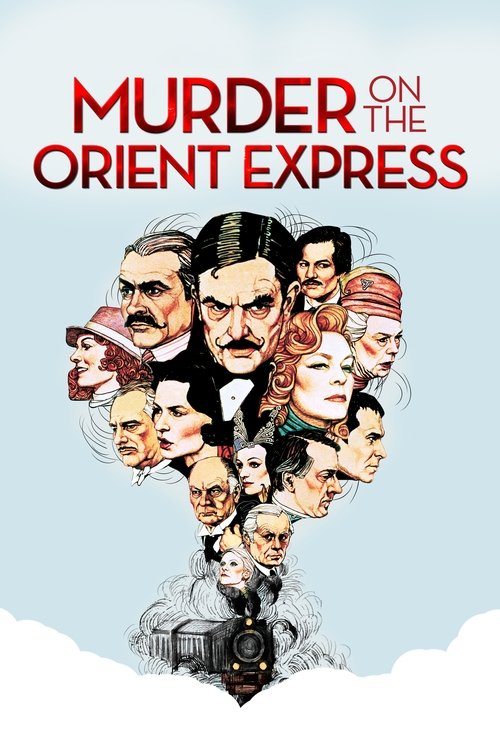
Murder on the Orient Express1974
Agatha Christie again, but Lumet's version is visually sumptuous and the cast (Finney, Bacall, Widmark, Redgrave) gives it theatrical grandeur. Mystery executed as prestige cinema.
But It's glacially paced and the solution requires you to swallow a morally complicated premise without the film really interrogating it.
Nosferatu1922
Murnau's silent vampire film carries the same Gothic atmosphere Gumnaam is reaching for. Dread through visual composition, not dialogue. Deliberately artificial and deeply unsettling.
But It's ninety minutes of mood without conventional plot. The acting registers as operatic by modern standards.

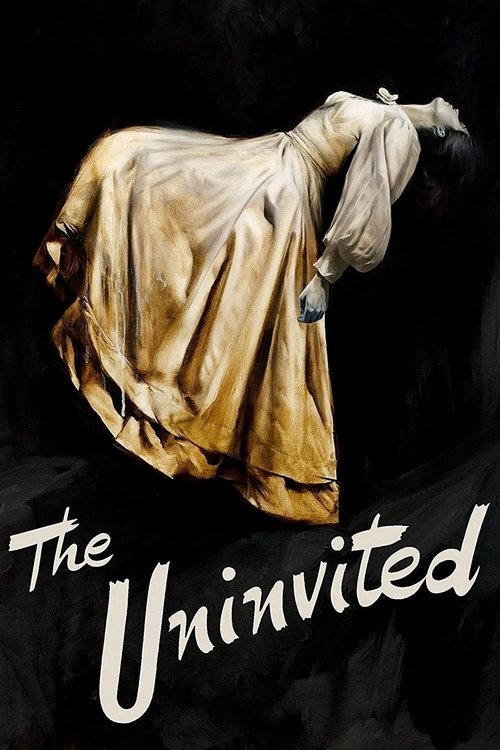
The Uninvited1944
A haunted house film with genuine atmosphere and a mystery that actually pays off. Two siblings inherit a mansion; things are wrong. The logic holds, and the mood is genuinely creepy.
But The solution involves plot mechanics that feel dated. Some will find it quaint rather than frightening.
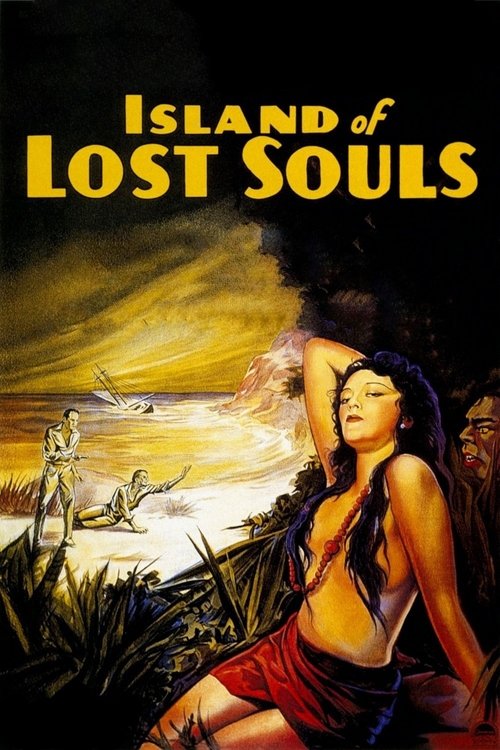
Island of Lost Souls1932
Strange, queasy, deeply weird adaptation of H.G. Wells. Shipwrecked men on an island with a mad doctor. The artifice and moral wrongness create genuine unease.
But It's a pre-Code film; the pacing is primitive and some elements feel more absurd than scary now.
Murder at Midnight1931
An early whodunit with a murder in a sealed space and a parade of suspicious characters. It's slight but spirited, and shows how the genre was being built.
But The mystery is genuinely hard to follow. The print quality is poor and the logic becomes rickety.
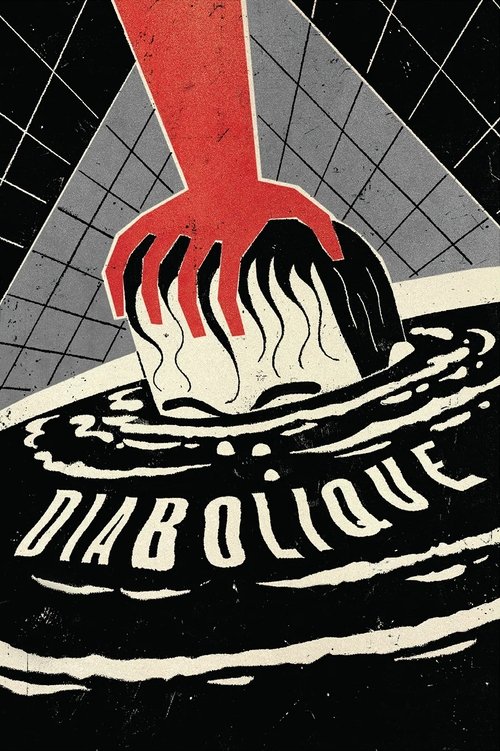
Diabolique1955
A closed environment where strangers—or near-strangers—are forced together and trust becomes impossible. Both films understand that mystery isn't about the whodunit; it's about the pressure cooker of knowing someone nearby means you harm.
Henri-Georges Clouzot's masterpiece about two women plotting to murder a man in a confined space. The bathtub scene is cinema's most famous shock, but what matters is the suffocating tension and the moral rot beneath respectability.
But It's in French with subtitles. The pacing feels slow if you're not patient with Clouzot's rhythms. Some violence is ugly in ways that disturb rather than thrill.
People
Cast
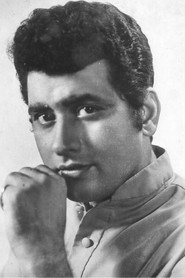 Manoj KumarAnand
 NandaAsha
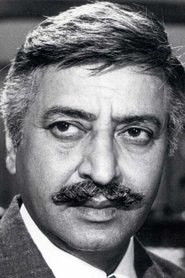 PranBarrister Rakesh
 HelenMiss Kitty
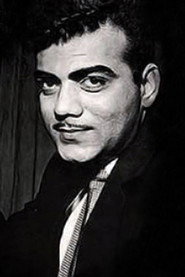 MehmoodThe Butler
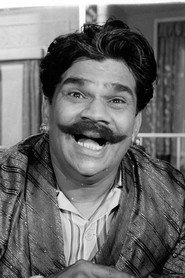 DhumalMister Dharamdas
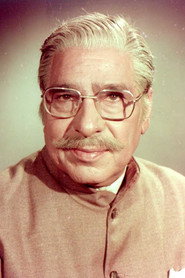 Madan PuriDr. Acharya
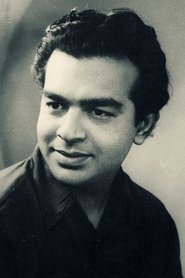 Tarun BoseMadhusudan Sharma
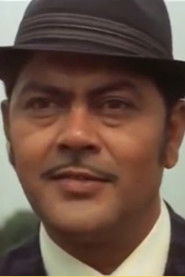 ManmohanMr. Kishan
- NainaThe Butler's Sister
 Laxmi ChhayaMasked Dancer
- HiralalKhanna
Directing
- Raja NawatheDirector
Writing
- Charandas ShokhDialogue
- Agatha ChristieNovel
- Dhruva ChatterjeeScreenplay
- Charandas ShokhStory
Production
- M. A. MadhuExecutive Producer
- N.N. SippyProducer
Recommended by
Death on the Nile, Teesra Kaun, Kismet, Bees Saal Baad, Raaz