
Film
Psycho
Psycho is the film that taught audiences horror could hide in broad daylight, at a roadside motel, behind a shy young man's smile. Hitchcock builds dread through patience and detonates it by breaking his own rules midway through. Black-and-white, deliberately paced, and still unnervingly effective, it's essential for anyone who wants to see where the modern thriller and slasher genres actually began.
If you liked this
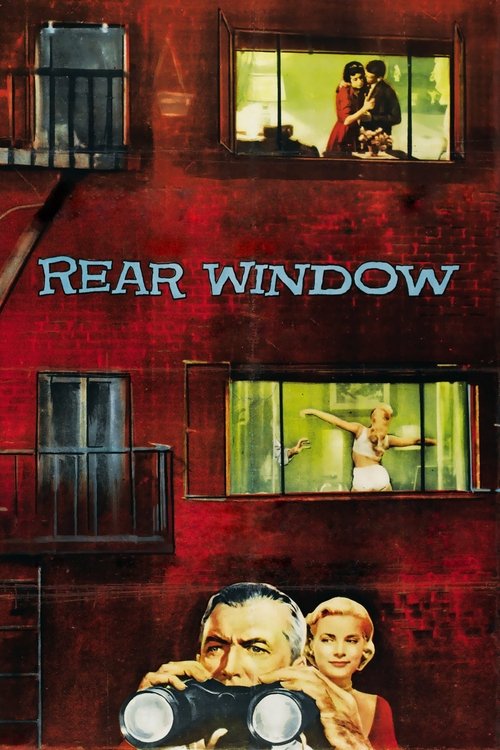
Rear Window1954
Hitchcock at his most playful with voyeurism and suspense, wound tight around a broken leg and a pair of binoculars. It's the master's other trust-nobody-nearby classic, thick with wit and slow-building dread.
But The pace is stagier and slower than modern thrillers, and it's confined almost entirely to one apartment set.
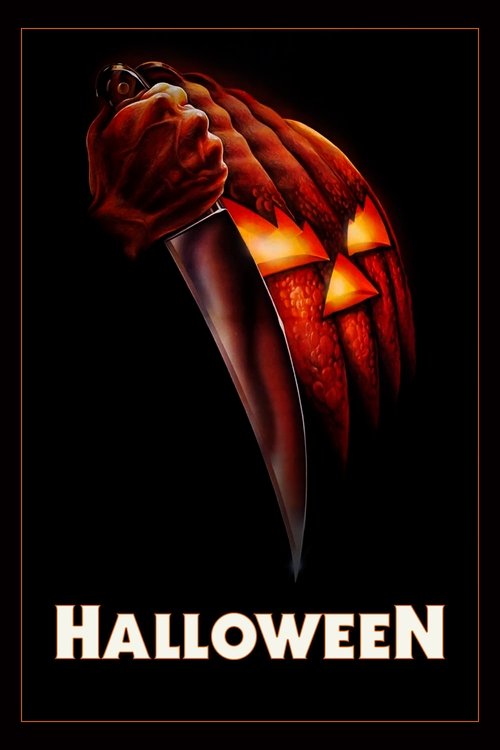
Halloween1978
John Carpenter openly modeled his masked killer's quiet menace on Norman Bates, and the result launched the modern slasher genre. Same dread of the ordinary suburban street turning deadly after dark.
But Once you recognize the formula it originated, the scares can feel more historically important than genuinely frightening now.
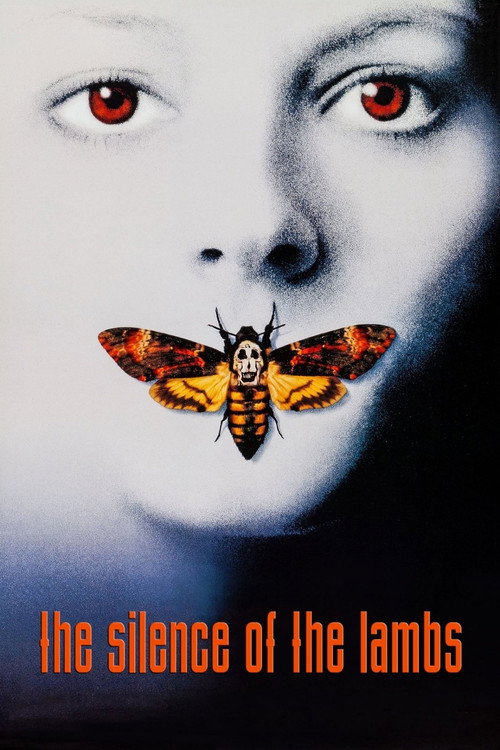
The Silence of the Lambs1991
The reigning champion of the psychological-killer thriller, with an Anthony Hopkins performance that rewired what a movie monster could be. Colder, smarter and more clinical than most of its imitators.
But It's grimmer and more procedural than Psycho's gothic theatrics, closer to a manhunt than a haunted house.
The wildcard
Something you would not have found on your own.
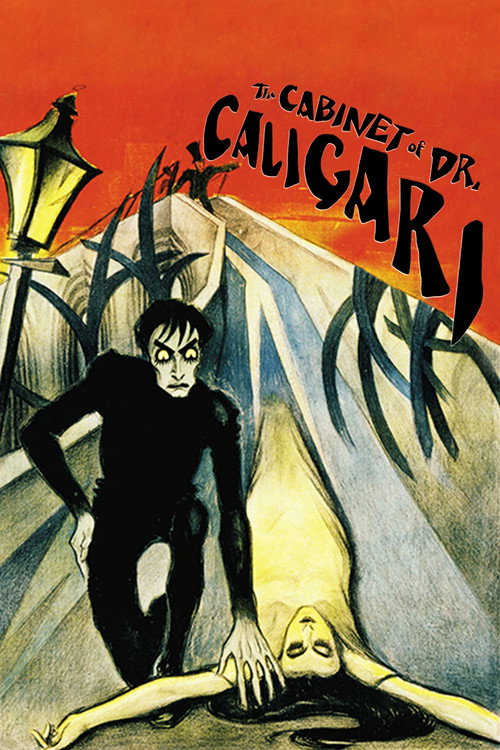
The Cabinet of Dr. Caligari1920
It's the ancestor of Psycho's 'the horror was in the mind all along' structure - the same asylum-framed twist, four decades and one sound revolution earlier.
This German silent film invented the twisted-mind, unreliable-narrator horror that Psycho would later perfect, complete with an asylum, a somnambulist killer, and a reveal that recontextualizes everything you've watched.
But Silent, stagey, and openly theatrical, it asks for patience with title cards and expressionist sets instead of sound-era tension.
More like this (8)
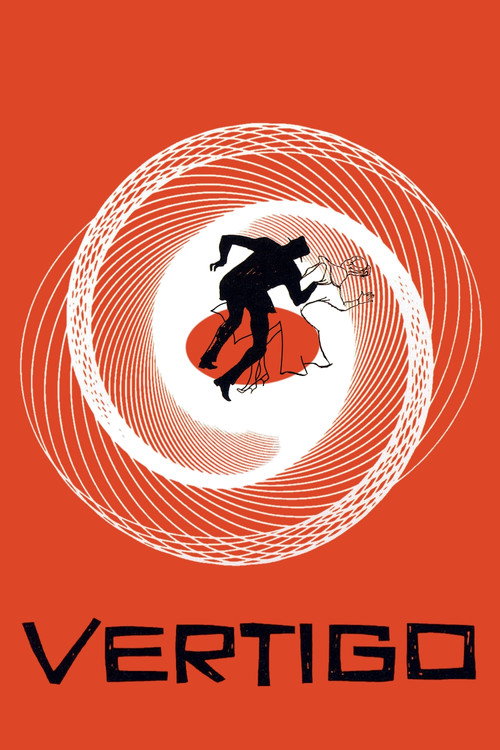
Vertigo1958
Another Hitchcock obsession with identity, guilt and a woman who isn't what she seems, wrapped in some of his most gorgeous, dizzying visual trickery. A stranger, sadder film than Psycho.
But The mystery unspools slowly and the central romance is deliberately uncomfortable rather than charming.
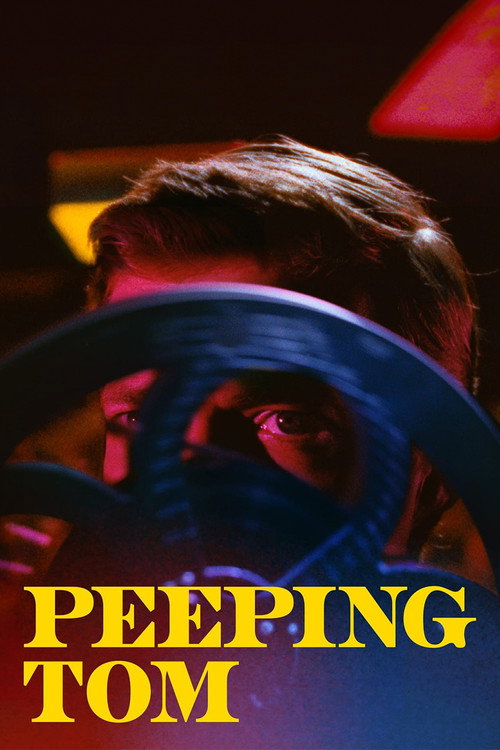
Peeping Tom1960
Released the same year as Psycho, this British cousin turns the camera itself into a murder weapon and asks pointed questions about who's really watching. Deeply unsettling and self-aware.
But It's grubbier and more nihilistic, without Hitchcock's showmanship to soften the discomfort.
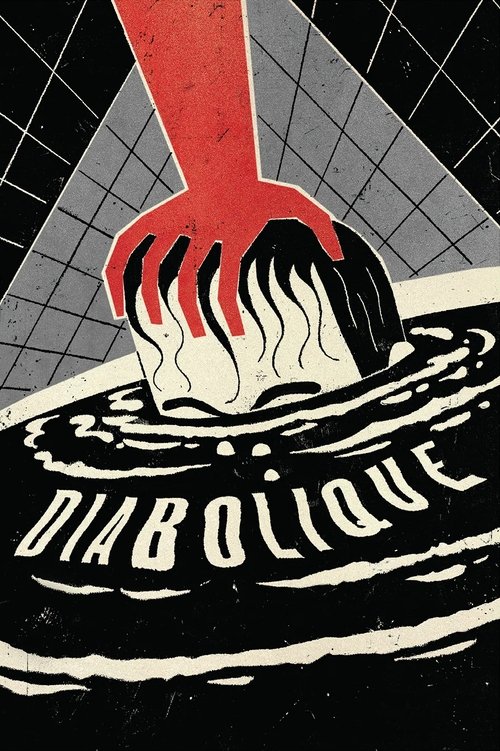
Diabolique1955
A French thriller so twisty that Hitchcock reportedly wanted the rights himself; it's the blueprint for the late-film rug-pull Psycho would perfect a few years later.
But Subtitled and slower-burning, it demands real patience before the payoff finally arrives.
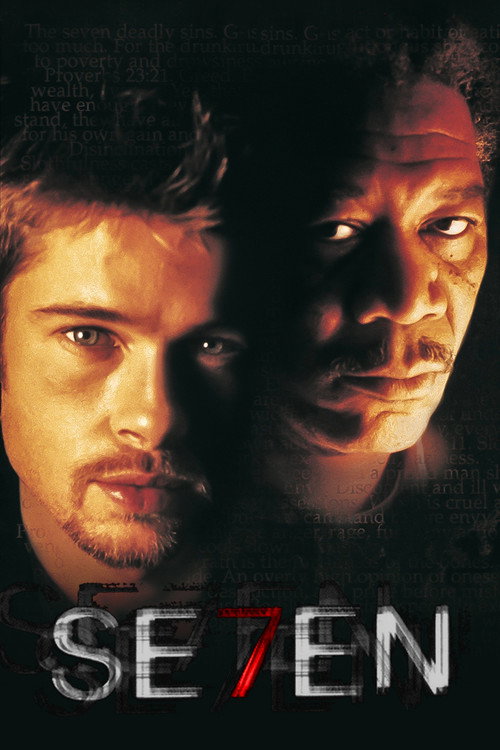
Se7en1995
A moody, rain-soaked serial-killer procedural that swaps Hitchcock's Freudian mother complex for something bleaker and more modern, with an ending that still lands like a gut punch.
But It's considerably more graphic and despairing, with none of Psycho's dark, playful wit.
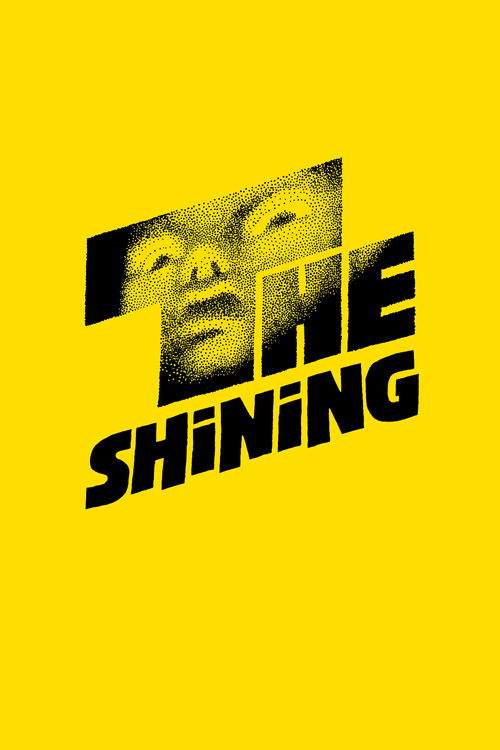
The Shining1980
Another isolated building, another mind quietly unraveling, another masterclass in dread built from architecture and silence instead of jump scares.
But It's a longer, colder, more disorienting experience, closer to a fever dream than a mystery.
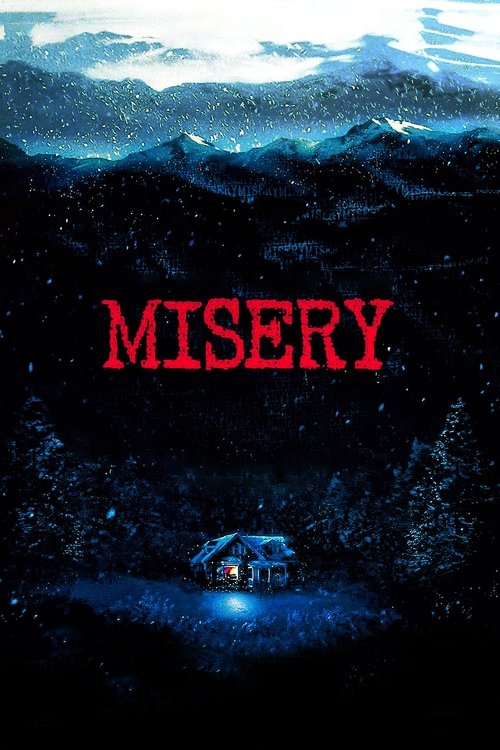
Misery1990
A captivity thriller with a gleefully unhinged performance from Kathy Bates, proving a single confined room can be as terrifying as any slasher's body count.
But It leans pulpier and more overtly comic in places than Psycho's clinical, controlled dread.
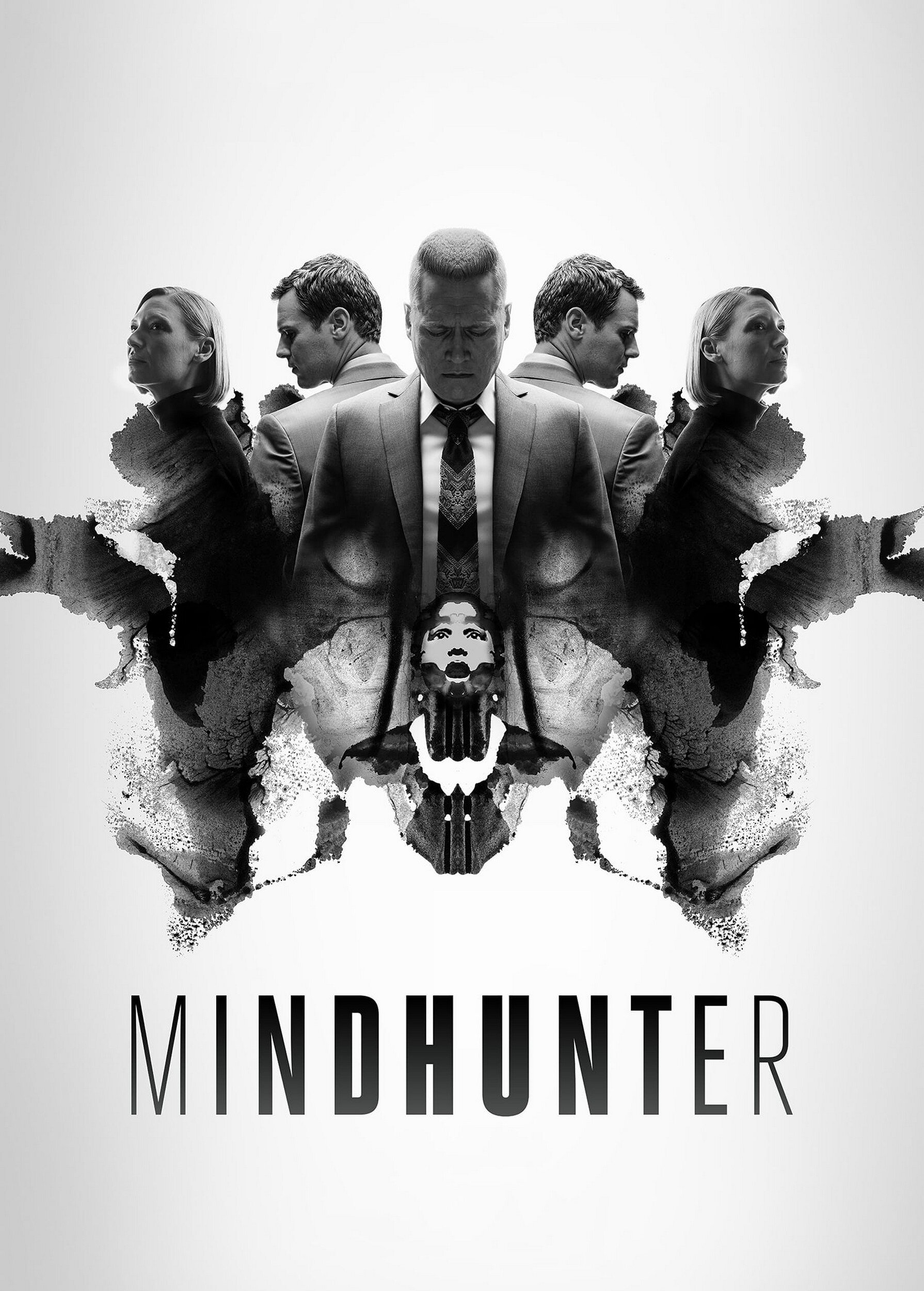
MINDHUNTER2017
Ed Gein, the real murderer who partly inspired Norman Bates, sits directly behind both stories; this treats that same unraveling mind as clinical fact rather than gothic fiction.
A slow, meticulous series about the FBI agents who first sat down with real serial killers to ask why, treating the Bates-shaped psychology behind Psycho's fiction as something to actually study.
But It's a patient character study with almost no jump scares, more interview room than motel shower.
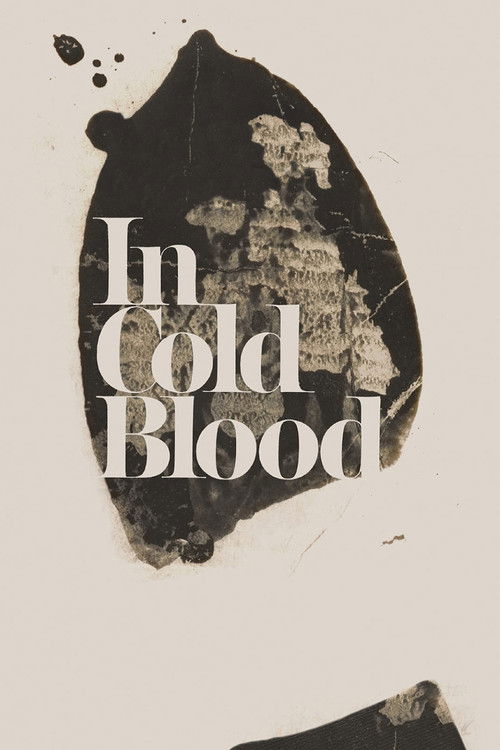
In Cold Blood1967
Both strip away the reassurance that violence announces itself; here the quiet young man isn't a movie monster but a real one, and the film refuses Hitchcock's playful distance.
Truman Capote's nonfiction account of a real, senseless farmhouse murder, shot in stark black-and-white with a documentary chill that makes Psycho's theatrics look almost merciful by comparison.
But It's a genuinely bleak, unglamorous true-crime tragedy with none of Hitchcock's wit or the release valve of shock-cinema pleasure.
People
Cast
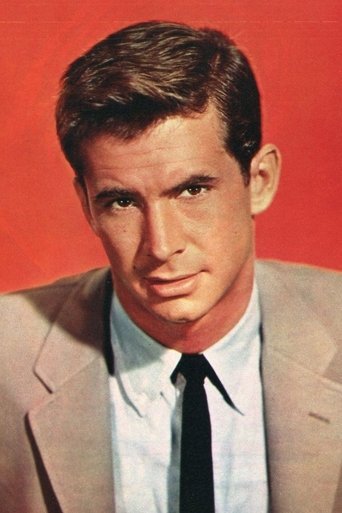 Anthony PerkinsNorman Bates
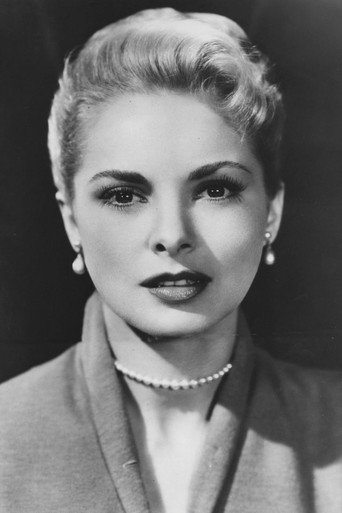 Janet LeighMarion Crane
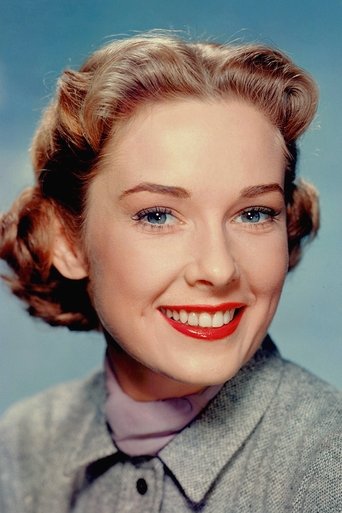 Vera MilesLila Crane
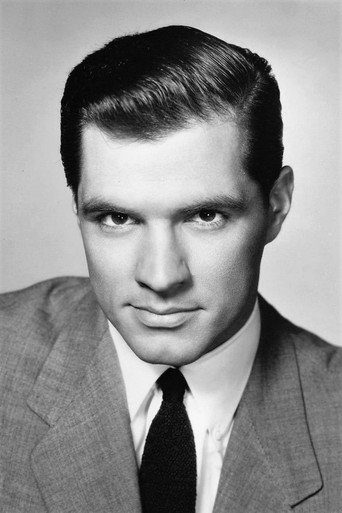 John GavinSam Loomis
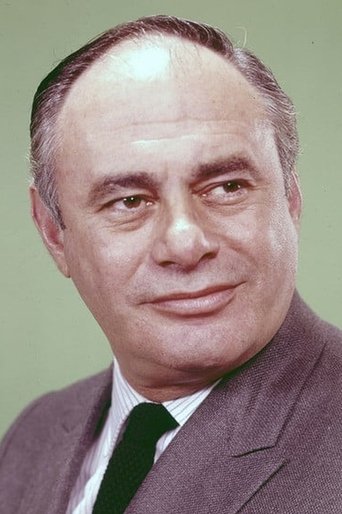 Martin BalsamMilton Arbogast
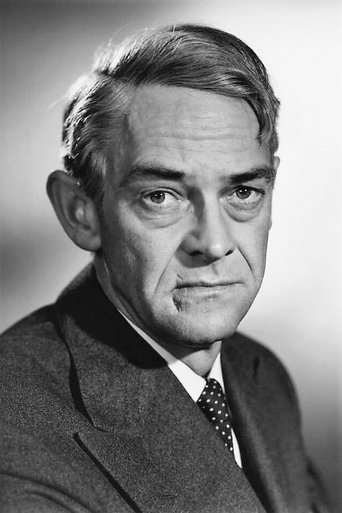 John McIntireAl Chambers
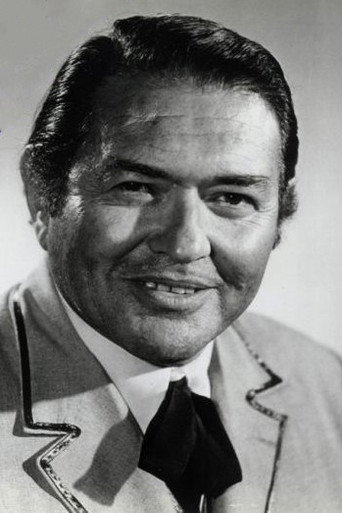 Simon OaklandFred Richman
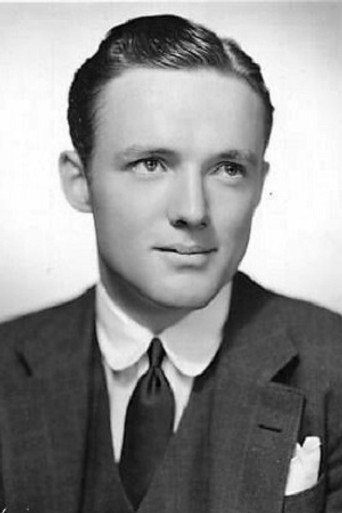 Frank AlbertsonTom Cassidy
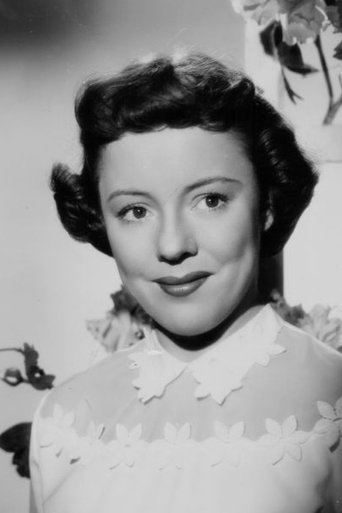 Patricia HitchcockCaroline
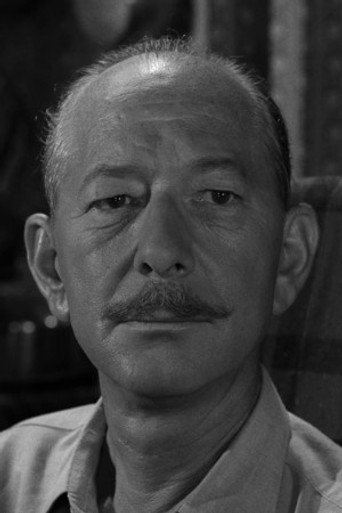 Vaughn TaylorGeorge Lowery
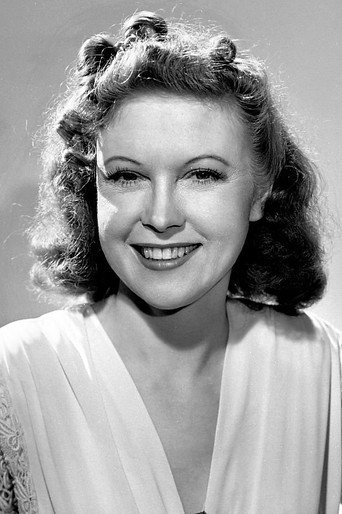 Lurene TuttleMrs. Chambers
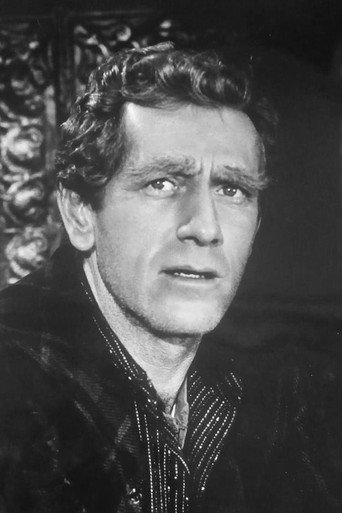 John AndersonCalifornia Charlie
Directing
- Hilton A. GreenAssistant Director
- Alfred HitchcockDirector
Writing
- Robert BlochNovel
- Joseph StefanoScreenplay
Production
- Alfred HitchcockProducer
- Lew LearyUnit Manager
Recommended by
The Birds, Peeping Tom, Diabolique, Magic, Disclosure, Dr. Jekyll and Mr. Hyde, The Lodger: A Story of the London Fog, White Heat