
Film
Dr. Jekyll and Mr. Hyde
Other titles called Dr. Jekyll and Mr. Hyde: the 1931 film.
MGM's lavish 1941 take on Jekyll and Hyde, with Spencer Tracy inhabiting both the genteel doctor and his bestial alter ego. It's a sensual, psychologically acute horror-drama that trades the Victorian gloom of earlier versions for Technicolor decadence and genuine eroticism. A film about desire, duality, and the violence lurking beneath respectability—gripping, uncompromising, sometimes uncomfortable to watch.
If you liked this
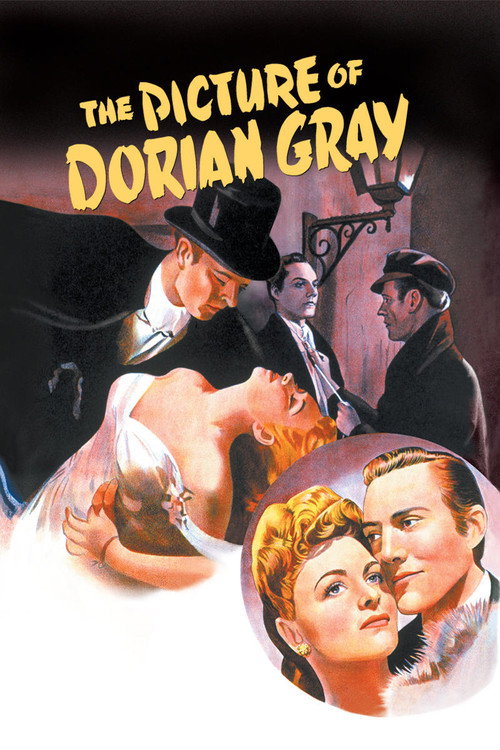
The Picture of Dorian Gray1945
Another exploration of unchecked corruption and divided self, told with Gothic elegance and an unforgettable twist. A man's sins literally reshape his face while he stays pristine—the mirror image of Jekyll's struggle.
But The pacing is deliberate and the supernatural elements take a backseat to character study and moral philosophy. Some find it slow.
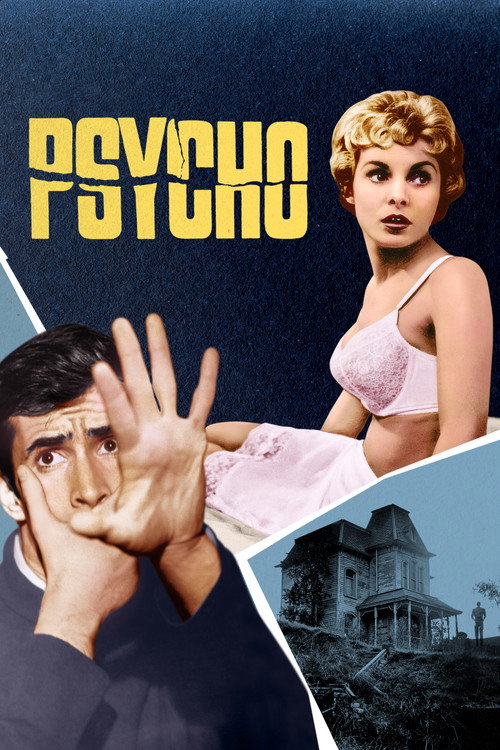
Psycho1960
Hitchcock's masterpiece about fractured identity, where the killer and the good man are one person. The shower scene's brutality carries the same shock value of Hyde's violent rages, and the psychological insight cuts deeper.
But The violence is sudden and genuinely disturbing. If you're sensitive to gore or unexpected trauma, it lands hard.
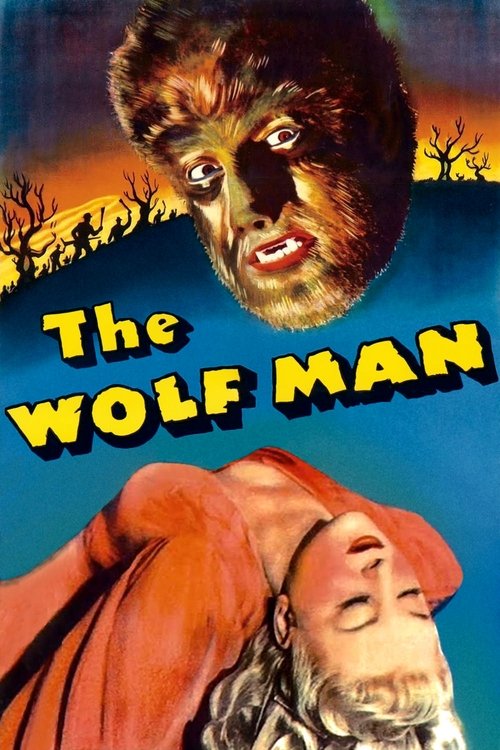
The Wolf Man1941
Released the same year, it shares Jekyll's core anxiety: losing control of your own body to something monstrous. Universal's creature feature has elegance, atmosphere, and Lon Chaney Jr.'s genuine pathos in the role.
But It's slower than modern horror and relies on atmosphere over scares. The transformation effects, though innovative, haven't aged seamlessly.
Not sure tonight? Get a pick in a minute, starting from Dr. Jekyll and Mr. Hyde
The wildcard
Something you would not have found on your own.
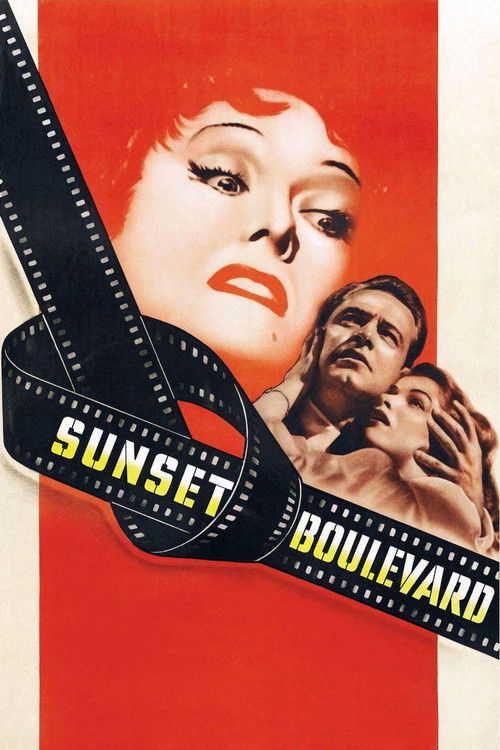
Sunset Boulevard1950
Both are about respectable exteriors hiding a catastrophic inner rot. Both suggest that the monster isn't born but made by society—and by the desire to escape its constraints. Both are tragedies about vanity.
Billy Wilder's corrosive Hollywood noir where the protagonist is slowly consumed by a parasitic, delusional woman and the fantasy of stardom. Like Jekyll, it's about ego and desire creating a monster—but Wilder makes the monster seductive and tragic.
But It's cynical in a way that can feel suffocating. No one earns our sympathy; everyone is compromised or grotesque. The world it depicts is hellish.
More like this (6)
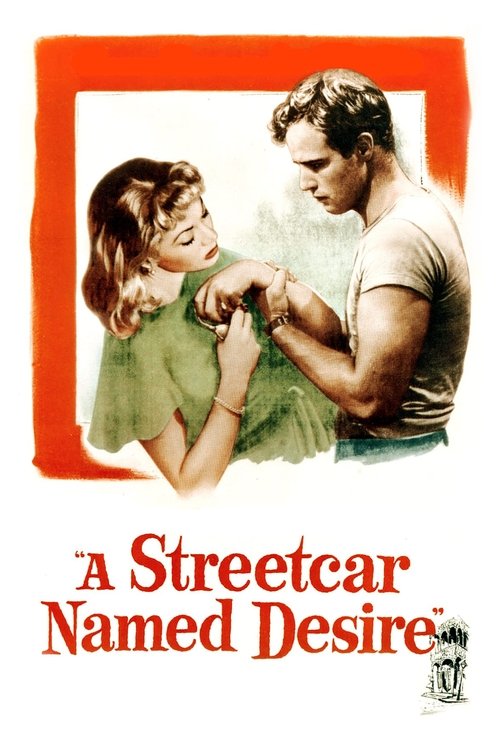
A Streetcar Named Desire1951
Tennessee Williams' masterpiece about desire and civility at war. Marlon Brando embodies raw animal aggression barely contained by social norms—the spiritual successor to Tracy's Hyde, but grounded in gritty realism.
But The sexual violence and psychological cruelty can be punishing to sit through. It's claustrophobic and often feels like watching something private and painful.
Black Mirror2011
Modern anthology series that repeatedly explores what happens when technology lets us indulge our worst impulses unchecked. Same obsession with duality and consequence, but with a technological twist and contemporary bite.
But Quality varies wildly across episodes. Some feel preachy; others are genuinely brilliant. Requires cherry-picking.

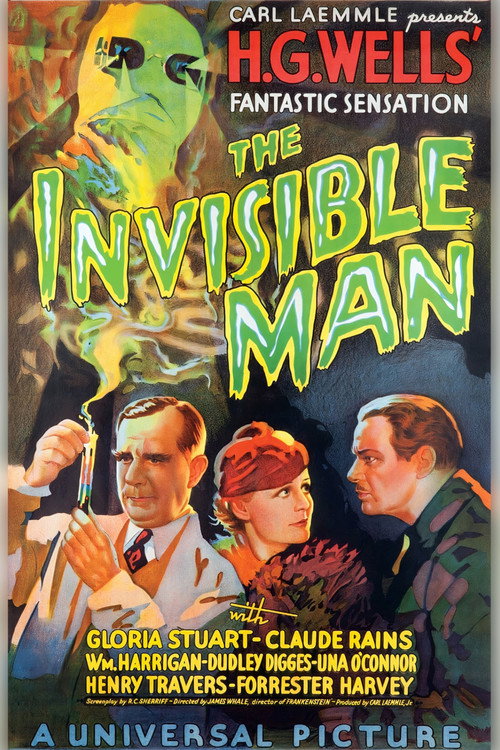
The Invisible Man1933
Universal's earlier take on the invisible self—a man freed from social constraint by invisibility turns violent and unhinged. It's faster-paced than Jekyll, with dark comedy mixed into the horror.
But The tone wobbles between thriller and comedy. Some scenes feel dated; the science-fiction element overshadows the psychological horror.
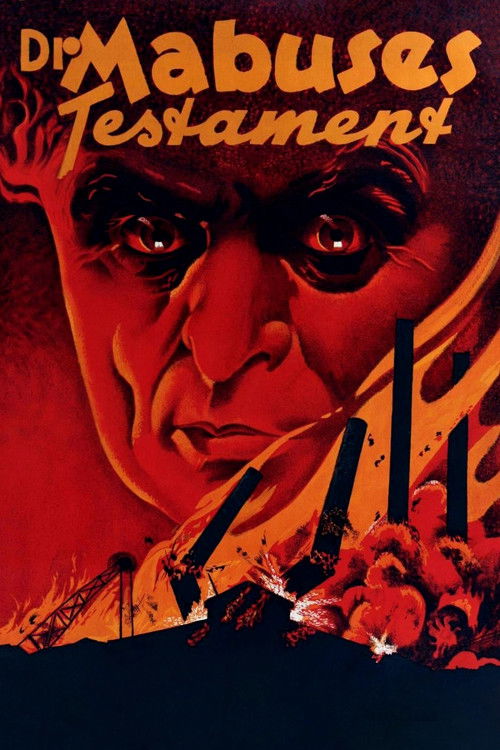
The Testament of Dr. Mabuse1933
Fritz Lang's German expressionist thriller about a criminal mastermind whose will controls others after his death. It shares Jekyll's obsession with a divided self acting out through proxies and violence.
But It's a German film from 1933—subtitled, slow, visually austere. The narrative is convoluted and demands active attention.
Under the Skin2014
Both use physical transformation as a metaphor for the unknowable self. Both ask whether evil is something you catch or something you already contain. Both are deeply unsettling looks at what we don't know about ourselves.
Sci-fi body-horror that's almost silent, gorgeously shot, and deeply unsettling. Scarlett Johansson drives around as an alien predator wearing a woman's face. It's Jekyll without dialogue—purely visual exploration of the uncanny inside the familiar.
But It's glacial, intentionally opaque, and the violence is disturbing. You have to accept ambiguity and discomfort. It's an experience, not a story.

The Cabinet of Dr. Caligari1920
Both are about the self as a controlled instrument of darker forces. Both use the duality between waking consciousness and hidden drives. Caligari is the expressionist template; Jekyll is Hollywood refining it. Both ask: who's really in control here?
Weimar expressionism at its peak: a hypnotist controls a somnambulist to commit murders, blurring the line between puppet and perpetrator. It's the visual ancestor of Jekyll—distorted sets and shadows expressing psychological fracture.
But It's nearly a century old, in German with intertitles, and the pacing will feel glacial if you're used to modern cinema. The acting is theatrical and extreme by contemporary standards.

People
Cast
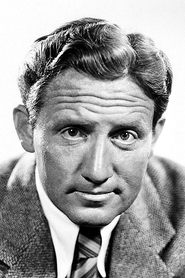 Spencer TracyDr. Henry 'Harry' Jekyll / Mr. Hyde
 Ingrid BergmanIvy Peterson
 Lana TurnerBeatrix 'Bea' Emery
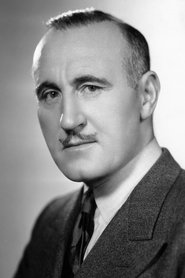 Donald CrispSir Charles Emery
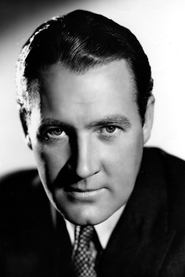 Ian HunterDr. John Lanyon
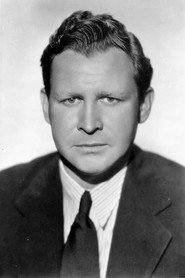 Barton MacLaneSam Higgins
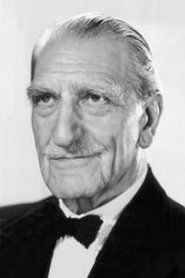 C. Aubrey SmithThe Bishop
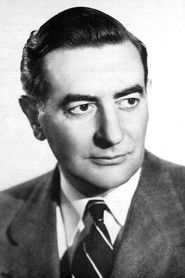 Peter GodfreyPoole
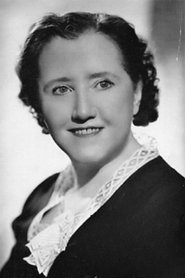 Sara AllgoodMrs. Higgins
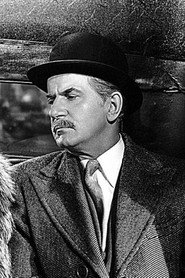 Frederick WorlockDr. Heath
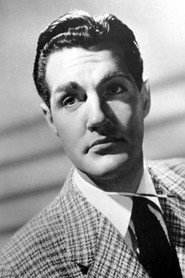 William TannenIntern Fenwick
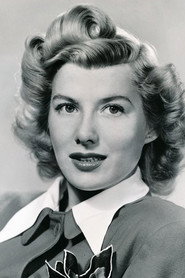 Frances RobinsonMarcia
Directing
- Victor FlemingDirector
Writing
- Robert Louis StevensonNovel
- John Lee MahinScreenplay
- Percy HeathScreenplay
- Samuel HoffensteinScreenplay
Production
- Victor SavilleProducer
- Keith WeeksUnit Manager