
Film
The Testament of Dr. Mabuse
A hypnotist criminal mastermind orchestrates crimes from the shadows while a detective trapped in an asylum races to stop him. Lang's 1933 thriller is expressionist cinema at its most paranoid and propulsive—all distorted angles, unsettling sound design, and the dread that invisible forces control everything. For anyone who loves the architecture of noir and the visual grammar of menace.
Should you watch it?
Watch it if you love paranoid crime serials where a shadowy mastermind pulls strings through notes and hypnotic influence, and you don't mind a dread that builds through talk rather than action.
Skip it if you want brisk, fast-cut action, since this is long and talky, with much of its 122 minutes given to plotting and sinister chatter.
What it asks of you: Patience with a slow build and heavy dialogue, plus a willingness to follow a crowded web of criminals and doctors across two hours, the mood doing most of the work.
Not sure? Find tonight's pick in a minute.
If you liked this
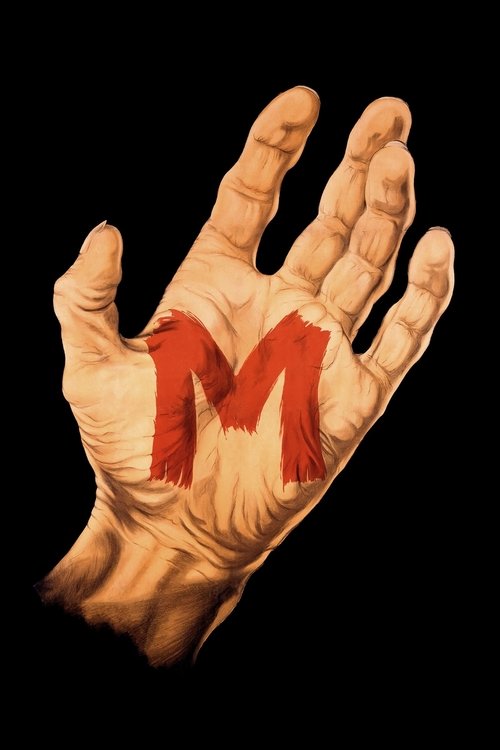
M1931
Lang's earlier masterpiece about hunting a serial killer through a city. Same director, similar moral unease, but even more visceral. The mob justice sequences are unforgettable.
But Slower than Testament, and grittier in a way that can feel oppressive. Some viewers find the pacing deliberate to the point of exhaustion.
The Third Man1949
Post-war Vienna, a man investigating a friend's death through a web of corruption and moral ambiguity. Carol Reed captures that same paranoia about who's really in control, with Harry Lime's invisibility matching Mabuse's puppet-mastery.
But The zither score is distinctive but can feel arch. Older British cinema moves differently than German expressionism—some find it mannered.

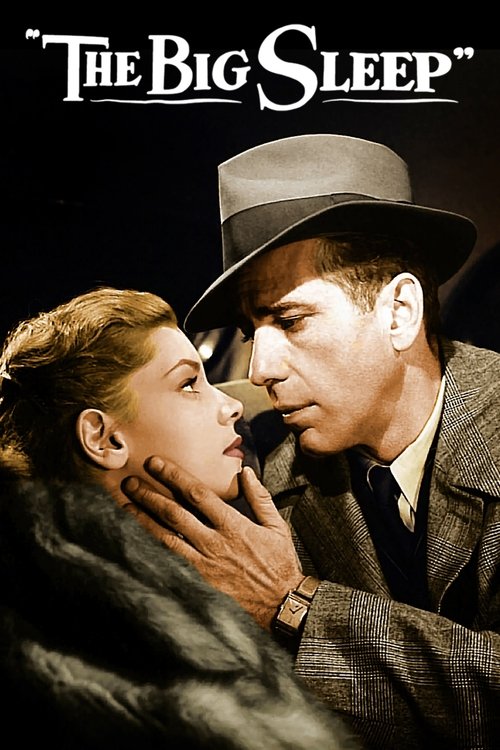
The Big Sleep1946
Bogart and Bacall navigating a criminal underworld where no one tells the truth and threats arrive from unseen directions. It has Testament's sense of danger lurking beneath surfaces, but with American hardboiled style.
But The plot is notoriously impossible to follow. If narrative clarity matters to you, this will frustrate rather than thrill.
Not sure tonight? Get a pick in a minute, starting from The Testament of Dr. Mabuse
The wildcard
Something you would not have found on your own.
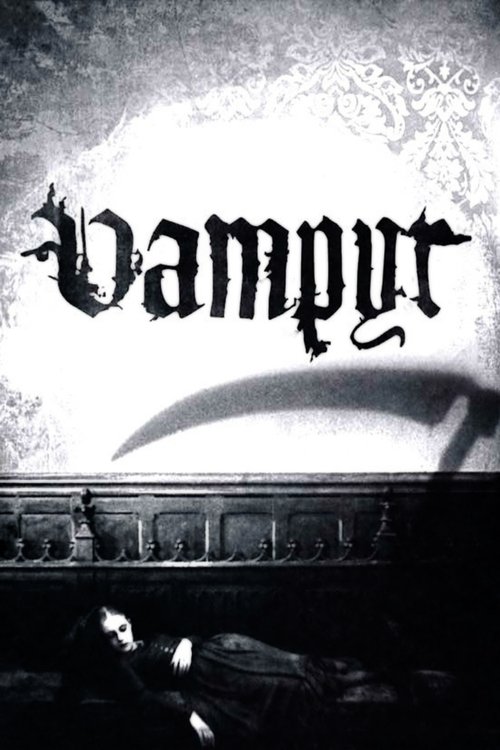
Vampyr1932
Both are 1933 German Expressionist films obsessed with how power operates invisibly. Mabuse controls through hypnotic command; the vampire in Vampyr controls through mere presence and the logic of nightmare. Both suggest that evil doesn't need to be visible to reshape reality.
Dreyer's dreamlike vampire film, made the same year as Testament. It's not a crime thriller—it's about evil as contagion, spreading through a village by proximity and suggestion. The visual language is even more abstracted than Lang's: shadows that move independently, spaces that don't connect logically, dread generated by atmosphere alone.
But This is not a plot film. Virtually nothing happens in narrative terms. If you need clear causality and character motivation, this will feel like visual stalling.
More like this (8)
Nosferatu1922
German Expressionism's most iconic image, a vampire spreading plague through a city he never enters directly. The visual language is identical to Mabuse's—warped shadows, impossible angles, evil as atmosphere rather than action.
But It's silent, slow, and the vampire makeup looks like a bald man in pajamas to modern eyes. The pacing asks patience that younger audiences often lack.

The Killing1956
Kubrick's heist noir told in fractured time, showing how one mastermind orchestrates multiple criminals without them knowing each other. The structure mirrors Mabuse's control through fragmented information.
But The fractured timeline can confuse rather than excite. Some scenes repeat from different perspectives, which feels mannered rather than clever depending on your tolerance.

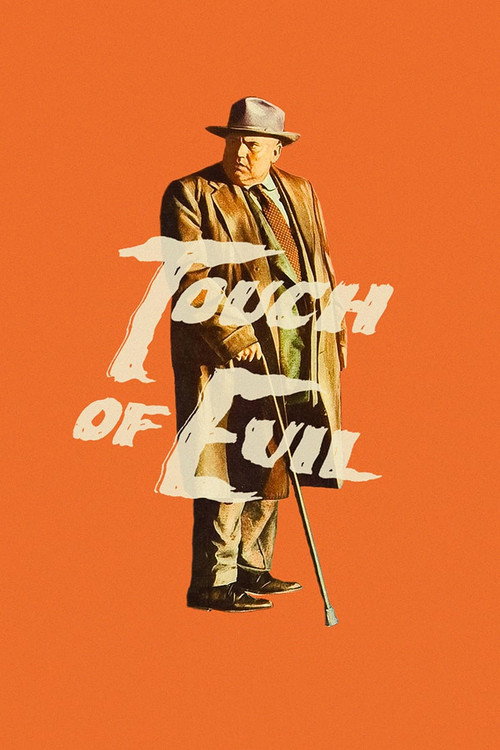
Touch of Evil1958
Welles's masterpiece of corruption infecting an entire border town. Mabuse's invisible hand becomes a visible monster, but the paranoia—that institutions themselves are criminal—echoes Testament perfectly.
But The opening tracking shot is justly famous, but the rest never quite reaches that height. Some scenes feel like they're setting up payoffs that never arrive.
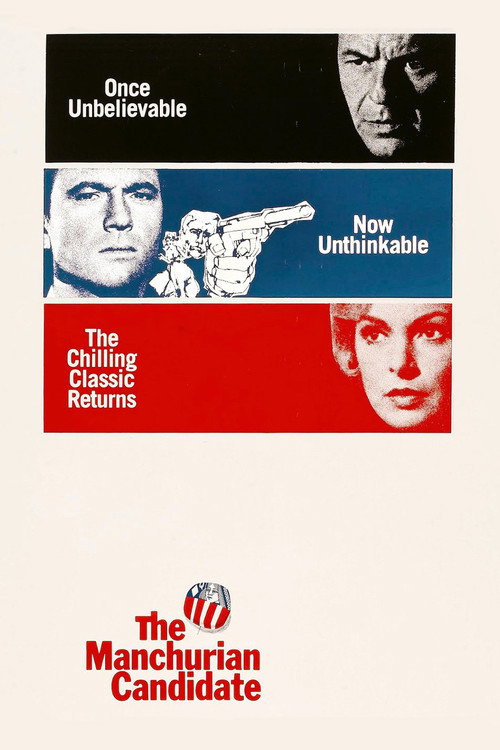
The Manchurian Candidate1962
Cold War thriller about remote control of human behavior through hypnosis and conditioning. It transplants Testament's obsession with invisible influence into American politics, and the dread is genuinely sickening.
But The pacing lurches. It can feel like three different films stitched together. The tonal shifts between noir, thriller, and satire don't always land.
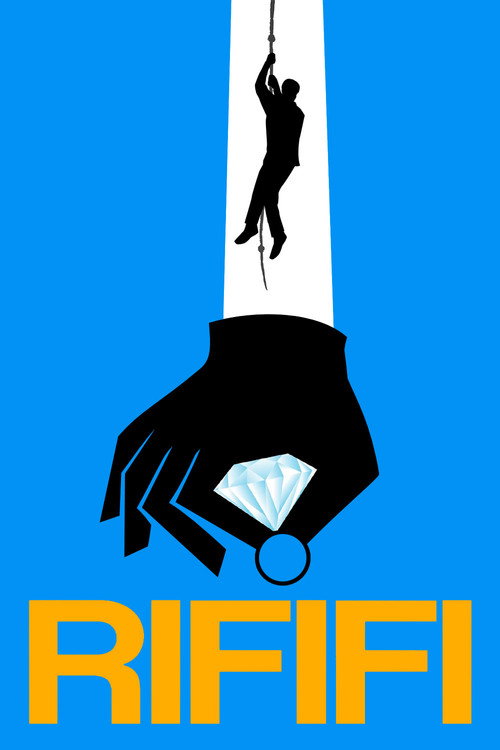
Rififi1955
A silent heist sequence that's pure cinema—no dialogue, just planning made visible. Dassin captures the intricate coordination of crime that Mabuse manages through hypnotic control, but with elegant precision.
But It's a French heist film, so it moves at a European pace. Viewers expecting American action tempo will feel it dragging between set pieces.
The Asphalt Jungle1950
The template for modern heist cinema. A careful orchestration of criminals, each with their own desperation, united by a mastermind's vision. It's Testament with the expressionism stripped away and clarity installed.
But Once you've seen the heist structure replayed a thousand times, this original can feel schematic. The thrills have been borrowed so often they no longer surprise.

Stalker1979
Both are films about hidden control and invisible influence, but where Testament shows a criminal pulling strings, Stalker shows a regime—or fate itself—doing the same. Both pit individual detective work against systems too large to comprehend.
Andrei Rublev's Stalker asks: what if the real crime isn't what criminals do, but what institutions do? A guide leads a writer and scientist through a mysterious zone toward a room that may grant wishes—or may be empty. It's Testament's architecture of suspicion transplanted into science fiction, with the paranoia coming not from a criminal mastermind but from doubt about power itself.
But It's a Soviet sci-fi film, which means philosophical and glacially paced. The dialogue is introspective. Nothing explosions happen. Some see profundity; others see pretension.

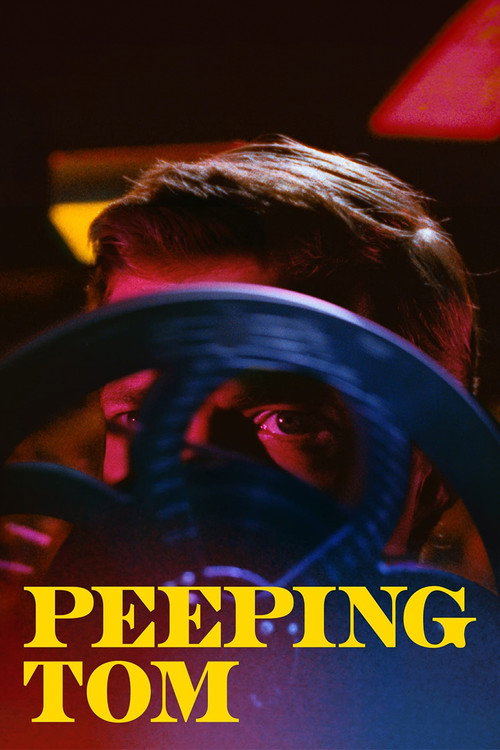
Peeping Tom1960
Both are about mastery through observation and control. Mabuse hypnotizes from a distance; Powell's killer uses the camera as hypnosis, turning film-watching itself into complicity. Both suggest that cinema and crime share the same intoxicating structure.
Michael Powell's forbidden masterpiece: a serial killer who films his victims. Testament in reverse—instead of the criminal working invisibly from above, we're locked inside the killer's head as he meticulously orchestrates murders. The visual vocabulary is the same: distortion, obsession with control, cinema itself as a weapon.
But It's genuinely disturbing in ways that Testament isn't. Watching from the killer's perspective, even sympathetically, makes many viewers uncomfortable. The film was destroyed on release for good reason.
People
Cast
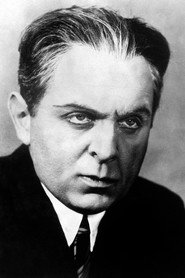 Rudolf Klein-RoggeDr. Mabuse
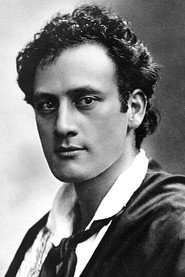 Oscar Beregi Sr.Prof. Dr. Baum
 Camilla SpiraJuwelen-Anna
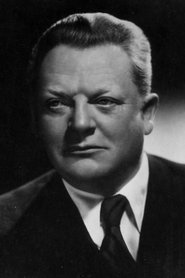 Otto WernickeKommissar Lohmann
- Paul HenckelsLithograph
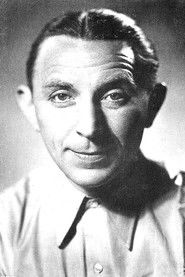 Theo LingenKaretzky
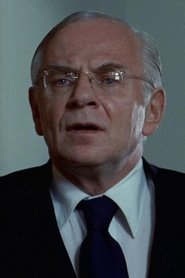 Rudolf SchündlerHardy
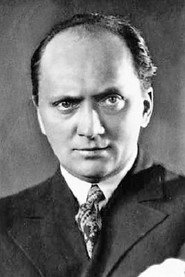 Theodor LoosDr. Kramm
- Karl MeixnerHofmeister
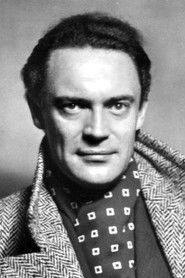 Gustav DiesslKent
Directing
- Fritz LangDirector
Writing
- Norbert JacquesNovel
- Fritz LangScreenplay
- Thea von HarbouScreenplay
Production
- Fritz LangProducer
- Seymour NebenzalProducer
Recommended by
The Great McGinty, Dishonored, Dr. Jekyll and Mr. Hyde, The Moon and Sixpence, The Man They Could Not Hang