
Film
The Man They Could Not Hang
A 1939 mad-scientist revenge picture where Boris Karloff plays a brilliant doctor executed for a murder he didn't commit, then revived to methodically hunt down his jury. It's lean, propulsive B-movie entertainment—part *Frankenstein*, part courtroom thriller—that knows exactly what it is and moves like it's on fire. For anyone who loves old horror with genuine bite and a chip on its shoulder.
If you liked this
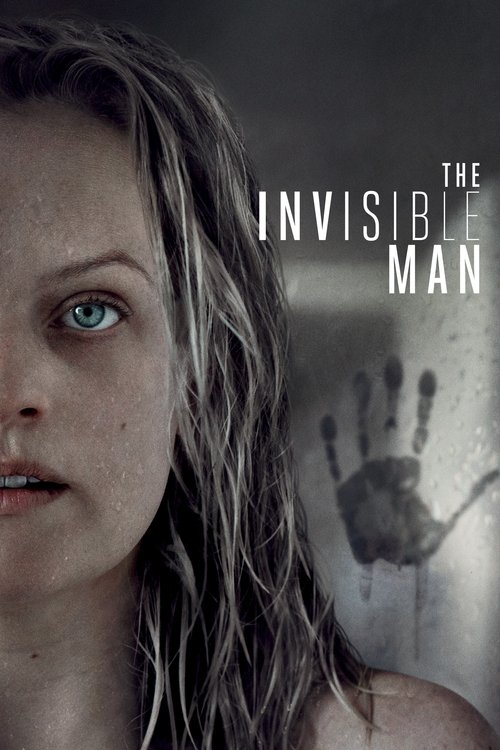
The Invisible Man2020
The template for invisible-person revenge narratives. James Whale's direction is visually inventive, the tonal shifts from comedy to cruelty are sharper than they have any right to be, and Claude Rains' performance sells the descent into monstrania.
But It's 92 minutes of someone you can't see, which occasionally means looking at empty rooms and trusting the acting and sound design to do all the work. Requires patience.
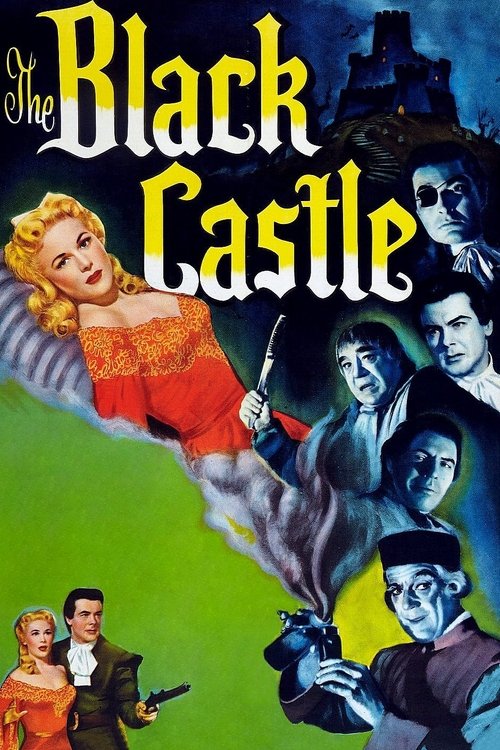
The Black Castle1952
Karloff and Lon Chaney Jr. in a revenge-and-escape plot set in a Gothic fortress. Beautifully shot in black and white, genuinely tense, and it understands that the best horror comes from watching intelligent people trapped by circumstance.
But The pacing can feel glacial compared to modern thrillers. If you need constant forward momentum, you might find it dawdles in atmosphere.
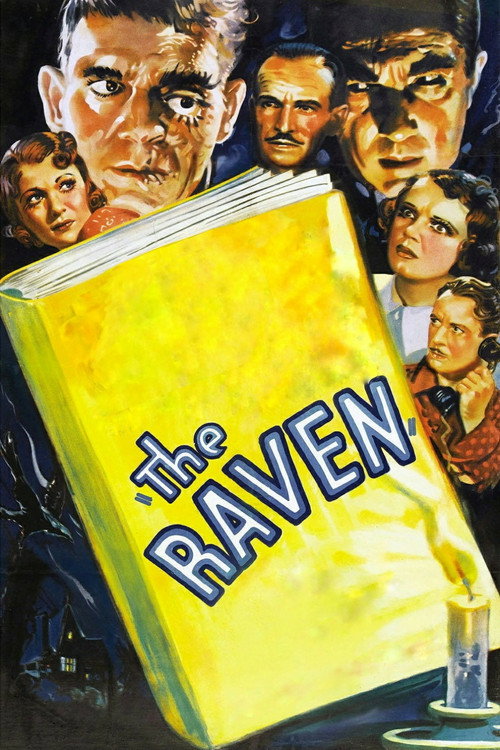
The Raven1935
Karloff as a twisted genius obsessed with revenge and torture, Bela Lugosi as the detective hunting him. It's wildly theatrical, darkly funny without meaning to be, and the set design is luridly impressive for the budget.
But Uneven in tone and sometimes incomprehensible—plot logic takes a backseat to atmosphere and spectacle. You have to surrender to it rather than follow it.
Not sure tonight? Get a pick in a minute, starting from The Man They Could Not Hang
The wildcard
Something you would not have found on your own.
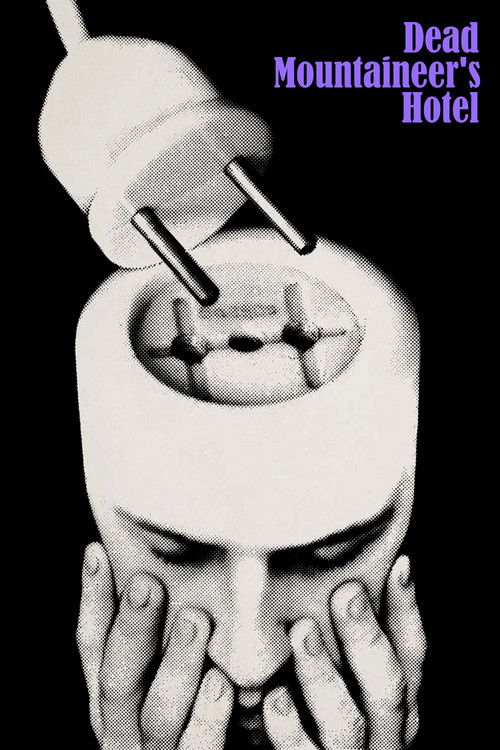
Dead Mountaineer's Hotel1979
Both are about systematic revenge through deliberate elimination. Where Karloff hunts down specific targets, *Dead Mountaineer's Hotel* creates a locked-box scenario where the killer's identity and motive are the whole game—but the psychological machinery of vengeance is identical.
A Soviet-Estonian co-production where a group of suspicious strangers are snowed in at a hotel in the Alps, and one of them is methodically murdering the others. It's *And Then There Were None* filtered through Eastern European dread and technical restraint—hypnotic, disorienting, genuinely unnerving.
But The subtitles require your attention, the pacing is elliptical, and the body count mystery unfolds without the comforting conventions of Western whodunits. It's deliberately alienating.
More like this (8)
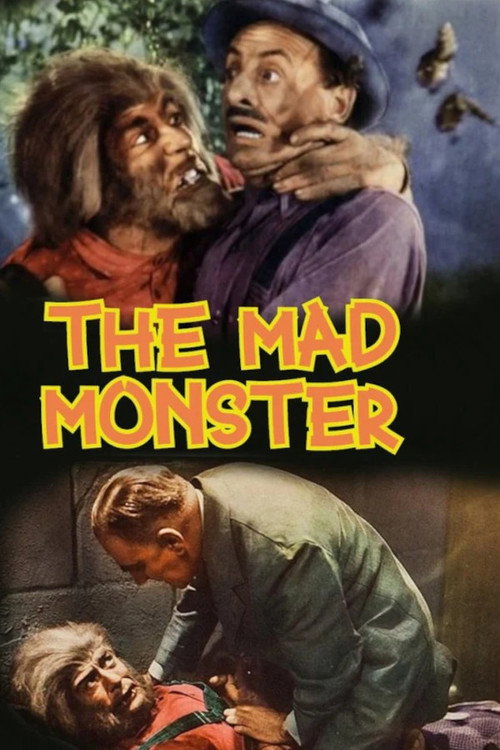
The Mad Monster1942
A scientist framed for a crime he didn't commit transforms a man into a werewolf for revenge. Same grievance as *The Man They Could Not Hang*, same era, different monster. Genuinely bleak and efficient.
But It's 60 minutes of relentless despair with no levity. The budget shows. If you need production gloss, this isn't it.
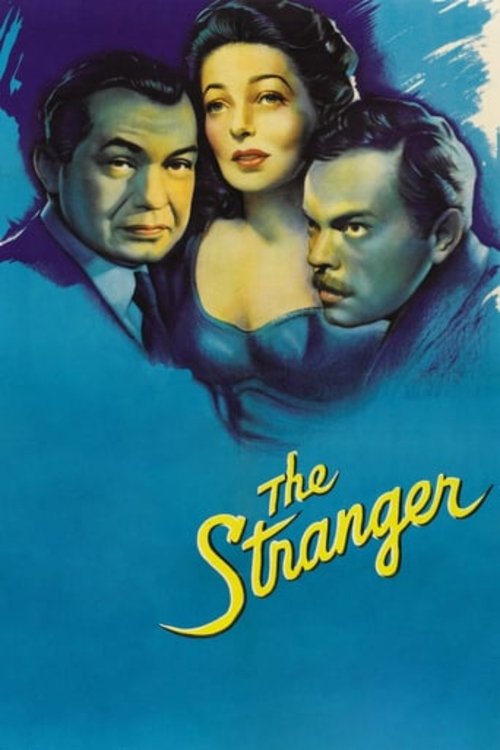
The Stranger1946
Orson Welles directs and stars in a taut revenge thriller where a war criminal hides in a small town. The paranoia and the hunting-the-hunter mechanics feel very modern, and Welles never wastes a frame.
But It's more controlled thriller than horror, and Welles' performance can feel detached. If you want emotional temperature, look elsewhere.
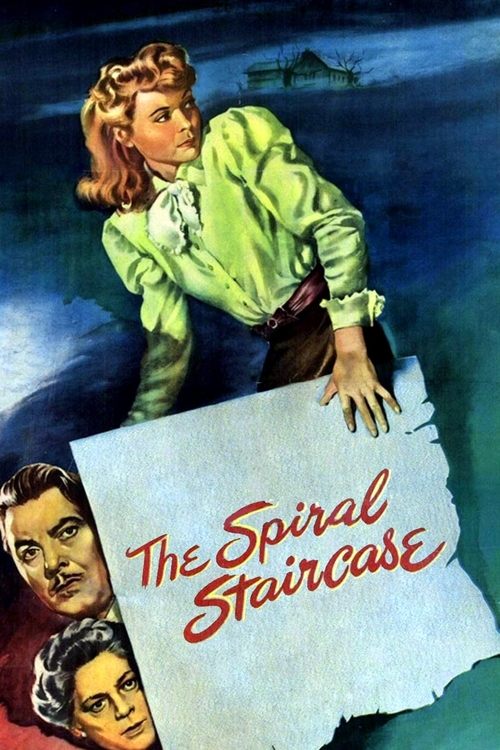
The Spiral Staircase1946
A woman trapped in a Victorian mansion with a killer who targets the vulnerable. Suspenseful without relying on gore, beautifully composed, and the final act is genuinely distressing in the best way.
But The pacing in the middle sags. And if Gothic mansions and rainy nights feel like cliché to you, you won't be surprised.
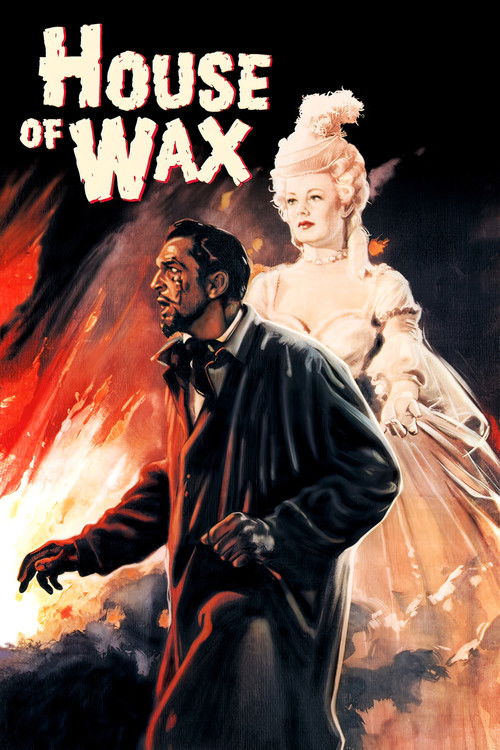
House of Wax1953
Vincent Price as a disfigured sculptor building a wax museum out of corpses. Delirious, campy fun, visually inventive in 3D, and Price's theatrical desperation is irresistible.
But The dialogue is often hilariously overwrought. If you can't laugh at it, the overwrought-ness becomes just overwrought.
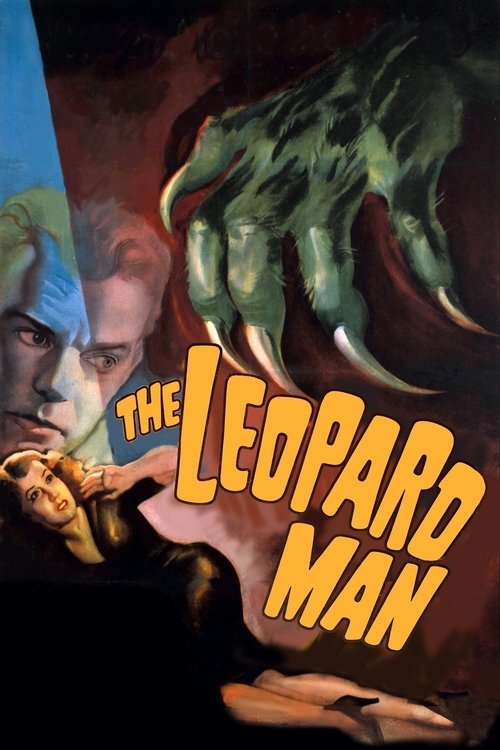
The Leopard Man1943
Jacques Tourneur brings genuine dread to a murder mystery disguised as a leopard-escape film. The imagery is haunting, the atmosphere suffocating, and it's about paranoia and scapegoating more than the plot admits.
But Nothing much *happens* until the ending. It's a mood piece masquerading as a thriller, which can feel slow if you want incident.
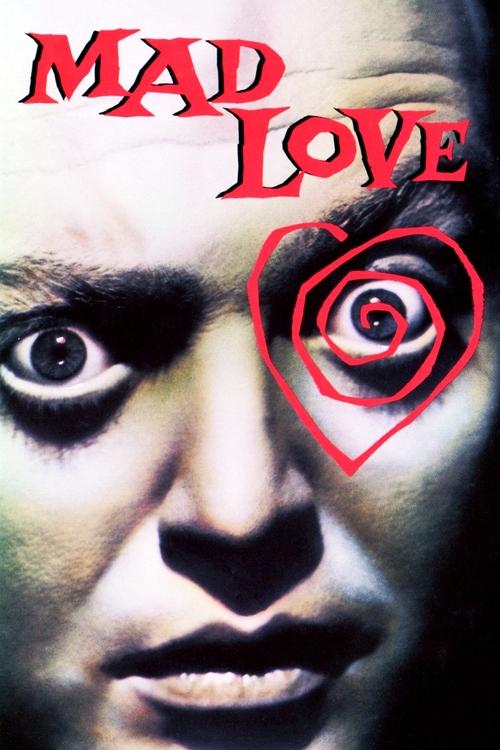
Mad Love1935
Peter Lorre as an obsessed surgeon in love with an actress, willing to wreck bodies to remake her world. Expressionistic, psychologically disturbing, and Lorre's intensity is almost unbearable.
But The gender politics are genuinely uncomfortable—not in a interesting way, just in a '30s way. And Lorre's performance can tip into the histrionic if you're not in the mood.
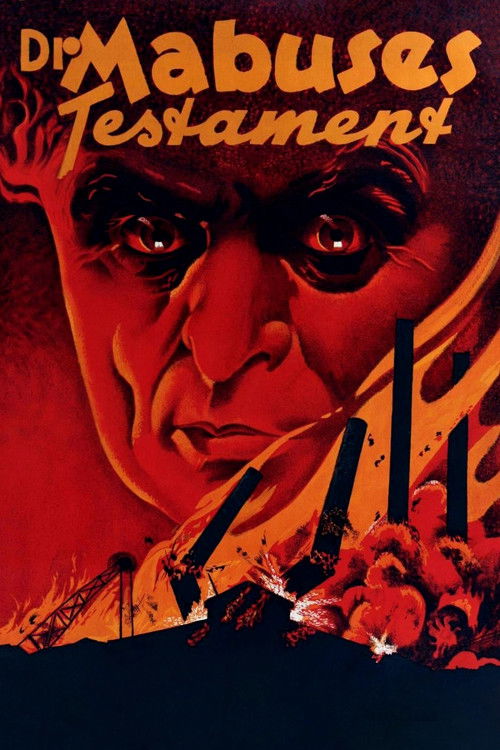
The Testament of Dr. Mabuse1933
Both films center on a seemingly dead man exerting control through proxies to destroy those who wronged him. But *Mabuse* is about the *apparatus* of revenge as philosophy; Karloff's film is about its mechanics. One is almost abstract.
Fritz Lang's expressionist masterpiece about a criminal mastermind orchestrating murders from beyond death, controlling his followers through hypnotic will. The visual language is overwhelming, the paranoia is total, and it's about systems of control and revenge that operate through proxies rather than direct action.
But It's German cinema at its most formal and demanding. The pacing is glacial, the print quality varies, and you have to accept that narrative clarity is not the goal.
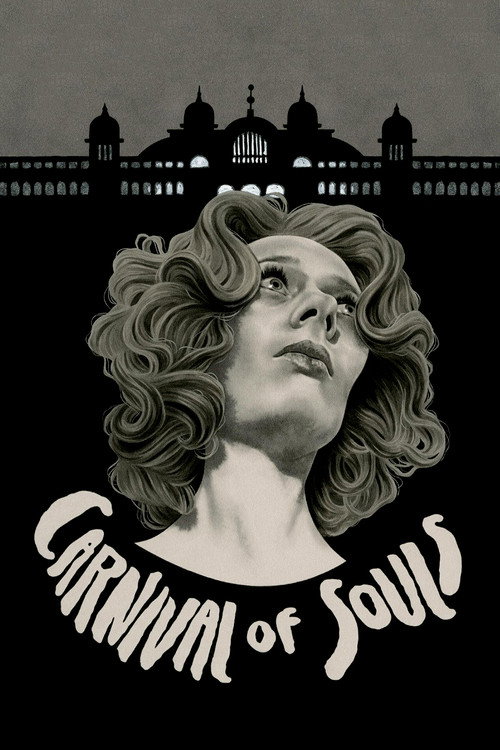
Carnival of Souls1962
Both operate on the principle of the revenant—a character resurrected or displaced from death and normalcy, forced to operate in a world that no longer contains them. But where Karloff's doctor is returned to his body and corrupted by rage, *Carnival of Souls* asks what it means to be spiritually dead while still walking around. One is active revenge; one is passive haunting.
A woman survives a car crash and wakes to find herself slowly becoming invisible to the living world, drawn toward an abandoned carnival. It's a low-budget American independent film that feels like a fever dream—existential horror disguised as a ghost story, with a final twist that retroactively rewrites everything.
But The acting is stiff, the organ score is relentless, and the budget shows in ways that are either hypnotic or amateurish depending on your tolerance. It requires faith that the weirdness is intentional.
People
Cast
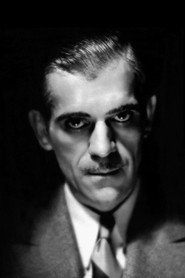 Boris KarloffDr. Henryk Savaard
 Lorna GrayJanet Savaard
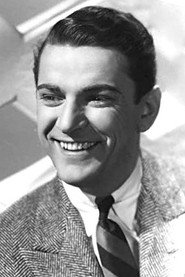 Robert Wilcox'Scoop' Foley
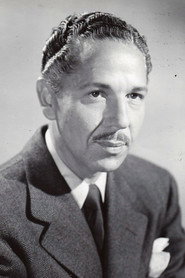 Roger PryorDistrict Attorney Drake
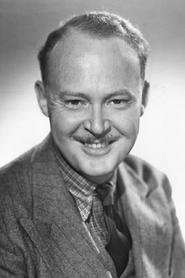 Don BeddoeLieutenant Shane
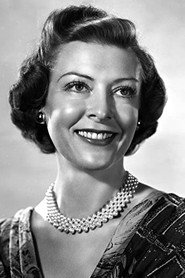 Ann DoranBetty Crawford
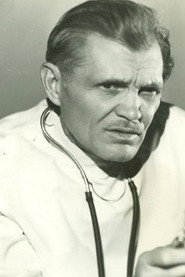 Joe De StefaniDr. Stoddard
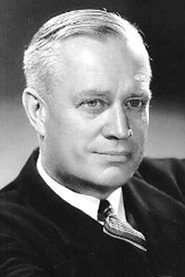 Charles TrowbridgeJudge Bowman
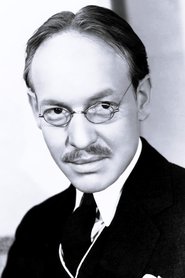 Byron FoulgerLang
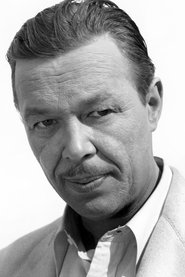 Dick CurtisJury Foreman Clifford Kearney
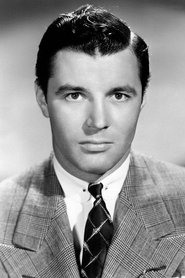 James CraigJuror Watkins
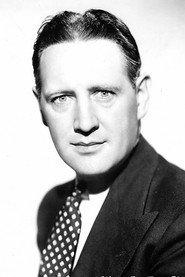 John TyrrellJuror Sutton
Directing
- Nick GrindéDirector
Writing
- Karl BrownScreenplay
- George Wallace SayreStory
- Leslie T. WhiteStory
Production
- Wallace MacDonaldProducer
Recommended by
The Devil-Doll, The Penalty, The Haunted Castle, The Ticket of Leave Man