
Film
The Ticket of Leave Man
A wrongly accused man hunted by police while a sadistic killer called The Tiger runs loose—a 1937 British melodrama that rides on Tod Slaughter's theatrical villainy. It's creaky and earnest, with stagey acting and the kind of plot mechanics that creak audibly, but it moves fast and Slaughter chews the scenery with genuine theatrical brio. For lovers of vintage horror and camp.
If you liked this
The Lodger: A Story of the London Fog1927
Hitchcock's first thriller, similarly built on a wrongly-suspected lodger and a serial killer stalking London. Tense, visually inventive, and it shows where Slaughter's theatrical school gave way to something far more psychologically cunning.
But Silent film. The pacing and acting conventions feel distant now, and the story itself is simpler than you might expect from Hitch.

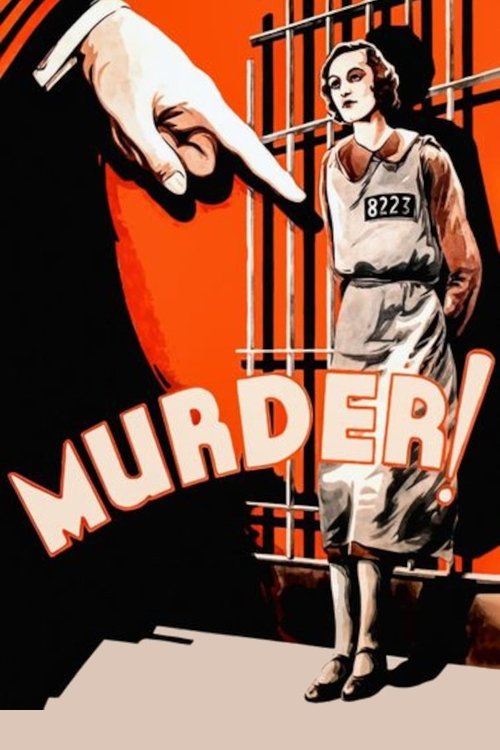
Murder!1930
Hitchcock again, but talking this time—a murder mystery where the accused may not be guilty, with courtroom drama and a killer still at large. Superior plotting and the early sound film energy that makes it feel urgent despite its age.
But Slower than modern thrillers, and some solutions feel neat rather than earned. The theatrical moments jar against the realism Hitch is reaching for.
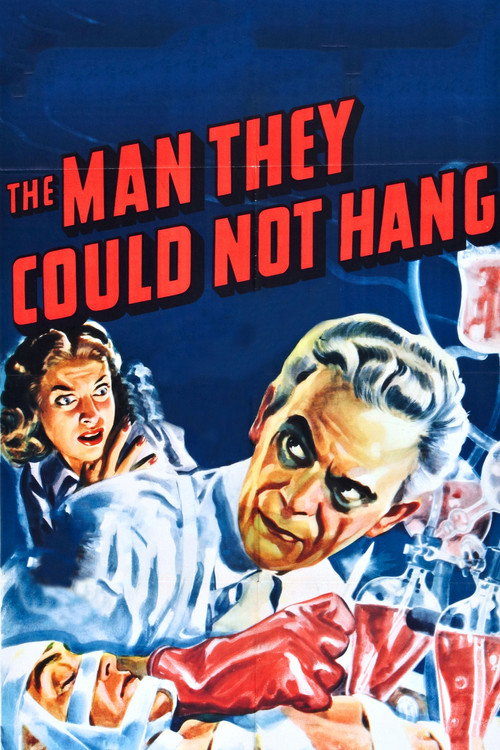
The Man They Could Not Hang1939
Boris Karloff as a wrongly condemned scientist in a revenge-murder plot. It has the same engine—innocent man, real killer, race against time—but Karloff brings genuine menace and the Columbia B-movie formula crackles with pace.
But The science is risible and the plot contortions obvious. It's shorter and snappier than real dramas, which some find unsatisfying.
Not sure tonight? Get a pick in a minute, starting from The Ticket of Leave Man
The wildcard
Something you would not have found on your own.
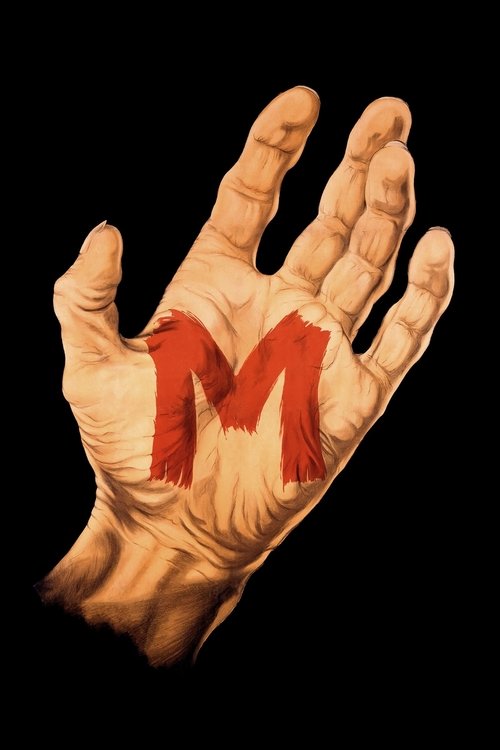
M1931
Lang's film is what Slaughter's naive melodrama could have been if it had looked at its own moral machinery. Both ask: what happens when a killer is loose and everyone suspects the wrong man? Lang answers with tragedy and system-failure; Slaughter with theatre.
Fritz Lang's masterpiece: a serial killer of children hunted by both police and the criminal underworld, with an innocent man threatened by mob suspicion. It invented the procedural thriller—real investigation, real stakes, real horror. The best film ever made about how mobs turn on the wrong target.
But It's German, subtitled, and 90 minutes of relentless bleakness about mob justice and failed systems. The child murders are suggested, not shown, but the dread is suffocating. Not an evening watch for lightness.
More like this (7)
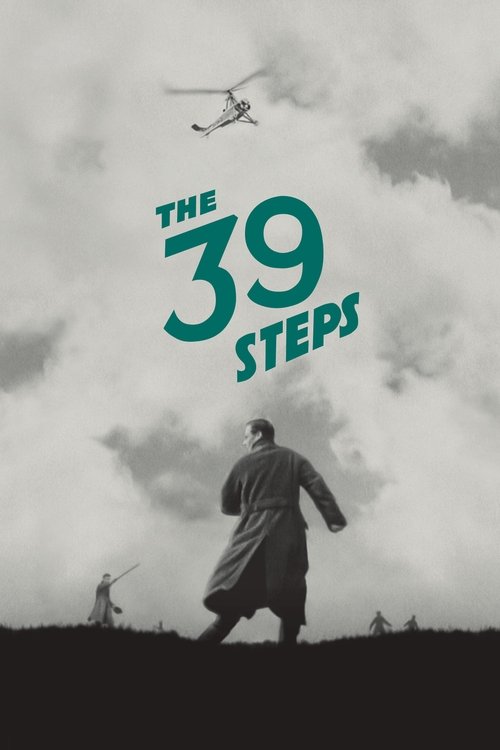
The 39 Steps1935
Hitchcock's supremely entertaining chase thriller: innocent man on the run, real spies still active, wronged woman slowly convinced of his innocence. It's jaunty and brilliantly structured, and it moves like a film that knows exactly what it's doing.
But The plot is a bit slight and the patriotic finale sits uneasily. Some sequences feel padded with comic business when you want momentum.
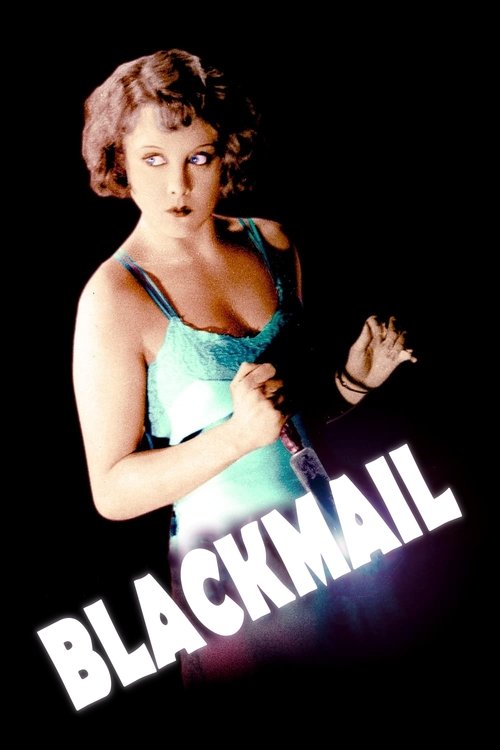
Blackmail1929
Hitchcock's first talkie: a woman kills a man in self-defence, a detective friend investigates, blackmail complicates everything. It's the template for much that followed—guilt, police procedure, a secret that unravels. Genuinely tense.
But The early sound recording is thin and odd, and the acting swings wildly between naturalistic and silent-era exaggeration. The ending feels rushed.
Rope1948
Two men murder a friend and hide the body in a chest, then host a dinner party while a former teacher grows suspicious. Real-time tension, brilliant staging, and James Stewart's dawning horror. An absolute masterclass in suspicion.
But The gimmick—one or two long takes—can feel like a constraint rather than a choice. Some find the dialogue arch and the murder mechanics implausible.

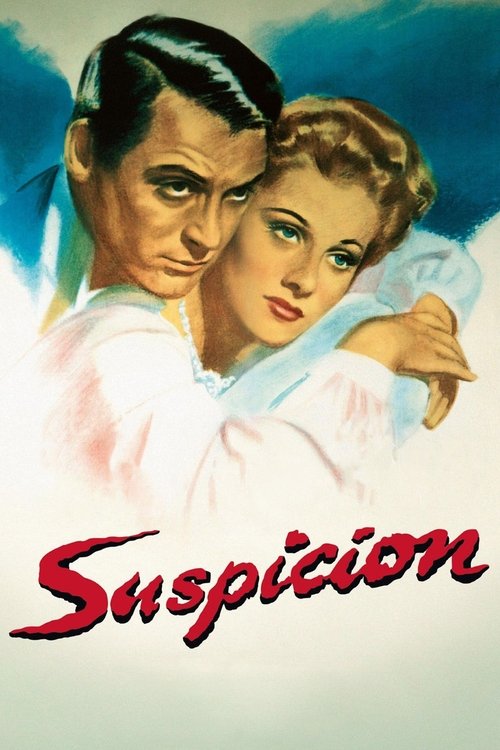
Suspicion1941
Cary Grant as a man his wife increasingly believes might be trying to kill her. A perfectly wound spring of paranoia and misdirection, with Grant doing the inverse of his charm—playing suspicion itself. Hitchcock at his most playful with doubt.
But The ending disappoints many, feeling tacked-on by studio interference. The paranoia can feel thin if you're not invested in the psychology.
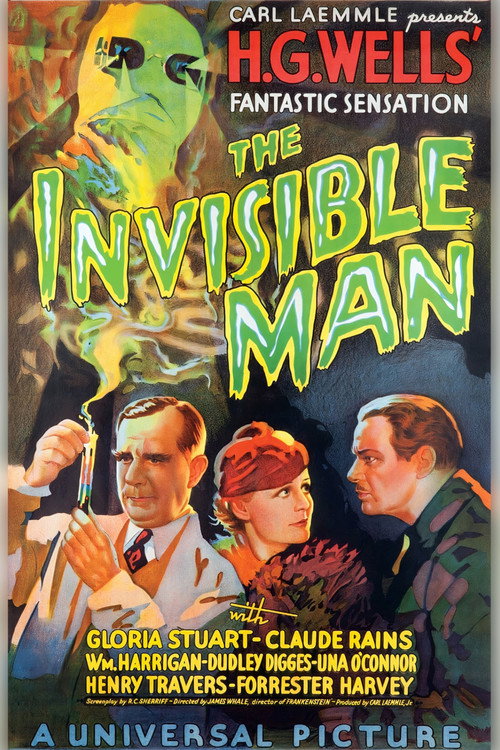
The Invisible Man1933
James Whale's Gothic thriller: a scientist rendered invisible becomes a serial killer hunted by police and civilians. It has the same wrongly-accused energy, but inverted—the killer is invisible, literally. Visually ingenious and genuinely unsettling.
But The tone wavers between horror and comedy in ways that don't always land. Some sequences are silly in ways the film doesn't intend.
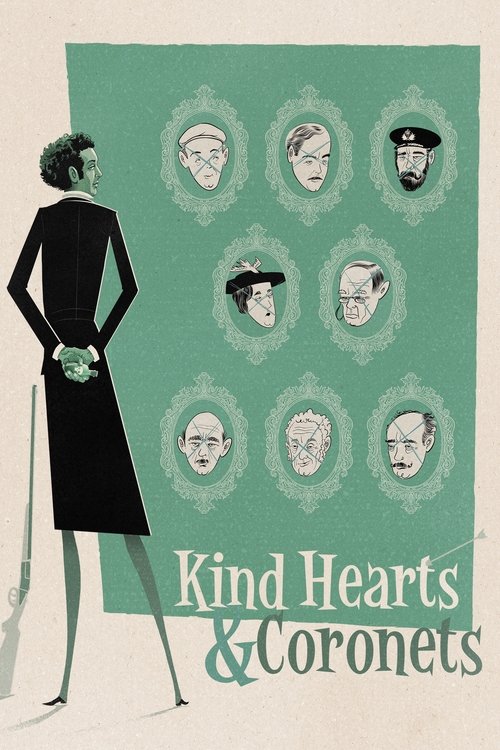
Kind Hearts and Coronets1949
Dennis Price plays a man falsely imprisoned for a murder he didn't commit, while Alec Guinness plays eight relatives. A comedy-thriller that proves wronged-man plots can be funny without losing their edge. Witty, dark, supremely controlled.
But The humour is very dry and the satire on class won't land if you're not attuned to it. Some find it cold beneath the gallows jokes.
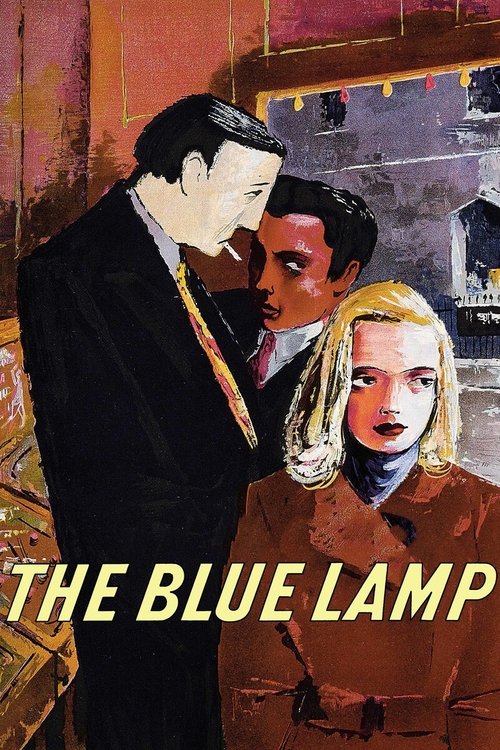
The Blue Lamp1950
Where Ticket of Leave Man is stagey Victorian melodrama chasing a killer, Blue Lamp is post-war realism doing the same work. Both are about catching killers; they're separated by technology, procedure, and what British cinema believed about justice. A genealogy, not a predecessor.
A British police procedural about a hunt for a young killer after he murders a cop. It's rooted in real procedure and real geography, with uniformed officers doing patient investigative work. Dirk Bogarde is unnervingly human as the killer. It shows how the police thriller evolved from Victorian melodrama into something modern and sociological.
But It's slower than a chase thriller and more interested in police routine than in suspense. The pro-police stance feels dated and the tone is deliberately unglamorous, which some find dull.
People
Cast
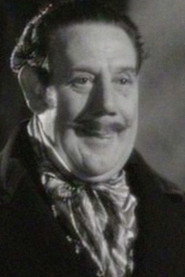 Tod SlaughterThe Tiger
- John WarwickRobert Brierly
- Marjorie TaylorMay Edwards
 Robert AdairHawkshaw the Detective
 Peter GawthorneJoshua Gibson
- Jenny LynnMrs. Willoughby
- Arthur West PayneSam Willoughby
- Norman PierceMaltby
- Billy BrayJackson
- Robert Brooks TurnerJoe Skerritt
- Ben WilliamsDetective
- Frank CochranMelter Moss
Directing
- Hal MasonAssistant Director
- Tom CundallAssistant Director
- George KingDirector
- E.M. Smedley-AstonFirst Assistant Director
Writing
- A.R. RawlinsonWriter
- H.F. MaltbyWriter
Production
- George KingProducer