
Film
Murder!
Hitchcock's first sound thriller about a juror haunted by his own cowardice. A woman stands trial for murder; our hero votes guilty with the crowd, then can't live with it. Tense, morally urgent, and fascinatingly uncertain—Hitch learning to talk while discovering that doubt is scarier than certainty.
Should you watch it?
Watch it if you enjoy a courtroom-set puzzle where a juror's guilt over his own vote drives the detective work, and you don't mind creaky early-sound staging for a slow-building sense of moral unease.
Skip it if you need brisk pacing and modern camerawork, since much of this is talky, stage-bound and built on dialogue passed back and forth in rooms.
What it asks of you: It moves at a measured, unhurried clip over roughly an hour and forty minutes, and it wants you to listen closely to people talking rather than chase spectacle.
Not sure? Find tonight's pick in a minute.
If you liked this
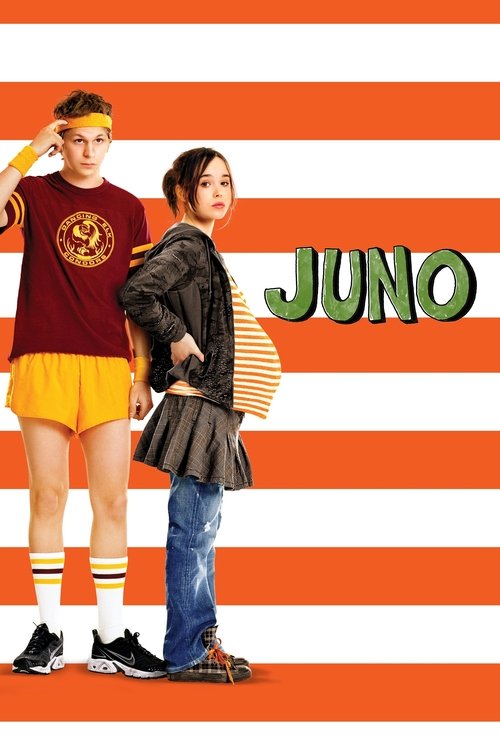
Juno2007
A protagonist you're rooting for faces judgment from people who don't know them. Funny and heartbreaking by turns, it captures how quickly society decides who you are and how hard it is to prove them wrong.
But The quirky indie tone and fast-talking dialogue feel very of-their-moment. Some find the relentless cuteness exhausting.
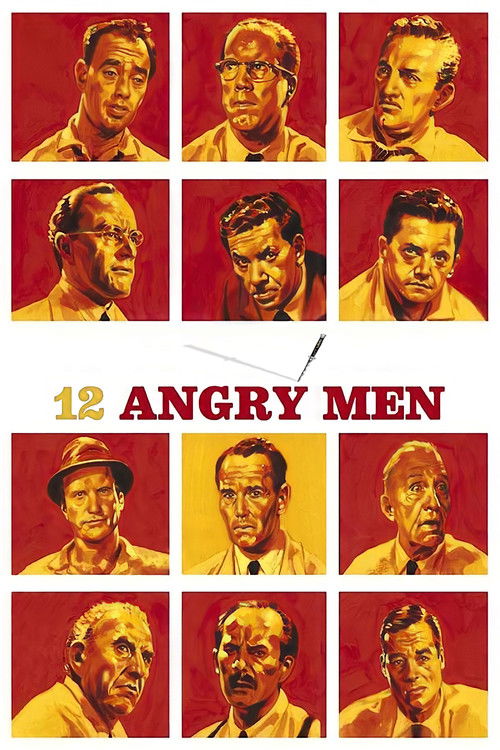
12 Angry Men1957
The definitive film about jury doubt and conscience. One man argues for reasonable doubt while eleven push for conviction. Confined, talky, absolutely gripping—every scene builds moral pressure.
But It's a courtroom procedural from 1957. If you need action or spectacle, this has neither. Watching people argue in a room for two hours won't appeal to everyone.
The Lodger: A Story of the London Fog1927
Hitchcock's own masterpiece of suspicion and wrongful accusation. A landlady suspects her mysterious tenant is a killer. Silent, but the visual storytelling is so urgent it barely matters—pure cinema.
But No dialogue at all. If you're uncomfortable with silent film, the pace and emotional register will feel foreign, even if you admire the craft.

Not sure tonight? Get a pick in a minute, starting from Murder!
The wildcard
Something you would not have found on your own.
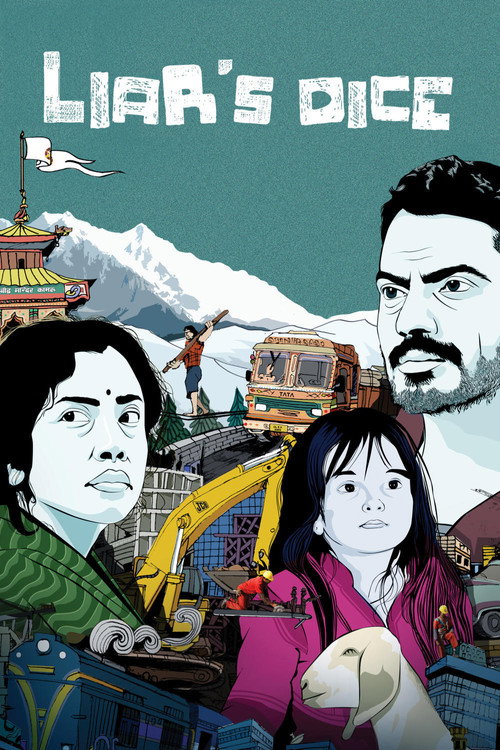
Liar's Dice2013
Both center on a protagonist forced to reckon with the gap between what they believed was true and what actually happened. Both ask: what does the law prove, and what does justice require?
An acclaimed man of influence is accused of assault by a working woman nobody believes. The film watches their power imbalance become a trial of character and testimony. Recent, visceral, and structurally about who gets to be judged and who gets to judge.
But Romanian language. Deliberately paced. Contains sexual assault and its aftermath. Not a comfortable watch, and the lack of catharsis might feel punitive.
More like this (8)
In Cold Blood1967
A true crime procedural about investigators hunting real murderers, made before true crime was a genre. Meticulous, chilling, and genuinely about what it costs to hunt evil—nobody feels clean.
But It's bleak and methodical. There are no heroes here, just exhaustion and moral compromise. The pacing is deliberate; patience is mandatory.
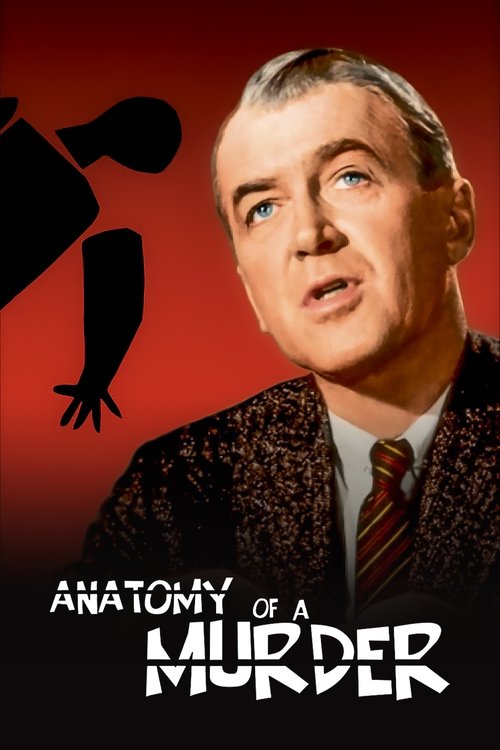
Anatomy of a Murder1959
A defense attorney defending an accused killer must navigate a town's prejudice and his own doubts. Intelligent, procedural, and genuinely about whether the law serves justice or just reflects power.
But Nearly three and a half hours of courtroom argument and strategy. Legal complexity and slow pacing will bore anyone seeking a conventional thriller.
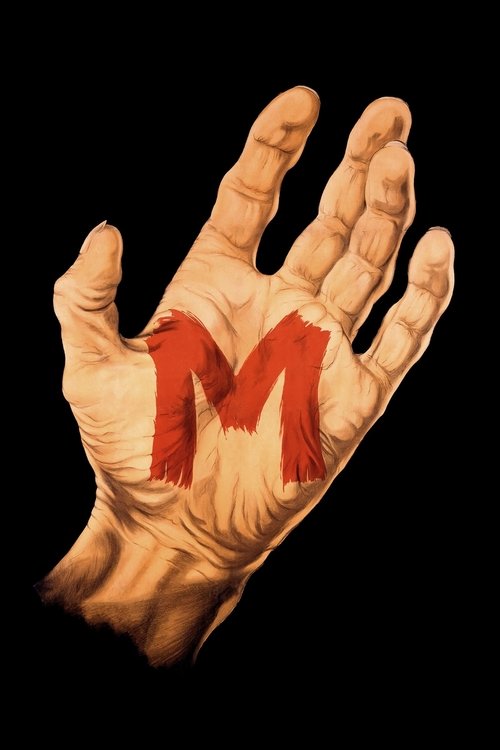
M1931
A city hunts a child murderer through both law enforcement and the criminal underworld. Weimar expressionist noir; morally ambiguous and technically stunning. About how vengeance and justice are not the same thing.
But German language (subtitled). The central crime is infanticide. It's bleak and difficult—not a film to watch passively or for entertainment.
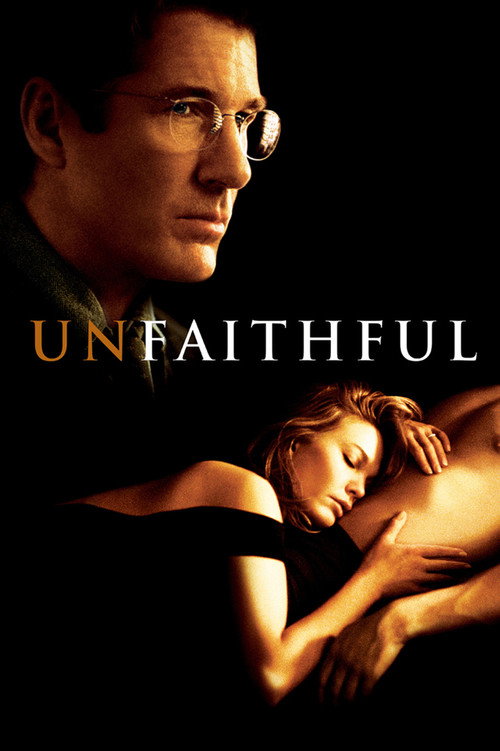
Unfaithful2002
A woman's infidelity spirals into violence, and suddenly you're unsure who to blame or root for. Slick thriller that uses moral ambiguity as its real engine, not plot mechanics.
But It's fundamentally about sexual transgression and betrayal—emotionally messy rather than satisfying. Some find it uncomfortable rather than engaging.
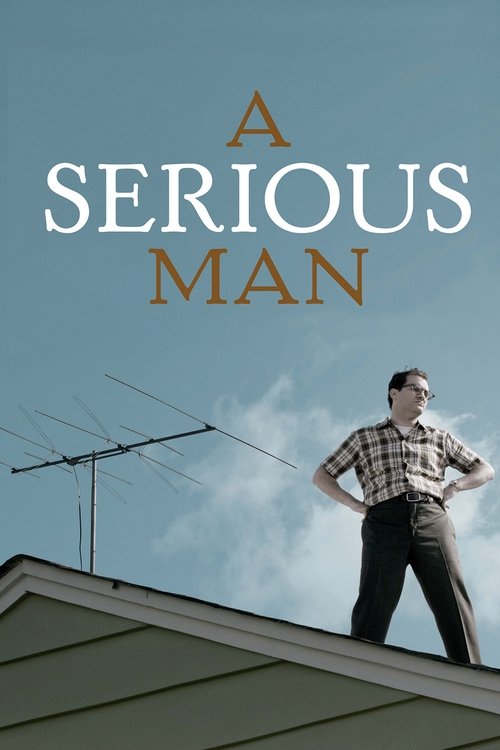
A Serious Man2009
A man's life collapses and nobody—not his wife, not his rabbi, not his lawyer—can or will help. It's about being judged without being heard, and the Coens turn that into both comedy and existential horror.
But There's no resolution. The whole point is that systems fail and the accused stays accused. If you need narrative closure, this will frustrate you deliberately.
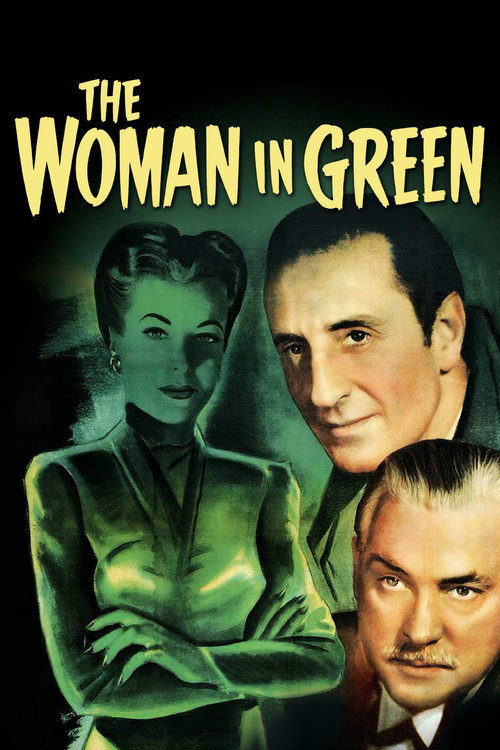
The Woman in Green1945
Basil Rathbone's Holmes must prove innocence against overwhelming circumstantial evidence. A solid mystery that knows how to build reasonable doubt, with the pleasure of Holmes doing detective work rather than accepting assumptions.
But It's a minor entry in the Holmes canon. Serviceable rather than inspired, and if you're not already interested in Rathbone's take on Holmes, there's no compelling reason to start here.
Ghostland2018
Like Menier, the viewer must decide: do I believe what I'm seeing? Is the accused guilty or is the witness corrupted? The film makes that doubt physical and inescapable, not intellectual.
A survivor's account of trauma becomes unreliable evidence in a trial about whether her memories can be trusted. Formally inventive horror that uses the nature of testimony and proof as its deepest nightmare.
But Transgressive body horror and sexual violence. Deliberately disorienting narrative. Some will find the form more interesting than the experience—which is the whole point, and also exhausting.

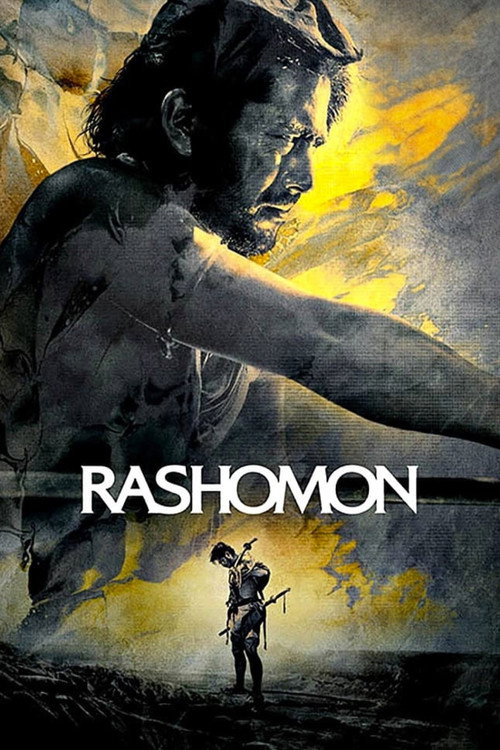
Rashomon1950
Both dramatize the terror of jury duty: you must decide guilt or innocence on testimony that contradicts itself. Both suggest that the verdict might matter less than the doubt you carry afterward.
Four people describe the same crime four entirely different ways. A Kurosawa masterpiece about how truth and perspective are not the same thing, and how the law assumes one story when four exist simultaneously.
But The plot is deceptively simple; the film asks you to hold contradictions without resolution. If you need a definitive answer to 'what really happened,' you'll leave frustrated.
People
Cast
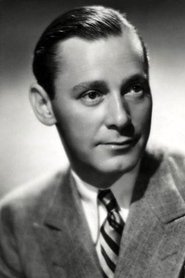 Herbert MarshallSir John Menier
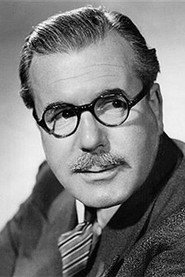 Edward ChapmanTed Markham
 Esme PercyHandel Fane
 Norah BaringDiana Baring
 Phyllis KonstamDoucie Markham
- Marie WrightMiss Mitcham
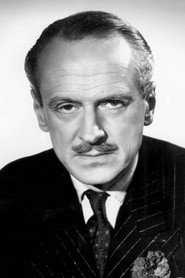 Miles ManderGordon Druce
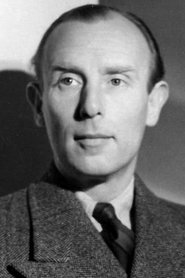 Gus McNaughtonTom Trewitt (uncredited)
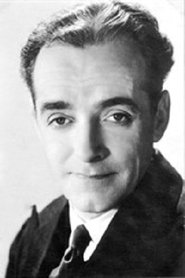 Donald CalthropIon Stewart
 S. J. WarmingtonBennett
- Esme V. ChaplinProsecuting Counsel
- Amy Brandon ThomasDefending Counsel
Directing
- Frank MillsAssistant Director
- Alfred HitchcockDirector
Writing
- Alfred HitchcockAdaptation
- Walter C. MycroftAdaptation
- Clemence DaneNovel
- Helen SimpsonNovel
- Alma RevilleScenario Writer
Production
- John MaxwellProducer
Recommended by
Accused, Stage Fright, The Crimes of Stephen Hawke, The Ticket of Leave Man