
Film
The Crimes of Stephen Hawke
A 1936 British melodrama that wraps a period crime story inside a BBC radio broadcast framing device. Tod Slaughter chews scenery as a villainous moneylender; the whole thing has the theatrical unreality of a stage play filmed on a shoestring. It's camp horror for people who like their villainy obvious and their moral universe uncomplicated.
Should you watch it?
Watch it if you relish villain-led gothic melodrama played with a straight face, and enjoy watching an old-fashioned stage performer chew up every scene in a creaky, atmospheric British picture.
Skip it if the acting is broad and the staging stagey, so if you need restrained performances or modern pacing, the stiff sets and theatrical shouting will wear thin quickly.
What it asks of you: Barely over an hour long, it moves in theatrical bursts, settles into lurid gloom, and wants you to accept its stage-bound conventions without a wink.
Not sure? Find tonight's pick in a minute.
If you liked this
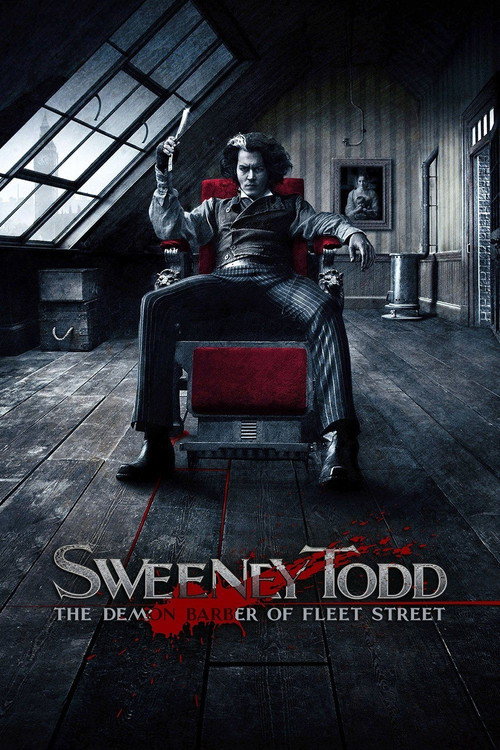
Sweeney Todd: The Demon Barber of Fleet Street2007
Tim Burton's lush, grotesque adaptation captures that same Victorian melodrama energy—murderous protagonist, elaborate revenge, gorgeous production design wrapped around pulp storytelling. Johnny Depp fully commits to the theatrical darkness.
But The pacing meanders, and it's visually overworked in places. Some find it self-consciously artful rather than genuinely scary.
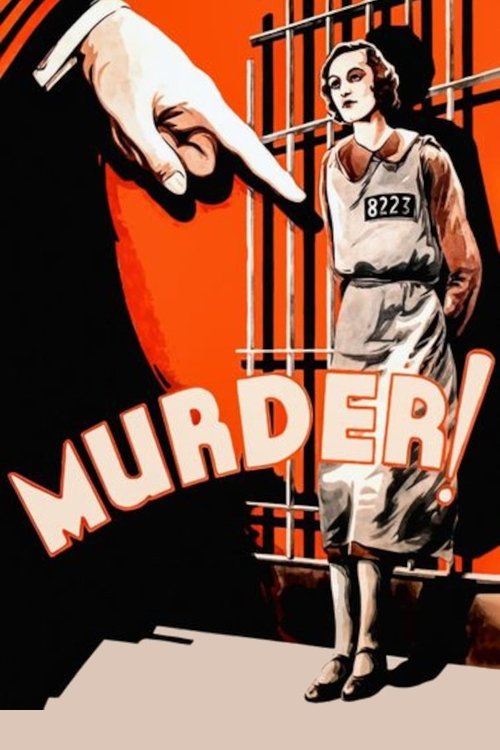
Murder!1930
Hitchcock's early thriller about a murder trial and hidden criminals, made just six years before this film. It shares the same Anglo-British restraint and theatrical sensibility, but with tighter plotting and Hitch's emerging mastery of suspense.
But It's a talkie from 1930, which means theatrical delivery and static framing. The pacing requires patience.
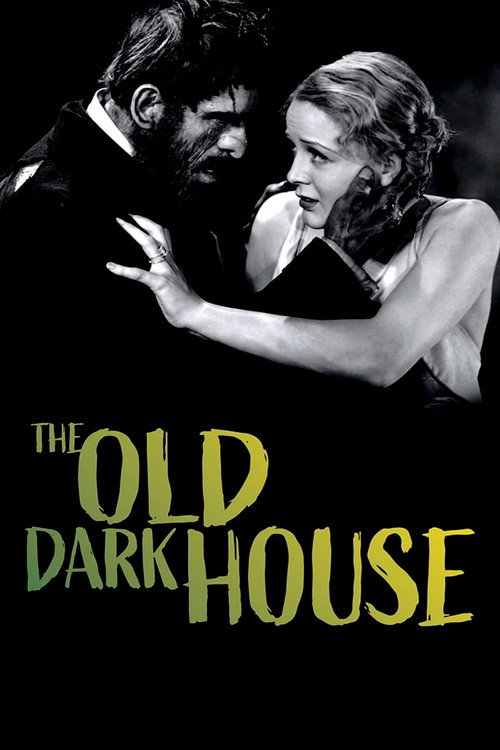
The Old Dark House1932
James Whale's creaky, funny Gothic mystery about strangers trapped together. It has that same blend of horror and camp—takes itself just seriously enough while winking at how outlandish everything is.
But The horror beats don't land hard; it's more atmospheric dread than scares. Some sequences drag.
Not sure tonight? Get a pick in a minute, starting from The Crimes of Stephen Hawke
The wildcard
Something you would not have found on your own.
The Phantom Carriage1921
Both use the supernatural to enforce a rigid moral universe where villainy must be answered. But where Hawke is stage-bound and obvious, this is dreamlike and ambiguous—same engine, utterly different register.
Arne Börglund's Swedish masterpiece: a man is visited by ghosts on New Year's Eve and shown the consequences of his cruelty. Like Hawke, it's a moral melodrama about sin and punishment, but rendered through visual poetry instead of theatrical bombast. Genuinely haunting where Hawke is entertainingly hammy.
But It's silent, slow-paced, and demands emotional engagement rather than plot momentum. The restored prints can vary wildly in quality.

More like this (8)
Rope1948
Hitchcock again, this time a real-time thriller staged almost like a play—two murderers hosting a dinner party. The theatrical constraint becomes unbearable tension. It's proof that limiting yourself can amplify everything else.
But The gimmick (shot in one take, more or less) occasionally shows its seams. The dialogue can feel stiff and performative.

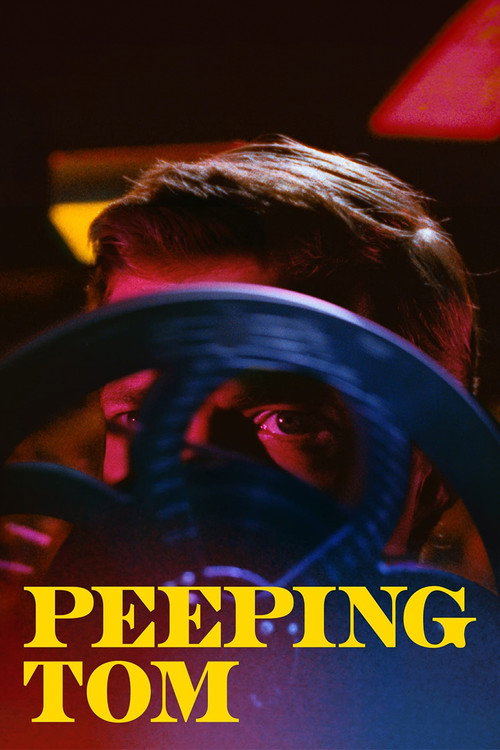
Peeping Tom1960
Michael Powell's genuinely unsettling film about a serial killer who films his murders. It shares the fascination with theatrical performance and voyeurism, but with a darker, more modern sensibility. Genuinely disturbing where Hawke is arch.
But This is seriously bleak. It's not fun in the way Hawke is; it can feel grimy and exploitative to some viewers.
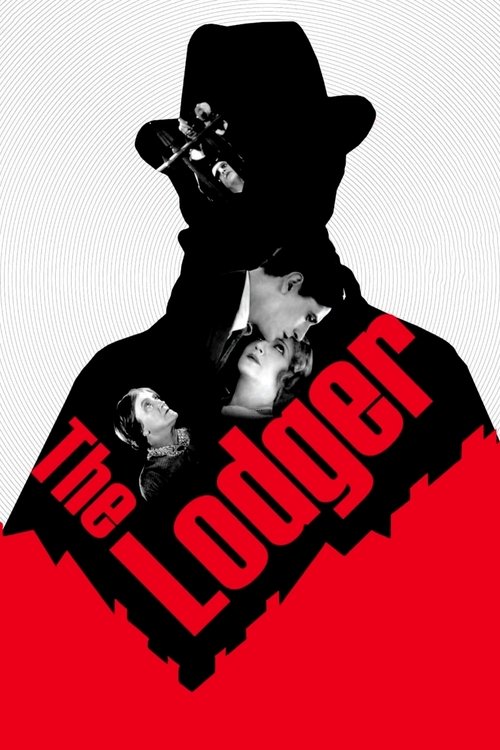
The Lodger: A Story of the London Fog1927
Hitchcock's silent film about a mysterious lodger suspected of being a serial killer. Pure suspicion and visual storytelling—it shows how much you can convey without dialogue, which makes the theatricality of 1936 sound films feel even more performative by comparison.
But It's silent, which requires a different rhythm of watching. The plot is thin by modern standards.
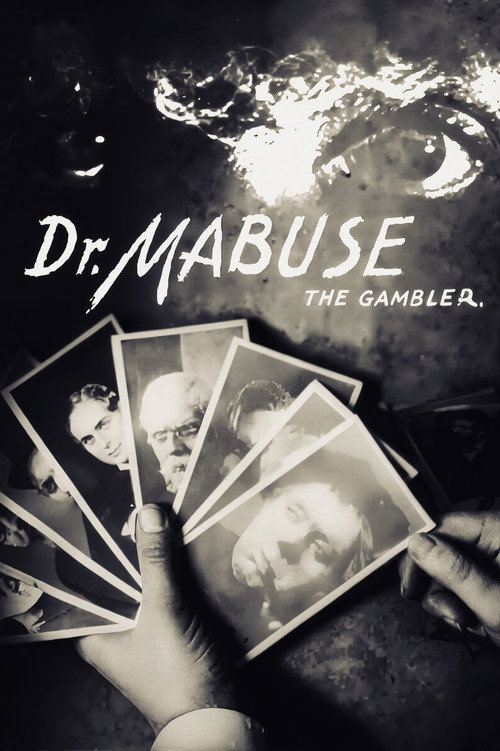
Dr. Mabuse, the Gambler1922
Fritz Lang's German expressionist epic about a criminal mastermind—theatrical, visually striking, genuinely menacing. It shows what the melodramatic villain archetype could do in more sophisticated hands.
But It's nearly three hours, silent, and stylistically extreme. The pacing is glacial by modern standards.
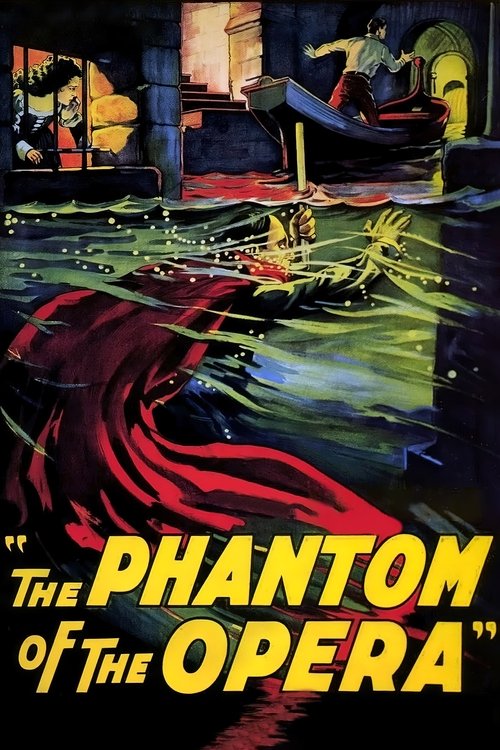
The Phantom of the Opera1925
Lon Chaney's iconic performance in a Gothic melodrama about a disfigured genius haunting an opera house. Similar DNA—theatrical villainy, period setting, grotesque imagery, the romance of the macabre.
But It's silent and relies heavily on Chaney's physical performance. The plot is thin, and the pacing requires patience.
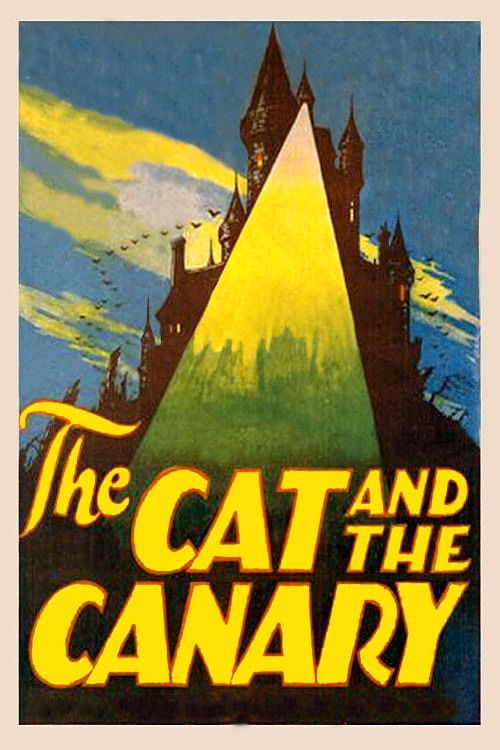
The Cat and the Canary1927
A theatrical mystery-comedy about an inheritance, a dark house, and mounting paranoia. It has Hawke's blend of melodrama and camp, but with more wit and a faster pace. Early Hitchcock energy before Hitchcock fully owned it.
But It's silent and sometimes feels more comedy than horror, which can undercut the tension. Some gags don't translate well.
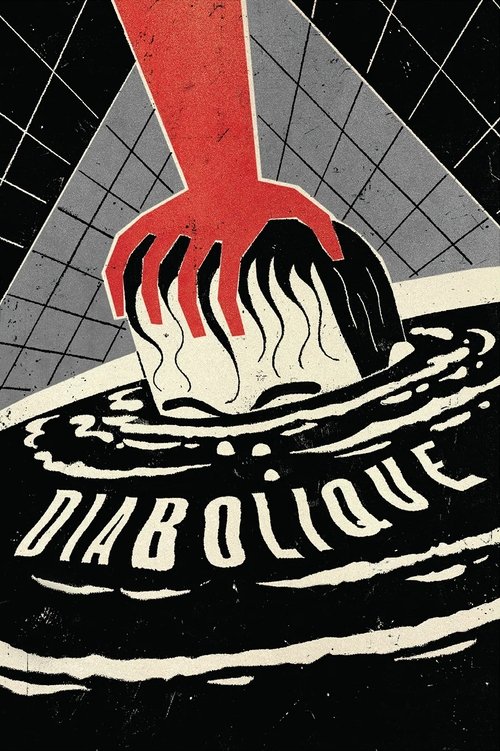
Diabolique1955
Both hinge on elaborate murder plots and feature women conspiring against a tyrannical man. But Hawke delights in the villain's theatrical monologues, while Clouzot is interested in the actual psychological cost of murder. Different moral temperatures entirely.
Henri-Georges Clouzot's French thriller about two women plotting to murder a man. Genuinely suspenseful and visually inventive—it shows what you can do with the same melodramatic setup if you trust the audience's intelligence and swap theatricality for psychological dread.
But It's in French with subtitles, and the pacing is deliberate. The violence is more disturbing than you might expect; it's bleak rather than fun.
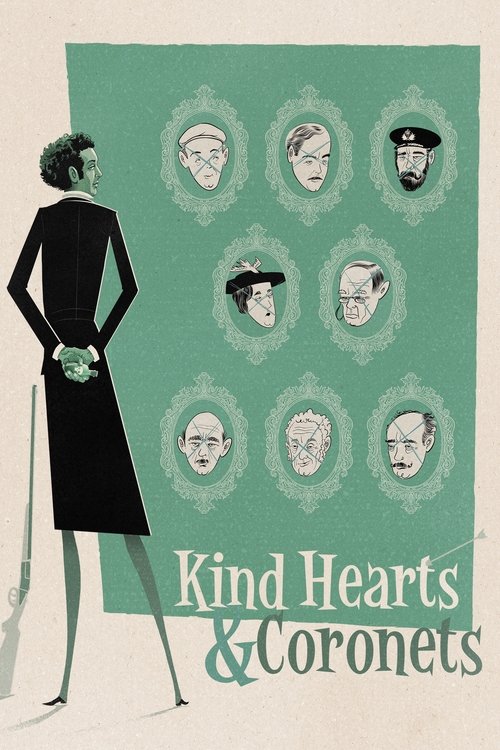
Kind Hearts and Coronets1949
Both celebrate the theatrical villain and take pleasure in elaborate, theatrical plotting. But where Hawke plays it straight and asks you to hiss at the baddie, Coronets is fundamentally about exposing how absurd the whole enterprise is—same DNA, opposite intent.
Ealing comedy where Dennis Price murders his way through eight relatives to inherit a dukedom, with Alec Guinness playing all eight victims. It's everything Hawke reaches for—theatrical villainy, elaborate plotting, mordant humor—but controlled by a genuinely witty script. Melodrama made elegant.
But It's a comedy-thriller about serial murder, which some find tonally uncomfortable. The British class humor doesn't always land now.
People
Cast
 Tod SlaughterStephen Hawke
- Marjorie TaylorJulia Hawke
- D.J. WilliamsJoshua Trimble
 Eric PortmanMatthew Trimble
- Graham SouttenNathaniel
- Gerald BarryMiles Archer
- George M. SlaterLord Brickhaven
- Charles PenroseSir Franklin
- Norman PierceLandlord
- Flotsam and JetsamThemselves
Directing
- Ronald KinnochAssistant Director
- George KingDirector
Writing
- Frederick HaywardScreenplay
- H.F. MaltbyWriter
- Jack CelestinWriter
- Paul WhiteWriter
Production
- George KingProducer
- Harold RichmondProduction Manager