
Film
The Castle of Fu Manchu
A 1969 spy-adventure film where Christopher Lee's Fu Manchu threatens global catastrophe through oceanic freezing while Interpol's Nayland Smith races to stop him. Pulpy, earnest, and visually strange—a product of its era when Bond knock-offs roamed European studios. For those who love campy villain lairs and mid-century sci-fi melodrama without irony.
Should you watch it?
Watch it if you enjoy lurid, tongue-in-cheek pulp serials where a villain's gadgets and gleeful menace matter more than psychology, and you don't mind a stiff-upper-lip hero chasing him around.
Skip it if you want modern pacing or real suspense; the plot is episodic and leans on talky exposition, and the scares are mostly theatrical rather than frightening.
What it asks of you: A brisk ninety-odd minutes that moves set piece to set piece, so it asks you to go along with its cheerful improbabilities rather than track intricate clues.
Not sure? Find tonight's pick in a minute.
If you liked this
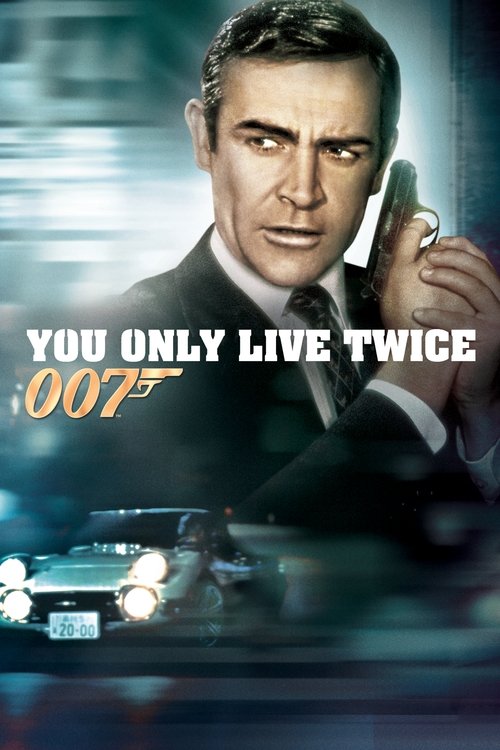
You Only Live Twice1967
The template for everything here: exotic locations, globe-threatening schemes, a brilliant villain's impossible lair. Sean Connery at peak Bond, Blofeld's reveal, and a volcano base that makes mere laboratories look timid.
But If you want serious espionage, this trades it for gadgetry and spectacle. Some find the pacing slack in the middle act.
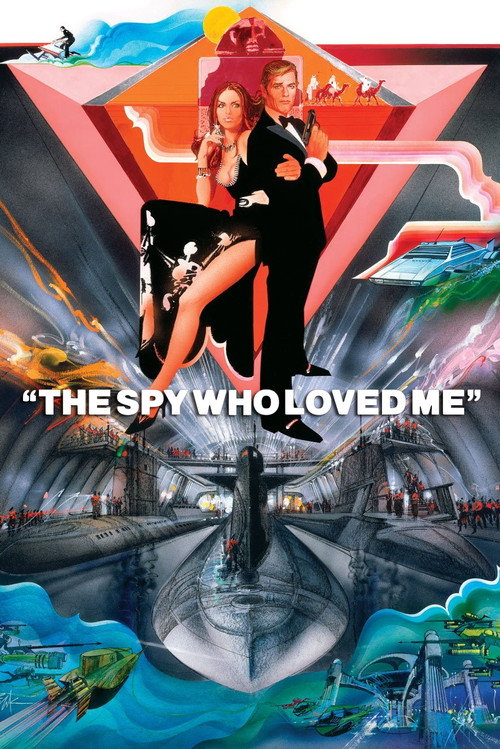
The Spy Who Loved Me1977
Roger Moore's debut as Bond captures the exact energy Fu Manchu reaches for: absurd plots, impossible sets, a towering villain, and the confidence that the audience will buy anything if you commit. Jaws alone is worth it.
But The tone is closer to pantomime than thriller. If you want tension or moral weight, look elsewhere.
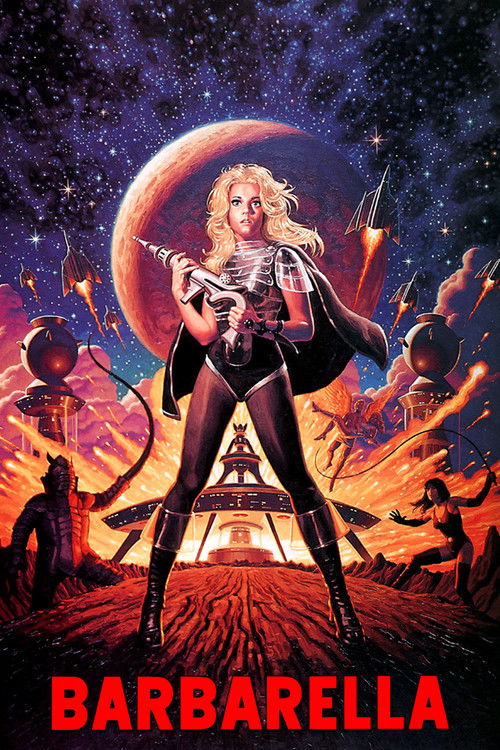
Barbarella1968
The same year's fever dream of camp sci-fi production design. Jane Fonda in a space suit, a villain with impossible architecture, and a commitment to its own absurdity that somehow makes it endearing rather than ridiculous.
But It's deliberately silly in ways some find grating. The plot barely holds together and the satire wears thin by the end.
Not sure tonight? Get a pick in a minute, starting from The Castle of Fu Manchu
The wildcard
Something you would not have found on your own.
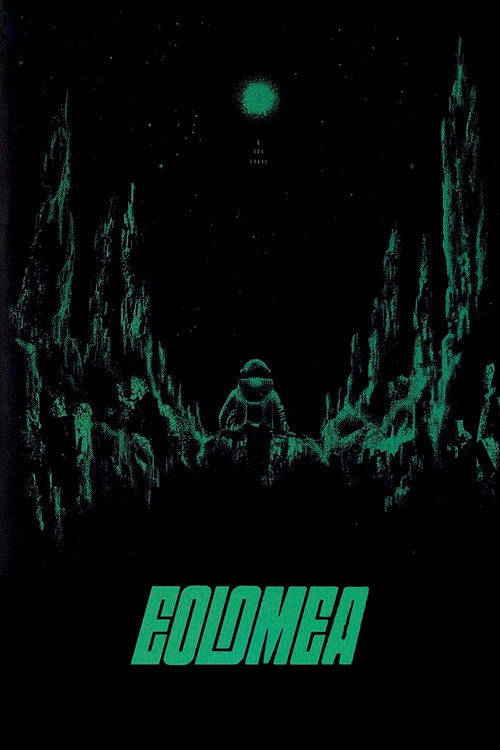
Eolomea1972
Both use sci-fi catastrophe plots as skeleton for exploring power and agency. Fu Manchu seeks control; Eolomea suffers it. The threat is the same register; the perspective is inverted.
A Slovak sci-fi film about a woman exposed to cosmic radiation whose body becomes a weapon. Like Fu Manchu but inverted: instead of a mad genius plotting from a lair, a ordinary person becomes the impossible engine of destruction. Same pulpy threat-to-civilization DNA, totally different emotional core.
But It's slow, philosophical, and Eastern European—the opposite of zippy adventure. Some scenes verge on glacial. Subtitled, naturally.
More like this (8)
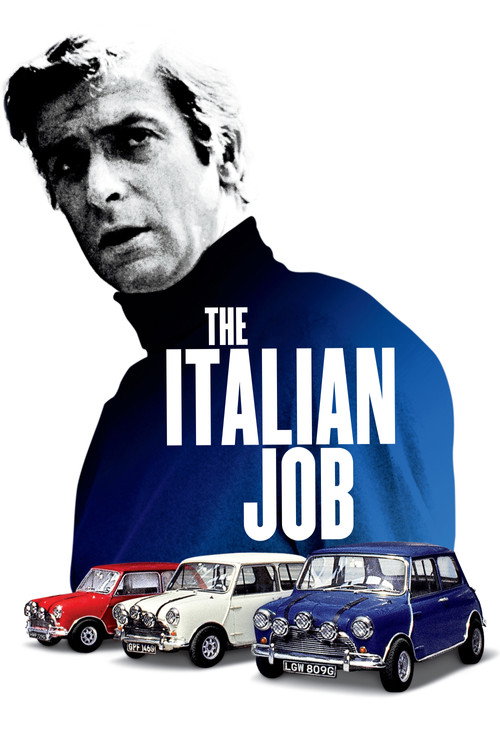
The Italian Job1969
Released the same year, this heist caper has the same European sensibility and playful villainy. Tighter plotting and a better script, but the same DNA of cheeky adventure and impossible schemes.
But It's a heist film, not a spy thriller, so the tone and stakes are lighter. Might feel too breezy if you want genuine peril.
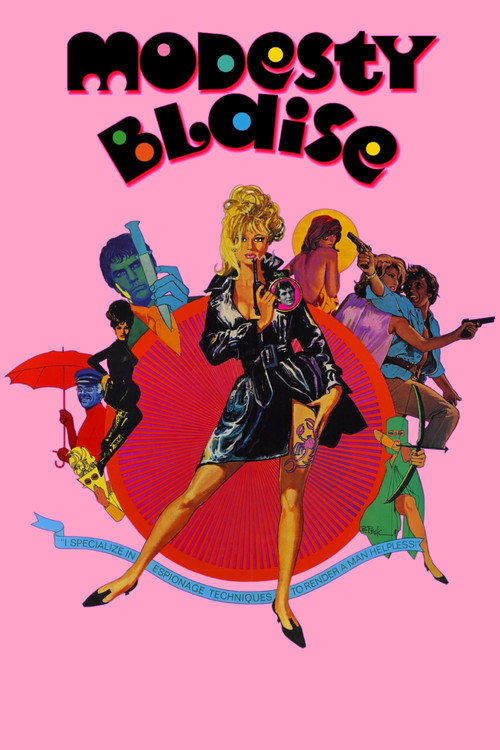
Modesty Blaise1966
A London spy-caper with Monica Vitti that understands camp as an aesthetic choice rather than an accident. Psychedelic, colorful, committed to its own weirdness in ways that elevate the pulp.
But The plot is genuinely hard to follow. It assumes you're along for the ride, not the logic.
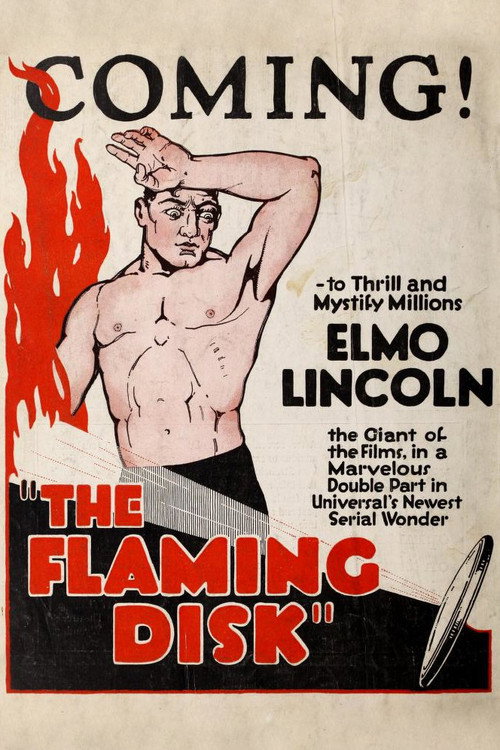
The Flaming Disk1920
A serial that shows the DNA of this kind of adventure—masked villains, impossible inventions, breathless pacing, and the willingness to escalate. Fu Manchu descends directly from this lineage.
But It's a 1920 serial, so it moves in chapters and assumes you've seen the previous ones. Heavily restored prints help, but age is still visible.
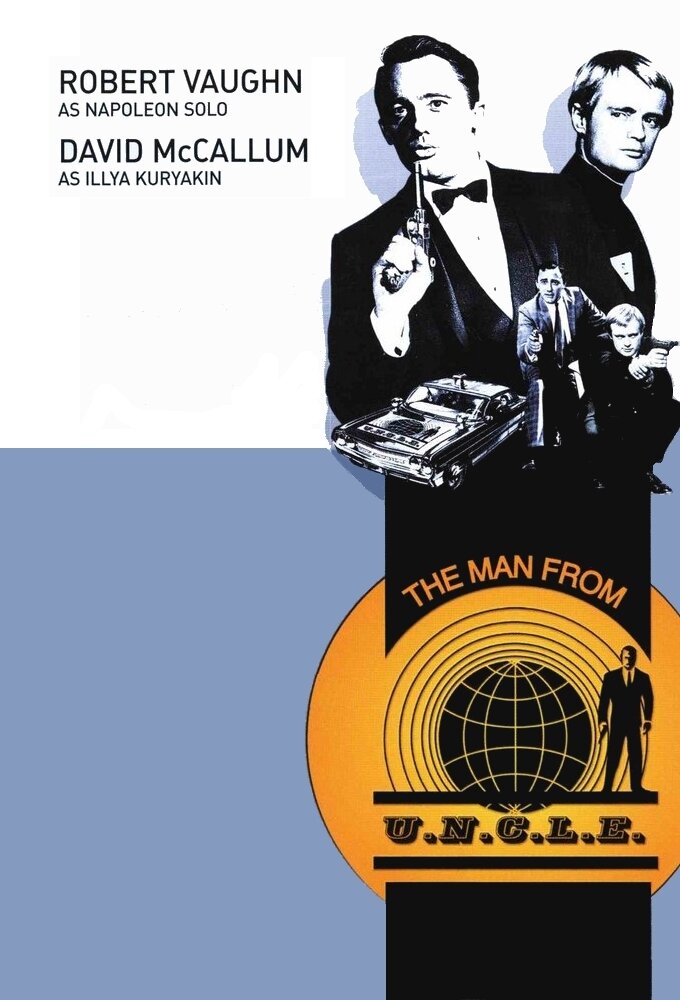
The Man from U.N.C.L.E.1964
Robert Vaughn and David McCallum in spy-fi that knows it's ridiculous and leans in. Stylish, funny, and genuinely fun—the template for camp adventure television that Fu Manchu tries to transpose to film.
But The series is long (multiple seasons) and the formula becomes repetitive. Early episodes are stronger than later ones.
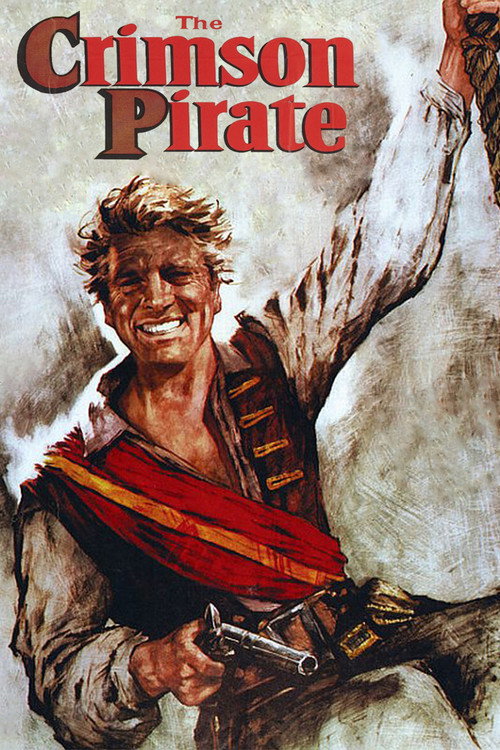
The Crimson Pirate1952
Burt Lancaster in swashbuckling adventure that plays comedy and action at the same temperature. Shows how to make a pulpy villain plot charming through sheer commitment and physical comedy.
But It's a Technicolor swashbuckler, so if that genre bores you, this won't convert you. The plot is gossamer-thin.
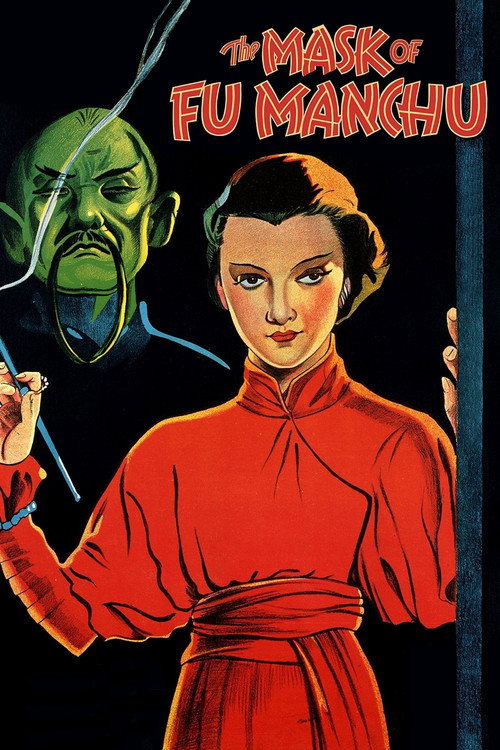
The Mask of Fu Manchu1932
The original, with Boris Karloff, shot at MGM with real budget and craft. Faster-paced than its 1969 descendant and genuinely atmospheric, showing what studio discipline could do with the same villain.
But The racial politics are of its era and uncomfortable. The print quality varies depending on source, and it's in black-and-white.
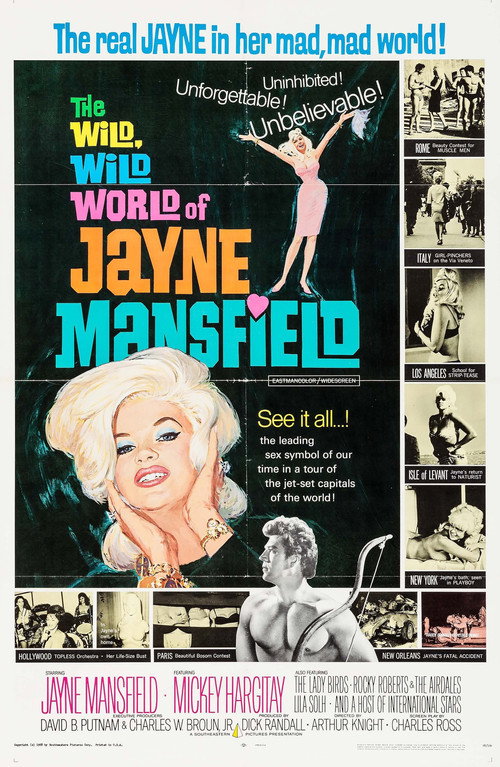
The Wild, Wild World of Jayne Mansfield1968
Both are European co-productions from the late 60s that treat spy-fi as an excuse for spectacle and location-shooting rather than narrative. Both assume you're there for the ride, not the story.
A documentary-ish spy-fi comedy shot in Europe with real starlets doing campy espionage bits. It's closer in DNA to Fu Manchu than most fiction films—same European locations, same cheerful indifference to logic, same commitment to having fun with the form.
But It's barely a film: more a series of sketches and location footage. There's no plot to speak of. Some scenes are genuinely awkward or feel exploitative.
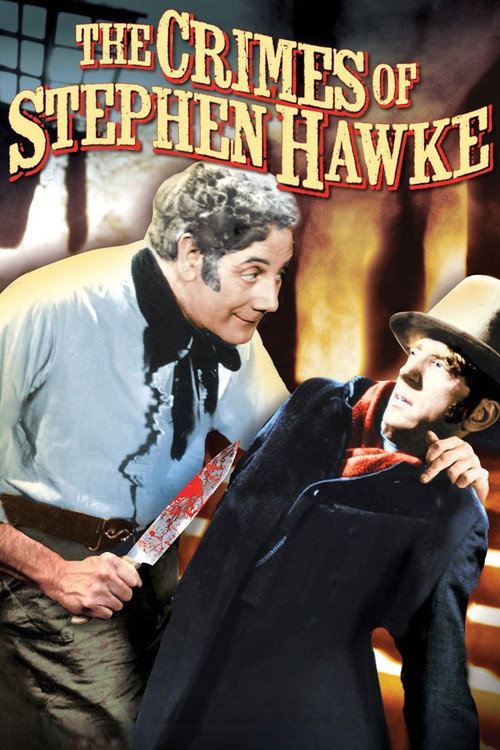
The Crimes of Stephen Hawke1936
Both treat the super-villain's lair and impossible device as the real protagonist. The plot is really about whether engineering can remake the world. Same moral shape, 33 years apart.
A British serial about a master criminal's elaborate schemes to dominate through impossible inventions. The ur-text for super-villain plots, made with energy and commitment. Shows the lineage running from pre-war adventure serials through Fu Manchu into modern blockbusters.
But It's a 1930s serial in poor prints—grainy, often hard to hear, and episodic in ways modern viewers find tedious. Requires patience and goodwill.
People
Cast
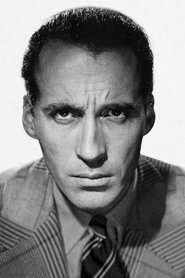 Christopher LeeDr. Fu Man Chu
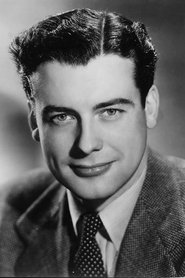 Richard GreeneNayland Smith
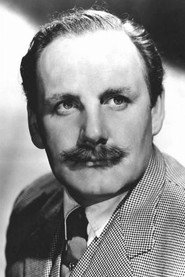 Howard Marion-CrawfordDr. Petrie
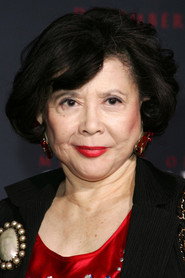 Tsai ChinLin Tang
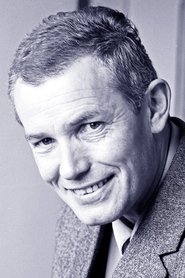 Günther StollCurt
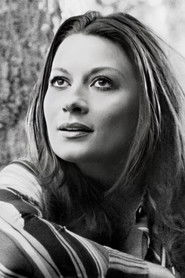 Rosalba NeriLisa
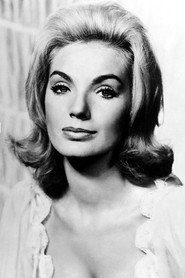 Maria PerschyMarie
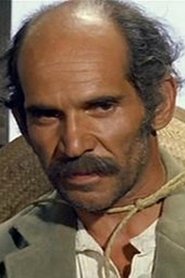 José Manuel MartínOmar Pashu
- Werner AbrolatMelnik
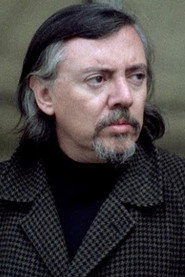 Jesús FrancoInsp. Ahmet
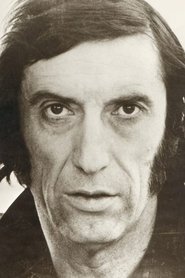 Herbert FuxGoverner
Directing
- Jesús FrancoDirector
Writing
- Jaime Jesús BalcázarDialogue
- Michael HallerDialogue
- Sax RohmerNovel
- Harry Alan TowersScreenplay
- Manfred BarthelScreenplay
Production
- Harry Alan TowersProducer
- Jaime Jesús BalcázarProducer