
Film
The Flaming Disk
A 1920 serial adventure in eighteen episodes where criminals pilfer a solar death ray and its inventor's daughter teams with a government agent to reclaim it. Pure silent-era spectacle: wild stunts, practical effects, and episodic cliffhangers designed to yank you back next week. For anyone curious how science fiction actually looked before Hollywood had words.
Should you watch it?
Watch it if you have a soft spot for early cinema serials, where each chapter ends on a hanging peril and the science is gloriously, cheerfully preposterous.
Skip it if the pulp plotting and stagey acting of 1920 may feel creaky, and few modern viewers will tolerate its leisurely pace.
What it asks of you: Close to five hours, doled out in eighteen chapters, with broad performances and momentum that resets at every break.
Not sure? Find tonight's pick in a minute.
If you liked this
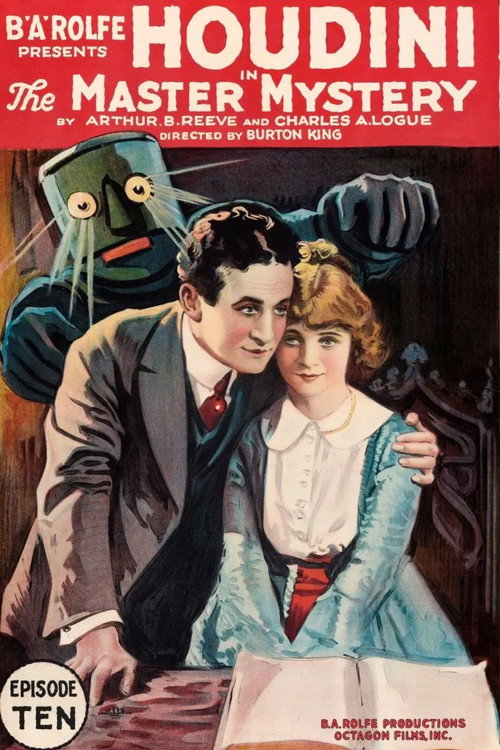
The Master Mystery1918
Houdini himself stars in this serial about a robot and corporate espionage. The stunts are genuine, the mystery is genuinely twisty, and watching a legendary escape artist navigate escalating mechanical and human traps is mesmerizing.
But Silent serials demand patience with pacing that assumes you're coming back next week. The narrative stops dead between cliffhangers.
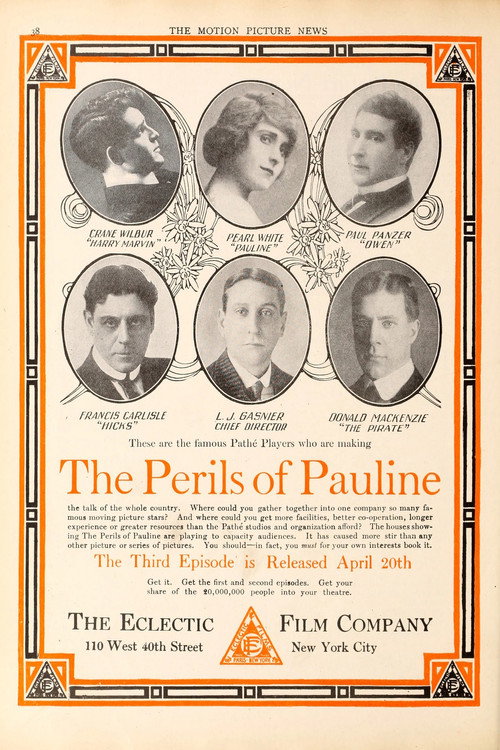
The Perils of Pauline1914
The serial that basically invented the form: Pearl White dangling from buildings and speeding cars while a mysterious villain pursues her relentlessly. It's kinetic, funny, and shockingly modern in its energy.
But The image of the helpless heroine in constant peril reads differently now. White's actually more resourceful than the trope suggests, but the framing is still there.
Nosferatu1922
German Expressionist horror with genuine dread. The vampire is an alien thing, filmed with shadows and geometry that create unease without a single jump scare. It's the blueprint for every vampire film after.
But The pacing is deliberate, almost glacial. If you need plot momentum over mood and image, this will feel like waiting for something to happen.

Not sure tonight? Get a pick in a minute, starting from The Flaming Disk
The wildcard
Something you would not have found on your own.
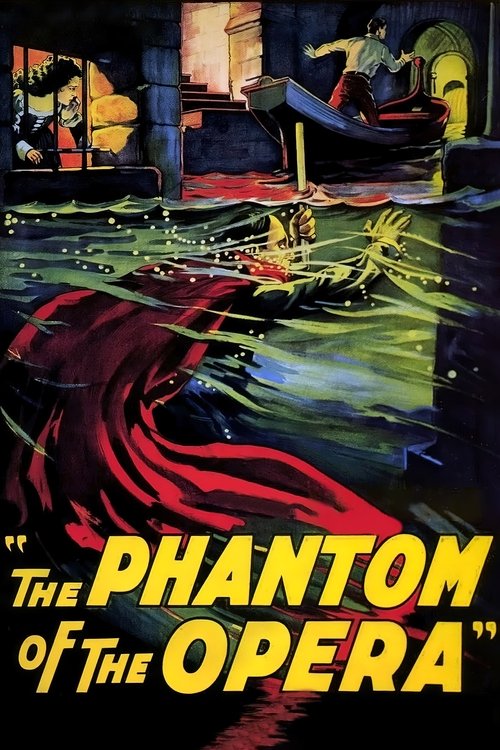
The Phantom of the Opera1925
Both are serials of pursuit through elaborate, hostile spaces where the villain or misunderstood figure drives the narrative forward through sheer determination and mechanical ingenuity.
Lon Chaney's Erik is a tragic figure in a Gothic maze of a film. The unmasking is genuinely shocking even now. Opera house set design creates spaces you want to get lost in. It's melodrama that actually broke hearts.
But The romantic storyline expects you to root for a possessive man against a woman's actual choice. The patriarchal logic is baked in.
More like this (8)
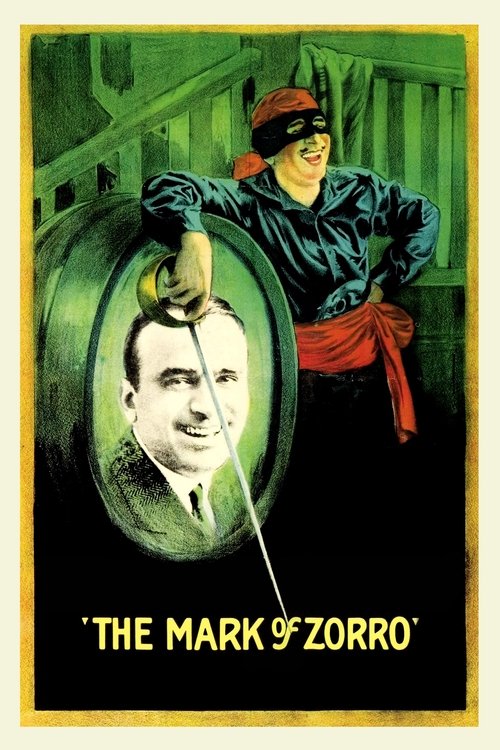
The Mark of Zorro1920
Douglas Fairbanks in the film that invented the masked avenger. It's pure swashbuckling joy: acrobatic sword fights, charming misdirection, and a hero who's funny when unmasked, heroic when cloaked. Endlessly rewatchable.
But The political framework (corrupt Spanish colonialism) is there but thin. It's escapism first, commentary second.
Intolerance: Love's Struggle Throughout the Ages1916
D.W. Griffith's four-story epic about cycles of injustice across centuries. Technically audacious, emotionally sprawling, and visually unlike anything else from the era. See it for the sheer ambition.
But Four hours, four plotlines, and Griffith's ideas don't always cohere. You'll spend time waiting for threads to connect that never quite do.

The Phantom Carriage1921
Swedish ghost story where a man sees his own death and must reckon with how he's lived. The optical effects are ingenious, the moral weight genuine. It's got spectacle and soul.
But It's heavy. The redemption arc requires you to sit with regret and waste before any uplift arrives.

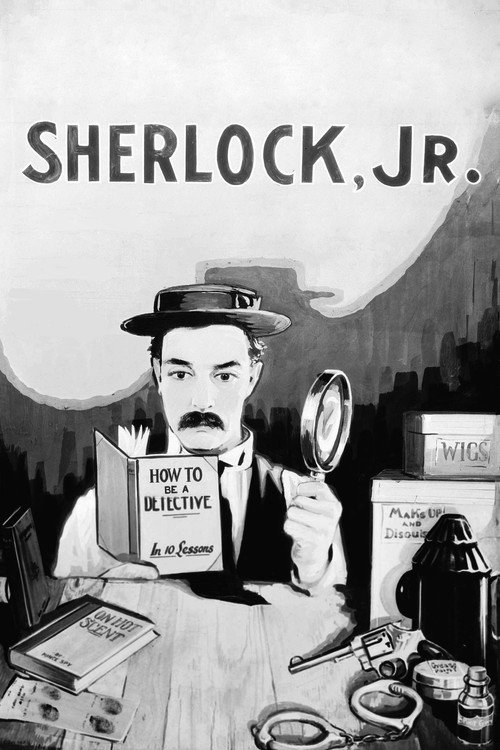
Sherlock Jr.1924
A projectionist dreams himself into a silent film and has to solve a theft while fighting the physics of the cinema itself. The gags are structural poetry, the stunt work makes you believe he's actually falling into impossible spaces.
But It's slight on plot. If you need narrative weight over visual invention, the thinness will show.
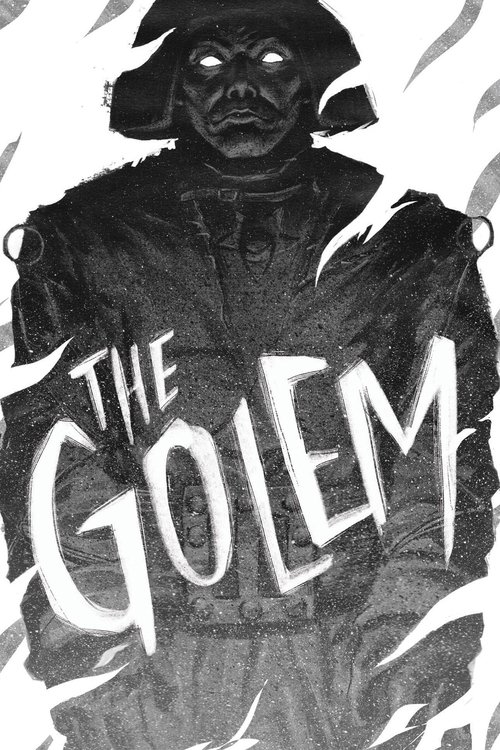
The Golem: How He Came into the World1920
Czech-Jewish legend of a clay giant summoned to protect a community. Distorted architecture and shadow play create a world that feels genuinely other. Horror as atmosphere, not gore.
But It's slow and meditative. Modern horror audiences trained on cutting and jolts may find the pace glacial.
The Cabinet of Dr. Caligari1920
Expressionist masterpiece: a sleepwalker murders on command in a crooked, painted world. Visually unlike anything before or since—sets that are pure geometry and nightmare. Foundational to everything weird cinema became.
But The gender politics are regrettable. The twist, once you see it, sits uncomfortably with how the film frames women.

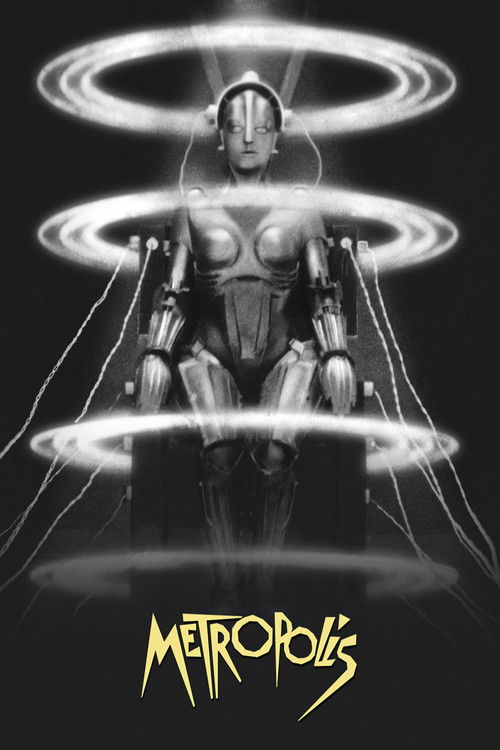
Metropolis1927
Both imagine future technology (death ray, robot) as a weapon in conflict rather than as wonder. Both see sci-fi as a lens on labor and theft and class struggle, not just adventure.
German science-fiction epic: a future city stratified vertically, robot workers, a strike, a robot woman. Visually overwhelming—the sets are cities themselves. It's about labor and power and class told through silent spectacle.
But The restored version is still nearly three hours. The political philosophy is earnest in a way that can read as heavy-handed.
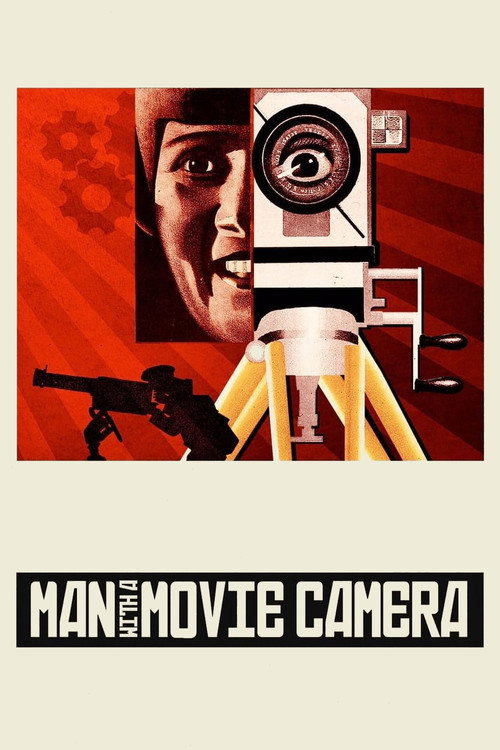
Man with a Movie Camera1929
Both are episodic structures that hold viewer attention through spectacle and novelty rather than plot coherence. Both are fascinated by technology and movement. Both are essentially *how* rather than *what*—form as the message.
Soviet documentary essay: a cameraman films Soviet life across a single day. No plot, just montage and rhythm and invention. It's radical in form—the camera itself becomes a character, constantly questioning how we see. Pure cinema language.
But No narrative anchor. If you need a story or characters to follow, this is a poem about process, not a film for engagement through plot.
People
Cast
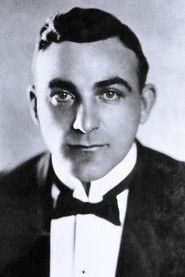 Elmo LincolnElmo Gray / Jim Gray
 Louise LorraineHelen Wade
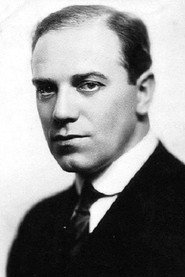 Monte MontagueBatt Hogan
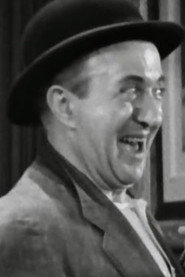 Lee KohlmarProfessor Robert Wade
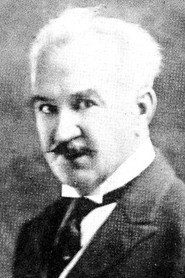 George B. WilliamsStanley W. Barrows
- Jenks HarrisCon Dawson
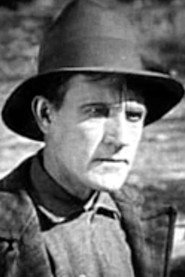 Roy WatsonRodney Stanton
- Fred HamerBriggs
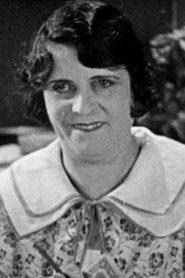 Fay HoldernessStella Dean
Directing
- Robert F. HillDirector
Writing
- Arthur Henry GoodsonWriter